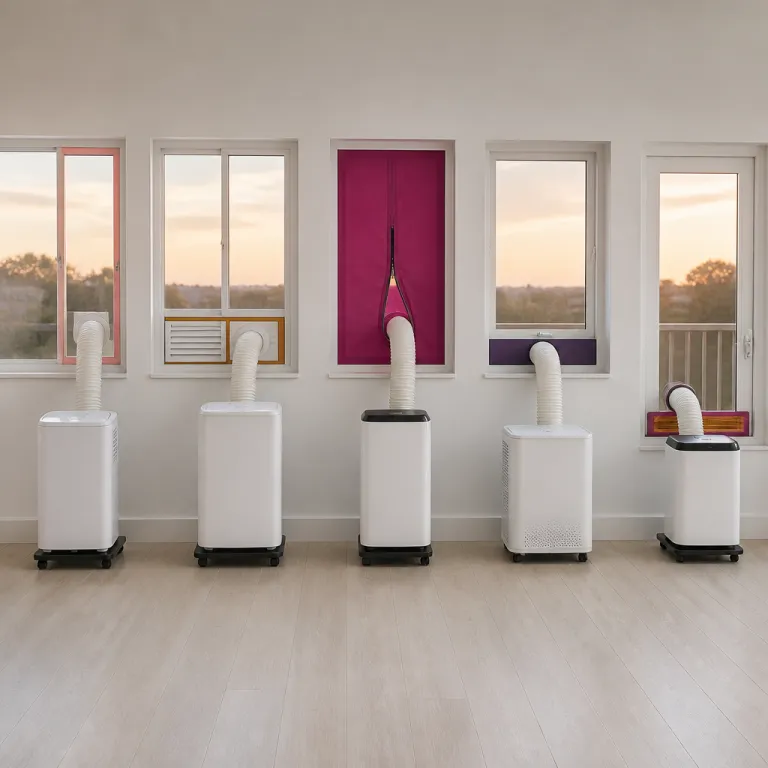
Why portable air conditioner venting rental no damage matters for renters
A portable air conditioner can feel like a lifeline in a sweltering city apartment. When you rent, though, every scratch on a window frame or extra screw hole in a wall can threaten your security deposit and your relationship with the landlord. The real challenge is getting efficient portable cooling from a compact unit while keeping the lease spotless and the room comfortably cool.
Most portable air conditioners rely on a window vent and a flexible exhaust hose to push hot air outside the room. That exhaust hose is essential, because any hot air that leaks back inside forces the unit to work harder, raises energy use, and leaves the room feeling only slightly cool instead of genuinely comfortable. The goal with any vent portable setup is simple but strict, especially in rentals: move every bit of hot air out without leaving a single permanent mark or violating basic safety rules.
Think of the portable air conditioner venting rental no damage problem as a balance between physics and property rules. The air conditioner unit must pull warm air from the room, separate sensible cooling from moisture removal, and send the waste heat through the exhaust hose to the exterior. Your job is to guide that hose portable path through a window, a sliding door, a ceiling tile, or even a dryer vent, using a venting kit or simple materials that never require you to cut a hole in any wall and that your landlord or building code will accept.
Quick sizing and performance guide (typical manufacturer recommendations): 8,000–10,000 BTU: up to ~300 sq. ft.; 12,000–14,000 BTU: ~400–500 sq. ft.; 15,000–18,000 BTU: ~600 sq. ft. or more. Keep total exhaust hose length at or below the factory hose (usually 4–5 feet) and avoid adding extra sections, because longer runs increase backpressure, reduce cooling capacity, and may void the warranty according to many portable AC install guides.
Setup 1 – standard window kit with painter’s tape backing
Most rental friendly installations start with the basic conditioner window kit that ships with many portable air conditioners. These kits are designed for standard window units and usually include a telescoping plastic panel, a vent opening for the exhaust hose, and simple hardware that clamps into a vertical or horizontal window frame. The problem is that the hard plastic edges can scrape paint on an older window, and the tiny screws can leave visible marks that matter when the lease ends.
The easiest portable air conditioner venting rental no damage upgrade is to line every contact surface with high quality painter’s tape before installation. Run a strip along the bottom of the window sash, the sides of the frame, and any area where the plastic kit might rub, then place the window mounted panel on top so the tape takes every bit of friction. This creates a sacrificial layer that protects the wood or vinyl while still allowing a tight seal that keeps hot air from sneaking back into the room.
Once the panel is in place, connect the single hose exhaust to the circular vent opening, making sure the hose portable connection is snug and angled gently to avoid kinks. Most residential exhaust hoses are about 5 to 6 inches in diameter, so confirm the collar size in the manual and use the supplied locking ring instead of forcing a mismatch. Use foam weatherstripping around the kit edges, even if the fit looks perfect, because tiny gaps can pull infiltration air from the outside and quietly wreck your cooling efficiency. When the season ends, you simply lift the window, remove the venting kit, peel off the painter’s tape, and the window looks untouched, which is exactly what a cautious landlord wants to see.
Illustration tip: include a photo or sketch that labels the window sash, painter’s tape barrier, telescoping insert, and exhaust collar, plus alt text such as “no-drill portable AC window kit with painter’s tape protecting rental window frame.”
Setup 2 – custom acrylic insert for crank and casement windows
Urban renters often face narrow crank windows or tall casement designs where a standard window kit simply will not sit flat. In those cases, a custom acrylic insert can turn an awkward opening into a clean, professional venting solution for any portable air conditioner unit. These clear panels sit in the window frame like a temporary pane of glass, with a circular vent cutout for the exhaust hose and no hardware driven into the frame or wall.
Manufacturers that specialize in portable air solutions offer acrylic inserts sized to common casement window dimensions, and they typically install in five to ten minutes without permanent modifications. You slide the portable air panel into the window track, close the window gently against it, and then attach the exhaust hose to the pre cut hole using the supplied venting kit collar. For renters, this approach keeps the original window untouched while still giving the air conditioner a direct path to push hot air outside, and it follows the same no drilling guidance many brands recommend in their installation manuals.
If you prefer a budget route, a sheet of plexiglass from a hardware store can be trimmed to fit with a simple saw, then drilled carefully to accept the round vent portable connector. Mark the center point, use a hole saw sized to your hose diameter, and sand the edges so they do not crack under stress. Seal the edges with removable weatherstripping so the room stays cool and drafts stay out, just as you would in a home office where noise and comfort both matter, as explained in guides on portable AC placement and hose routing. When you move out, the acrylic insert lifts away in seconds, the casement window closes as normal, and your portable cooling setup leaves no trace on the lease.
Illustration tip: show a clear temporary AC window insert locked in a crank window, with alt text such as “temporary acrylic casement window insert for portable air conditioner venting in a rental.”
Setup 3 – sliding door foam board panel for big glass openings
Large sliding door openings can feel impossible to seal, especially when you are trying to route a portable air conditioner hose without drilling into the frame. A dense foam board panel solves this by turning part of the sliding door opening into a temporary wall that accepts a venting kit, while the rest of the door still closes and locks normally. The key is choosing foam thick enough to support the exhaust hose yet light enough to cut cleanly with a utility knife.
Measure the height of the sliding door track, then cut a foam board strip that fills the gap from top to bottom when the door is partially closed. Mark a circle for the exhaust vent slightly above the midpoint, cut the opening, and press in the plastic collar that connects to the hose portable fitting on your air conditioner. For most 8,000 to 14,000 BTU portable units, a 1 to 1.5 inch thick foam panel is rigid enough to hold a 5 or 6 inch vent ring without sagging. Once the foam panel is in place, slide the door gently against it, add weatherstripping along the edges, and you have a stable door vent that channels hot air outside without touching the original frame.
This sliding door method works well for both single hose and dual hose portable air conditioners, and it is especially useful in studio apartments where the main glass door is the only realistic venting path. Because the foam is sacrificial, any dents or marks stay on the panel, not on the rental property, and you can replace it cheaply if it degrades over several cooling seasons. For renters who move often, the same foam door panel can travel from one room to another, giving you a flexible portable cooling solution that respects every lease you sign and keeps the door frame free of screw holes or adhesive residue.
Illustration tip: add a side view diagram of a sliding door, foam infill, and hose connection, with alt text such as “foam board sliding door insert for no-damage portable AC venting in an apartment.”
Setup 4 – drop ceiling and dryer vent options that avoid new holes
Some rentals, especially basement apartments or small offices, rely on a drop ceiling grid rather than a traditional plaster ceiling. In those spaces, you can route the exhaust hose from a portable air conditioner through a modified ceiling tile and then over to an existing exterior vent, all without cutting into any structural wall. The portable air conditioner venting rental no damage principle still applies, because you only alter a replaceable tile, not the building itself.
Start by swapping one drop ceiling tile for a rigid panel or a spare tile that you are willing to modify, then cut a neat circular opening sized to the vent portable collar. Attach the exhaust hose from the unit to this ceiling vent, run the hose above the tiles, and connect it to an existing louver or duct that already sends hot air outside, such as a bathroom fan outlet approved by the landlord. Always confirm airflow direction and capacity, because you want the air conditioner exhaust to leave the room, not fight against another fan or push hot air into a shared plenum. In older buildings, ask the property manager before tying into any shared duct so you do not violate fire or mechanical codes.
Where a dryer vent already exists on an exterior wall, it can often serve as a ready made exhaust path for a portable air conditioner unit. Many exhaust hose diameters match common dryer vent sizes, so an adapter ring and a short section of hose portable tubing can bridge the gap without any need to cut a new hole. Check that the dryer vent flap opens freely, that lint is cleared, and that local rules allow this kind of temporary connection, because some jurisdictions restrict mixed uses on exhaust ducts. This approach keeps the room cool, uses infrastructure the landlord already accepts, and leaves every wall, window, and ceiling surface visually untouched when you disconnect the venting kit at the end of the season.
Regulatory caveat: before using a shared duct or dryer vent, review your lease, any posted building policies, and local building or fire code summaries, and follow the safety warnings in your portable AC and dryer manufacturer installation guides. If a rule or manual explicitly forbids combined use, choose a different no-drill portable AC venting method.
Setup 5 – sealing, placement, and maintenance that protect both comfort and the lease
Even the best venting portable setup fails if you ignore small gaps, poor placement, or basic maintenance. Every window, door, or ceiling path you choose for the exhaust hose should be wrapped in compressible weatherstripping, because infiltration air sneaking through millimeter wide cracks can erase much of the cooling your air conditioner delivers. Think of weatherstripping as the invisible partner to every kit, panel, or insert you install in a rental room.
Placement matters as much as venting, so keep the portable air conditioner unit close enough to the window or door vent that the hose runs straight with minimal bends. Long, twisted exhaust paths trap hot air, raise back pressure, and force the unit to run louder and longer, which you will notice during late night video calls or when trying to sleep in a small bedroom. If you are using evaporative coolers instead of compressor based air conditioners in very dry climates, remember that they still need thoughtful airflow planning, even though they do not rely on a traditional exhaust hose.
Routine care also protects both performance and the rental space, because clogged filters and full condensate tanks can cause leaks that stain floors or walls. Clean the air filter on your portable cooling unit every few weeks, check the conditioner window connection for condensation, and route any drain hose into a stable container that cannot tip. For renters with allergies, it is worth reading detailed guidance on how portable AC filters handle dust and pollen, so your room stays both cool and breathable without unexpected side effects on your health or your lease. A quick seasonal checklist—inspect the hose for cracks, confirm the plug and outlet are undamaged, and verify that the vent flap opens freely—helps the unit run safely year after year.
Illustration tip: a simple table image summarizing BTU vs room size, maximum recommended hose length, and ideal hose routing angles can reinforce these maintenance and placement guidelines; use alt text such as “portable AC performance table showing BTU capacity, room size, and hose length limits.”
FAQ
Can I vent a portable air conditioner without using any window at all ?
You can vent a portable air conditioner without a window by using an existing dryer vent, a drop ceiling tile that leads to an exterior duct, or a sliding door foam panel that acts like a temporary wall. The key is always giving the exhaust hose a direct path outdoors so hot air does not recirculate into the room. Never vent into an attic, crawlspace, or closed ceiling cavity, because trapped heat and moisture can damage the building and violate your lease.
Will a portable AC damage my rental walls or window frames ?
A portable AC will not damage walls or window frames if you avoid drilling, use painter’s tape under any window kit, and rely on removable weatherstripping instead of permanent sealants. Custom acrylic inserts, foam board panels, and modified drop ceiling tiles all keep the original structure untouched while still venting hot air outside. Always photograph the area before and after installation so you can prove to your landlord that no marks or holes were left behind.
Is a single hose portable AC good enough for a small apartment room ?
A single hose portable AC can cool a small bedroom or office if the venting path is short, the window or door seal is tight, and the room size matches the unit’s BTU rating. These units pull some air from the room and exhaust it outside, which can draw warm infiltration air from other parts of the apartment if gaps are not sealed. For larger rooms or open layouts, a dual hose design usually maintains more stable cooling because it separates intake and exhaust air streams.
Can I share one portable AC between multiple rooms in a rental ?
You can share one portable AC between rooms by rolling the unit from space to space and setting up separate venting kits or foam panels at each window or door. This works best when the rooms are similar in size and you are willing to move the exhaust hose connection once or twice a day. Remember that every new location still needs a fully sealed vent path, because even a short period of unvented operation will dump hot air back into the apartment.
How do I keep my portable AC efficient over several rental seasons ?
To keep a portable AC efficient over multiple seasons, clean the air filter regularly, inspect the exhaust hose for cracks, and replace any worn weatherstripping around the window or door vent. Store the unit upright in a dry room when not in use so compressor oil stays where it belongs and plastic parts do not warp. Before each summer, recheck every seal and connection, because a few minutes of maintenance can preserve both cooling performance and your security deposit.