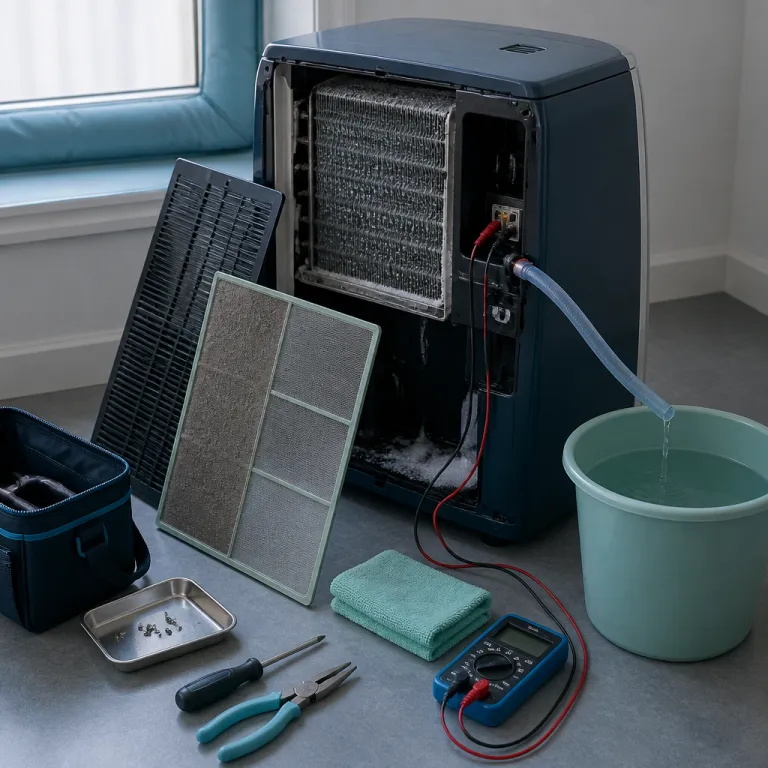
When your portable AC is blowing hot air instead of cooling
A portable air conditioner that suddenly sends hot air into a small room feels useless. When an air conditioning unit is pushing warm air, the problem usually lies in the cooling system rather than the fan or basic controls. Your goal is to understand which issue is most likely and whether a professional visit is necessary.
Start with the basics and check whether the unit is set to cooling mode and that the thermostat is not accidentally set too high. Many people think the system is running correctly because the fan is blowing, yet the refrigeration cycle is off or the temperature target is above the current warm indoor level. If the display is unclear, reset the air conditioner by unplugging the unit for several minutes before restarting the system running on a lower set point.
Look closely at the exhaust hose and the outdoor window kit because a blocked outlet can make the conditioner send warm exhaust air back into the room. If the hot outdoor discharge leaks around the panel, the portable air cooling effect collapses and you feel only heated air from the grille. Reseal gaps, straighten the hose, and ensure the outdoor unit equivalent parts are not crushed behind furniture or curtains.
When a portable air conditioner is delivering hot instead of cool air, dirty air inside the casing is another frequent culprit. Clogged air filters restrict airflow over the evaporator coils, so the refrigerant cannot absorb enough indoor heat and the unit starts blowing lukewarm air. Cleaning or replacing air filters regularly keeps the system breathing freely and prevents this type of issue from returning.
If you notice the AC sends warm air only after several hours of operation, overheating may be forcing the compressor to stop while the fan keeps running. In that case the system is running partially, with the blower still pushing air but no active refrigeration cycle to remove heat. Give the conditioner time to cool down, improve ventilation around the cabinet, and then check whether the compressor sound returns when you restart the unit.
Airflow, filters, and fan problems that make cooling disappear
When a portable air conditioner is blowing warm instead of cool, restricted airflow is often the hidden reason. The air filter on the intake side traps dust and pet hair, but once it is clogged the system cannot pull enough room air across the evaporator coils. You end up with a unit that is running loudly yet delivering only weak, warm air at the outlet.
Remove the air filter and inspect it under a bright light, because a grey mat of dirt means the filter is suffocating the system. Rinse washable filters with lukewarm water, let them dry completely, and reinstall them carefully so no gaps allow dirty air to bypass the frame. If your model uses disposable air filters, replace them according to the manual or sooner when you notice airflow issues or visible dust.
Multiple filters may be present on some portable air conditioning designs, including pre-filters and finer mesh screens. Forgetting one of these air filters during maintenance can leave part of the airflow path blocked and keep the conditioner sending warm air into the room. A regular schedule to check all filters every few weeks during the warm season prevents this simple but frustrating issue.
Fan and motor problems can also make it seem like the AC is blowing hot air even when the refrigerant circuit is healthy. If the indoor blower slows down or stops while the compressor keeps running, the evaporator coils can become frozen coils because cold refrigerant is not warmed by enough indoor air. That combination of frozen coils and poor airflow eventually leads to the system shutting down on safety, then restarting with only neutral or warm air until the ice melts.
Because the fan is so critical, understanding how the AC fan motor keeps your portable air conditioner alive is worth your time, and a detailed guide is available through this fan motor troubleshooting resource. If you hear the compressor humming but feel almost no airflow, call a professional technician before the issue damages the motor windings or control board. Continued operation with poor airflow can also overheat the outdoor unit exhaust hose and raise refrigerant pressures beyond safe refrigerant levels.
Refrigerant, coils, and why the AC is running but not cooling
Sometimes the system running sounds normal, yet the AC is blowing hot air because the refrigerant circuit is compromised. Portable air conditioning relies on a sealed loop of refrigerant that moves heat from indoor air to the outdoor exhaust, and any disruption in that loop ruins cooling performance. When the compressor runs without proper refrigerant levels, you may feel only slightly warm air or even room temperature air from the vents.
A refrigerant leak in a portable unit is less common than airflow issues, but once it happens the conditioner blowing cold air becomes impossible. Signs of low refrigerant include a hissing sound, oily residue on connections, and evaporator coils that show patchy frost or frozen coils only on part of the surface. In these cases, continuing to run the system can damage the compressor and turn a repairable issue into a complete unit replacement.
Dirty evaporator coils on the indoor side and clogged condenser coils on the outdoor exhaust side also reduce air cooling capacity. Dust and lint act as insulation on the metal fins, so even with correct refrigerant levels the heat exchange is weak and the air conditioner ends up blowing warm air into the room. Gentle cleaning with a soft brush and vacuum, following the manual, restores the ability of the coils to move heat efficiently.
Ice formation on the evaporator coils is another reason an AC is blowing hot air after a period of normal operation. When airflow is low or refrigerant levels are incorrect, the coil temperature drops below freezing and moisture in the air turns into ice, creating frozen coils that block air completely. Once the ice melts, the system may briefly cool again, but the underlying issue will return until you correct airflow or address low refrigerant.
For portable models that repeatedly ice up, a detailed explanation of ice on the evaporator coil and why your portable AC ices up in the second summer can be found in this evaporator icing guide. If you suspect a refrigerant leak or chronically low refrigerant, do not attempt to top up the system yourself because sealed portable units require specialized tools and certification. Instead, call a professional who can check pressures, verify refrigerant levels, and advise whether repair is economical compared with replacing the unit.
Electrical faults, thermostat settings, and safety checks
When an AC is blowing hot air or no air at all, electrical problems often sit behind the symptoms. A tripped breaker in the household panel can leave the compressor without power while the fan still receives electricity, so the system running noise misleads you. In that situation the air conditioner only circulates room temperature or slightly warm air because the refrigeration cycle never starts.
Always check the plug, the wall outlet, and the dedicated circuit when your portable unit suddenly begins blowing warm air after working well. Reset any tripped breaker once, then watch whether it holds while the conditioner blowing cool air resumes, because repeated trips signal a deeper electrical issue. If the breaker continues to trip, stop using the unit and call a professional electrician or HVAC technician to prevent overheating or fire risk.
The thermostat inside a portable air conditioning system can also misread room conditions and cause the AC to send hot air. When the sensor is too close to the exhaust or a sunny window, it may think the room is cooler than it feels and shut the compressor off early. Relocating the unit slightly or shading the thermostat area can restore accurate readings and keep the system running until the real indoor temperature drops.
On many models, incorrect mode selection is another simple but common issue that makes people think their AC is blowing hot air. If the control panel is set to fan only or dehumidify, the compressor may stay off while the blower keeps pushing air that feels like warm air compared with your expectations. Carefully cycle through modes, confirm the snowflake or cooling icon is active, and then lower the set point several degrees below the current indoor temperature.
Some portable units include safety switches that shut the compressor down when the condensate tank is full or when the outdoor unit style exhaust is blocked. When that happens, the fan may continue blowing hot or neutral air while warning lights flash on the display, so always check the manual for indicator meanings. Emptying the tank, straightening the hose, and ensuring good airflow around the cabinet often restores normal air cooling without any further intervention.
Maintenance habits that prevent your portable AC from blowing hot
Preventing a situation where your AC is blowing hot air starts with disciplined maintenance. Portable air conditioning equipment works in dusty rooms, small flats, and home offices where dirty air quickly clogs filters and coats coils. A simple monthly routine keeps the system running efficiently and reduces the risk of sudden issues during a heatwave.
Begin by cleaning or replacing the air filter and any secondary air filters according to the manufacturer schedule, because clean filters are the first defense against airflow problems. When filters stay dirty, the unit must work harder, the compressor runs hotter, and the risk of frozen coils or low refrigerant symptoms increases. Over time, that extra strain can shorten the life of both the compressor and the fan motor, leading to expensive repairs or early replacement.
Next, inspect the evaporator coils and condenser coils for dust buildup, pet hair, or lint that restricts airflow. Even a thin layer of debris can make the conditioner blowing cool air turn into a conditioner blowing warm air under heavy load. Use a soft brush and vacuum to remove loose dirt, then wipe surfaces gently with a slightly damp cloth if the manual allows it.
Do not forget the exhaust hose and outdoor window kit, because poor ventilation on the outdoor unit side traps hot air around the discharge. When that hot outdoor air recirculates into the intake, the system loses its temperature difference and the AC is blowing hot air back into the room. Keeping at least several centimetres of clearance around the hose and avoiding sharp bends helps maintain strong airflow and stable refrigerant pressures.
When cleaning is no longer enough and filters are damaged or permanently stained, consider aftermarket replacements that match your model specifications, and a detailed comparison of portable AC filter options is available in this portable AC filter guide. High quality filters capture more fine particles without choking airflow, which protects evaporator coils from dirty air and keeps refrigerant levels operating in their intended range. With these habits, your portable air conditioner is far less likely to surprise you by blowing hot or lukewarm air during the hottest days.
When to call a professional and what they will check
There comes a point when an AC is blowing hot air despite your best cleaning efforts, and that is when expert help becomes essential. If you have already checked modes, thermostat settings, filters, and exhaust routing, persistent warm air usually signals a deeper system issue. At that stage, continuing to run the unit can worsen damage to the compressor or electrical components.
A qualified HVAC professional will start by confirming that the system running status matches the control signals and that the compressor actually engages. They will measure refrigerant levels, check for any refrigerant leak, and inspect both evaporator coils and condenser coils for signs of oil stains or corrosion. These tests reveal whether low refrigerant, blocked coils, or mechanical compressor faults are responsible for the conditioner blowing warm air.
Technicians also examine electrical connections, capacitors, and safety switches that can interrupt the compressor while leaving the fan blowing. A weak capacitor may allow the motor to start sometimes but fail under load, creating intermittent periods where the air conditioner is blowing hot air even though the thermostat is calling for cooling. By replacing worn components early, you avoid sudden breakdowns during extreme heat.
Another key step is verifying that no tripped breaker or undersized circuit is limiting power to the portable unit. When voltage drops under heavy demand, the compressor can stall while the fan keeps running, which again produces only warm air at the outlet. A professional can recommend whether a dedicated circuit or different outlet location would stabilize performance and protect the system.
If the technician concludes that the sealed refrigerant system is compromised, they will explain whether repair is technically possible and economically sensible for your specific unit. Portable air conditioning products are often cheaper to replace than to rework after a major refrigerant leak or compressor failure, especially once labour and parts are included. Clear communication about costs, expected lifespan, and energy efficiency helps you decide whether to repair the issue or invest in a new air conditioner.
Portable AC troubleshooting checklist when the unit is blowing hot
When your portable AC is blowing hot air, a structured checklist helps you move from simple fixes to complex issues logically. Start by confirming that the air conditioner is in cooling mode, the thermostat is set several degrees below room temperature, and all doors and windows are closed. These quick checks eliminate the most basic reasons for warm air without tools or technical knowledge.
Next, inspect the air filter and any additional air filters for dust, pet hair, or visible blockage that could restrict airflow. Clean or replace filters, then restart the system running and feel whether the conditioner blowing warm air begins to cool within ten to fifteen minutes. If airflow remains weak or the unit is still pushing hot air, move on to the exhaust hose and window kit.
Ensure the exhaust hose is firmly attached, free of kinks, and venting hot outdoor air fully outside the room. Any leak that allows dirty air or exhaust to reenter the space will make the AC feel like it is blowing warm air even when the refrigerant circuit is functioning. Reseal gaps with foam or tape, then run the unit again to see whether air cooling improves.
If the unit cycles off quickly or you notice ice on the evaporator coils, turn the air conditioner off and let the frozen coils thaw completely. After thawing, run the fan only mode for a short period to dry the coils and prevent new ice from forming immediately. Persistent icing suggests low refrigerant, poor airflow, or thermostat issues that may require professional diagnosis.
Finally, listen for the compressor engaging as a deeper humming sound separate from the fan, and check your electrical panel for any tripped breaker related to the appliance circuit. When the fan is blowing but the compressor never starts, the system cannot move heat and will only push room temperature or hot air. At that point, calling a professional technician is the safest step to protect your equipment and restore reliable cooling.
Key figures about portable AC performance and failures
- Field surveys from major HVAC service companies suggest that around 30% of portable air conditioner service calls relate to airflow problems such as clogged filters or blocked exhaust hoses, which directly contribute to situations where an AC is blowing hot air instead of cooling (for example, see aggregated data in the Air Conditioning Contractors of America service trend summaries).
- Energy efficiency tests by independent laboratories indicate that a portable unit with dirty air filters and dusty evaporator coils can lose between 10% and 25% of its cooling capacity, meaning the system must run longer and may still only deliver warm air under peak heat conditions (as reported in comparative seasonal energy efficiency ratio tests published by national energy-efficiency agencies).
- Industry data from compressor manufacturers suggest that operating an air conditioning system with low refrigerant levels can reduce compressor life by up to 40%, because the motor runs hotter and lubrication breaks down faster when a refrigerant leak is present (figures drawn from manufacturer reliability bulletins and engineering guidelines such as those cited by AHRI and major scroll-compressor brands).
- Consumer complaint analyses in several large markets reveal that more than half of reported cases where an air conditioner is blowing warm air could have been prevented with regular filter maintenance and annual checks of electrical connections and thermostat calibration (according to patterns repeatedly noted in consumer protection reports and national home warranty claim summaries).
FAQ about portable AC blowing hot air
Why is my portable AC suddenly blowing hot air instead of cold
The most common reasons a portable AC is blowing hot air are clogged air filters, incorrect mode or thermostat settings, or a blocked exhaust hose that recirculates hot outdoor air back into the room. Once you clean the filters, confirm cooling mode, and restore proper exhaust airflow, many units return to normal cooling within about fifteen minutes. If the compressor still does not engage, a professional should check refrigerant levels and electrical components.
Can low refrigerant make a portable air conditioner blow warm air
Low refrigerant in a sealed portable air conditioning system reduces the ability of the evaporator coils to absorb heat, so the unit may only deliver lukewarm or warm air even while the fan and compressor are running. Signs include hissing noises, partial frosting, and a gradual decline in cooling over weeks rather than a sudden failure. Because handling refrigerant requires certification, any suspected refrigerant leak should be evaluated by a qualified technician.
How often should I clean the filters on my portable AC
During the cooling season, most manufacturers recommend checking and cleaning the air filter every two to four weeks, with more frequent service in dusty homes or spaces with pets. Regular filter maintenance keeps airflow strong, protects evaporator coils from dirty air, and reduces the risk that the AC is blowing hot air during heatwaves. If the filter material looks damaged or permanently stained, replacement is usually better than repeated cleaning.
Is it safe to keep running a portable AC that is blowing warm air
Running a portable air conditioner that only blows warm air is usually inefficient and can sometimes be unsafe, especially if the cause is a tripped breaker, overheating compressor, or electrical fault. Short test runs after cleaning filters or adjusting settings are acceptable, but continuous operation under fault conditions may damage the compressor or wiring. If basic troubleshooting does not restore cooling quickly, stop using the unit and arrange a professional inspection.
When should I replace my portable AC instead of repairing it
Replacement becomes more sensible when the unit has a major compressor failure, a significant refrigerant leak in the sealed system, or repeated electrical issues that require expensive parts. If repair costs approach half the price of a new, more efficient air conditioner, many homeowners choose to invest in a replacement. Evaluating age, energy consumption, and the frequency of past issues with blowing hot or warm air helps guide this decision.
