How a portable air conditioner really filters your room air
A portable air conditioner feels like a lifeline when your home office turns into a sauna. The same portable air unit also recirculates the indoor air in your room, pulling it through a basic filter that most buyers assume will trap allergens and protect air quality. That assumption is only half right, and for allergy or asthma sufferers it can be the difference between relief and a lingering headache.
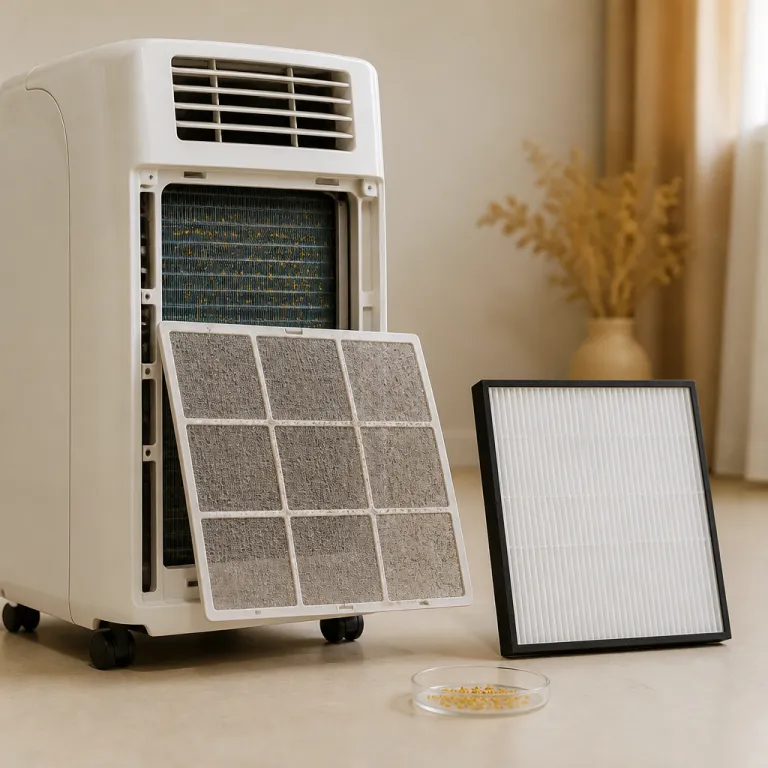
Inside almost all portable air conditioners you will find a simple mesh air filter sitting behind the intake grille. This filter protects the conditioner system and compressor by catching large particles of dust, lint and hair, but it is not designed as a high efficiency air filtration barrier for microscopic particles. In practice, that means the built in conditioner filters stop visible dust and some dust mite fragments, while smaller particles like pollen grains, mold spores and pet dander keep circulating in the indoor air.
Think of the standard filter as a coarse net, not a medical mask. It captures particles roughly above 50 microns, which includes heavy dust and textile fibers that would otherwise clog the portable air conditioner coils. Pollen grains can range from about 10 to 100 microns, and the smaller species plus mold spores between 3 and 30 microns often slip straight through this low merv style filtration. For a remote worker breathing that room air eight hours a day, the gap between what the filter catches and what allergens remain in the air is what keeps symptoms alive.
Why dust is trapped but pollen, mold and dander keep circulating
When you slide out the filter from your portable air unit after a week, the gray mat of dust looks reassuring. That layer proves the air conditioner filter is doing something for indoor air quality, but it mostly shows how much heavy dust and large particles were floating in your room air before cooling. The problem is that the particles most likely to trigger allergies are far smaller and behave differently in the air.
Dust and lint settle quickly, so the air cleaner effect of a simple mesh filter feels impressive because you see what it removed. By contrast, pollen grains, mold spores and pet dander stay suspended in the indoor air for hours, slipping through the wide openings of basic air filters and riding every convection current from your air conditioning system. Standard conditioner filters in portable units are usually equivalent to very low merv ratings, which means they are engineered to protect the hvac system, not to act as a true air purifier for sensitive lungs.
For someone with asthma or seasonal allergies, that design choice matters every single afternoon. Your portable air conditioner keeps the room cool and reduces humidity, which indirectly slows mold growth but does not stop existing spores or allergens from circulating. If you want the filter in your air conditioners to do more than catch dust, you need to think in terms of dedicated air filtration performance and not just rely on whatever thin screen shipped with the unit, even if a product page hints at "allergy" features. For deeper guidance on choosing replacement media, resources that explain how to choose the right replacement filter for your window air conditioner can also clarify what matters for portable models.
HEPA, MERV and what a portable AC filter can realistically do
Some newer portable air units advertise upgraded filters, and the language can be confusing. You might see claims about HEPA style filtration, high efficiency dust capture or even integrated air cleaners built into the air conditioner housing. The reality is that very few portable air conditioners include a true HEPA filter that meets the standard of capturing 99.97 percent of 0.3 micron particles, and even fewer maintain that performance once the filter is clogged with dust.
What you are more likely to find is a layered system where a coarse pre filter catches hair and dust, and a thinner sheet of finer media or carbon provides modest extra air filtration. These hybrid air filters can slightly reduce odors and some particles, but they rarely match the performance of a dedicated air purifier with a certified HEPA filter and a properly rated hvac filter style frame. When you read about merv ratings, remember that most portable air conditioner filters sit at the very low end, while serious allergen control usually starts at MERV 11 and climbs higher for capturing smaller particles and dust mite debris.
For a home office where you spend long hours, the most reliable setup is often a hybrid system. Use the portable air conditioner for cooling the room air and controlling humidity, then pair it with a separate air cleaner that uses a real HEPA filter and a sealed air filter frame to handle allergens. If you ever need replacement parts or upgraded conditioner filters, guides on finding the right air conditioner parts nearby can help you track down compatible filter hepa options and avoid generic pads that do little for indoor air quality.
Cooling versus cleaning: pairing a portable AC with a real air purifier
Portable air conditioning and serious allergy control serve different masters, even when they share the same room. The portable air conditioner focuses on moving heat out through the exhaust hose, while recirculating indoor air across its coils and basic filter. An air purifier, by contrast, is a purpose built air cleaner that pulls room air through a dense HEPA filter and sometimes a carbon stage, targeting allergens and fine particles rather than temperature.
In a typical 15 square meter home office, a mid sized portable air unit might cycle the room air several times per hour, but its filtration stage is too coarse to meaningfully reduce pollen or mold counts. A dedicated air purifier with a high efficiency HEPA filter and a properly sized fan can achieve enough clean air delivery to noticeably cut allergens, dust mite fragments and other particles that irritate asthma. When both units run together, the air conditioner handles sensible cooling and humidity control, while the air cleaner quietly scrubs the indoor air of what the AC filter misses.
There is also a strategic benefit to keeping windows closed while the portable air conditioner operates. Open windows invite outdoor pollen and mold spores into the room air, while a sealed space lets the air filtration system work on a fixed volume of indoor air without constant re contamination. If you want to optimize the whole system, pay attention to exhaust hose quality and sealing, using guidance on top portable air conditioner exhaust hoses to reduce infiltration air that can sneak back in around a loose window kit.
Maintenance habits that actually help allergy and asthma symptoms
Even the best portable air conditioner allergy pollen filter setup fails if you neglect maintenance. A clogged filter forces the unit to work harder, reduces airflow and can let dust bypass the frame, all of which hurt both cooling and indoor air quality. For allergy or asthma sufferers, that neglect can turn a helpful appliance into a noisy box that stirs up allergens without removing them.
Plan to rinse or vacuum the air filter on your portable air conditioner every week during heavy use, not once a month as many manuals suggest. That weekly habit keeps dust and larger particles from matting over the mesh, preserves airflow across the coils and gives any add on filters air a better chance to capture smaller particles. While the filter dries, wipe the intake grille and nearby surfaces where dust mite debris and mold spores can accumulate, because those deposits can be blown back into the room air when the fan ramps up.
Do not ignore moisture management inside the unit. Portable air conditioners act as dehumidifiers, and the condensate pan or drain system can become a mold reservoir if you never empty or inspect it. Check the drain pan regularly, clean any visible mold with an appropriate cleaner, and let the system run on fan only mode for a few minutes after cooling to dry internal surfaces, because a dry hvac system is far less friendly to mold growth and keeps your indoor air cleaner over the long term.
FAQ
Can a portable air conditioner replace a dedicated air purifier for allergies?
A portable air conditioner cannot fully replace a dedicated air purifier for allergy control. The built in air filter in most portable units only captures large dust and lint, not the fine particles that trigger symptoms. For meaningful allergen reduction, you need a separate air cleaner with a true HEPA filter working alongside the AC.
What type of filter should I look for if I have asthma?
If you live with asthma, prioritize a HEPA filter in a standalone air purifier rather than relying on the portable AC alone. Look for a model with a sealed air filtration system and a clear HEPA rating, not just "HEPA like" marketing language. Use the AC for cooling and humidity control, and let the purifier handle fine particles and allergens.
How often should I clean the filter on my portable AC?
During peak cooling season, clean the portable air conditioner filter at least once a week. Rinse or vacuum the mesh to remove dust and debris, then let it dry completely before reinstalling. More frequent cleaning may be needed if you see visible buildup or notice reduced airflow from the unit.
Does running a portable AC with windows closed help with pollen?
Keeping windows closed while running a portable air conditioner helps keep outdoor pollen from entering the room. The AC recirculates existing indoor air instead of pulling in fresh air from outside, which limits new allergen sources. Pairing this with a HEPA equipped air purifier can significantly reduce pollen levels over time.
Can a portable AC cause mold problems in my room?
A portable air conditioner can contribute to mold problems if condensate water is not drained properly. Standing water in the drain pan or hose creates a favorable environment for mold growth inside the unit. Regularly emptying the reservoir, checking the drain system and allowing the interior to dry after use greatly reduces this risk.