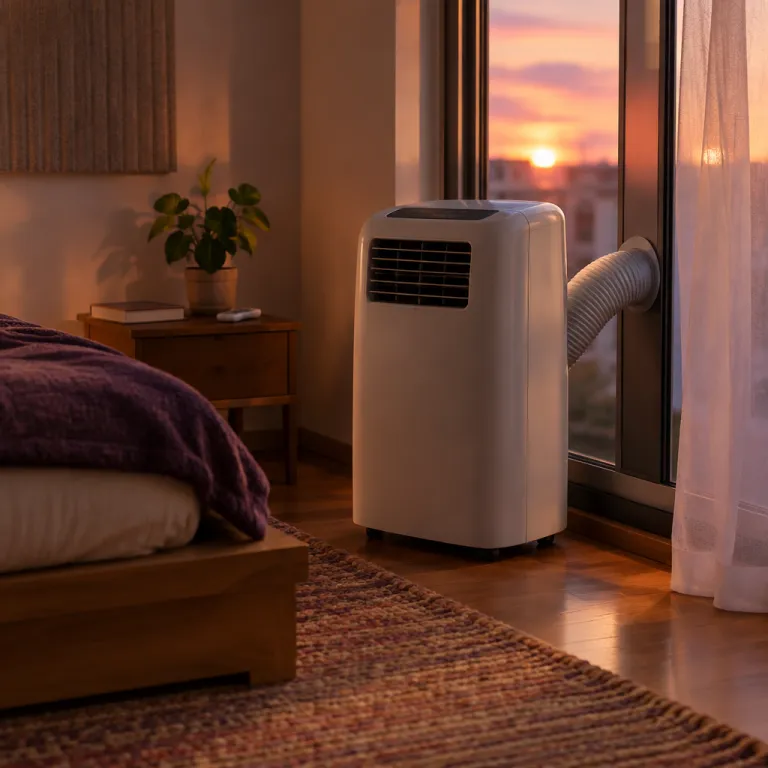
Why variable speed AC matters in portable air conditioners
Variable speed AC technology reshapes how a portable air conditioner handles heat and moisture. Instead of a single-speed compressor that snaps on at full power and then shuts off abruptly, an inverter-driven variable-speed compressor modulates its output to follow the indoor temperature and cooling demand. This smoother operating pattern keeps air conditioning more stable, reduces sudden noise spikes from the unit, and improves overall comfort for people who are sensitive to sound.
In a traditional single-stage air conditioner, the compressor runs at maximum capacity whenever the HVAC system calls for cooling. These fixed-speed units blast cold air at full output, overshoot the target temperature, then shut down, which can hurt perceived air quality and leave humidity too high in compact rooms. By contrast, inverter systems ramp up and down gradually, so portable air conditioners maintain a steadier temperature with less wasted energy and fewer abrupt acoustic changes.
For quiet and energy-efficient portable air conditioners, this variable-speed approach is crucial to long-term performance. A well-designed inverter compressor can cut energy cost compared with a basic single-stage unit, especially in climates where the heat and humidity fluctuate during the day. When you evaluate variable-speed technology in compact air conditioners, pay attention to how low the compressor can modulate, because the minimum operating speed often determines how quietly the conditioner can run at night and how effectively it can manage humidity.
How variable speed systems reduce noise and improve comfort
Noise is often the first complaint about portable air conditioners in bedrooms or home offices. With a fixed single-stage compressor and fan, the system tends to start at high speed, creating a sharp burst of sound every time the cooling cycle begins. Variable-speed ACs avoid this by letting the inverter compressor start gently, then increase only as much as the indoor air actually needs, which smooths out the sound profile over time.
In practice, this means the conditioner can operate most of the time at a lower airflow setting, which keeps both mechanical noise and air movement noise down. Because the variable-speed system does not constantly jump between off and full power, the sound level feels more like a soft background hum than a disruptive roar from portable air conditioners. For people working near their HVAC system or sleeping lightly, this difference in compressor speed and sound can be the deciding factor between comfort and frustration, especially during long overnight runs.
Energy efficiency also improves when inverter ACs run steadily instead of in short, high-intensity bursts. A variable-speed air conditioner can hold the room temperature within a narrow band, so your body perceives fewer swings between heat and chill. If you are comparing quiet and energy-efficient models, look for portable conditioners that pair a variable-speed compressor with multiple fan-speed settings and a dehumidifier mode, such as a 4-in-1 portable air conditioner dehumidifier with smart controls and fine-grained compressor modulation.
Managing humidity and indoor air quality with variable speed ACs
Humidity control is where variable-speed AC technology often outperforms basic single-stage systems in real homes. When a single-speed air conditioner cools the air too quickly and then shuts off, it may not run long enough for the coils to remove much moisture from the indoor air. Inverter-driven compressors keep the conditioner running at a lower, continuous output, which extends contact time between warm air and the cold evaporator surface and supports more consistent dehumidification.
This longer interaction time improves moisture removal, so the air conditioning process feels more comfortable even at a slightly higher temperature. Lower humidity lets your body shed heat more efficiently, which means you can raise the thermostat on your HVAC system by one or two degrees Celsius without losing comfort. Over a cooling season, that small change in set temperature can translate into meaningful energy cost savings, especially when combined with an energy-efficient compressor and fan design that are sized correctly for the room.
Better humidity control also supports healthier air quality in compact spaces where portable air conditioners are common, such as bedrooms, rented flats, or caravans. When the air is too damp, mould and dust mites thrive, and a variable-speed AC that runs gently for longer periods helps keep relative humidity in the ideal 40 to 60 percent range cited by indoor air quality guidelines. For people using portable units in very small rooms or even in an RV, a split-style portable inverter system can combine low noise, strong dehumidification, and flexible installation without the bulk of a traditional monoblock unit.
Comparing variable speed ACs, single stage units, and heat pumps
When you compare cooling technologies, it helps to understand how variable-speed ACs differ from single-stage air conditioners and modern heat pumps. A single-stage unit has only one compressor speed, so the system either runs at full power or not at all, which can waste energy and reduce comfort. Variable-speed systems, by contrast, use inverter-driven compressors that can adjust speed in small steps, allowing the HVAC system to match output to the exact heat gain in the room and avoid frequent on–off cycling.
Heat pumps add another layer, because they can reverse the refrigeration cycle to provide both cooling and heat from the same appliance. Many portable heat pump models still rely on single-speed compressors, but higher-end designs are starting to integrate inverter technology for better energy efficiency in both modes. If you live in a mild climate and use a portable heat pump as a primary system, choosing a variable-speed heat pump can reduce annual energy cost while keeping indoor air more stable across seasons and reducing reliance on direct electric heaters.
For people who only need spot cooling in one room at a time, a variable-speed portable air conditioner can be more practical than a whole-home HVAC system upgrade. These conditioners let you cool the occupied space while leaving the rest of the dwelling at a higher temperature, which is an effective strategy for cutting total energy use. When you read product labels, look for clear information about compressor type, modulation range, and whether the model operates as a simple air conditioner, a combined air conditioning and dehumidifier, or a reversible heat pump system with both heating and cooling modes.
Evaluating energy efficiency, running cost, and real world performance
Energy efficiency ratings give you a starting point when comparing variable-speed ACs, but real-world cost depends on how you operate the system. Portable air conditioners with inverter compressors often achieve higher seasonal efficiency because they avoid the frequent on–off cycling that plagues single-stage units. When the compressor can hold a steady temperature at lower speed, it reduces electrical losses and keeps the air conditioning process closer to its optimal performance point under typical household conditions.
To translate efficiency into euros saved, consider both the rated power draw and the number of hours you expect the conditioner to operate at high load. A variable-speed air conditioner that runs most of the time at half speed can use significantly less energy than a cheaper single-stage unit that constantly jumps to full output. Over several summers, the lower electricity cost can offset the higher purchase price of energy-efficient inverter systems, especially in regions with expensive power or where cooling seasons are long.
Real-world performance also depends on how well you manage temperature settings, window sealing, and exhaust hose placement for portable air conditioners. Keeping blinds closed during peak heat, sealing gaps around the window kit, and avoiding sharp bends in the exhaust hose all help the HVAC system maintain indoor air conditions with less effort. When you are ready to compare specific quiet and efficient models, a concise specification table that lists capacity, noise rating, compressor type, and dehumidification rate can make it easier to see how variable-speed features translate into day-to-day comfort.
Practical buying checklist for quiet, variable speed portable conditioners
Choosing the right variable-speed portable air conditioner starts with matching capacity to room size. Oversized units cool the air too quickly, cycle off, and leave humidity high, while undersized conditioners run at maximum speed all the time and still struggle to control heat. Aim for a balanced system where the inverter compressor can spend much of the day at a mid-range output, which is usually the quietest and most efficient operating point for portable cooling.
Next, examine how the HVAC system handles airflow, filtration, and controls, because these details shape everyday comfort. Look for multiple fan-speed settings, washable filters that support better air quality, and smart thermostats or remote sensors that measure temperature near where you actually sit or sleep. A good variable-speed AC should let you fine-tune both temperature and humidity, with clear digital feedback so you can see how the system responds over time and adjust settings to your preferences.
Finally, consider noise ratings, exhaust configuration, and any extra features that affect how the conditioner will operate in your specific space. Side or rear exhaust may suit some windows better than others, and a dual-hose design can reduce negative pressure that pulls hot outdoor air back into the room. If you often move the unit between rooms, check the weight, handle design, and cord length, because these practical factors can matter as much as headline energy efficiency numbers when you live with the air conditioner every day.
Key figures on variable speed portable air conditioners
- Inverter-based variable-speed air conditioners typically improve seasonal energy efficiency by around 15 to 25 percent compared with similar single-stage units, according to field tests and manufacturer data from major HVAC brands such as Daikin and Mitsubishi Electric that report higher SEER and SCOP ratings for inverter models.
- Noise levels for quiet portable conditioners with variable-speed compressors can fall below 45 dB on low fan settings in standardized sound tests, which is comparable to a quiet library and significantly lower than many older units that exceed 55 dB in independent lab measurements published by consumer testing organisations.
- Maintaining indoor humidity between 40 and 60 percent, as recommended by bodies such as ASHRAE and many public health agencies, can make a room feel comfortable at temperatures 1 to 2 °C higher, which allows a variable-speed AC to run at lower power and reduce annual energy cost.
- Dual-hose portable air conditioning systems can improve effective capacity by up to 10 to 15 percent over similar single-hose systems in controlled chamber tests, because they reduce the amount of hot outdoor air drawn into the room and keep indoor pressure closer to neutral.
- Modern portable heat pumps with inverter compressors can deliver roughly two to three units of heat for every unit of electricity consumed in mild weather, based on typical coefficient of performance (COP) values reported in product datasheets, making them more efficient than direct electric heaters for shoulder-season use.
FAQ about variable speed AC in portable air conditioners
Is a variable speed portable air conditioner worth the higher price ?
For most people who run their portable air conditioners many hours per day, a variable-speed AC is worth the extra upfront cost. The improved energy efficiency and smoother temperature control usually reduce electricity bills enough over several seasons to close the price gap with single-stage models. You also gain quieter operation and better humidity control, which can significantly improve comfort in bedrooms and home offices where background noise and dampness are especially noticeable.
Can a variable speed portable AC replace a central HVAC system ?
A variable-speed portable air conditioner is designed for spot cooling, not for replacing a whole-home HVAC system. It works best when you cool one or two occupied rooms at a time and accept warmer temperatures elsewhere in the dwelling. If you need consistent comfort across many rooms, a central variable-speed system or multi-split heat pump setup is usually more appropriate and will distribute conditioned air more evenly.
How do I know if a portable AC really uses variable speed technology ?
Manufacturers often label true variable-speed ACs as inverter-driven or variable-speed compressor systems in the specifications. Look for descriptions that mention modulation, multiple compressor stages, or continuous speed adjustment rather than simple high and low modes. If the documentation only refers to fan speeds and not compressor control, the unit is likely a single-stage air conditioner that cannot vary compressor output.
Are variable speed portable ACs harder to maintain than single stage units ?
Routine maintenance for variable-speed portable air conditioners is similar to that for single-stage models. You still need to clean or replace filters regularly, drain condensate when required, and keep the exhaust hose and window kit properly sealed. The internal electronics are more sophisticated, but they are sealed from the user, so day-to-day care remains straightforward and does not require specialist tools.
Can a portable heat pump with variable speed technology heat efficiently in winter ?
A portable heat pump with a variable-speed compressor can heat efficiently in mild to cool weather, especially in well-insulated rooms. As outdoor temperatures drop close to freezing, the heat pump may lose capacity and rely more on backup electric resistance elements if present. For very cold climates, it is usually better to treat a portable heat pump as a shoulder-season solution and rely on a dedicated heating system in deep winter for reliable comfort.
