Sizing your portable unit for bedrooms, offices, and multi use rooms
Getting the size right is the deepest challenge when choosing the best 12000 BTU portable air conditioners. A 12000 BTU portable unit can cool a typical bedroom or office, but large open plan rooms or spaces with poor insulation may need higher BTU SACC capacity. If the room is under 20 m², a full 12000 BTU portable air conditioner might short cycle, turning on and off too often and wasting energy while leaving humid air.
Think about how many people use the room during the day and how much equipment adds heat. A home office with several computer screens, a gaming console, and a closed door can feel much warmer than a quiet guest room of the same size. In such cases, a 12000 BTU portable air conditioner with strong airflow and an efficient window kit can maintain stable cooling without running at maximum speed all day.
Some buyers compare conditioners portable models on Amazon or at Best Buy only by stars and price. Yet two units with the same BTU ASHRAE rating can behave very differently because of exhaust design, fan motors, and how tightly the window mount seals the opening. Reading detailed reviews about noise, remote control responsiveness, and ease of installation often reveals more than a quick glance at stars on Amazon.
People who hesitate between a portable air conditioner and a mini split should consider building constraints and usage patterns. A mini split offers efficient cooling and heating but requires professional installation, while a 12000 BTU portable unit can move between rooms and needs only a suitable window. For very dry climates, pairing a portable air conditioner with an evaporative air cooler such as the model tested in this in depth evaporative cooler review can balance comfort across different rooms.
Key features that separate average and best 12000 BTU portable air conditioners
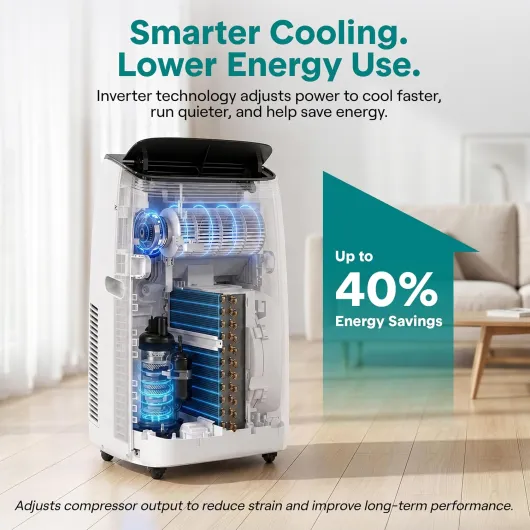
Beyond raw BTU numbers, the best 12000 BTU portable air conditioners stand out through thoughtful design and durable components. The quality of the compressor, fan motor, and airflow path determines how quietly and efficiently the portable air conditioner moves cool air across the room. Detailed engineering of the exhaust system also affects how well the unit expels hot air outdoors through the window kit without recirculating it indoors.
Models like the Whynter ARC series or the Midea Duo line illustrate how design can change real performance. A Whynter ARC portable air conditioner often uses dual hose technology, drawing fresh air from outside and reducing negative pressure in the room, which helps maintain stable cooling. The Midea Duo portable air conditioners integrate the hose within the chassis, improving aesthetics and reducing air leaks around the window mount when installed carefully.
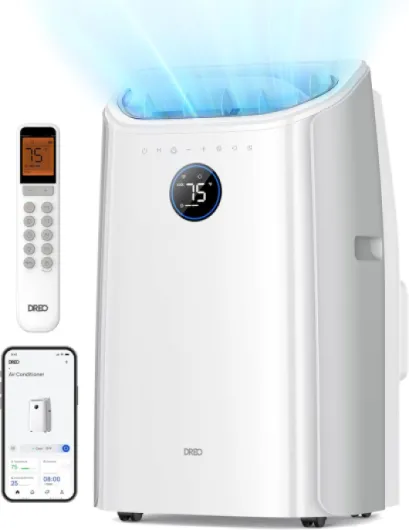
Smart portable features deserve close attention because they influence daily comfort and control. A reliable remote control with clear buttons and a readable screen lets you adjust temperature, fan speed, and mode without walking across the room, which matters at night or during work calls. App based control can extend this convenience, allowing you to start the portable air conditioner before you arrive at the office or to reduce cooling when the day turns cooler.
Noise levels, condensate management, and filter access also separate the best 12000 BTU portable air conditioners from basic conditioners portable units. Some units offer self evaporative systems that reduce the need to empty water tanks, while others require manual draining on very humid days. For a deeper technical view of how fan motors influence airflow and efficiency in portable air conditioners, this analysis of how air conditioner fan motors impact portable cooling provides useful context for comparing units.
Installation, window kits, and everyday use in real rooms
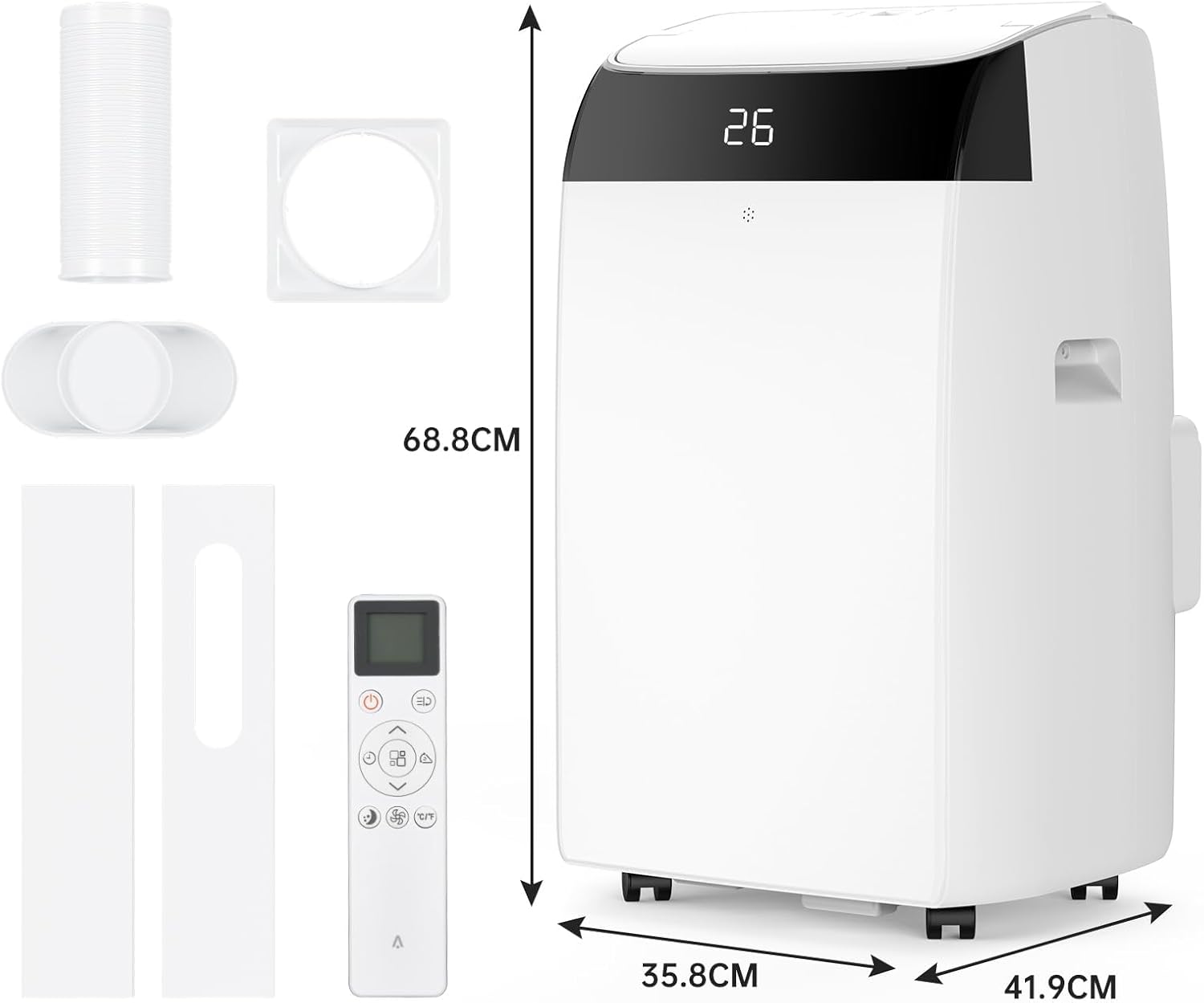
Even the best 12000 BTU portable air conditioners can disappoint if installation is rushed or incomplete. The window kit must seal tightly around the exhaust hose so that hot air leaves the room and does not leak back inside, undermining the cooling effect. Poorly fitted window mount panels can also allow insects, dust, and humid air to enter, forcing the portable air conditioner to work harder all day.
Before installing any 12000 BTU portable unit, measure the window opening and check whether it slides vertically or horizontally. Many window kit designs assume a vertical sash window, so owners of sliding windows may need extra foam strips or adapter pieces to achieve a secure seal. When the window kit fits correctly, the portable air conditioner can maintain negative pressure control without drawing too much warm air from adjacent rooms.
Placement inside the room matters as much as the window mount itself. Keep the portable air conditioner at least several centimetres from walls so that intake air flows freely and the exhaust hose does not kink, which would trap hot air. Aim the cool air stream toward the centre of the room rather than directly at curtains or furniture that could block airflow and reduce effective cooling.
Daily habits also shape long term satisfaction with conditioners portable models. Closing doors and blinds during the hottest part of the day reduces heat gain, allowing a 12000 BTU portable air conditioner to maintain comfort at a moderate setting instead of maximum power. Regularly cleaning the air filter and checking the condensate drain help preserve both air quality and the rated BTU SACC performance over many seasons of use.
Smart control, energy use, and multi room flexibility
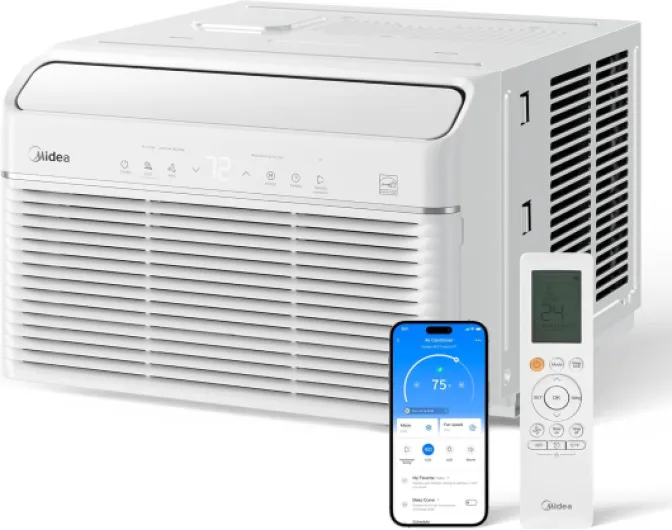
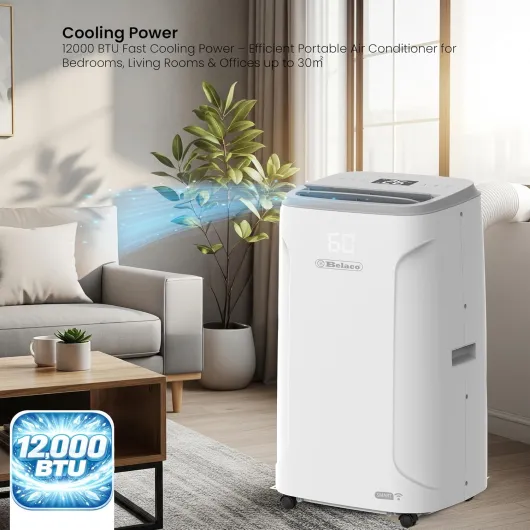
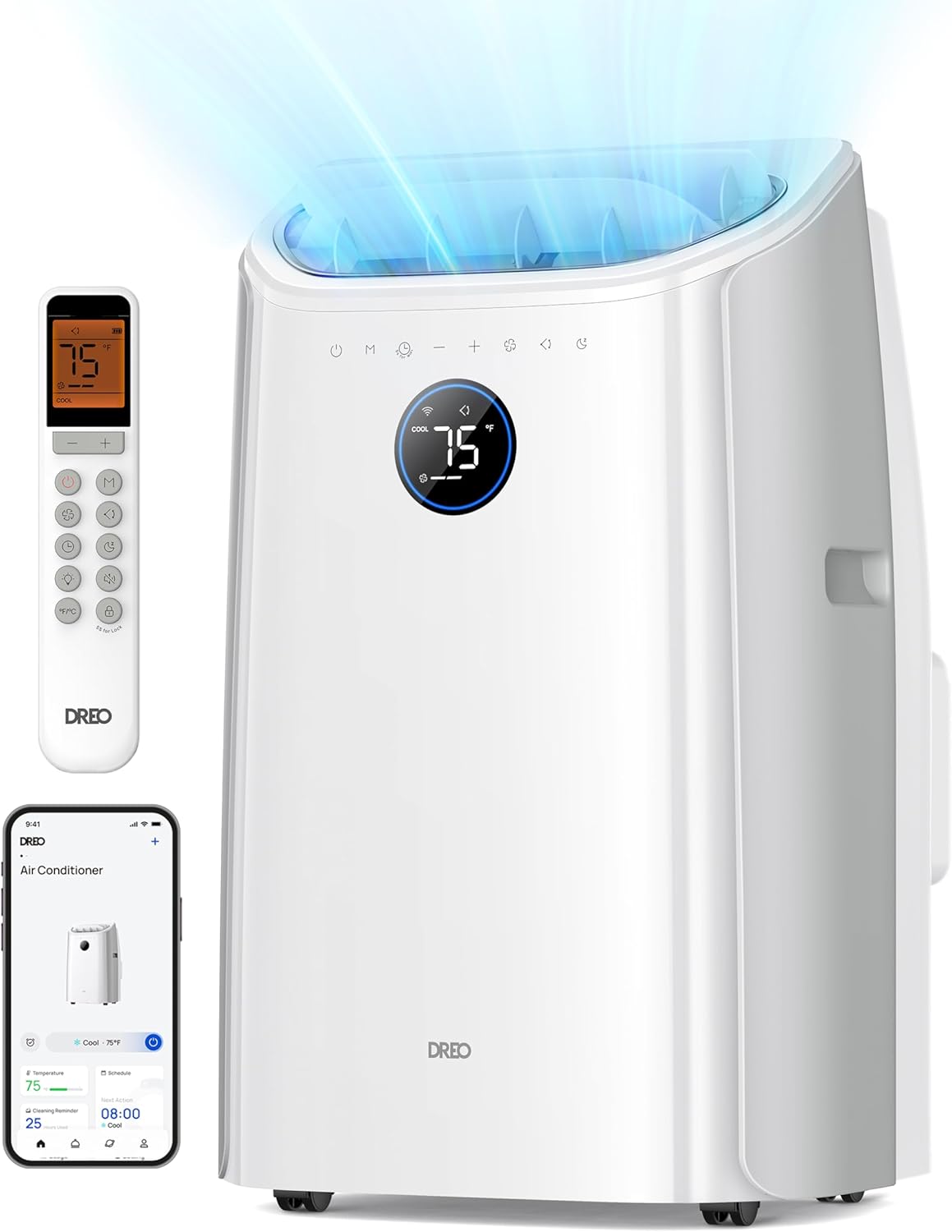
Modern buyers expect the best 12000 BTU portable air conditioners to combine strong cooling with intelligent control. A smart portable air conditioner can connect to home Wi Fi, enabling scheduling, geofencing, and energy monitoring through a mobile app or voice assistant. These features allow you to cool the room only when needed, which can reduce electricity use while keeping the air comfortable.
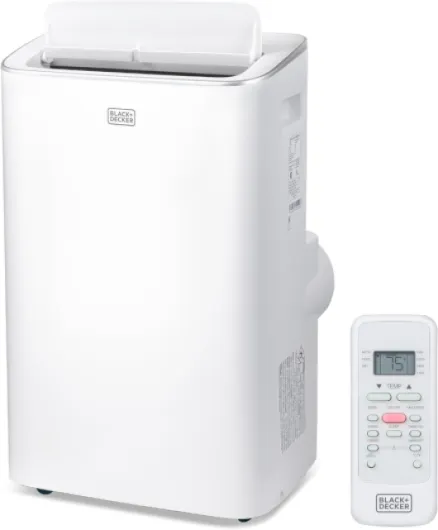
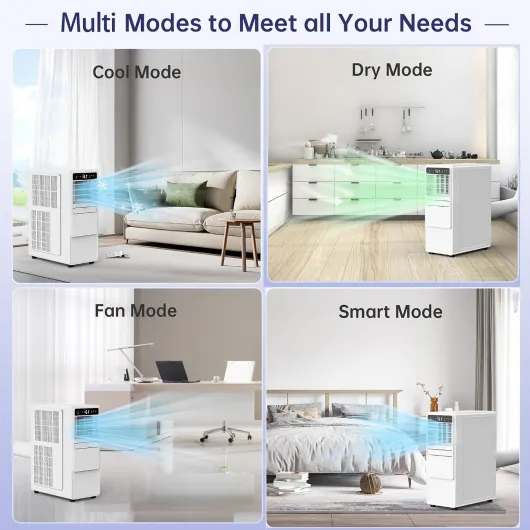
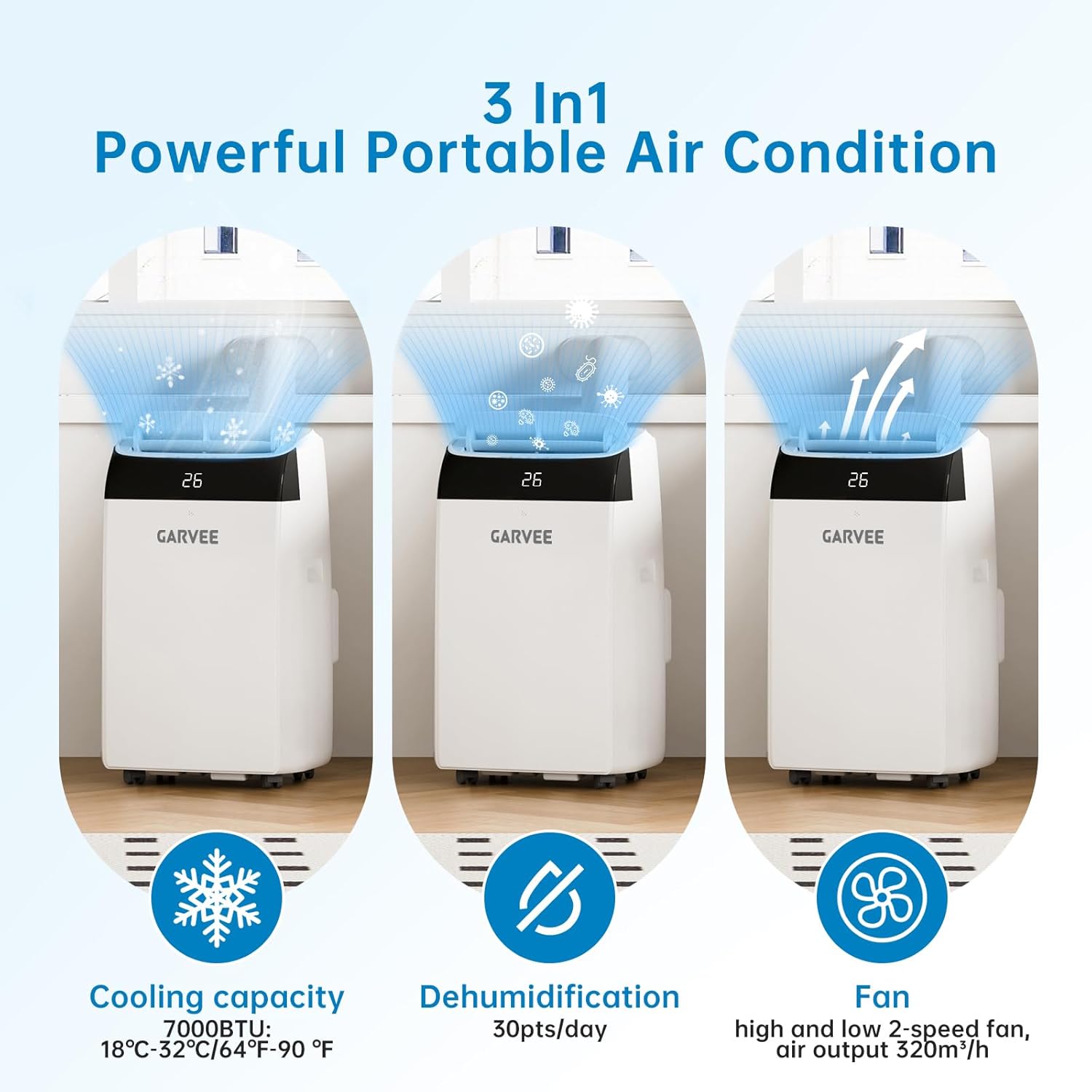
Remote control remains essential even when smart features are present. A well designed remote control lets you adjust temperature, fan speed, and mode from bed, sofa, or office chair without interrupting your activity. When comparing conditioners portable units, check whether the remote control includes a display, a timer button, and quick access to dehumidification mode for very humid days.
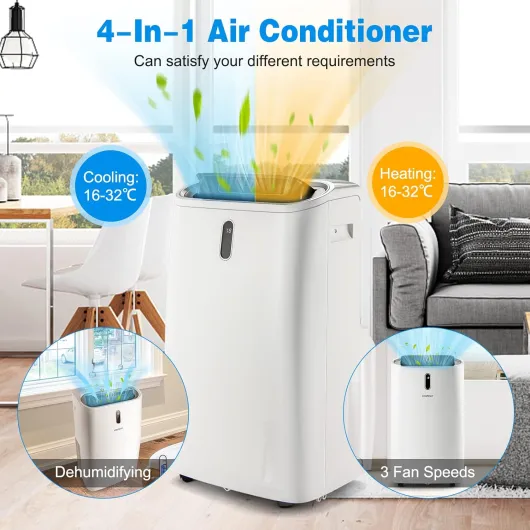
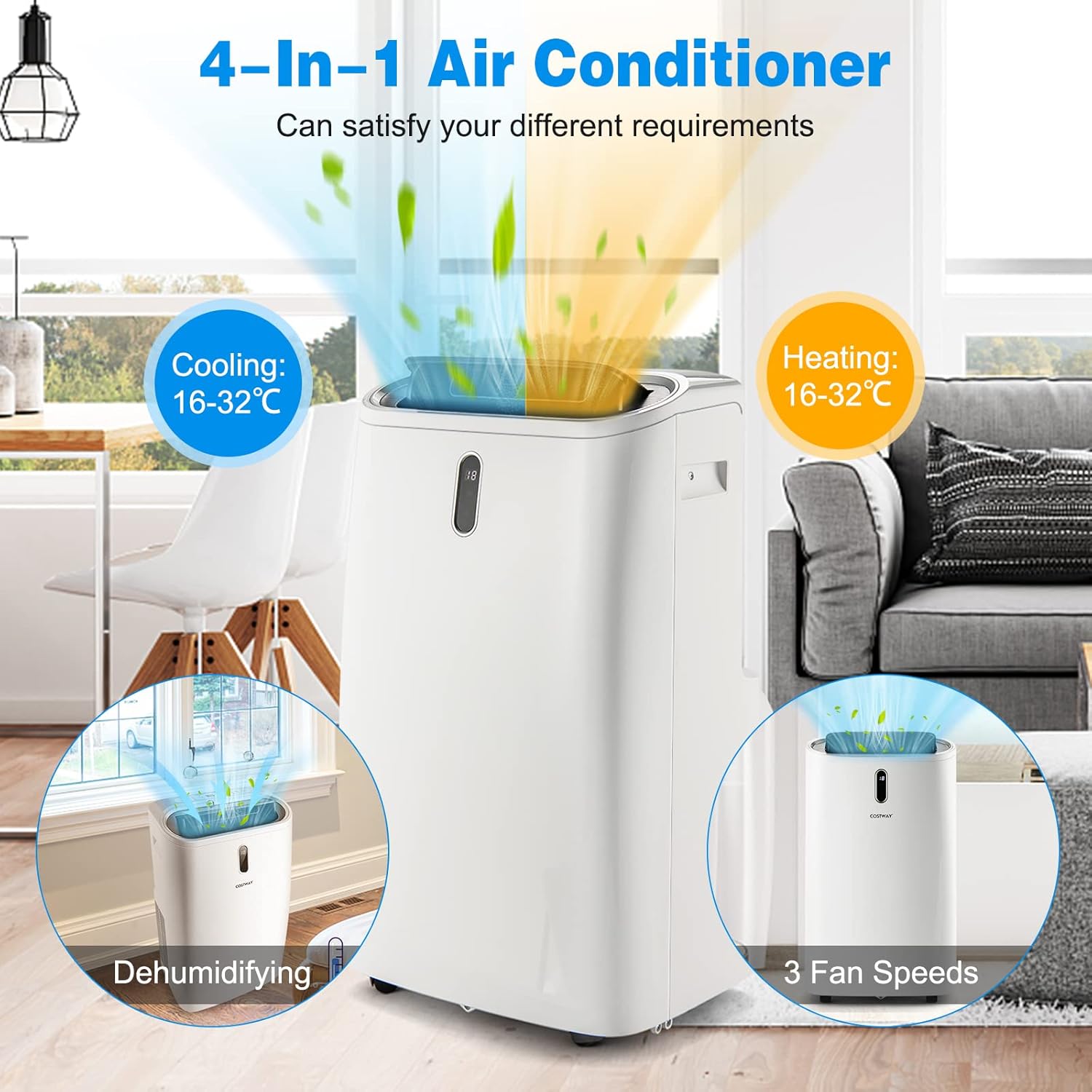
Some 12000 BTU portable air conditioners include a conditioner heater function, offering both cooling and supplemental heating in a single portable unit. This versatility can be valuable in small offices or guest rooms where installing a full mini split or central system is impractical. However, the heating capacity may differ from the cooling BTU rating, so read the specifications carefully before relying on a conditioner heater as the primary heat source.
Multi room flexibility is another reason many people choose portable air conditioners instead of fixed systems. You can roll a 12000 BTU portable unit from the living room during the day to the bedroom at night, provided each room has a suitable window kit installed. For readers interested in how portable cooling compares with other home electronics in terms of power draw and noise, this detailed test of console power and cooling impact offers a useful benchmark for everyday energy planning.
Comparing leading models, brands, and where to buy
When evaluating the best 12000 BTU portable air conditioners, it helps to compare specific product families. The Whynter ARC range, for example, is known for dual hose designs that improve air exchange efficiency and reduce the risk of drawing warm corridor air into the cooled room. Many Whynter ARC units also feature higher BTU SACC ratings relative to their BTU ASHRAE numbers, signalling better real world performance.
The Midea Duo series takes a different approach by integrating the hose into the chassis and refining the window kit for easier installation. Users often praise these Midea Duo portable air conditioners for quieter operation and more stable temperature control across medium sized rooms. Both Whynter ARC and Midea Duo lines illustrate how engineering choices can turn a standard 12000 BTU portable unit into a standout performer among conditioners portable models.
Retail channels also influence how people judge the best 12000 BTU portable air conditioners. On Amazon, shoppers rely heavily on stars and written reviews, which can highlight recurring issues with remote control durability, window mount stability, or noise. At Best Buy, in store displays allow you to see the size of the portable air conditioner, inspect the window kit, and feel the build quality of buttons and casters before committing.
Colour, design, and finish may seem secondary, yet they affect how a portable air conditioner blends into living spaces. A white portable air conditioner often looks discreet in bedrooms and offices, while darker units may suit media rooms or studios where screens dominate. Whether you buy from Amazon, Best Buy, or a local specialist, focus on BTU SACC, noise levels, and long term service support rather than only on price or appearance when selecting among multiple 12000 BTU portable air conditioners.
Maintenance, lifespan, and when to consider alternatives
Long term satisfaction with the best 12000 BTU portable air conditioners depends on simple but regular maintenance. Cleaning or replacing air filters every few weeks during heavy use keeps airflow strong and prevents dust from coating the evaporator coils inside the portable air conditioner. When coils stay clean, the unit can deliver its rated BTU SACC cooling capacity without wasting energy or producing stale smelling air.
Check the condensate management system at least once a month, especially in humid climates or heavily used rooms. Some conditioners portable models rely on self evaporation, while others need manual draining through a plug or hose, and ignoring this step can trigger safety shutoffs or leaks. Inspect the exhaust hose and window kit for cracks or gaps, because even small leaks of hot air can reduce the effective cooling of a 12000 BTU portable unit.
Over time, you may notice that the portable air conditioner takes longer to cool the room or that the compressor cycles more frequently. These signs can indicate reduced refrigerant charge, fan motor wear, or clogged internal passages, which usually require professional service rather than do it yourself repair. If the unit is old and uses outdated refrigerant, replacing it with a modern 12000 BTU portable air conditioner that meets current BTU DOE standards may be more economical.
In some homes, a mini split or central system eventually becomes a better option than relying solely on portable air conditioners. However, a well maintained 12000 BTU portable unit remains valuable for spot cooling, backup use during heatwaves, or targeted comfort in home offices and guest rooms. By respecting BTU ratings, maintaining clean airflow, and using smart control features wisely, you can extend the lifespan and comfort benefits of your portable air conditioner for many seasons.
Key statistics about portable air conditioners
- Up to 30 percent of a portable air conditioner’s cooling capacity can be lost through poorly sealed window kits and exhaust leaks in real rooms.
- Dual hose 12000 BTU portable air conditioners typically deliver 10 to 20 percent higher effective BTU SACC performance than comparable single hose units in similar conditions.
- Smart portable air conditioners with scheduling and remote control features can reduce daily energy use by 10 to 25 percent when users optimise setpoints and operating hours.
- Regular filter cleaning can maintain up to 95 percent of the original airflow in portable air conditioners, significantly extending compressor life and preserving BTU DOE efficiency.
- In small offices, a single 12000 BTU portable unit can offset heat gains from two to three desktop computers and multiple occupants when correctly installed and maintained.
Common questions about 12000 BTU portable air conditioners
How large a room can a 12000 BTU portable air conditioner cool effectively ?
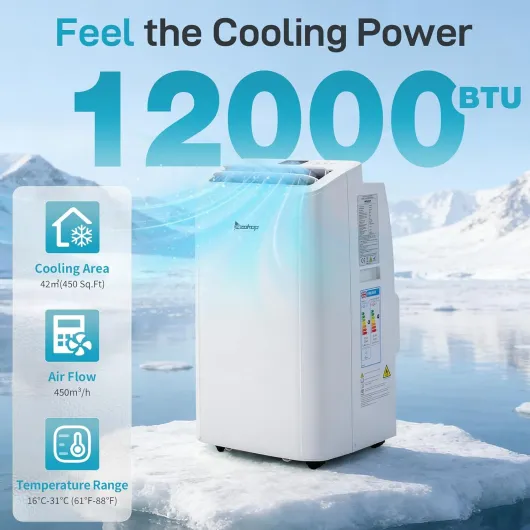
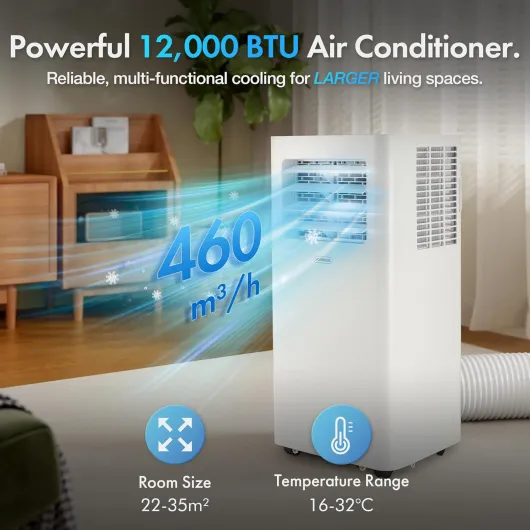
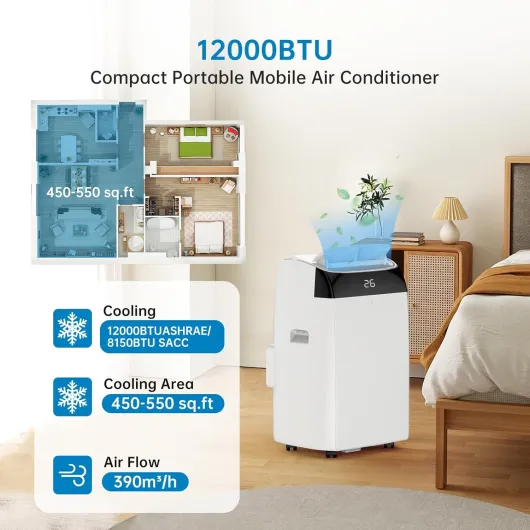
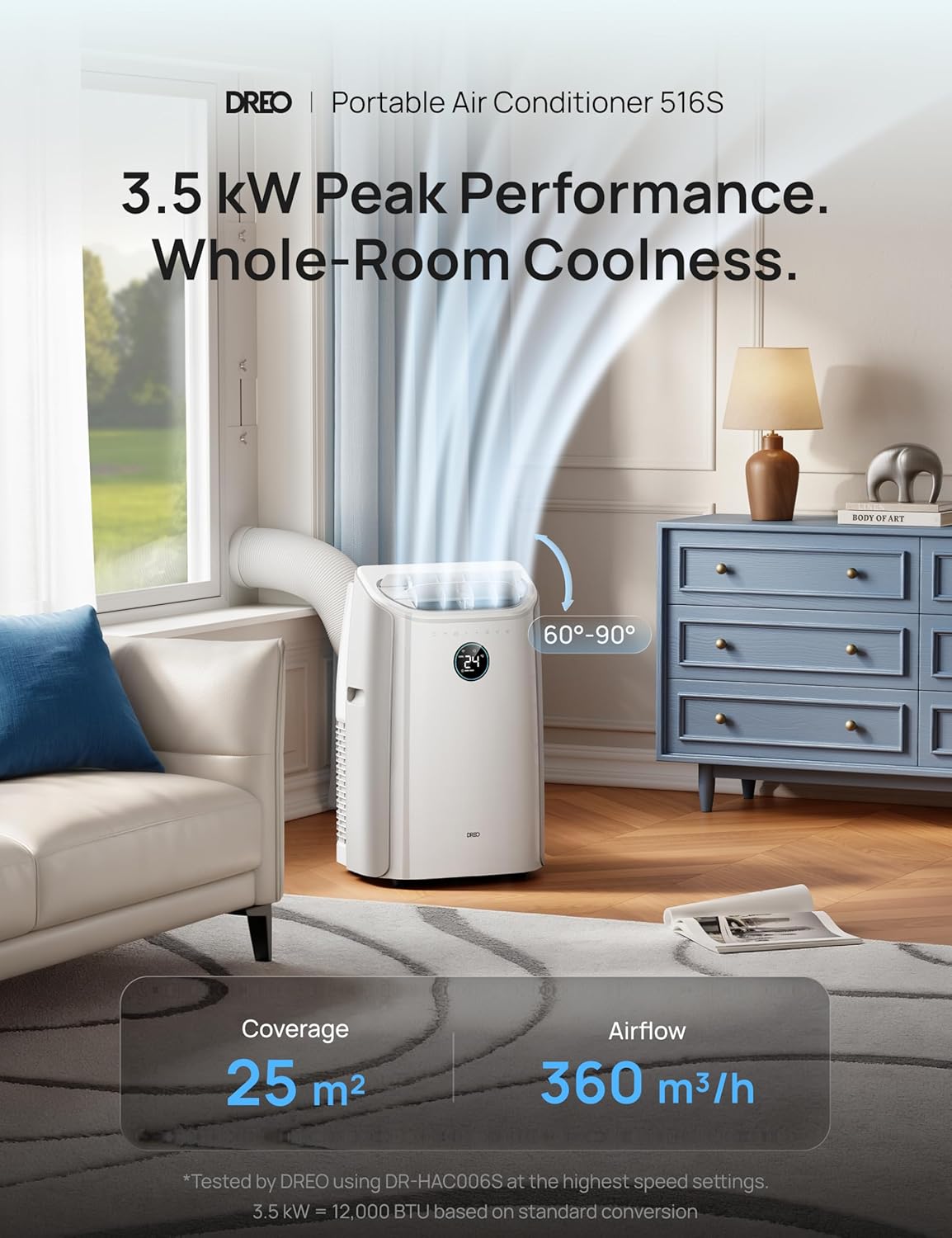
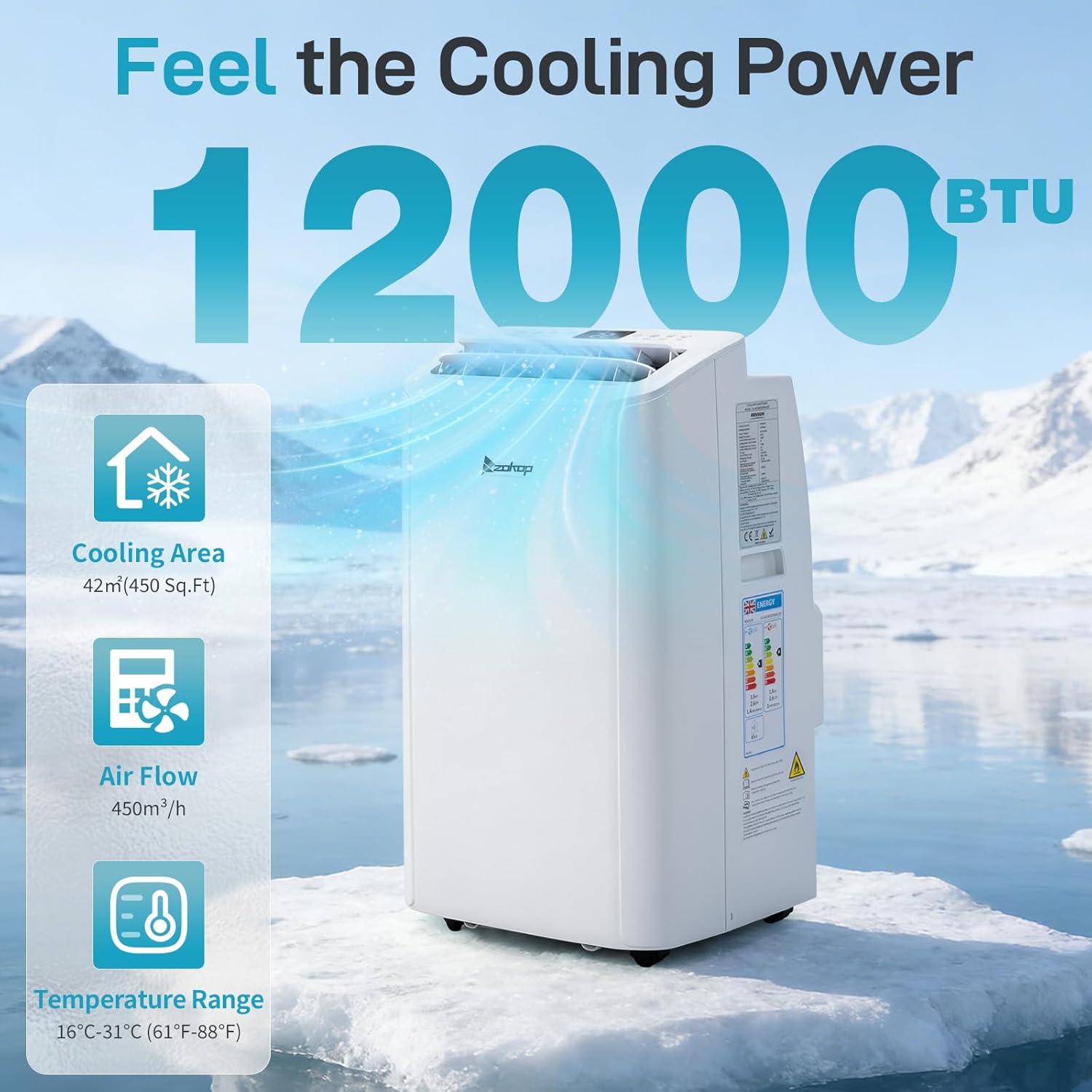
A 12000 BTU portable air conditioner usually cools between 25 and 35 m², depending on insulation, ceiling height, and sun exposure. Well insulated rooms with shaded windows sit at the upper end of this range, while lofts or sun exposed offices may require more BTU SACC capacity. Always compare both BTU ASHRAE and BTU SACC or BTU DOE ratings when estimating real world coverage.
Are dual hose portable air conditioners better than single hose units ?
Dual hose portable air conditioners often provide more stable cooling because they draw intake air from outside rather than from adjacent rooms. This design reduces negative pressure and limits the amount of warm air that sneaks back into the cooled space through gaps under doors. As a result, many dual hose 12000 BTU portable units deliver closer to their rated BTU SACC performance in everyday use.
What is the difference between BTU ASHRAE, BTU SACC, and BTU DOE ratings ?
BTU ASHRAE is an older laboratory rating that does not fully account for heat losses through exhaust hoses and infiltration. BTU SACC and BTU DOE are newer metrics that adjust for these real world factors, usually resulting in lower but more realistic numbers for portable air conditioners. When comparing the best 12000 BTU portable air conditioners, prioritise higher BTU SACC or BTU DOE values over BTU ASHRAE alone.
Can a portable air conditioner also heat a room effectively ?
Some portable air conditioners include a conditioner heater function that uses a heat pump or electric resistance element. These models can provide useful supplemental heating in small rooms, but their heating output may not match the cooling BTU rating. For primary heating, a dedicated system such as a mini split or central heater usually offers better efficiency and comfort.
How noisy are 12000 BTU portable air conditioners in bedrooms and offices ?
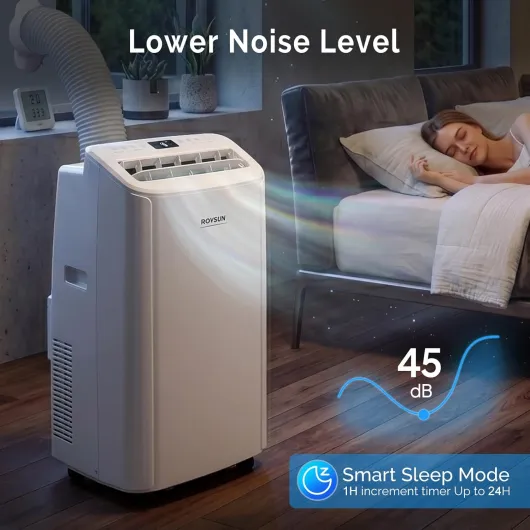
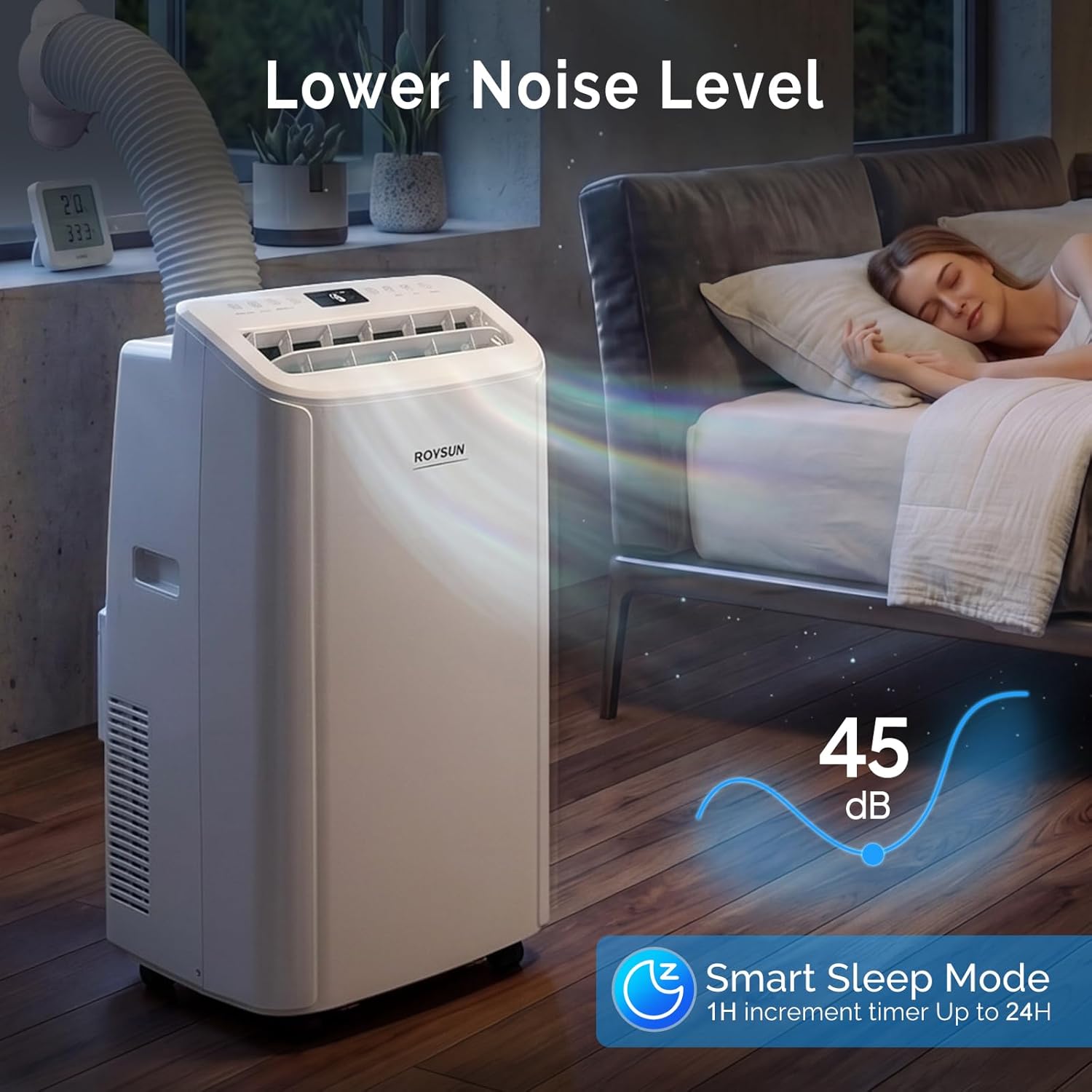
Noise levels for 12000 BTU portable air conditioners typically range from about 50 to 60 dB on lower fan speeds. In bedrooms, many people tolerate units at the lower end of this range, especially if the sound is steady and free of rattles. Checking detailed reviews and, when possible, hearing a running unit in store can help you judge whether a particular portable air conditioner suits your noise tolerance.


![4-in-1 Portasplit Air Conditioner with Heat Pump, 12000 BTU 3.5kW, Only 39dB(A) in Silent Mode, Cooling A++/Heating A+, Smart WiFi Control, for Rooms up to 42m²/105m³ [Energy Class A++] White Midea Portasplit 12000 BTU](https://www.portable-air-conditioner-guru.com/storage/895575/conversions/71LclLP-L1L._AC_SL1500_-medium.webp)


![4-in-1 Portasplit Air Conditioner with Heat Pump, 12000 BTU 3.5kW, Only 39dB(A) in Silent Mode, Cooling A++/Heating A+, Smart WiFi Control, for Rooms up to 42m²/105m³ [Energy Class A++] White Midea Portasplit 12000 BTU](https://www.portable-air-conditioner-guru.com/storage/895575/71LclLP-L1L._AC_SL1500_.jpg)

