Why your portable air conditioner smells musty when it starts
When you ask why does my AC smell musty, you are really asking how air, moisture, and hidden dirt interact inside a compact cooling unit. A portable air conditioner is a mostly closed hvac system that pulls humid air across cold evaporator coils, and that process can quietly create perfect conditions for mold growth, bacterial contamination, and musty odors if maintenance slips even a little. Once those musty smells appear, every time the unit starts you push stale indoor air and microscopic mold bacteria or other organisms back into the room.
In a typical portable air conditioning setup, warm humid air enters the front grille and passes through air filters before it reaches the evaporator coil. If those air filters are dirty or clogged, the system traps more moisture and dust, and that combination feeds mold, mildew, and other microbial growth that clings to the metal fins and plastic drain pan surfaces. Over weeks, the conditioner smells change from faintly damp to a strong musty smell that lingers long after you switch the unit off and the air conditioning cycle ends.
Because the unit is self contained, even a small amount of standing water in the base can create a persistent musty odor problem. The internal drain system is designed to move excess moisture either to a drain pan, a hose, or an internal tank, but any blockage leaves water pooling around wiring, insulation, and plastic parts. That stagnant water warms slightly during each air conditioning cycle, releasing musty odors and allowing mold, bacteria, and other organisms to spread through the hvac system components inside the portable air conditioner.
How moisture, humidity, and standing water create musty smells
To understand why does my AC smell musty in damp weather, you need to look closely at humidity and moisture management inside the conditioning system. Portable air conditioning units condense water on the cold evaporator coils, and that liquid should drain away quickly so it cannot become standing water that breeds mold mildew and unpleasant smells. When the drain path fails, the unit becomes a miniature swamp where mold growth and musty odors are almost inevitable.
High indoor air humidity, especially in small rooms, means the air conditioner must pull more water from the air during each cooling cycle. That extra load increases the volume of excess moisture flowing toward the drain pan, and any partial blockage in the drain line or pump quickly leads to standing water hidden under the evaporator coil housing. Over time, that trapped water mixes with dust and organic debris, creating a sticky film where mold, mildew, and other microbial growth thrive and release a persistent musty smell into the air stream.
When humid air repeatedly passes over dirty evaporator coils, the metal surfaces lose efficiency and stay wet longer after each cycle. That extended dampness allows mold spores and bacteria to colonize fins, plastic shrouds, and even the foam insulation that lines the hvac system compartment, which is why conditioner smells often worsen after a rainy week. If you want a deeper technical explanation of how ultraviolet treatment can limit this process and protect indoor air quality, you can read a detailed guide on ultraviolet air conditioners and indoor air health that examines how UV light disrupts mold and bacteria inside air conditioning equipment.
Hidden dirt, clogged drains, and the role of regular cleaning
Many people only notice how dirty their portable air conditioner has become when they finally ask why does my AC smell musty every time it runs. Dust, pet hair, and textile fibers slowly coat the air filters, then migrate to the evaporator coil and the drain pan once the filters clog, turning the entire unit into a source of stale odors. At that point, the hvac system inside the cabinet is no longer just cooling air, it is recirculating a mixture of fine debris, microbial growth, and damp smells.
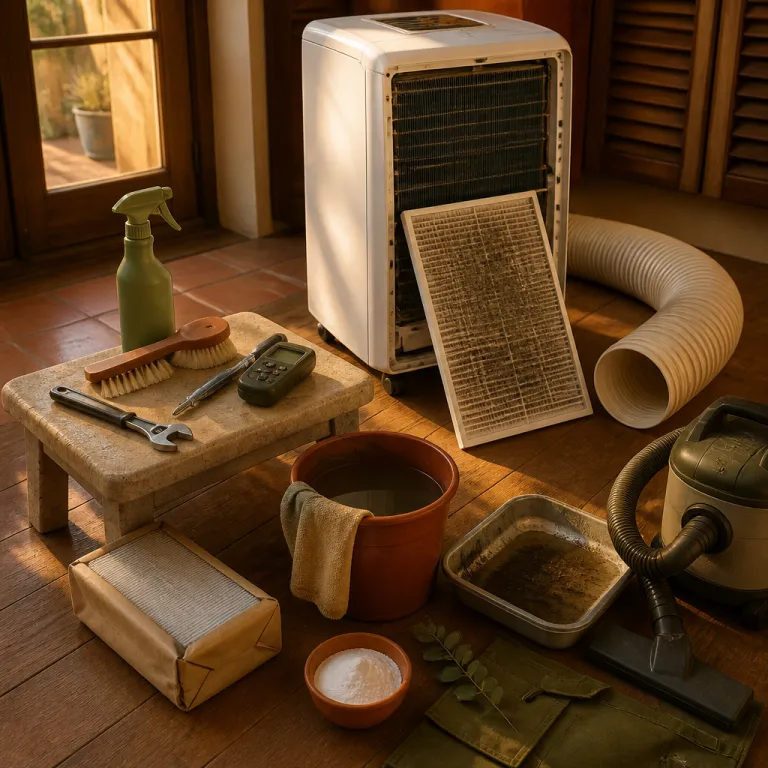
Cleaning starts with the basics, which means removing and washing the air filters in lukewarm water until they are completely clean and free of lint. When those air filters are neglected, the airflow drops, the evaporator coils run colder, and more moisture condenses and drips into the drain pan, increasing the risk of standing water and mold growth in the lowest part of the unit. A careful owner also wipes the accessible evaporator coil surfaces with a coil safe cleaner, because dirty fins hold moisture longer and intensify musty odors that spread through the indoor air.
Deeper maintenance focuses on the drain system, where a partially blocked drain hose or pump can trap water and create a hidden reservoir of musty smells. If you notice conditioner smells getting worse, gently flushing the drain line and checking for kinks or clogs can often restore proper water flow and reduce odors within a day. For readers who are already dealing with cooling problems alongside smells, a separate troubleshooting guide on why a portable AC blows air but the room stays hot explains how restricted airflow, dirty coils, and drain issues can simultaneously damage performance and air quality.
Portable AC design, room layout, and their impact on air quality
Room layout and how you position the portable air conditioner strongly influence both cooling performance and why does my AC smell musty in certain corners of the home. When the unit is pushed against a wall or sofa, the air intake struggles to pull enough air, and that starved airflow leaves evaporator coils colder and wetter for longer periods. Those conditions increase excess moisture on the metal surfaces and encourage mold growth, especially when the surrounding indoor air already carries high humidity from cooking or showers.
Placing the unit on an uneven floor can tilt the internal drain pan, causing water to collect in one corner instead of flowing smoothly toward the drain outlet. That small pocket of standing water becomes a concentrated source of musty odors, and every time the fan starts it lifts those smells and spreads them through the air conditioning stream. Over weeks, the conditioner smells become stronger, and the musty smell may cling to curtains, soft furnishings, and even clothing stored nearby.
Smart placement also affects how quickly humid air is removed from the room, which directly shapes overall air quality and comfort. If the exhaust hose is too long or sharply bent, hot moist exhaust air can leak back into the space, raising humidity and forcing the hvac system to condense even more water on the evaporator coil. For compact studios or single rooms, a dedicated guide on optimizing portable AC airflow in a studio apartment shows how careful hose routing and unit placement can reduce humidity pockets, limit microbial growth, and keep both the air and the unit itself fresher.
When to handle musty smells yourself and when to call a professional
Not every case of why does my AC smell musty requires a technician, but knowing your limits protects both safety and air quality. Simple tasks such as cleaning air filters, wiping accessible surfaces, and emptying the drain pan or internal tank are safe for most owners, provided the unit is unplugged and allowed to dry before reassembly. These steps often remove light musty smells caused by surface dust, mild humidity, and short term standing water.
There are clear warning signs that mean you should call a qualified hvac professional rather than keep experimenting. If you see visible mold growth deep inside the cabinet, notice rust around the evaporator coil, or smell strong musty odors even after a thorough clean, the problem likely involves hidden moisture damage or microbial growth in insulation and wiring channels. At that stage, a trained technician can open the hvac system safely, apply appropriate coil cleaners, check the drain system, and advise whether repair or replacement of the air conditioner is the more sensible option.
Scheduling regular maintenance is also wise if anyone in the home has asthma, allergies, or a compromised immune system, because musty smells often signal airborne particles that can aggravate symptoms. Many service companies offer an annual schedule service plan that includes coil cleaning, drain inspection, and air filters replacement, which keeps the air conditioning unit efficient and reduces the risk of recurring musty smell issues. When you call for help, describe any history of leaks, standing water, or previous conditioner smells, because that information helps the technician trace the source of the odors more quickly and accurately.
Practical maintenance routine to prevent future musty odors
Once you have solved the immediate question of why does my AC smell musty, the next step is building a simple routine that keeps the unit fresh. A consistent schedule protects the air conditioner from excess moisture, dirt buildup, and mold growth, while also improving indoor air quality and overall comfort. With a few monthly checks, you can usually prevent musty smells from returning and extend the life of the hvac system inside the portable unit.
Start by setting a reminder to clean or wash the air filters every two to four weeks during heavy use, because clean filters maintain airflow and keep evaporator coils drier between cycles. Inspect the drain pan and any external drain hose at the same time, making sure there is no standing water, slime, or debris that could block the drain and create new musty odors. If you notice even a faint musty smell when the air conditioning starts, take that as an early warning sign and read the maintenance section of your manual before the problem escalates.
Controlling room humidity is equally important, especially in small spaces where humid air lingers after showers or cooking. Using a separate dehumidifier, running bathroom fans, and slightly opening interior doors can reduce excess moisture, which means the evaporator coil dries faster and mold, bacteria, and other microorganisms have less time to colonize surfaces. If you prefer not to handle these tasks yourself, many service providers allow you to schedule service visits at the start and end of each cooling season, ensuring that conditioner smells, drain issues, and hidden mold or mildew are addressed before they affect your indoor air again.
Key statistics on musty AC smells, mold, and indoor air quality
- According to the United States Environmental Protection Agency (EPA), indoor air can be two to five times more polluted than outdoor air, and damp hvac systems with mold growth are a significant contributor to this gap in many homes.
- Data from the American Society of Heating, Refrigerating and Air Conditioning Engineers (ASHRAE) indicate that maintaining indoor relative humidity between 40 and 60 percent reduces mold growth potential and helps limit musty odors from air conditioning equipment.
- Industry surveys of residential service calls show that clogged drains and standing water in drain pans account for a substantial share of odor related complaints in small air conditioner units, especially portable and window models.
- Research published by the World Health Organization (WHO) links prolonged exposure to indoor dampness and microbial growth with increased respiratory symptoms, highlighting why persistent musty smells from hvac systems should never be ignored.
FAQ: portable AC musty smells and mold issues
Why does my portable AC smell musty when I first turn it on ?
A musty smell at startup usually means moisture has been sitting on dirty evaporator coils, in the drain pan, or in pockets of standing water inside the unit. When the fan starts, it blows air across mold growth and bacteria, carrying those odors into the room. Cleaning the air filters, drain system, and accessible coil surfaces often reduces the smell significantly.
Can a musty smelling air conditioner make me sick ?
Musty odors themselves are unpleasant, but the bigger concern is the mold, bacteria, and spores that often accompany them. People with asthma, allergies, or respiratory conditions can experience worsened symptoms when exposed to contaminated indoor air from a dirty hvac system. If the smell is strong or persistent, professional cleaning or inspection is advisable.
How often should I clean my portable AC to prevent musty odors ?
During the cooling season, washing or vacuuming the air filters every two to four weeks helps maintain airflow and reduce moisture retention on the evaporator coil. Inspecting and cleaning the drain pan and any drain hose at least once a month further limits standing water and mold growth. In very humid climates, more frequent checks may be necessary to keep conditioner smells under control.
What should I do if cleaning does not remove the musty smell ?
If thorough cleaning of filters, coils, and the drain system does not resolve the musty odors, the problem may involve hidden mold in insulation or inaccessible parts of the hvac system. At that point, it is wise to call a qualified technician to open the unit safely and assess internal damage. Persistent strong smells can indicate that replacement of the air conditioner is more cost effective than repeated repairs.
Can better room ventilation help with musty AC smells ?
Improved ventilation reduces indoor humidity and dilutes odors, which can make musty smells from the unit less intense. Using exhaust fans, opening interior doors, and avoiding drying laundry in the same room all help lower excess moisture that feeds mold growth. However, if the hvac system itself is contaminated, ventilation alone will not solve the underlying problem and cleaning or service will still be required.
References
- United States Environmental Protection Agency (EPA) – Indoor Air Quality and Mold ("Mold and Moisture" section of the Indoor Air Quality resources)
- American Society of Heating, Refrigerating and Air Conditioning Engineers (ASHRAE) – Indoor Humidity and Comfort Guidelines (ASHRAE recommendations on 40–60% relative humidity)
- World Health Organization (WHO) – Guidelines for Indoor Air Quality: Dampness and Mould (WHO indoor air quality guidance document)
