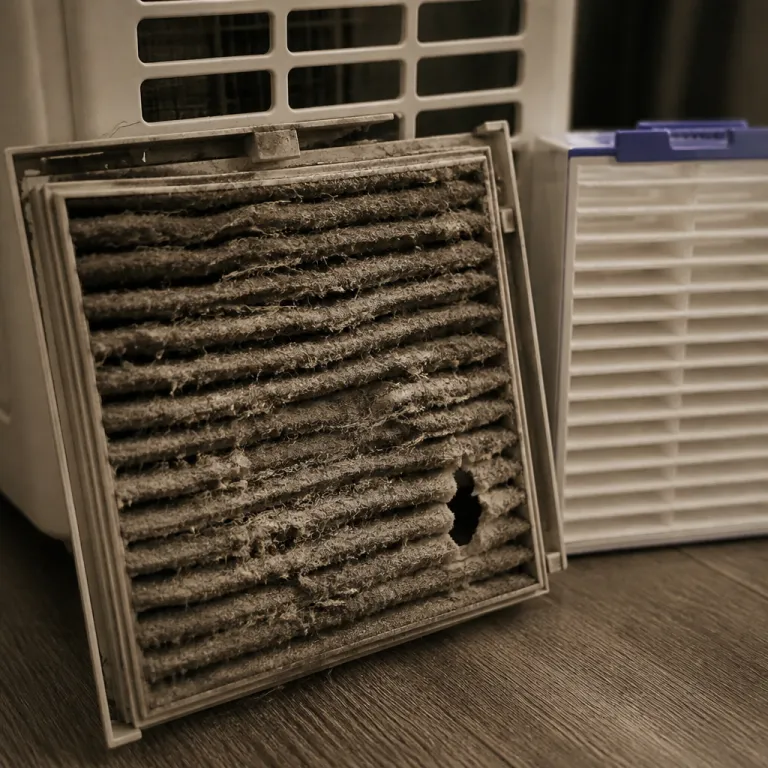
Why your portable air conditioner lives or dies by its filter
A portable air conditioner looks simple from the outside, yet the filter inside quietly decides how well the unit cools your room. When the air filter is clogged with dust, pet hair, and lint, the portable air conditioner has to fight for every cubic metre of clean air it can pull through the system. That extra strain cuts cooling performance, wastes energy, and can shave years off the life of the compressor in the hvac system.
Think of the stock conditioner filter as a basic safety net that protects the air handler, condenser coils, and internal electronics from large debris. Most portable air units ship with a washable mesh filter that catches visible dust but lets smaller particles, like pollen and fine smoke, ride straight through the airflow and back into your living space. That is why any serious portable AC filter replacement guide has to talk not only about how to clean filters, but also about when to replace filters and upgrade them.
In a typical 20 square metre bedroom, a portable air conditioner can move hundreds of cubic metres of air every hour. If the filter clean routine is ignored for a month of heavy cooling, the mesh loads up with dust and pet dander, and the unit starts recycling warmer air instead of pushing out steady cooling. You feel that as a sluggish temperature drop, louder fan noise, and a faint musty smell that tells you the air quality and clean air promise of the system are slipping.
The right cleaning routine: from quick rinse to full filter reset
Every portable air conditioner filter replacement guide should start with a disciplined cleaning schedule before jumping to new parts. During peak cooling season, plan to remove the air filter every two to three weeks, turn the unit fully off, and let the fan stop before you even touch the grille. That simple habit keeps dust from being sucked deeper into the hvac system while you remove filter panels and helps the conditioner avoid sudden pressure changes.
On most portable air models, you slide out the filter from a rear or side slot, then rinse the mesh gently with lukewarm water until the water runs clear. Use your fingers, not a brush, to clean filter surfaces, because stiff bristles can stretch the mesh and shorten the maintenance interval before you must replace filter components. After rinsing, shake off excess water, lay the filter flat on a towel, and let it dry completely for several hours before reinstalling it in the air conditioner.
Never run a portable air conditioner with a wet or even damp filter, because moisture can trap dust, encourage mould, and send that growth straight into the airflow. A wet filter also increases resistance inside the unit, forcing the fan motor to work harder and burning more energy for the same cooling output. If you are unsure about the full maintenance checklist beyond the filter, a detailed guide on essential tips for maintaining your portable air conditioner can help you pair filter cleaning with hose inspection, drain checks, and basic hvac system care.
When cleaning is no longer enough: signs your mesh filter is done
Even the best cleaning routine eventually hits a wall, and every portable air conditioner filter replacement guide needs clear rules for that moment. If your conditioner filter shows visible tears, frayed edges, or stretched mesh that no longer sits flat in the frame, cleaning will not restore proper filtration or airflow. At that point, the filter clean step becomes a bandage on a deeper wound, and you should remove filter panels and replace filter media entirely.
Discolouration is another red flag that cleaning cannot fix, especially when the mesh stays grey or brown even after a thorough rinse with water. That staining usually means fine dust and oily particles have embedded in the fibres, permanently restricting airflow through the unit and forcing the air conditioner to run longer cycles for the same cooling. If you notice the fan sounding louder, the portable air outlet feeling weaker, or the room taking longer to change air temperature, the filter is probably choking the hvac system.
There is also a seasonal angle that many urban renters miss when they wheel the portable unit into a closet. Before winter storage, clean the air filter, let it dry completely, then inspect it under bright light for pinholes or warped plastic that signal it is time for a filter replacement. Pair that inspection with broader off season care using a guide on how to protect your portable air conditioner during winter, so the hose, seals, and condenser coils do not degrade while the system rests.
What the stock filter misses and how aftermarket options change the game
The basic mesh filter in a portable air conditioner is designed to protect the unit first and your lungs second. It does a decent job catching pet hair, visible dust, and fabric lint, but it barely touches smaller particles that affect indoor air quality, such as pollen, mould spores, and fine smoke. That gap is why a serious portable air conditioner filter replacement guide has to talk about aftermarket conditioner filters, not just how to clean the originals.
Some higher end portable air models, like the Whynter ARC 14S, ship with an additional activated carbon filter that adsorbs odours and some volatile organic compounds from the air. When you replace filter elements in these units, you are not just restoring airflow, you are also renewing their ability to deliver cleaner air and more comfortable cooling in small apartments. Aftermarket carbon pads typically cost between 10 and 20 dollars per filter, and they slide in alongside the main air filter without any modification to the hvac system.
For allergy sensitive renters, certain portable air and mini split style units accept HEPA grade inserts that capture much finer particles than the stock mesh. These upgrades turn the air handler into a more capable filtration system, though they also add resistance, so you must keep the clean filter routine strict to protect airflow and energy efficiency. If you want a deeper dive into how higher rated media, such as a MERV 13 air filter, reshapes both cooling and filtration, a technical explainer on how a MERV 13 filter transforms portable air conditioner comfort is worth reading.
How a clogged filter quietly drains cooling power and energy
When the filter in a portable air conditioner is clogged, the damage shows up first on your electricity bill and only later on the hardware. Restricted airflow means the unit has to run longer to reach the same temperature, which can cut effective cooling efficiency by five to fifteen percent compared with a clean air filter. That extra runtime also keeps the compressor and condenser coils hot for longer periods, raising the risk of icing, short cycling, and premature failure in the hvac system.
From a physics standpoint, the fan in the air handler is designed for a specific pressure drop across the conditioner filters and hose assembly. As dust builds up on the mesh, the system curve shifts, the fan moves less air, and the portable air outlet temperature rises even though the thermostat still shows the same set point. You feel that as a room that never quite cools, stale air that does not change air as quickly, and a background hum that becomes more noticeable at night.
There is also a comfort penalty that does not show up on the spec sheet but matters in a small city flat. A clogged filter can push more infiltration air through gaps around the window kit and hose, pulling hot, humid outdoor air into the room and forcing the unit to waste energy on latent cooling instead of sensible temperature drop. In practice, that means the portable air conditioner might show a strong fan, yet the air quality feels heavy and the system never delivers the crisp, clean air you expected when you bought it.
Finding and fitting the right replacement and upgrade filters
Once you accept that cleaning has limits, the next step in any portable air conditioner filter replacement guide is sourcing the right parts. Start with the exact model number printed on the unit label, then search manufacturer websites and major retailers for compatible air filter kits and conditioner filters. Many brands sell combined packs that include both the primary mesh filter and optional carbon inserts, which simplifies maintenance planning for the next few cooling seasons.
When you receive the new filters, compare them side by side with the old ones before you remove filter frames or clips from the unit. Check that the dimensions, frame thickness, and mounting tabs match, because even a few millimetres of difference can create bypass gaps that let unfiltered air slip around the system. If you are upgrading to a denser media, such as a carbon backed panel, pay attention to airflow arrows printed on the frame so the portable air conditioner pulls air through the filter in the intended direction.
Quick install checklist and compatibility notes
- Confirm the part number in the user manual or on the existing filter frame before ordering replacements.
- Measure width, height, and thickness in millimetres and match them to the new filter specifications.
- Test fit the new panel without forcing it; it should slide in smoothly and sit flush against the housing.
- After installation, turn unit power back on and listen for any rattles or whistling that might signal an imperfect seal.
- Stand near the outlet, feel the airflow, and note whether the cooling feels stronger or more even across the room compared with the clogged filter you removed.
Keep the old filter for a week as a backup while you confirm the new one behaves well with your hvac system, then discard it once you are confident the clean filter upgrade is delivering better air quality and more stable cooling.
How this routine fits into whole home hvac habits
Portable air conditioners rarely operate in isolation, especially in urban flats that also rely on a furnace air system or a mini split in another room. Treat the portable unit as one node in a broader hvac system, and align its filter replacement schedule with the change air routine you already follow for the central air handler. When you swap the furnace air filter every few months, use that same weekend to clean filter media in the portable unit and inspect the hose, drain pan, and condenser coils for early signs of trouble.
That whole home mindset helps you avoid the common trap where the main system gets regular maintenance, but the portable air conditioner quietly clogs in the corner. A neglected portable unit can reintroduce dust and pollutants into rooms you are trying to keep clean, undermining the air quality gains from high grade filters elsewhere in the system. By syncing filter replacement dates and keeping a simple log, you turn a scattered set of tasks into a predictable routine that protects both cooling performance and energy costs.
Over time, you will notice patterns, such as needing to replace filter elements more often during wildfire season or after home renovation work that kicks up fine dust. Those observations let you fine tune the portable air conditioner filter replacement guide you follow for your own space, rather than relying on generic one size fits all advice. In the end, the comfort you feel on a humid August evening depends less on the BTU number on the box and more on how consistently you keep every filter in your hvac system clean, dry completely after washing, and ready for the next heatwave.
Key figures on portable AC filters and performance
- A washable mesh filter in a typical portable air conditioner mainly captures particles larger than roughly 100 microns, while many pollen grains and mould spores are smaller than 50 microns, which explains why basic filters improve visible dust but not all allergy symptoms. These size ranges are consistent with manufacturer data sheets for common polyester meshes and public allergen particle size charts from indoor air quality research groups.
- Cleaning the air filter every two to three weeks during heavy cooling use can prevent the five to fifteen percent efficiency loss that laboratory tests have measured in units running with clogged filters compared with clean ones. That range comes from controlled studies on residential hvac systems and small room air conditioners operating with deliberately obstructed intake screens in standardised test chambers.
- Aftermarket activated carbon filters for portable air conditioners usually cost between 10 and 20 dollars per filter, which is a small fraction of the annual energy cost of running a 10 000 BTU unit for several hundred hours each summer. Typical cost comparisons assume average residential electricity prices and duty cycles published by national and regional energy agencies.
- Field measurements in small apartments show that a severely clogged conditioner filter can increase compressor runtime by twenty to thirty percent to maintain the same set temperature, which accelerates wear on the hvac system. These observations usually come from technicians logging cycle times before and after replacing visibly loaded filters in similar weather conditions and recording the data in service reports.
- Allowing a freshly rinsed filter to dry completely for at least four to six hours before reinstalling it significantly reduces the risk of mould growth on the mesh compared with putting it back while still damp. That interval aligns with indoor air quality guidance that emphasises keeping porous materials dry to prevent spores from colonising moist surfaces and is echoed in many manufacturer maintenance manuals.
FAQ about portable AC filter cleaning and replacement
How often should I clean the filter in my portable air conditioner ?
During heavy summer use, plan to remove the air filter every two to three weeks and rinse it with lukewarm water. Light users in milder climates can often stretch that to once a month, but city renters with pets or street dust usually need the shorter interval. Always let the filter dry completely before reinstalling it to protect both air quality and the unit.
When do I need to replace the filter instead of just cleaning it ?
You should replace the conditioner filter when you see tears, stretched mesh, warped frames, or permanent discolouration that does not wash out. Another warning sign is noticeably reduced airflow or longer cooling times even after a thorough cleaning and drying. If any of these appear, follow a portable air conditioner filter replacement guide for your model and fit a new filter rather than risking damage to the hvac system.
Can I run my portable AC without a filter if I am waiting for a replacement ?
Running a portable air conditioner without any filter is strongly discouraged, even for a short period. Without a barrier, dust and lint can coat the condenser coils, fan blades, and sensors, which hurts cooling performance and can lead to expensive repairs. If you must use the unit, at least keep the old filter in place until the replacement arrives, even if it is not perfectly clean.
Are aftermarket carbon or HEPA filters worth it for a small apartment ?
Aftermarket carbon filters are usually worthwhile if you cook frequently, live near traffic, or notice persistent odours, because they help scrub smells that the stock mesh cannot handle. HEPA style inserts can be valuable for allergy sufferers, but they add resistance, so you must keep them clean and accept a slight reduction in airflow. For many renters, a combination of a clean mesh filter in the portable air conditioner and a separate room air purifier offers the best balance of cooling and filtration.
Does a dirty filter really increase my energy bill that much ?
A clogged air filter forces the portable unit to run longer cycles and sometimes higher fan speeds to reach the same temperature, which directly increases energy use. Tests on residential hvac systems and portable units show that neglected filters can cut efficiency by five to fifteen percent, depending on how badly they are blocked. Over a full cooling season, that wasted energy can easily cost more than a set of replacement filters and a few minutes of regular cleaning.