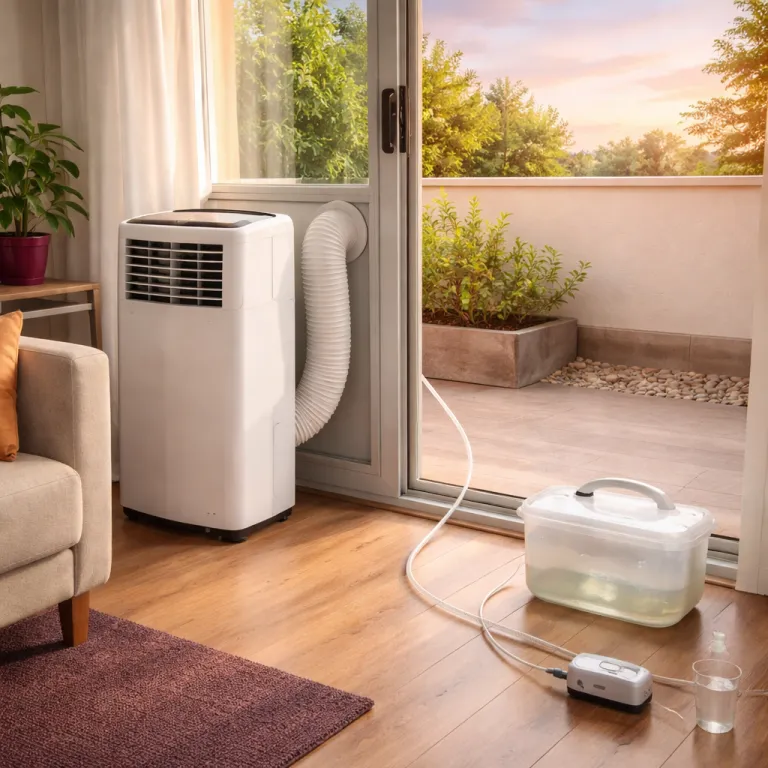
Why portable air conditioner drainage matters more than you think
Most people focus on BTU numbers and forget portable air conditioner drainage. When the air inside a small apartment is humid, the unit quietly pulls litres of water from that air and hides it in a tank, a hose, or a self evaporating system that only works within limits. Ignore that water and the same portable air conditioner that brings comfort can warp floors, short a pump, or leave you with a musty smell that no filter change will fix.
Every air conditioner has to manage both sensible heat and latent heat, and drainage is how your portable air conditioner turns invisible humidity into visible water that must leave the room. In compact models the conditioner drain path is cramped, so a little dust, pet hair, or biofilm can block the drain and send water back into the unit instead of out through a hose or into a tank. That is why maintaining the drainage system is the second most important habit after cleaning the air filter, especially if you run the unit continuously through long heat waves.
Urban renters face extra risk because the portable air conditioner often sits on wood floors or thin rugs rather than on tile. A slow leak from a neglected drain pan can soak underlay for weeks before anyone notices, and by then the damage to both the floor and the conditioner unit can be permanent. Treat drainage as part of running the air conditioner properly, not as an optional chore you handle only when the tank full light starts flashing at midnight.
Three drainage designs and what each one demands from you
Portable air conditioners use three main drainage designs, and each design changes your weekly routine. Basic models rely on an internal water tank that you must drain manually, mid range conditioners add a gravity drain hose for continuous drainage, and premium self evaporating systems try to fling most of the water out with the hot exhaust air but still keep a backup tank for very humid days. Knowing which type of portable air conditioner you own is the first step toward maintaining it properly and avoiding surprise puddles.
Tank based portable air conditioners are common in smaller 7 000 to 10 000 BTU units, and they are usually fine in dry climates where the air holds less moisture. In a humid city apartment the water tank can fill in a single evening, so you should check the conditioner manual and plan to empty the tank before it is full at least once a week, or every two days if the unit is running continuously. When you pull the tank, rinse it with a little dish soap, then let it dry in the sun to stop mold growth that can send musty air back through the conditioner filter and into your living room.
Drain hose systems change the game by letting water leave the unit without constant attention, but they add new failure points. The hose must run downhill all the way from the conditioner drain port to a shower, floor drain, or bucket, and any upward loop can trap water that eventually backs up into the unit. If you route the portable air conditioner hose through a window, expect a two foot section where warm outside air can creep back in, so seal around the tubing carefully and read a detailed guide on understanding air conditioning tubing and hose routing before you cut foam panels.
Self evaporating systems, humidity limits, and the vinegar flush ritual
Self evaporating portable air conditioners promise less hassle by using hot condenser air to evaporate much of the collected water. On a mild 27 °C day with indoor relative humidity around 50 percent, these models can often keep the internal pan nearly dry while still draining a little water through the conditioner drain port. Move the same unit to a coastal city with 78 percent humidity and the evaporating trick fails, because the air is already saturated and the drainage system must carry far more liquid water away from the coils.
When the air is that wet, even self evaporating air conditioners need either frequent tank emptying or a properly installed continuous drainage hose. If you notice the portable air conditioner cycling off with a full tank warning every few hours, pairing the unit with a separate dehumidifier can reduce the water load and help the conditioner run more efficiently. In many Gulf Coast apartments, buying a modest dehumidifier before replacing the portable air conditioner is the smarter move, because it lowers humidity for every room while also easing the strain on the drainage system inside each cooling unit.
Any drainage design can clog over time, which is why an annual vinegar flush is cheap insurance. Mix three parts clean water with one part white vinegar, then slowly pour the solution into the condensate line or directly into the drain pan while the unit is off and unplugged, letting it sit for thirty minutes before you reconnect the drain hose and run the conditioner on fan mode to dry. This simple routine dissolves the slimy biofilm that narrows the conditioner drain path by year three and keeps portable air conditioner drainage flowing freely, a habit that pairs well with reading a clear guide on understanding water management in portable air conditioners so you know exactly where that vinegar is going.
Preventing floods: routing hoses, protecting floors, and handling ice melt
Most dramatic failures in portable air conditioner drainage start with a badly routed hose or a hidden block in the drain pan. A gravity drain hose must slope steadily downward from the conditioner unit to the outlet, with no kinks, tight bends, or crushed sections under furniture that can trap water and send it back into the pan. Check the full hose length once a month during heavy use, because even a small kink can turn continuous drainage into a slow leak that ruins a rug before you feel the dampness underfoot.
Floor protection is the cheapest insurance you can buy for an urban rental where the landlord cares more about hardwood than about your comfort. Place a shallow plastic drip tray or boot mat under the portable air conditioner, large enough to catch water from all four corners of the cabinet, and inspect it weekly for any standing water that signals a problem with the conditioner drain system. This habit matters even for self evaporating models, because when the air is very humid the backup tank can overflow if the internal float switch sticks or if the unit ices up and then dumps a sudden flood of meltwater into the pan.
Ice up happens when the air filter is clogged, the room air is very humid, or the portable air conditioner is running on maximum cool with poor airflow around the intake. When the ice finally melts, the water can overwhelm the drainage system and spill out of the unit in minutes, so your first move is to power the conditioner off, unplug it, and gently tilt it toward the drain side over a tray or towels to control the spill. Once the immediate mess is contained, clean the filter, inspect the hose for blockages, and only then restart the air conditioner on fan mode for fifteen minutes to dry the coils before you return to normal cooling.
End of season routines and everyday tips for reliable drainage
When the last heat wave breaks, most people roll the portable air conditioner into a closet and forget the water still hiding inside. That leftover water slowly breeds mold in the tank, the drain pan, and the hose, so a proper end of season routine is essential for keeping the air from smelling stale when you start the unit again next year. Treat this as part of maintaining the conditioner system, not as optional cleaning, because stagnant water can also corrode metal parts around the conditioner drain outlet.
Start by running the portable air conditioner on fan only mode for thirty minutes to push dry air across the coils and encourage any remaining condensate to drip into the pan. Then power the unit down, disconnect any continuous drainage hose, and carefully open the manual drain plug at the back or bottom so all remaining water can leave the unit into a shallow tray, repeating the process until no more water flows. Once the interior is dry, leave the drain plug slightly open during storage, coil the hose loosely so it does not kink, and wipe the exterior air intake and filter area so dust does not fall into the drainage path while the conditioner sits idle.
During the cooling season, a fifteen minute weekly routine keeps portable air conditioner drainage uneventful. Check that the air filter is clean so airflow stays strong, confirm that the hose is still sloping correctly, and glance at the drip tray under the unit for any new water that might signal a slow leak. For a deeper dive into how the exhaust hose affects both cooling and moisture removal, it is worth reading a specialist guide on understanding the importance of air conditioning hoses, because the way hot air leaves the room shapes how well your conditioner can keep both temperature and humidity under control.
FAQ
How often should I empty the water tank on my portable air conditioner?
In a dry climate with moderate use, emptying the tank once a week is usually enough. In a humid apartment where the air conditioner runs continuously, you may need to drain the tank every one to two days to prevent automatic shutoff or overflow. Watch the first week of use closely, then set a schedule that keeps the tank from ever reaching the full mark.
Do I really need a drain hose if my portable air conditioner is self evaporating?
Self evaporating models can handle much of the moisture on mild, low humidity days, but they still struggle when indoor relative humidity climbs above roughly 60 to 70 percent. In those conditions a drain hose for continuous drainage prevents the backup tank from filling every few hours and reduces the risk of leaks. If your unit offers a hose connection, using it whenever possible is the more reliable option.
What should I do if my portable air conditioner suddenly leaks water on the floor?
First, switch the unit off, unplug it, and move electronics or valuables away from the wet area. Mop up visible water, then gently tilt the conditioner toward the drain side over a tray or towels to empty the pan and any trapped water in the base. Afterward, clean the air filter, inspect the drain hose for clogs or kinks, and only restart the unit once everything is dry and correctly routed.
Can I run my portable air conditioner without any drainage setup?
No portable air conditioner can run indefinitely without some way to remove the water it condenses from humid air. Tank based units will simply shut down when the reservoir is full, while hose equipped models may leak if the outlet is blocked or missing. For safe, continuous running, you need either a regular tank emptying routine or a properly installed drain hose leading to a suitable outlet.
How does a dirty air filter affect drainage in a portable air conditioner?
A clogged air filter restricts airflow across the evaporator coil, which can cause the coil to run too cold and ice over. When that ice melts, the sudden surge of water can overwhelm the drain pan and spill onto the floor, even if the hose and drain are clear. Cleaning the filter every few weeks is one of the simplest tips for protecting both cooling performance and the drainage system.