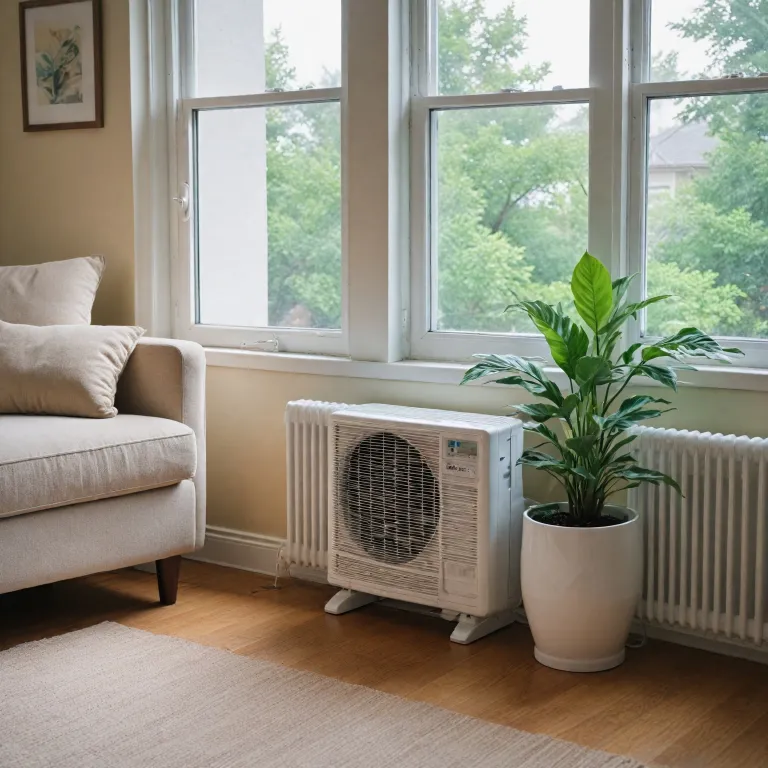
Why portable air con for casement windows is different
People who live with a casement window quickly learn that standard window air units rarely fit. A typical window air conditioner is designed for a vertical sash window, so its heavy body rests on the sill while the window frame closes down on top. With a casement window that swings outward or a tall sliding window, you must think differently about how portable air and window air solutions interact with the opening. This is where a portable air con for casement windows becomes a practical alternative to traditional air conditioners. Instead of hanging a heavy product outside, you keep the portable air conditioner inside and route a flexible hose through a window kit. The kit usually includes a window adapter and a window seal that fills the gap in the casement window or sliding window, so only the exhaust hose passes through.
Because casement windows open sideways, the geometry of the window frame complicates how you vent hot air. A good seal kit or dedicated casement window kit helps you maintain negative pressure, so the portable air unit expels hot air efficiently without letting warm outdoor air leak back in. When you buy any portable air conditioners for this purpose, you must check the product description carefully to confirm that the window kit supports casement windows and not only standard window air openings. Some kits are universal and can be cut to fit a tall portable window or narrow sliding window, while others are tailored to a specific item or brand. In every case, the goal is to match the exhaust hose diameter, the window adapter shape, and the window vent panel to your actual window frame.
The next difference is how you size the air conditioner in terms of BTU. A portable air con for casement windows serving a single room of 15 to 20 m² usually needs between 7 000 and 10 000 BTU, depending on insulation and sun exposure. If you choose a product with too few BTU, the air conditioners will run constantly, waste energy, and still leave the room uncomfortably warm. Oversized conditioners with excessive BTU may cool the air quickly but fail to dehumidify properly, which leaves the space clammy and less pleasant. Many modern portable air units include a fan dehumidifier mode that removes moisture without heavy cooling, which is valuable in humid climates with casement windows that are hard to open during storms. When comparing price and performance, look for btu smart features such as adaptive cooling algorithms and smart control via Wi Fi or voice assistants. These smart air conditioner functions can help you manage energy use while keeping the casement window sealed tightly around the window vent.
How BTU, room size, and casement window design interact
Choosing the right BTU rating for a portable air con for casement windows starts with measuring your single room. Multiply the length by the width in metres to estimate the area, then compare it with typical BTU guidelines for portable air conditioners. A compact bedroom of 10 m² with a shaded casement window might work with a 7 000 BTU air conditioner, while a bright living room of 20 m² with large casement windows may require 10 000 to 12 000 BTU. Remember that every extra occupant, computer, or appliance adds heat that the portable air unit must remove. If your casement window faces direct sun for most of the day, you may need to step up one BTU level to maintain stable cooling. For readers comparing different capacities, an in depth test of an 8 000 BTU portable air model can be helpful, and you can consult this guide to 8 000 BTU portable air conditioners for additional context.
The design of the window frame also affects how efficiently the air conditioner performs. A tall, narrow casement window may require a custom window kit with a longer panel, while a wide sliding window might need multiple panels joined together around the exhaust hose. When the window seal is tight, the portable air con for casement windows can maintain a pressure difference that pushes hot air outside and keeps cool air inside. If the seal kit is poorly installed, hot air can leak back through gaps around the window vent, forcing the air conditioners to work harder and increasing energy use. This is why the quality of the window adapter and the flexibility of the hose matter as much as the raw BTU number. A rigid exhaust hose that kinks easily can restrict airflow, while a well insulated hose reduces heat transfer back into the single room.
Many buyers also compare portable air units with compact window air products before they decide what to buy. A traditional window air conditioner mounted in a sliding window can be efficient, but it often requires brackets, foam, and careful sealing around the window frame. For casement windows that open outward, a standard window air unit is usually impractical or unsafe, which pushes people toward portable air conditioners with a dedicated window kit. When reading reviews, pay attention to how users describe the casement window installation process, the durability of the window seal, and the noise level of the fan dehumidifier mode. Some white portable air models are praised for quiet operation but criticized for flimsy window vent panels that do not fit every window air opening. Others receive strong reviews for robust seal kit components yet disappoint on smart control features or unclear product description details. For a sense of how fixed units compare, you can look at a detailed test of a 5 000 BTU window mounted air conditioner, then translate those insights to portable window solutions for casement windows.
Installation essentials for casement windows and sliding windows
Installing a portable air con for casement windows begins with understanding the supplied window kit. Most portable air conditioners arrive with a flat plastic panel, a circular window adapter for the exhaust hose, and a basic seal kit made of foam or fabric. For a casement window, you usually position the panel vertically, adjust it to the window height, and secure it against the window frame before closing the window sash against it. The exhaust hose then locks into the window adapter, creating a pathway for hot air to exit while the rest of the opening remains sealed. In some products, the panel is white to match common window air frames, while others offer darker finishes that blend with modern interiors. Always check the product description to confirm that the window kit extends far enough for tall sliding window openings.
For casement windows that open outward, you may need a flexible fabric window seal that zips around the hose. This type of seal kit attaches to the window frame with adhesive strips, then wraps around the open casement window to create a barrier against hot air and insects. The exhaust hose passes through a small opening in the fabric, which you tighten with a zipper or drawstring to reduce leaks. When installed correctly, this arrangement allows the portable air conditioner to vent hot air efficiently without requiring permanent changes to the window air structure. However, it is crucial to avoid bending the hose sharply, because tight curves can restrict airflow and reduce cooling performance. Some users add extra foam around the window vent area to reinforce the seal, especially in older homes where the window frame is uneven.
Sliding window installations share many of the same principles but differ in orientation. Instead of a vertical casement window that swings, you slide one pane horizontally until it meets the window kit panel, which fills the remaining gap. The portable air con for casement windows can often use the same window kit for a sliding window, provided the panel length is adjustable. In both cases, the goal is to create a stable window seal that keeps conditioned air inside and hot air outside, while allowing the air conditioners to operate without backdrafts. When you buy a portable air unit, consider whether the included window kit is robust enough for repeated seasonal installation and removal. Some higher price models offer reinforced panels, better window adapter fittings, and more durable fan dehumidifier components that justify the extra cost. For readers interested in more advanced fixed units, a comprehensive review of a 12 000 BTU smart inverter window air conditioner can highlight what premium cooling and smart control look like in a different format.
Smart features, control options, and daily usability
Modern portable air con for casement windows increasingly compete on smart control and usability rather than raw BTU alone. Many portable air conditioners now include Wi Fi connectivity, allowing you to adjust temperature, fan speed, and mode from a smartphone app. This smart control can be especially useful when your casement window installation makes the physical controls harder to reach behind furniture. Some air conditioner models integrate with voice assistants, enabling hands free commands to start cooling a single room before you arrive home. When comparing products, look for clear information about which smart ecosystems are supported and whether firmware updates are available. The term btu smart is sometimes used in marketing to describe algorithms that modulate compressor output based on room temperature trends.
Daily usability also depends on how the portable air unit handles condensate and airflow. Many portable air conditioners operate as a fan dehumidifier, collecting moisture in an internal tank or expelling it through a drain hose. If your casement windows are difficult to access, you may prefer a self evaporating air conditioner that minimizes manual tank emptying. Noise is another key factor, because the portable air con for casement windows often sits close to seating or sleeping areas. Reviews frequently mention whether the fan noise is acceptable at night and how the white noise compares with traditional window air units. When reading these reviews, pay attention to comments about the exhaust hose flexibility, the durability of the window kit, and the stability of the window frame seal.
Remote controls and on unit interfaces should be intuitive, with clear icons for cooling, fan, and dehumidifier modes. A well designed portable air conditioner will let you set a target temperature, adjust fan speed, and program a timer without navigating confusing menus. Smart models may also provide energy use estimates, helping you understand how BTU output, run time, and room insulation interact. For households with multiple casement windows and sliding window openings, some people buy several portable air conditioners and move them seasonally between rooms. In such cases, the weight of the item, the robustness of the hose connections, and the flexibility of the window adapter become important practical considerations. A portable window configuration that feels easy to install and remove encourages proper seasonal storage, which can extend the life of the product and maintain performance over time.
Evaluating products, prices, and real world performance
When evaluating a portable air con for casement windows, start by aligning the product description with your actual room and window conditions. Check the stated BTU rating, recommended room size, and whether the window kit explicitly supports casement windows and sliding window openings. Look for details about the exhaust hose length and diameter, because a hose that is too short or too narrow can limit placement options and airflow. The color of the item, often white, may matter aesthetically if the portable air conditioner will sit in a visible corner near a casement window. Price comparisons should factor in not only the initial buy cost but also estimated energy consumption based on BTU and efficiency ratings. Some btu smart models command a higher price yet reduce long term electricity use through variable speed compressors and advanced control logic.
Real world performance is best judged through a combination of lab tests and user reviews. Pay attention to how reviewers describe cooling effectiveness in a single room with one or more casement windows, especially during heat waves. Comments about how quickly the portable air unit lowers the temperature, how well the window seal holds, and whether hot air leaks around the window vent are particularly revealing. Reviews that mention both strengths and weaknesses, such as strong cooling but a flimsy window frame adapter, tend to be more trustworthy. Also note how often users mention the fan dehumidifier mode, because effective moisture removal can make a moderate temperature feel more comfortable. If multiple reviews highlight the same issue with the window kit or exhaust hose, consider whether an aftermarket seal kit or upgraded hose might solve the problem.
Warranty terms and support options add another layer to your decision. A reputable manufacturer of portable air conditioners should offer clear guidance on installing the window kit in casement windows and sliding window frames. They should also provide replacement parts for the exhaust hose, window adapter, and window seal, because these components experience the most wear. When you buy a portable air con for casement windows, keep receipts and product documentation in case you need service. Some retailers bundle extended warranties or seasonal discounts that improve the overall price value equation. Ultimately, the best portable window solution balances BTU capacity, smart control, installation ease, and long term reliability in your specific casement window environment.
Practical tips for efficiency, maintenance, and comfort
Once your portable air con for casement windows is installed, small habits can significantly improve efficiency. Position the portable air conditioner so that the exhaust hose runs as straight and short as possible to the window vent. Avoid sharp bends that restrict airflow and cause hot air to radiate back into the single room. Regularly inspect the window seal and seal kit around the casement window or sliding window to ensure there are no gaps. Even small leaks around the window frame can force the air conditioners to work harder, increasing energy use and reducing comfort. Cleaning or replacing air filters on schedule also helps maintain strong airflow and stable cooling performance.
Managing sunlight and internal heat sources further supports your portable air unit. Close blinds or curtains on casement windows during the hottest hours to reduce solar gain, especially if the window faces west or south. Turn off unnecessary lights and electronics that add heat to the room, allowing the air conditioner to focus on external heat loads. If your portable air model includes a fan dehumidifier mode, use it during humid but mild days when full cooling is unnecessary. Lower humidity makes the air feel cooler, so you can set a slightly higher temperature without sacrificing comfort. Smart control features, including programmable schedules and remote access, help you run the portable air con for casement windows only when needed.
Routine maintenance extends the life of both the portable air conditioner and its window kit. Wipe down the white exterior of the item to prevent dust buildup, and check that the exhaust hose connections remain tight at the window adapter and unit side. Inspect the window frame contact points where the window kit meets the casement window or sliding window, replacing worn foam or fabric seals as needed. At the end of the season, remove the portable window installation carefully, clean the hose and filters, and store the product in a dry place. This practice protects the air conditioners from moisture damage and preserves the flexibility of the hose and seal kit. Thoughtful care ensures that your portable air con for casement windows continues to deliver reliable cooling and dehumidification year after year.
Key statistics about portable air conditioning for casement windows
- Up to 30 % of cooling losses in poorly installed portable air conditioners come from leaks around the window seal and window frame interfaces.
- Correctly sized BTU capacity matched to a single room can reduce energy consumption by approximately 10 to 15 % compared with oversized or undersized units.
- Portable air conditioners with effective fan dehumidifier modes can remove several litres of moisture per day, significantly improving comfort in rooms with casement windows that remain closed.
- Smart control features, including Wi Fi scheduling, can cut unnecessary runtime by 20 % in households that previously left air conditioners operating continuously.
- High quality window kits and exhaust hose assemblies can last multiple seasons, while low grade components often require replacement after one or two summers.
Common questions about portable air con for casement windows
Can I use any portable air conditioner with a casement window ?
You can use many portable air conditioners with a casement window, but not every product includes a suitable window kit. Check that the window adapter and seal kit are compatible with casement windows or sliding window openings, and confirm that the exhaust hose length fits your layout. If the supplied window kit is limited, you may need a universal casement window kit or fabric window seal to create an effective window vent.
How many BTU do I need for a single room with casement windows ?
The BTU requirement depends on room size, insulation, and sun exposure through the casement windows. As a rough guide, a 10 m² bedroom may need around 7 000 BTU, while a 20 m² living room might require 10 000 to 12 000 BTU. Increase the BTU rating if the room receives strong direct sun or contains multiple heat producing devices, and always compare these needs with the product description of each portable air conditioner.
Do portable air conditioners for casement windows need a special window kit ?
Portable air conditioners used with casement windows usually need a specialized window kit or fabric seal. Standard window air kits are designed for vertical sash windows and may not fit the shape or movement of a casement window. Look for products that explicitly mention casement windows or sliding window compatibility, and ensure the window frame can support a secure seal kit around the exhaust hose.
Are smart portable air conditioners worth the higher price ?
Smart portable air conditioners often cost more, but they can improve comfort and efficiency. Features such as remote control, scheduling, and energy monitoring help you run the portable air con for casement windows only when necessary. Over time, these btu smart capabilities may offset the higher initial price through reduced electricity use and better temperature control.
How do I prevent hot air from leaking back into the room ?
To prevent hot air from leaking back, focus on the quality of the window seal and the routing of the exhaust hose. Ensure the window kit or fabric seal fits tightly against the casement window or sliding window frame, with no visible gaps. Keep the hose as straight and short as possible, and periodically inspect the window adapter, window vent, and seal kit for wear that could allow hot air to re enter the single room.
