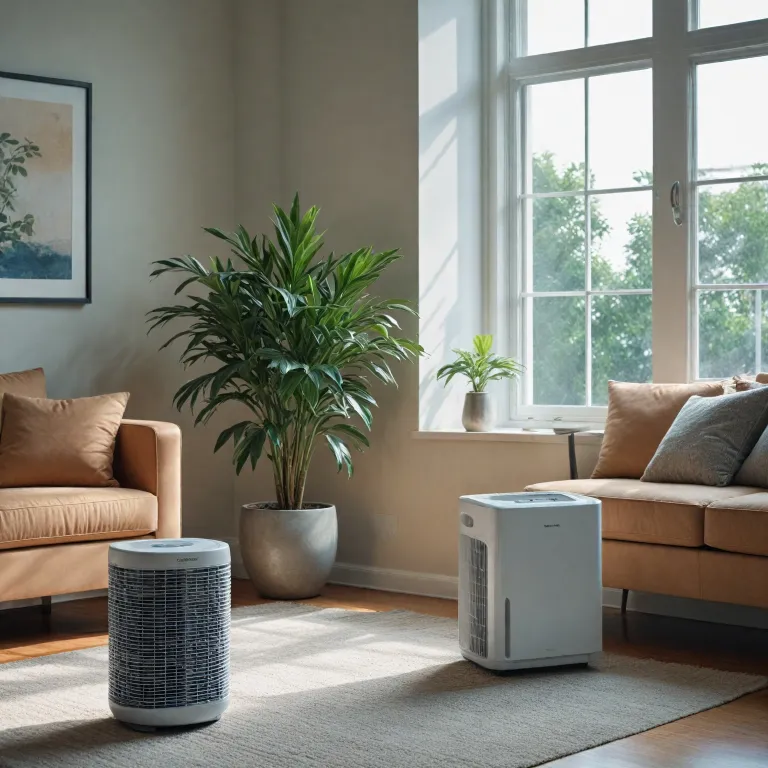
Understanding air evaporative vs air conditioner technologies
When people compare air evaporative vs air conditioner solutions, they are really weighing two very different cooling philosophies. An evaporative cooler uses water, air and natural evaporation to lower temperatures, while an air conditioner relies on sealed refrigeration and powerful conditioning systems to push out cool air. This difference shapes how each cooling system behaves in real rooms, how much energy it uses and how portable the device can realistically be.
Evaporative cooling works by drawing warm air through wet pads, where water absorbs heat and increases humidity as the air cools. These evaporative coolers are often marketed as portable evaporative devices or air coolers, and they can be cost effective in dry climates but less efficient in already humid regions. In contrast, a conventional air conditioner or modern portable air conditioner removes both heat and moisture, creating drier cool air that feels more comfortable at higher temperatures.
Because evaporative air devices add moisture, they are better suited to open spaces, terraces or partially open rooms where fresh air can circulate. A portable air conditioner, however, is designed for closed room environments, where air conditioning systems can maintain stable temperatures without constant outside air exchange. When comparing air evaporative vs air conditioner options, people must consider whether they need cooling systems for a single room, a semi open living area or a mix of indoor and outdoor spaces.
Energy efficient performance is another key factor in this debate, since evaporative cooling systems usually consume less power but deliver less precise conditioning. Air conditioners and air coolers with compressors use more energy yet provide stronger cooling power and more predictable room temperatures. For many households, the best compromise involves matching portable air devices to climate, room size and how often doors or windows remain open.
Climate, humidity and comfort in real rooms
The question of air evaporative vs air conditioner performance cannot be separated from local climate and humidity. Evaporative cooling thrives in hot, dry air because low humidity allows water to evaporate quickly and pull heat from the air. In coastal or tropical regions, where humidity is already high, an evaporative cooler or several evaporative coolers may simply push moist air around the room without delivering truly cool air.
By contrast, air conditioning systems are designed to manage both temperatures and humidity, using refrigerant cycles to condense water out of the air. A portable air conditioner or other air conditioners can therefore make a room feel cooler even when the thermostat shows only a modest drop in temperatures. This dual action of cooling and dehumidifying is why many people prefer conventional air conditioning in bedrooms, home offices and other enclosed rooms where comfort must remain stable.
Portable evaporative devices can still be valuable in semi open spaces such as balconies, workshops or garages, where a portable air conditioner would struggle to contain cool air. In these situations, an air cooler or cooler portable unit can move large volumes of air with relatively low power consumption. However, when someone needs precise conditioning systems for a car, van or camper, a dedicated air conditioner kit for vehicles will outperform any evaporative cooler.
Comfort also depends on how people use their rooms, including how often doors stay open and how many heat sources operate. A portable air unit may maintain energy efficient performance in a small closed office, while evaporative cooling systems might suit a busy workshop with frequent air exchanges. Evaluating air evaporative vs air conditioner options therefore means looking beyond headline cooling power and considering humidity, air flow patterns and daily living habits.
Energy, running costs and environmental impact
Energy efficient operation is central to any comparison of air evaporative vs air conditioner products, especially for portable devices used many hours per day. Evaporative cooling systems typically rely on a simple fan and water pump, so their power draw is modest compared with compressor based air conditioning. Over a long summer, this lower power use can translate into significantly reduced energy bills, particularly when several evaporative coolers run in large open spaces.
However, these savings come with trade offs in performance, because evaporative air devices cannot lower temperatures as aggressively as air conditioners. A portable air conditioner or other air conditioning systems may consume more energy, yet they can maintain a specific room temperature even during heat waves. For people working from home or managing sensitive equipment, the stability of conventional air conditioning often justifies the higher energy use.
Water consumption is another factor, since each evaporative cooler or portable evaporative unit must constantly feed water through its pads. In regions where water is scarce or expensive, the apparent cost effective nature of evaporative cooling may diminish once water costs are included. By contrast, a portable air conditioner does not consume water during normal operation, although it may collect condensate that needs draining.
From an environmental perspective, the choice between air evaporative vs air conditioner systems involves balancing electricity use, water use and refrigerant impacts. Modern air conditioners and air coolers increasingly use more benign refrigerants and better insulation to improve energy efficient performance. Readers interested in advanced portable air solutions can explore how a swamp cooler can complement portable air conditioning in hybrid cooling systems that mix evaporative cooling with conventional air conditioning.
Portable design, installation and practical constraints
When evaluating air evaporative vs air conditioner options, portability and installation often matter as much as raw cooling power. A portable evaporative cooler is usually lightweight, uses a simple plug and play design and only needs access to water and open air. This makes evaporative coolers attractive for renters, students or anyone who frequently rearranges rooms and cannot modify windows or walls.
Portable air conditioners, on the other hand, require a way to exhaust hot air outside the room, typically through a window kit or wall vent. Even the best portable air units therefore impose some constraints on room layout, furniture placement and how widely windows can open. For people in historic buildings or strict condominiums, these installation requirements may limit where air conditioners and air coolers with compressors can be used.
Noise is another practical consideration, because both evaporative cooling systems and air conditioning systems rely on fans, and portable air conditioners also include compressors. An evaporative cooler or several smaller air coolers may produce a gentler airflow sound, while a single powerful air conditioner can generate more noticeable mechanical noise. Users sensitive to sound often experiment with multiple cooler portable units at lower fan speeds instead of one large air conditioner running at maximum power.
Maintenance routines differ as well, since evaporative air devices need regular cleaning of pads and water tanks to prevent odours and bacterial growth. A portable air conditioner demands filter cleaning and occasional condensate management, but it does not keep standing water in the same way. In practice, the most cost effective and energy efficient setup may involve combining a modest portable air conditioner with one or two evaporative coolers to share the cooling load across different rooms.
Choosing the best system for specific spaces
For many readers, the real question behind air evaporative vs air conditioner debates is which system suits each specific space. A small bedroom with closed windows and sensitive sleepers usually benefits from a quiet, energy efficient portable air conditioner that controls both temperatures and humidity. In contrast, a large living room that often remains open to a balcony or garden may feel more comfortable with one or more portable evaporative coolers moving fresh air.
Home offices present another nuanced case, because equipment generates heat and people need stable air conditioning for concentration. Here, a compact air conditioner or hybrid cooling system can maintain cool air while an auxiliary air cooler circulates fresh air when windows are open. This layered approach to conditioning systems allows users to reduce power consumption during mild weather and reserve full air conditioning for the hottest days.
When comparing models, buyers should look beyond marketing labels and examine airflow rates, water tank capacity, energy ratings and noise levels. A cost effective evaporative cooler with insufficient airflow may fail to cool a medium sized room, while an oversized portable air conditioner can waste energy and cycle on and off too frequently. Independent testing, transparent specifications and detailed user reviews remain essential tools for judging which air conditioners and air coolers truly perform as claimed.
Those seeking advanced features such as Wi Fi control, scheduling and integration with smart home systems can consult a dedicated guide to top portable air conditioners with connectivity. In every case, the best balance between air evaporative vs air conditioner solutions depends on climate, room design, budget and personal comfort preferences. By aligning cooling systems with these real world constraints, households can achieve both energy efficient operation and reliable everyday comfort.
Portable air trends, product reviews and consumer expectations
As interest in portable air solutions grows, the debate over air evaporative vs air conditioner technologies increasingly appears in consumer product reviews and specialist blog articles. Readers want clear explanations of how evaporative cooling works, how air conditioning systems manage humidity and which devices offer genuinely energy efficient performance. They also expect transparent testing of portable air units, including both evaporative coolers and compact air conditioners, under realistic room conditions.
Responsible reviewers now compare multiple cooling systems side by side, measuring temperatures, humidity and power consumption over extended periods. This approach reveals how an evaporative cooler may excel in a dry open workshop yet underperform in a small closed bedroom compared with a portable air conditioner. It also highlights how some cooler portable models marketed as air coolers are essentially small fans with water trays, offering limited evaporative air benefits.
Consumer expectations extend to durability, maintenance and long term cost effective operation, not just immediate cooling power. People want to know whether pads in evaporative coolers will last several seasons, how easily filters in air conditioners can be cleaned and whether spare parts remain available. In this context, the phrase air evaporative vs air conditioner becomes less a simple comparison and more a framework for understanding how different conditioning systems fit into daily life.
Specialist publications and independent experts emphasise that no single technology is universally best, because climate, building design and usage patterns vary widely. Instead, they encourage readers to view evaporative cooling, conventional air conditioning and hybrid cooling systems as complementary tools. By combining portable evaporative units, efficient air coolers and well sized air conditioners, households can tailor cooling strategies to each room while managing energy, water and comfort with greater precision.
Key statistics about portable cooling performance
- Evaporative cooling systems can reduce perceived temperatures significantly in dry air, but their effectiveness declines sharply as humidity rises.
- Portable air conditioners typically consume more power than evaporative coolers, yet they provide more consistent temperature and humidity control in closed rooms.
- Water use in evaporative coolers varies widely, so total running costs depend on both electricity tariffs and local water prices.
- Hybrid setups that combine portable evaporative units with conventional air conditioning can lower overall energy demand in suitable climates.
Questions people often ask about air evaporative vs air conditioner
Is an evaporative cooler as effective as a portable air conditioner ?
An evaporative cooler can feel very effective in hot, dry climates where humidity is low and windows remain open. In closed, humid rooms, however, a portable air conditioner generally delivers stronger and more stable cooling. The choice depends on local weather, room design and how much control you need over both temperatures and humidity.
Can I use an evaporative cooler and air conditioner in the same room ?
Using both systems together in a tightly closed room is usually counterproductive, because the evaporative unit adds humidity that the air conditioner then must remove. In semi open spaces, you can alternate between evaporative cooling and air conditioning depending on outdoor conditions. Many households instead use evaporative coolers in open areas and reserve air conditioners for enclosed bedrooms or offices.
Which option is more energy efficient in the long term ?
Evaporative coolers typically use less electrical power than portable air conditioners, especially when running for many hours. However, they may require significant water and might not achieve the same comfort level in humid climates, leading to longer operating times. A well sized, modern portable air conditioner can still be energy efficient when used strategically and combined with good insulation and shading.
Are portable air conditioners worth the higher upfront cost ?
Portable air conditioners often justify their higher purchase price by providing precise temperature control and effective dehumidification. For people who work from home, sleep lightly or live in very humid regions, this stable comfort can be invaluable. When evaluated over several seasons, the combination of reliability, flexibility and controlled humidity often makes a quality portable air conditioner a sound investment.
How do I decide between air evaporative vs air conditioner for my home ?
Start by assessing your climate, especially typical summer humidity levels and how often you keep windows open. Then map your rooms according to how enclosed they are, how many people use them and whether you need strict temperature control. With this information, you can assign evaporative coolers to open or semi open spaces and choose portable air conditioners for the rooms where consistent, controllable cooling matters most.