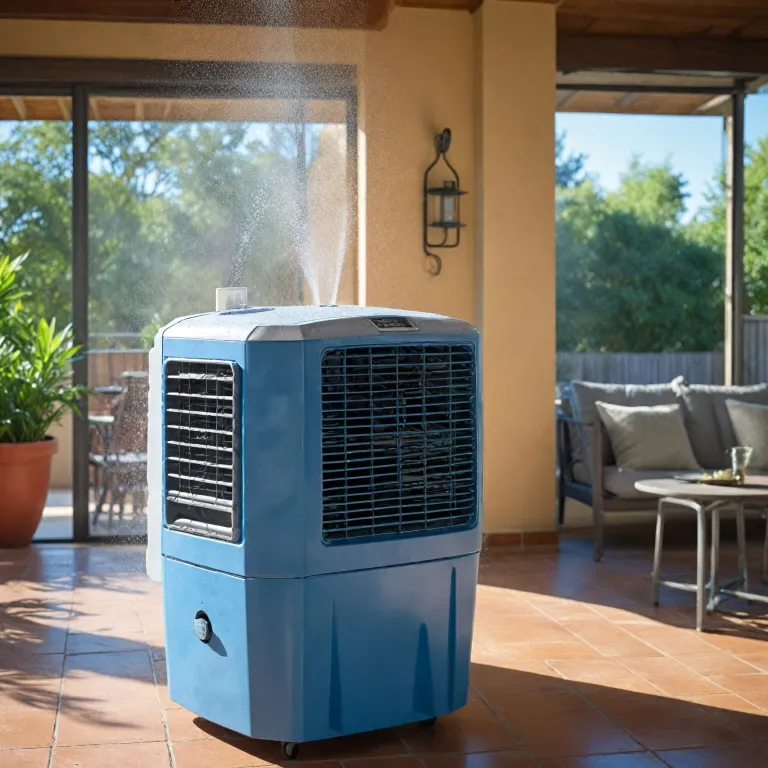
Understanding the evaporative cooler pump in portable air comfort
The heart of any evaporative cooler is its pump, quietly moving water. This modest product determines how evenly cooler pads stay soaked, how much air feels refreshing, and how stable the overall cooling performance remains. When you compare different coolers, the evaporative cooler pump often explains why two similar units feel so different in real rooms.
In a typical portable air cooler, the pump lifts water from a reservoir to the top distribution tray. From there, water flows through pads while a fan pulls warm air through the wet surface, creating cooler evaporative air that can feel surprisingly comfortable in dry climates. If the pump is undersized in gph or poorly matched to the cooler cfm, the pads dry out, the air warms, and the unit starts behaving more like a noisy fan than a swamp cooler.
Manufacturers rate pumps in litres per hour or gph, and this figure must align with pad area and airflow. A higher gph evaporative pump can support thicker pads and larger evaporative coolers, but it also needs a well designed pump basket and reliable power supply. In portable air conditioner alternatives that use evaporative air instead of refrigerant, the condensate pump may even recycle collected water back into the system, reducing manual refills and improving daily convenience.
Key performance metrics for an evaporative cooler pump
When evaluating any evaporative cooler pump, three metrics matter most. Flow rate in gph, lift height, and compatibility with the cooler parts all shape how effectively water reaches the pads and how stable the cooling output feels across long summer days. A balanced design ensures the pump, pads, and fan work together rather than fighting each other.
Flow rate describes how much water the pump can move, and it must match the cooler cfm and pad surface area. Too little gph evaporative capacity leaves dry streaks on pads, while excessive flow can waste water and increase condensate that needs draining or a separate condensate pump. Lift height tells you how far the pump can push water vertically, which is crucial in tall swamp coolers or portable air coolers with stacked reservoirs.
Another subtle factor is how the pump handles minerals and debris in water. A well designed pump basket protects the impeller from particles, extending the life of both pumps and cooler pads, and reducing the need for frequent replacement pump purchases. In compact units that compete with a small window air conditioner, a quiet cooler pump with smooth delivery can be just as important as raw airflow, especially in bedrooms or home offices where noise quickly becomes tiring.
How controls, dials, and ratings influence real world cooling
On many evaporative coolers, a simple dial hides complex interactions between water and air. Turning that dial adjusts fan speed, pump operation, and sometimes even the balance between evaporative air and plain ventilation mode. Understanding what each position does helps you compare models more intelligently than by price or appearance alone.
Some portable air coolers allow you to run the fan without the pump, which saves water but sacrifices cooling. Others link the evaporative cooler pump directly to higher fan settings, ensuring that increased cooler cfm is always matched by adequate water delivery to the pads. When a unit includes a separate condensate pump, the dial may also control how aggressively excess water is removed, which can matter in humid conditions or when the cooler sits near furniture.
Consumer ratings, often expressed in stars, give another layer of insight into pump reliability. A pattern of low pump stars usually signals issues with noisy operation, weak delivery, or premature failure that leads to frequent replacement pump purchases. Before investing in any item, it is wise to read detailed reviews, then compare them with technical data and independent tests such as a 5000 BTU window mounted air conditioner benchmark, which helps you judge whether an air cooler can realistically replace or only supplement traditional refrigeration.
Maintenance, replacement pumps, and the role of water quality
Even the best evaporative cooler pump depends on clean water and regular care. Minerals, dust, and algae gradually clog cooler parts, strain pumps, and reduce the efficiency of cooler pads that should remain evenly saturated. Neglecting these basics often leads to noisy operation, weak air output, and rising energy use as the fan works harder to push air through partially blocked pads.
Routine maintenance starts with draining the reservoir, wiping sediment, and rinsing the pump basket. Inspect the water pump housing for cracks, check the power cord, and ensure that delivery tubes are not kinked or blocked by scale, which is common in hard water areas. When performance drops sharply despite cleaning, a replacement pump is usually more cost effective than running an overstressed unit that risks sudden failure during a heatwave.
Water quality also shapes long term reliability and comfort. Using treated or softened water can extend the life of pumps, cooler pads, and other cooler parts, while reducing the white dust sometimes seen around swamp coolers. In compact systems that double as a portable air conditioner alternative, good water management also limits unwanted condensate, reducing the workload on any condensate pump and keeping the surrounding floor or carpet safely dry.
Comparing evaporative coolers with portable and window air conditioners
People often compare an evaporative cooler with a portable air conditioner or a small window unit. Each product moves air and lowers perceived temperature, yet the underlying physics and daily experience differ in important ways. Understanding these differences helps you choose the right item for your climate, room size, and tolerance for maintenance.
An air conditioner uses refrigerant and a sealed system to remove heat and condensate, usually requiring an exhaust hose or window kit. By contrast, an evaporative cooler pump circulates water over pads, relying on dry air to absorb moisture and carry heat away through evaporation. In very dry regions, a well matched cooler cfm and gph evaporative pump can deliver impressive comfort, while in humid climates, a traditional window air conditioner often maintains more stable conditions.
Energy use and price also diverge significantly between these technologies. Evaporative coolers and swamp cooler designs typically consume less electricity, especially when the cooler pump and fan are efficiently sized, but they demand regular water refills and pad care. For readers comparing options, independent guides such as this analysis of 12000 BTU portable air conditioners provide a useful benchmark, allowing you to weigh airflow, stars ratings, and long term operating costs against the simpler mechanics of evaporative coolers.
Design details that affect noise, aesthetics, and usability
Beyond raw performance, the design of an evaporative cooler pump influences how a unit feels in daily life. Noise levels, ease of handling, and even colour choices such as a discreet black housing all contribute to whether a cooler blends into a room or becomes an annoyance. Manufacturers increasingly refine these details as consumers expect portable air solutions that look as polished as other home electronics.
A well engineered cooler pump runs quietly, with balanced impellers and vibration damping that prevent humming through the cabinet. When combined with smooth air pathways and quality cooler pads, this allows higher cooler cfm without the harsh turbulence often associated with budget swamp coolers. Some designs hide the pump and pump basket behind easily removable panels, making it simpler to clean cooler parts or swap a replacement pump without tools.
Usability also extends to how water and condensate are managed. Clear level indicators, accessible fill ports, and optional condensate pump accessories reduce spills and guesswork, especially in small apartments where every square metre matters. When you compare products, pay attention not only to gph ratings and stars but also to how the item handles delivery of water, routing of cables, and integration of controls on the main dial, because these details shape comfort as much as headline airflow figures.
Choosing the right evaporative cooler pump for your space
Selecting an evaporative cooler pump starts with understanding your room and climate. Measure the space, note typical humidity, and decide whether the cooler will supplement an existing air conditioner or act as the primary source of comfort. This context determines the ideal balance between cooler cfm, gph evaporative capacity, and the size of the water reservoir.
For small rooms, a compact air cooler with a modest pump and efficient cooler pads can provide targeted relief without overwhelming the space. Larger living areas or semi outdoor zones often benefit from more powerful pumps, bigger pump basket designs, and robust cooler parts that can handle continuous operation during heatwaves. In every case, ensure that the water pump rating, electrical load, and physical dimensions match the manufacturer’s guidance for that specific evaporative cooler or swamp cooler model.
Budget also plays a role, but price should be weighed against durability and serviceability. A slightly higher upfront cost for a reputable brand, perhaps one associated with dial manufacturing expertise or strong pump stars in reviews, can pay off through fewer breakdowns and easier access to replacement pump options. When you compare items, look for clear specifications on delivery rate, gph, and compatibility with evaporative coolers, then match those figures to your actual needs rather than chasing the largest numbers on the box.
Key statistics on evaporative cooling performance
- Up to 80 % of a cooler’s effectiveness depends on correct matching between pump gph and cooler cfm in dry climates.
- Regular maintenance can extend the lifespan of evaporative cooler pumps by 30 % compared with neglected units.
- Evaporative coolers typically use 50–75 % less electricity than comparable portable air conditioners in suitable conditions.
- Mineral buildup from hard water is responsible for more than 40 % of premature pump and cooler parts failures.
Common questions about evaporative cooler pumps
How often should I replace an evaporative cooler pump ?
Most residential evaporative cooler pumps last several seasons when maintained properly. If you notice reduced water delivery, unusual noise, or frequent tripping of safety switches, it may be time for a replacement pump. Regular cleaning and using appropriate water quality can significantly delay the need for a new unit.
Can an evaporative cooler replace a portable air conditioner ?
In dry climates, a well sized evaporative cooler can provide comfort comparable to some portable air conditioners. However, in humid regions, evaporative air adds moisture and may feel less comfortable than cooled, dehumidified air from a traditional air conditioner. Many households use a swamp cooler as a low cost supplement rather than a full replacement.
What pump size do I need for my evaporative cooler ?
The correct pump size depends on the cooler cfm, pad area, and height of water lift. Manufacturers usually specify a compatible gph range for their evaporative coolers, and staying within that range ensures reliable saturation of cooler pads. Oversized pumps can waste water, while undersized models leave pads partially dry and reduce cooling.
Why is my cooler pump running but not delivering water ?
If the pump motor runs but water does not reach the pads, check the pump basket and tubing for blockages. Sediment, algae, or mineral scale often restrict flow, especially in hard water areas. Cleaning or replacing the water pump and associated cooler parts usually restores normal delivery.
Are black pumps better than other colours ?
The colour of a pump, such as black, mainly affects aesthetics and visibility of dirt rather than core performance. What matters more is build quality, appropriate gph rating, and compatibility with your evaporative cooler model. Choose based on specifications, stars ratings, and ease of maintenance rather than colour alone.