Key criteria to compare the best smart portable air conditioners
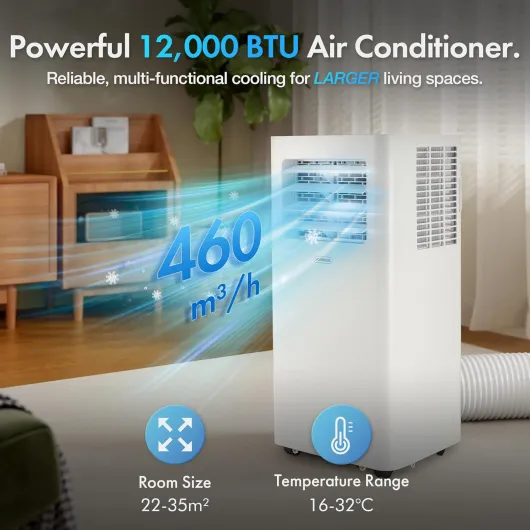
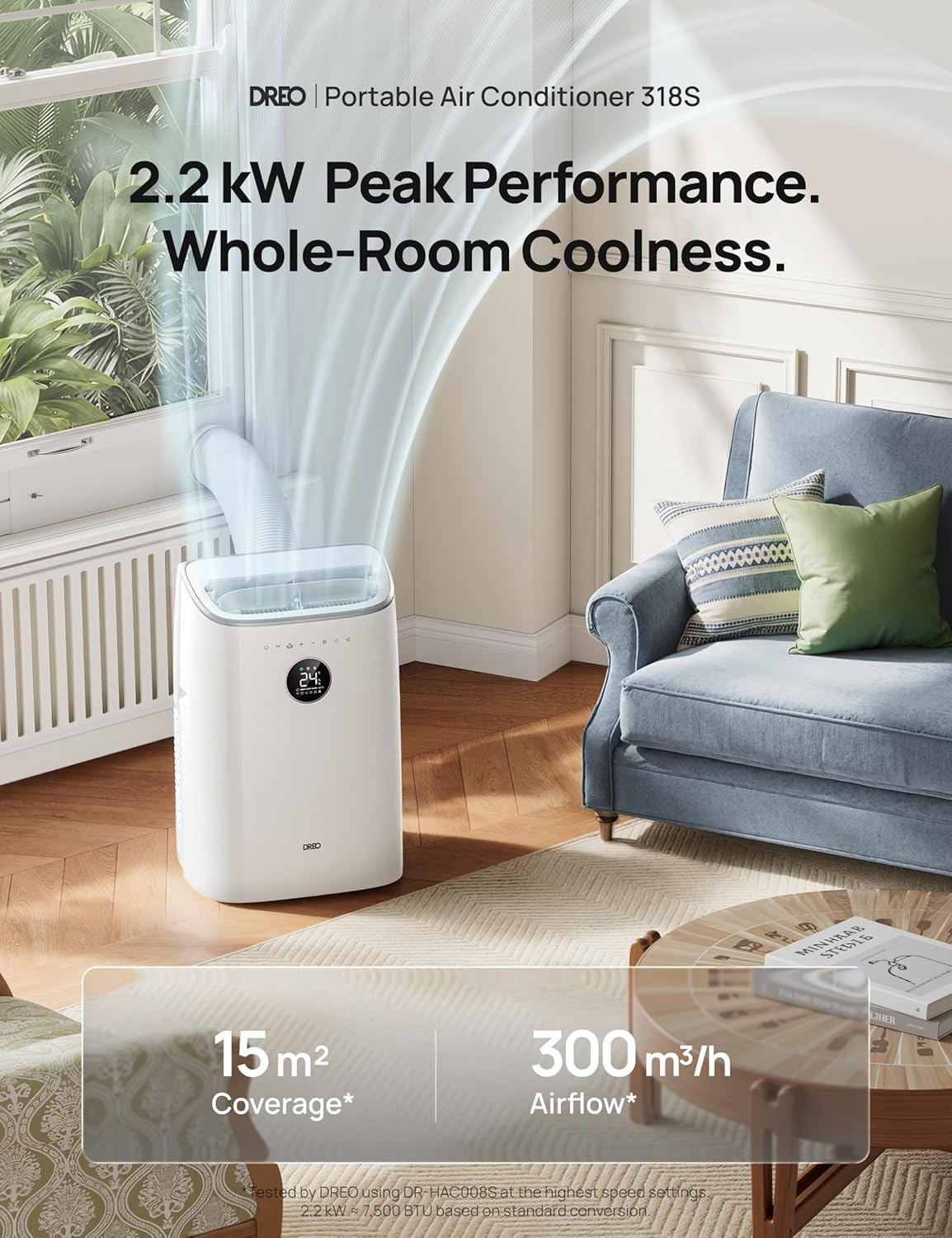
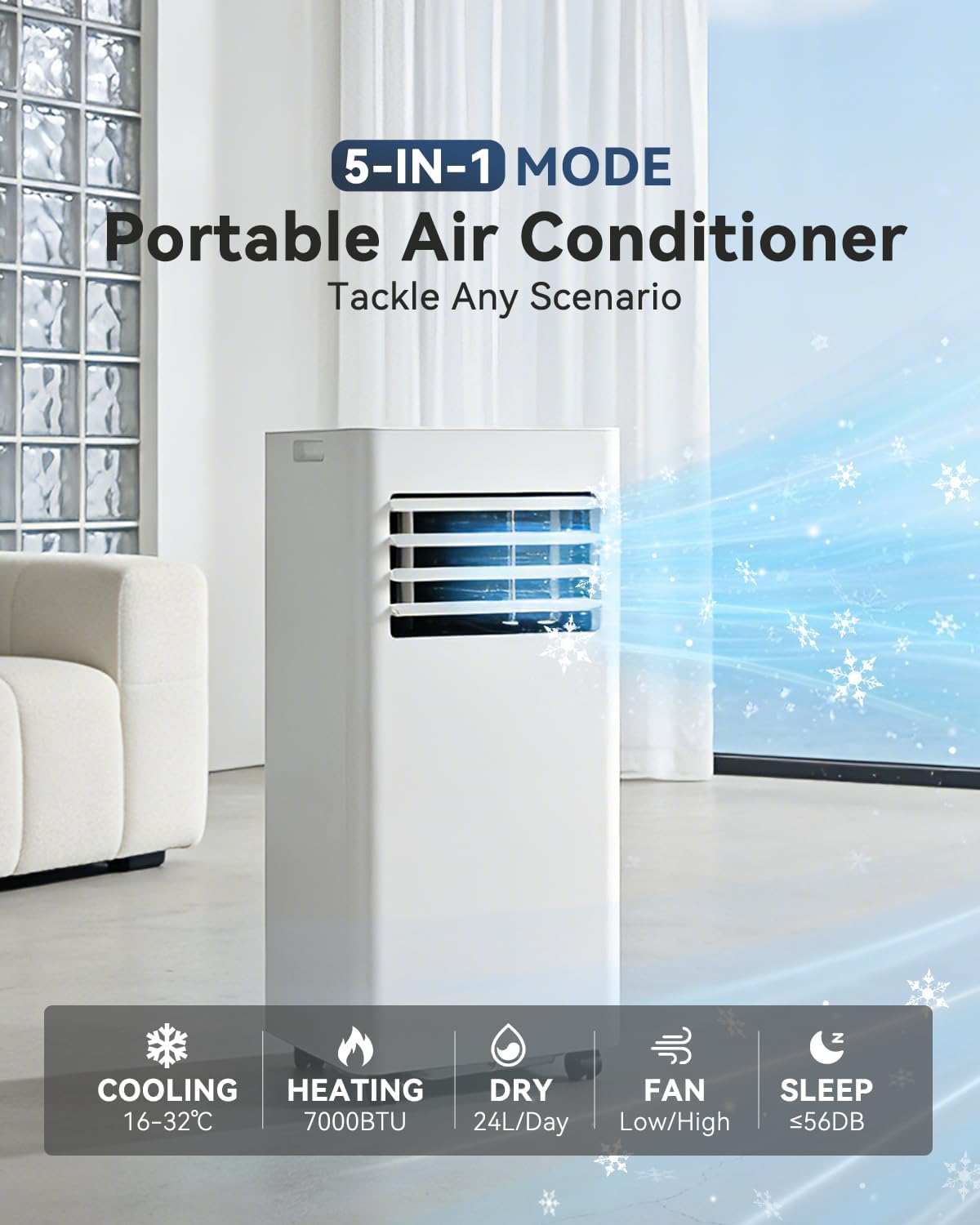
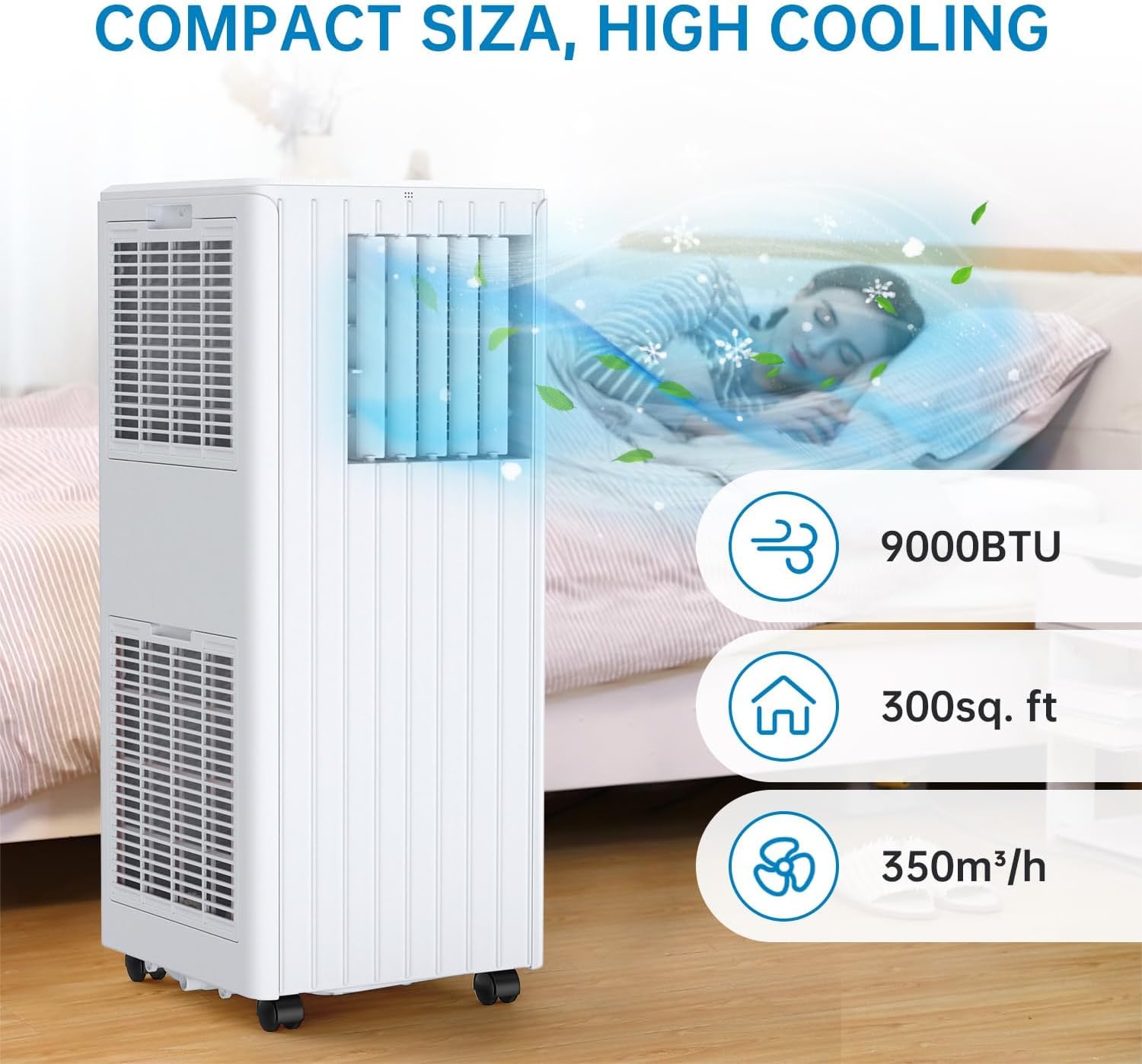
Choosing the best smart portable air conditioners starts with matching BTU portable capacity to your room size. A small bedroom of around 15 square metres may only need a 7 000 to 9 000 BTU portable air conditioner, while open plan rooms above 25 square metres often require 12 000 BTU DOE or higher. Oversized conditioners can short cycle and leave the air humid, while undersized units run constantly and still fail to deliver effective cooling.
Next, examine whether a single hose or dual hose configuration suits your space and window layout. A dual hose portable unit generally cools faster and reduces negative pressure, which can be the best choice for ground floor rooms with frequent door openings. However, a single hose conditioner is lighter, cheaper and easier to position near a narrow window, especially when the supplied window kit offers adjustable panels.
Noise levels deserve careful attention, particularly for bedrooms or shared offices. Many smart portable air conditioners advertise fan noise around 50 to 55 decibels on low settings, but high speed cooling can be noticeably louder. Look for sleep modes, variable speed dehumidifier fan settings and inverter style compressors, which help keep the conditioner dehumidifier combination quieter during long nights.
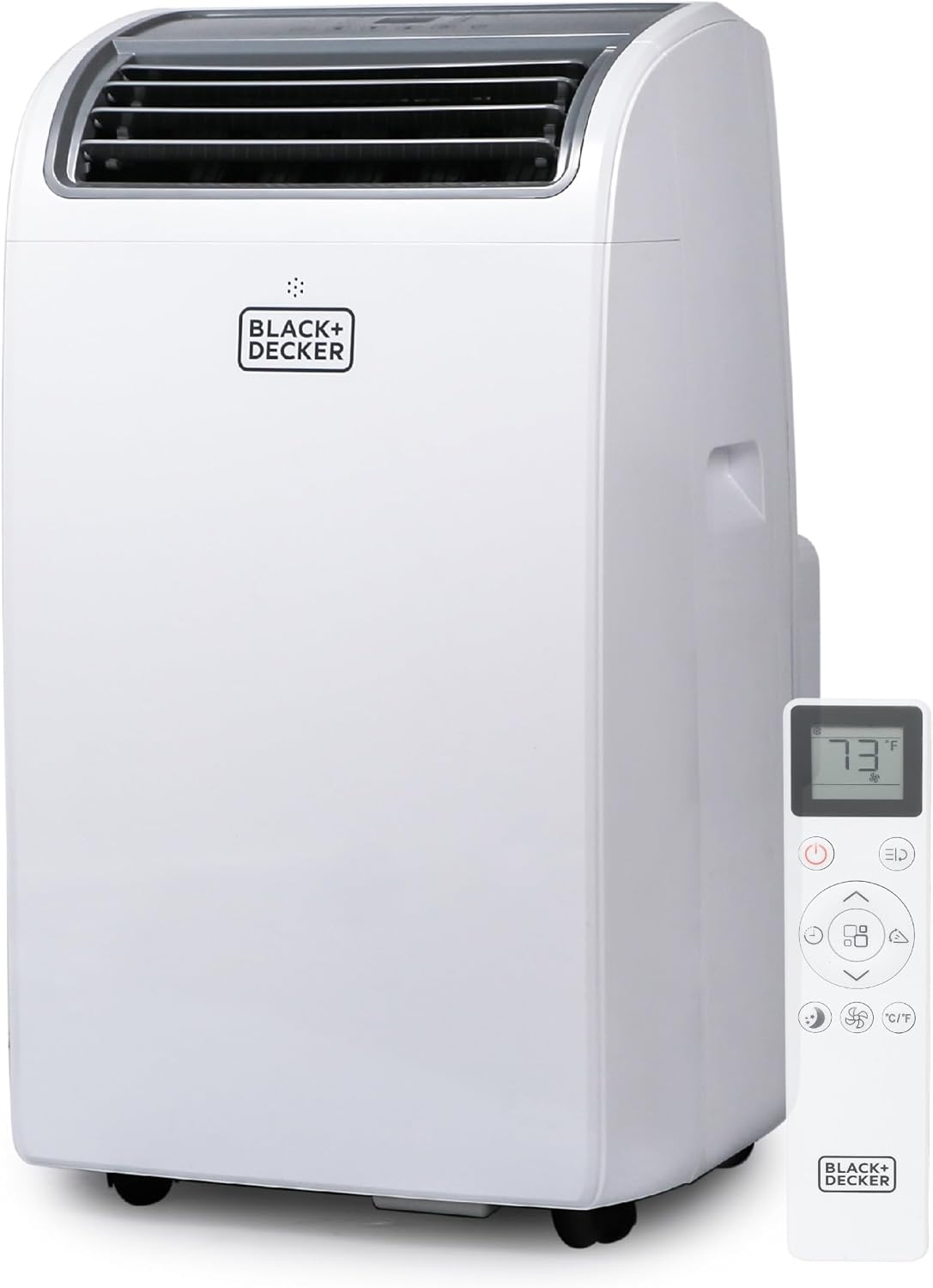
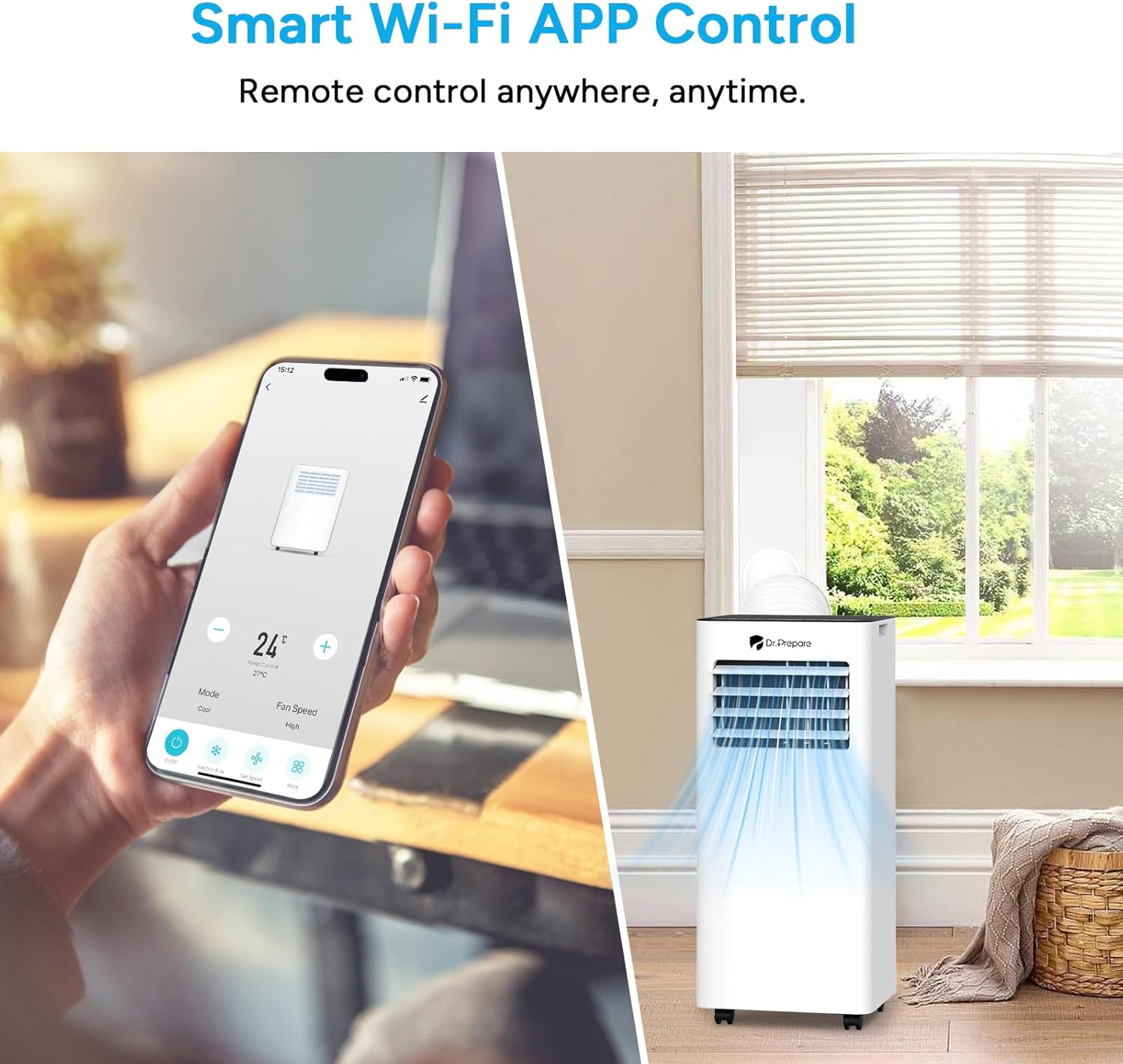
Smart control options vary widely between brands and models. Some portable acs only support basic app control and a simple conditioner remote, while others integrate with major platforms and offer detailed energy reports. When you plan to buy online from retailers such as Amazon, read user feedback on app stability, Wi Fi pairing and firmware updates, then compare it with expert advice on cooling accessories and maintenance to understand long term reliability.
Understanding hoses, window kits and real world installation limits
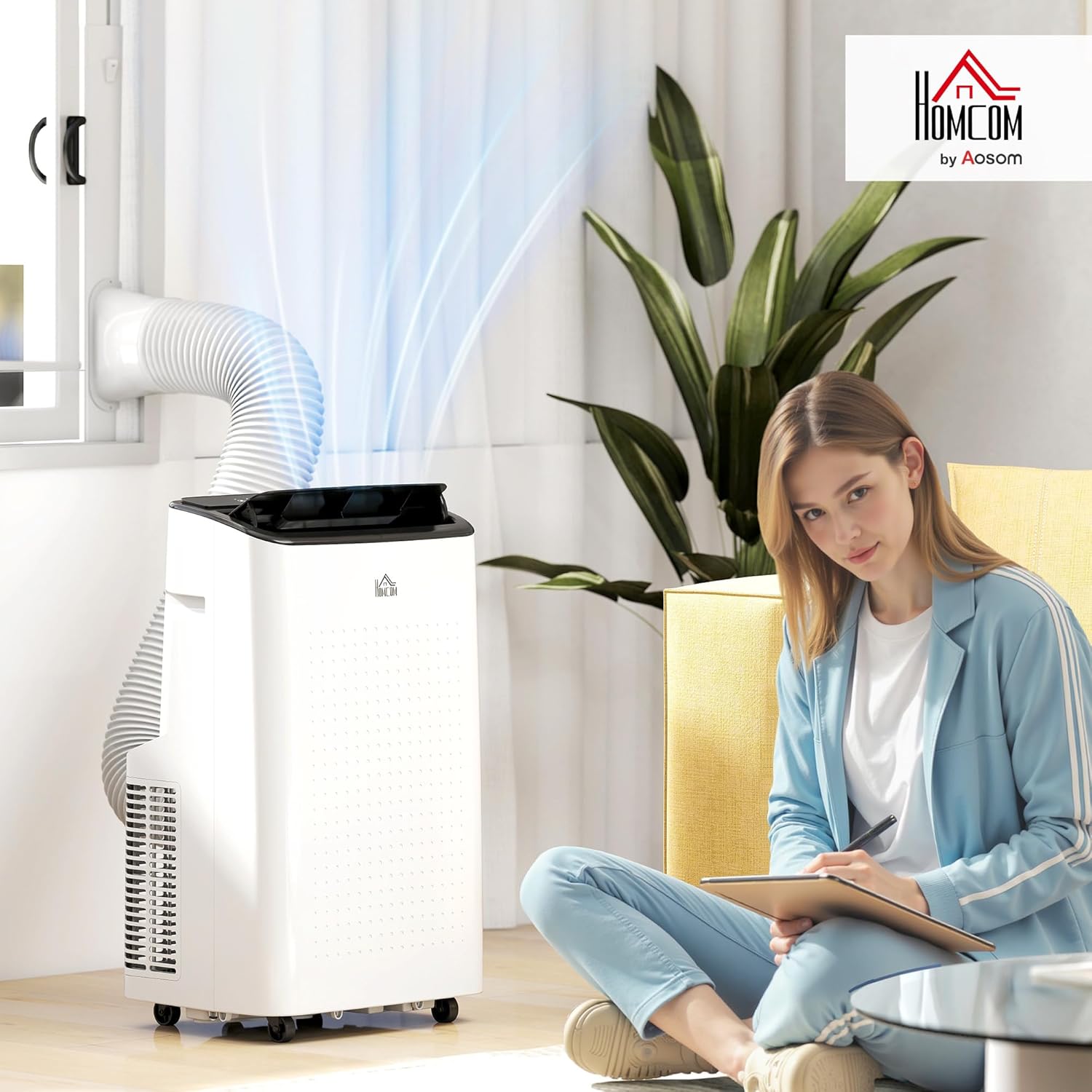
Even the best smart portable air conditioners depend on correct installation to perform well. Every portable unit must expel hot air through a hose, and that hose needs a tight seal at the window to prevent warm air from leaking back inside. Poorly fitted window kits can undermine the cooling power of otherwise excellent air conditioners and leave the room feeling stuffy.
Most smart portable air conditioners ship with a sliding window kit that suits vertical or horizontal frames. If you have a casement or tilt and turn window, you may need an additional kit or a custom panel to support the hose and maintain security. In rented homes, this reversible installation is often the best compromise between landlord rules and the need for effective cooling.
Single hose portable acs draw air from the room and exhaust it outside, which can create slight negative pressure. Dual hose designs, including some Whynter ARC models and the Midea Duo series, use one hose to pull air from outdoors and another to expel hot air, which improves efficiency. When comparing conditioners portable in this category, check both BTU DOE ratings and airflow figures to understand how quickly they can cool a given room portable area.
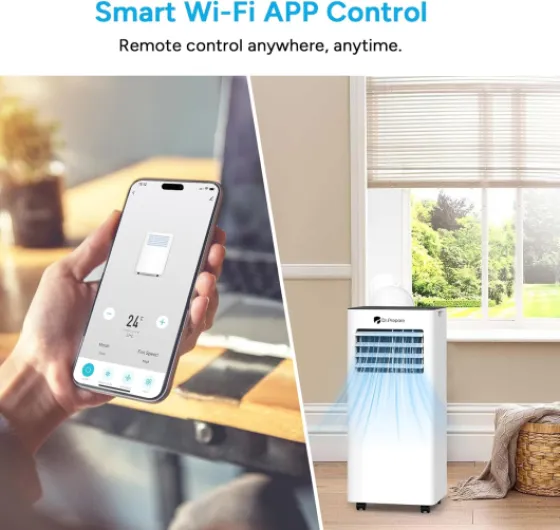
Smart features can also simplify installation and setup. Many apps guide you through connecting the air conditioner to Wi Fi, naming each portable air unit by room and adjusting fan, dehumidifier and cooling modes. For broader planning around home efficiency, resources on choosing efficient wall AC units can help you compare portable acs with fixed systems and decide where each technology fits best.
Balancing cooling, dehumidification and noise in everyday use
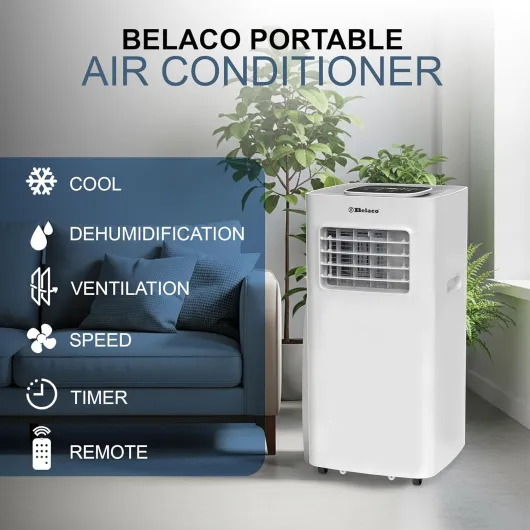
Real comfort from the best smart portable air conditioners depends on more than raw BTU numbers. In humid climates, the dehumidifier function is just as important as cooling power, because drier air feels cooler at the same temperature. Many smart portable air conditioner models combine a conditioner dehumidifier and fan in one portable unit, which allows you to fine tune comfort while managing energy use.
When you run a dehumidifier fan mode without full cooling, the air conditioner removes moisture while using less power. This can be ideal for shoulder seasons when the air feels damp but not hot enough to justify maximum BTU portable output. Some portable acs even allow you to schedule dehumidifier cycles during off peak hours, then switch to normal cooling before you return home.
Noise remains a frequent concern, especially for light sleepers and people working from home. Look for published decibel ratings at different fan speeds, and remember that dual hose designs like certain Whynter ARC units or the Midea Duo range may sound different under load. Smart controls help by letting you reduce fan speed remotely with the conditioner remote or app once the room portable space reaches the target temperature.
Placement also influences both noise and performance. Keeping the air conditioner a short distance from the window reduces hose bends, which improves airflow and can lower compressor strain. For readers comparing portable acs with other technologies, guides on portable air conditioners that also provide heating show how multi mode units can replace separate heaters and fans, simplifying seasonal comfort management.
Smart controls, data privacy and what to check before you buy
Smart portable air conditioners rely on constant connectivity, which raises questions about data handling and privacy. Before you buy a connected air conditioner, read the manufacturer’s privacy policy to understand how they treat usage data, location information and integration with other smart devices. Responsible brands explain how their apps manage data while still offering detailed insights into cooling patterns and energy use.
From a usability perspective, the best smart portable air conditioners provide clear apps, reliable cloud services and responsive conditioner remote controls. You should be able to adjust fan speed, cooling mode, dehumidifier settings and target temperature with minimal taps, whether you control one portable unit or several conditioners portable across different rooms. Integration with voice assistants can be helpful, but stability and security updates matter more over the lifetime of the air conditioners.
When shopping on Amazon or other large retailers, compare verified reviews that mention long term performance, hose durability and window kit quality. Pay attention to comments about app crashes, lost Wi Fi connections or lag between commands and changes in room portable conditions. These real world experiences often reveal more about a smart portable air conditioner than headline BTU DOE figures or marketing claims.
Finally, consider how the air conditioner fits into your broader home energy strategy. A well chosen portable air unit can complement ceiling fans, shading and insulation improvements, reducing the need for constant high power cooling. By aligning BTU portable capacity, dual hose or single hose design, and smart scheduling, you can achieve effective cooling while keeping both noise and running costs under control.
Brand examples, model types and practical buying scenarios
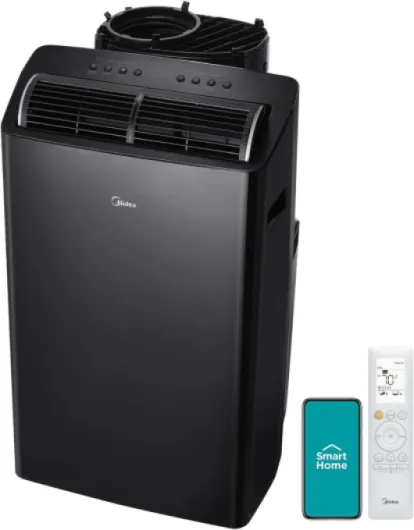
Several brands illustrate how the best smart portable air conditioners address different living situations. Whynter ARC models, for example, often use dual hose designs that appeal to users who prioritise strong cooling and efficient air exchange. The Midea Duo series combines an innovative hose in hose layout with smart controls, which helps maintain stable room temperatures while limiting noise and drafts.
For small city flats, a compact single hose portable air conditioner with around 9 000 to 10 000 BTU DOE can be the best portable choice. These portable acs usually include a combined conditioner dehumidifier and fan mode, along with a basic conditioner remote and app control for scheduling. When you buy through Amazon or specialist retailers, filter for models that clearly state both BTU and BTU DOE ratings, because the latter better reflects real world performance.
Larger homes or shared offices may benefit from multiple portable units rather than one oversized air conditioner. You can assign one smart portable air unit to each key room portable zone, then coordinate their schedules through the app to avoid overlapping peaks. This approach allows more precise control of air, noise and humidity, especially when different occupants prefer different temperatures.
Accessories also influence long term satisfaction. High quality window kits, insulated hoses and replacement filters help maintain cooling efficiency and reduce noise from vibrating panels or thin plastic parts. By planning for these details at the time you buy, you increase the chances that your chosen air conditioners will remain effective, quiet and easy to manage throughout many hot seasons.
Maintenance, lifespan and long term value of smart portable acs
Maintaining the best smart portable air conditioners is essential for preserving both performance and indoor air quality. Regularly cleaning or replacing filters keeps airflow strong and prevents dust from clogging the fan and evaporator coils. When filters are neglected, the air conditioner must work harder to deliver the same BTU portable output, which increases noise and energy consumption.
Drainage is another key aspect, especially when using the conditioner dehumidifier function in humid climates. Some portable acs use self evaporating systems that minimise manual draining, while others require you to empty a tank or connect a continuous drain hose. Checking the manual and app alerts helps you avoid unexpected shutdowns when the dehumidifier fan has filled the reservoir during heavy use.
Over time, hoses, window kits and seals may wear or loosen, reducing the effectiveness of the portable unit. Inspect the hose for cracks, ensure the window kit still fits tightly and confirm that the room portable door gaps do not allow hot air to flow back inside. Replacing worn components is usually cheaper than buying a new air conditioner and can restore much of the original cooling performance.
From a value perspective, smart portable air conditioners justify their higher upfront price when their features are used fully. Thoughtful scheduling, careful attention to the privacy policy, and regular maintenance can extend the lifespan of both single hose and dual hose models, including popular Whynter ARC and Midea Duo lines. In many homes, this combination of flexibility, control and efficiency makes a well chosen smart portable air conditioner one of the best portable climate investments available.
Key statistics about smart portable air conditioners
- Up to 30 % of a unit’s cooling capacity can be lost through poorly sealed window kits and hoses in real world installations.
- Dual hose portable air conditioners can cool rooms up to 15 % faster than comparable single hose models of the same BTU DOE rating.
- Using dehumidifier modes strategically can reduce perceived temperature by 1 to 2 °C without lowering the thermostat setting.
- Regular filter cleaning can cut energy consumption by 5 to 10 % for frequently used portable acs.
- Noise levels above 55 decibels at night are associated with reduced sleep quality in sensitive users.
Common questions about the best smart portable air conditioners
Are smart portable air conditioners as effective as window units
Smart portable air conditioners can match the comfort of many window units when correctly sized and installed. However, they often have slightly lower efficiency because of longer hoses and potential leaks around the window kit. Careful sealing, appropriate BTU DOE selection and using dual hose designs where possible help narrow this performance gap.
What size smart portable air conditioner do I need for my room
The right size depends on floor area, insulation and sun exposure. As a general guide, rooms around 15 square metres may need 7 000 to 9 000 BTU portable capacity, while spaces closer to 25 or 30 square metres often require 12 000 BTU DOE or more. Always adjust upward for very sunny rooms or heavy internal heat loads from equipment and people.
How loud are smart portable air conditioners in everyday use
Most smart portable air conditioners operate around 50 to 55 decibels on low fan settings, which is similar to a quiet conversation. On high speed or maximum cooling, noise can rise into the 60 decibel range, especially for powerful single hose units. Choosing models with variable speed fans, sleep modes and inverter style compressors helps keep night time operation more comfortable.
Do smart portable air conditioners increase energy bills significantly
Energy impact depends on capacity, efficiency and how you use the unit. Smart scheduling, moderate thermostat settings and using dehumidifier fan modes when full cooling is unnecessary can limit costs. In many cases, a well managed smart portable air conditioner adds less to monthly bills than running multiple older fans and inefficient fixed acs.
Is it safe to leave a smart portable air conditioner running unattended
When installed and maintained correctly, most smart portable air conditioners are designed for unattended operation. Ensure the hose and window kit are secure, filters are clean and any drainage system is functioning properly before extended use. Using app alerts and monitoring features adds an extra layer of reassurance when you are away from home.