Key criteria that define the best 14000 BTU portable air conditioners
Shoppers comparing the best 14000 BTU portable air conditioners quickly notice that not all units deliver the same real world cooling. Two portable units with identical BTU ratings can feel very different in adjacent rooms, especially when one leaks air around the window and the other uses a well designed window kit. Effective cooling power depends on compressor quality, fan design, and how efficiently the unit expels hot air outdoors.
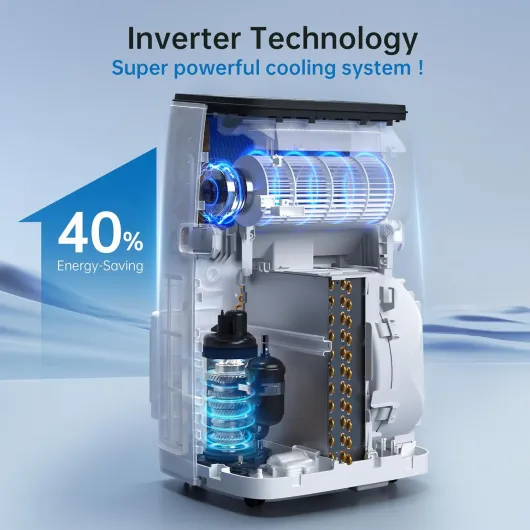
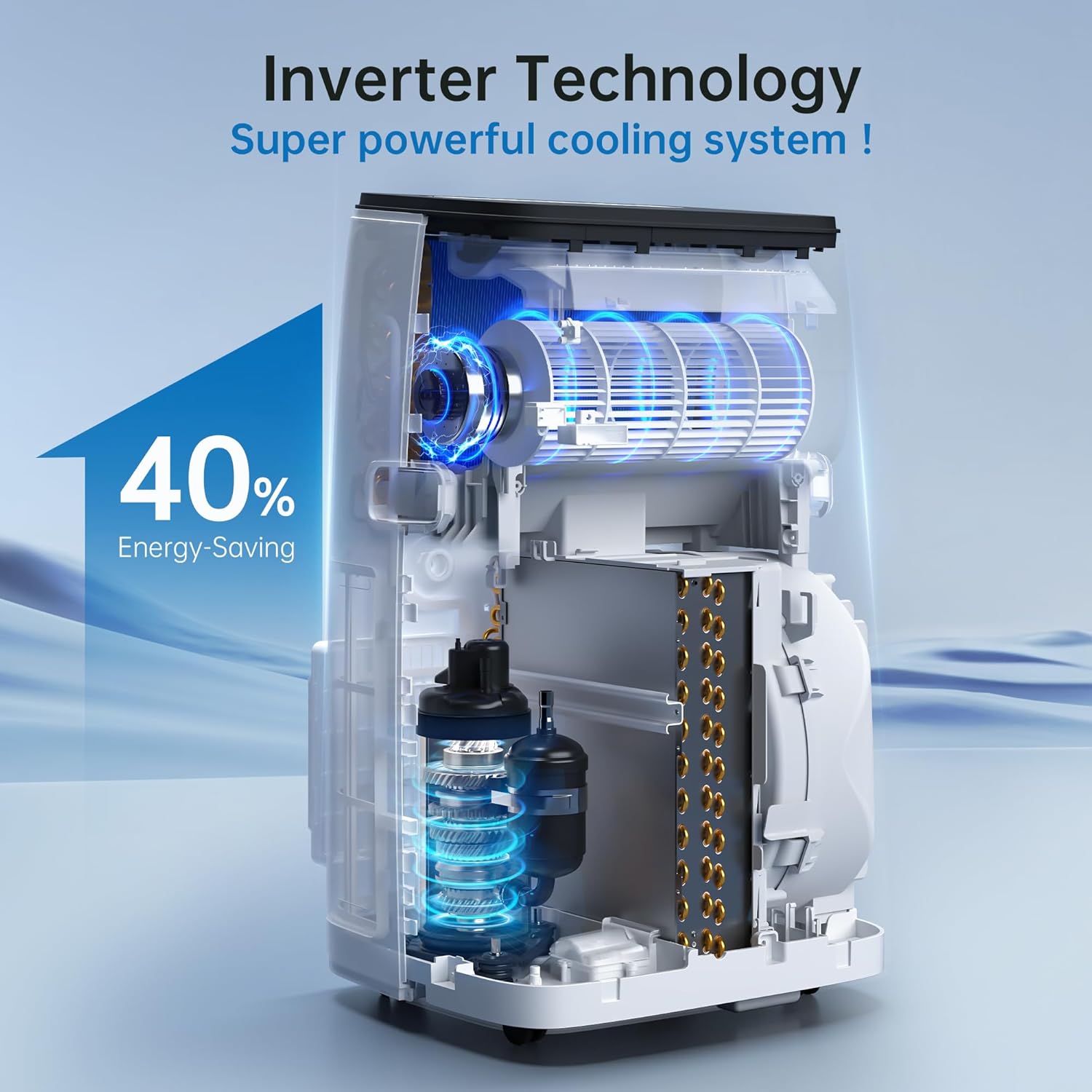
Energy efficiency is another decisive factor, because a portable air conditioner often runs for many hours during heat waves. An energy efficient portable unit with a strong energy rating will reduce energy consumption and help households saving energy without sacrificing comfort. Look for models that offer variable fan speeds, eco modes, and smart temperature control that cycles the compressor rather than blasting full power constantly.
Noise level can make or break the experience, especially when the air conditioner sits in a bedroom or home office. Some conditioners portable products include a dedicated quiet mode, while others rely on better insulation and smoother fan blades to reduce sound. For a deeper dive into how design affects performance and acoustics, you can consult a detailed test of a slim digital portable air conditioner that highlights the trade offs between compact size, airflow, and sound.
Installation, window kits, and the reality of everyday use
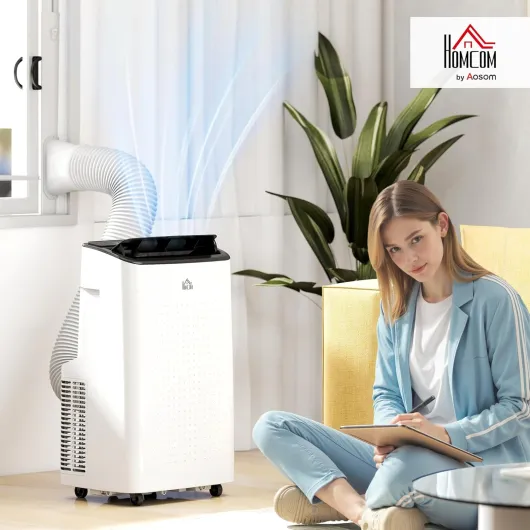
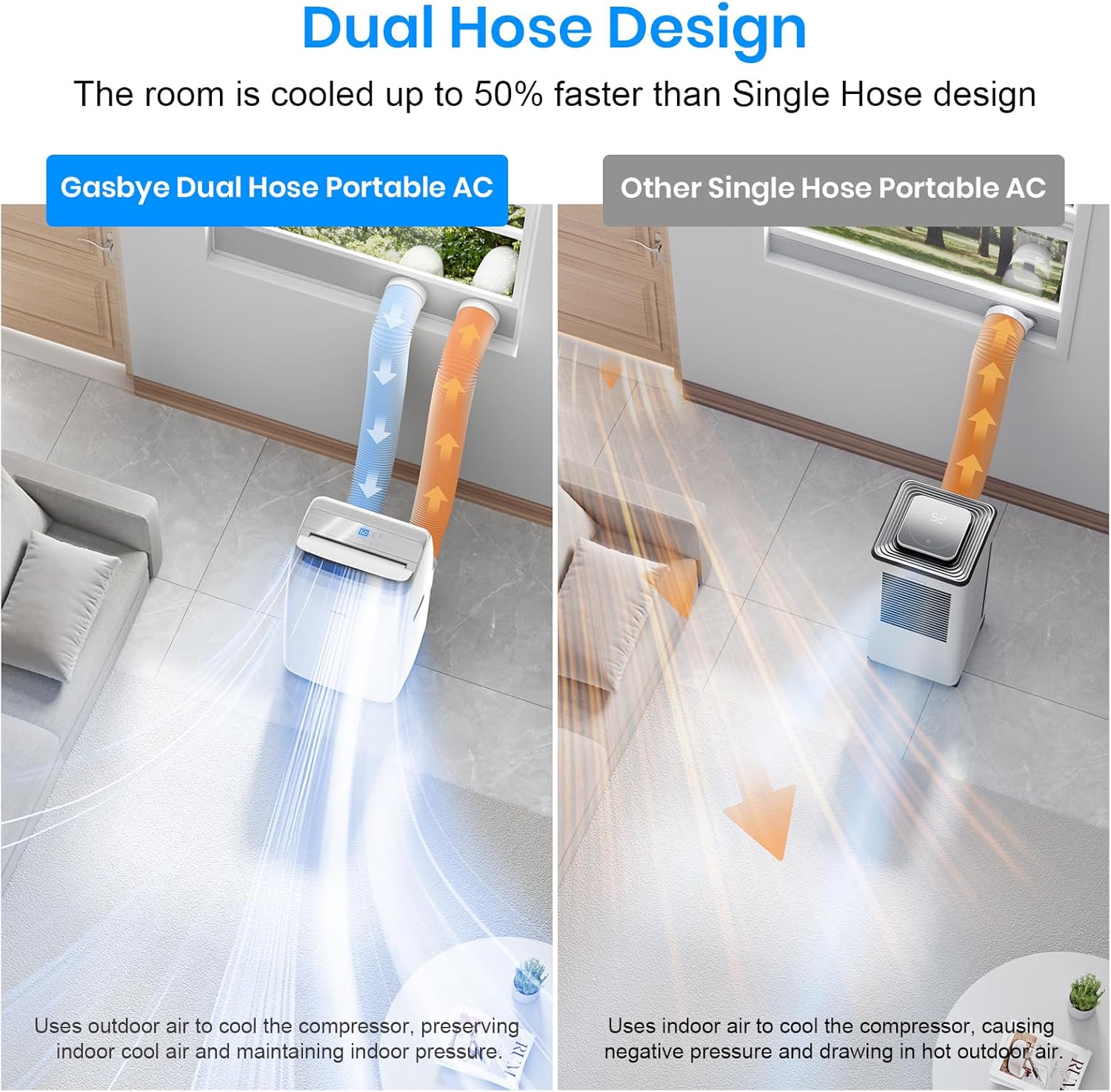
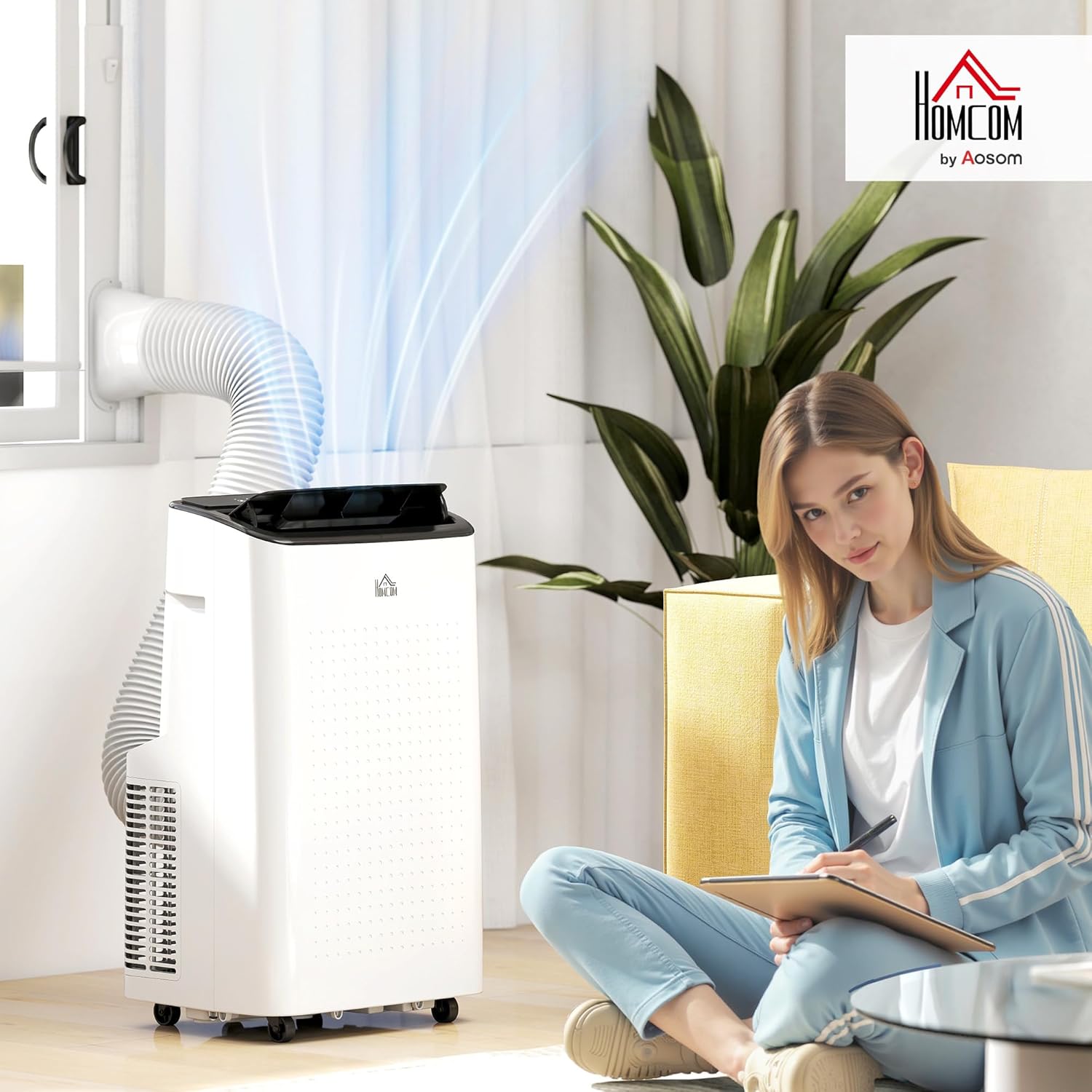
Even the best 14000 BTU portable air conditioners will disappoint if installation is rushed or incomplete. A portable air conditioner relies on a tight seal between the window kit and the window frame, otherwise warm air seeps back into the room and undermines cooling power. Many portable units ship with adjustable plastic panels, but older windows or sliding doors may require extra foam or tape to close every gap.
Most users in the United States deal with vertical sash windows, where the standard window mount works reasonably well. In other regions, horizontal sliders or tilt and turn windows complicate the installation of conditioners portable models, and the supplied window kit may need creative adaptation. Before buying any product, measure your window opening carefully and confirm that the air conditioner includes a compatible kit or that an optional kit exists.
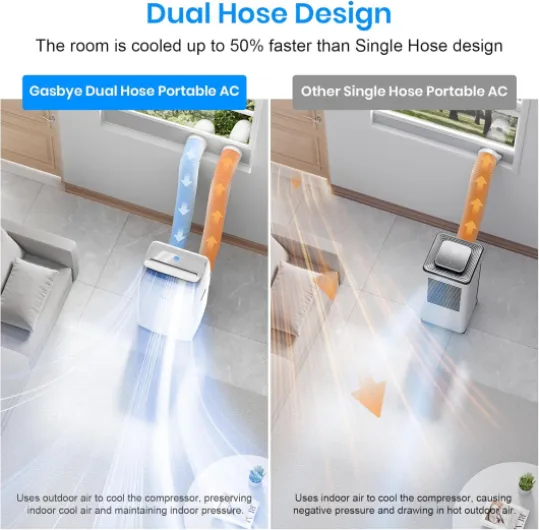
People who alternate between a portable unit and a fixed window air conditioner should also consider how often they plan to move equipment. A heavy 14000 BTU unit with a single hose may roll easily across smooth floors but feel cumbersome on carpets or stairs. For comparison, some households still prefer a traditional window air conditioner with supplemental heat, accepting permanent installation in exchange for quieter operation and no floor space usage.
Smart features, remote control, and comfort fine tuning
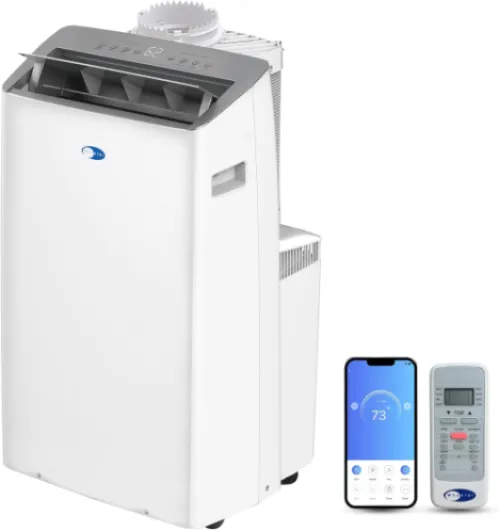
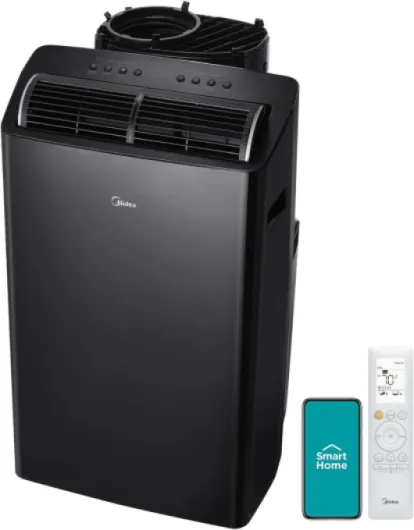
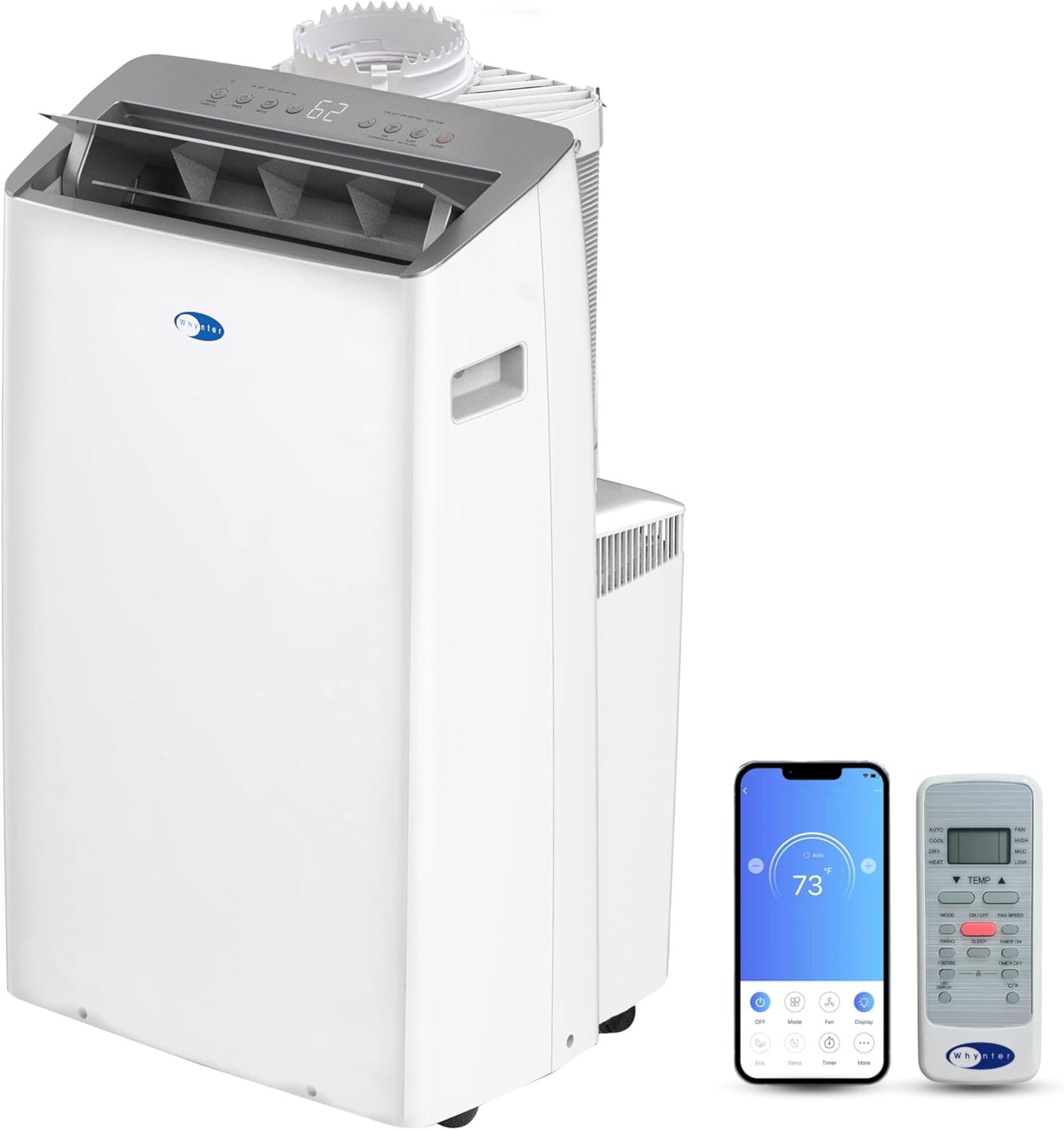
Modern buyers expect the best 14000 BTU portable air conditioners to offer more than basic cooling. A good portable air conditioner now behaves like a connected appliance, with smart options that adapt temperature and fan speed to daily routines. Many air conditioners portable models include Wi Fi connectivity, app control, and integration with voice assistants to adjust the unit without leaving the sofa.
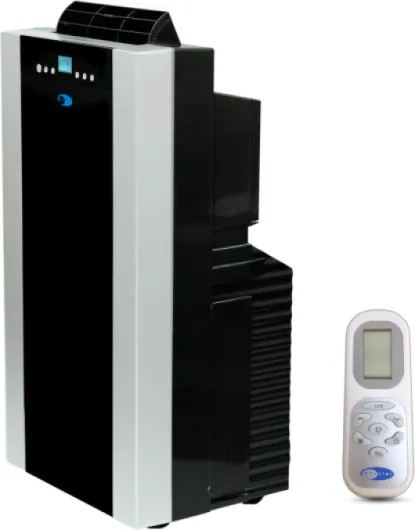
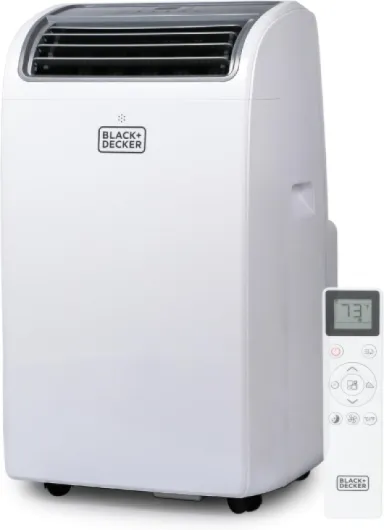
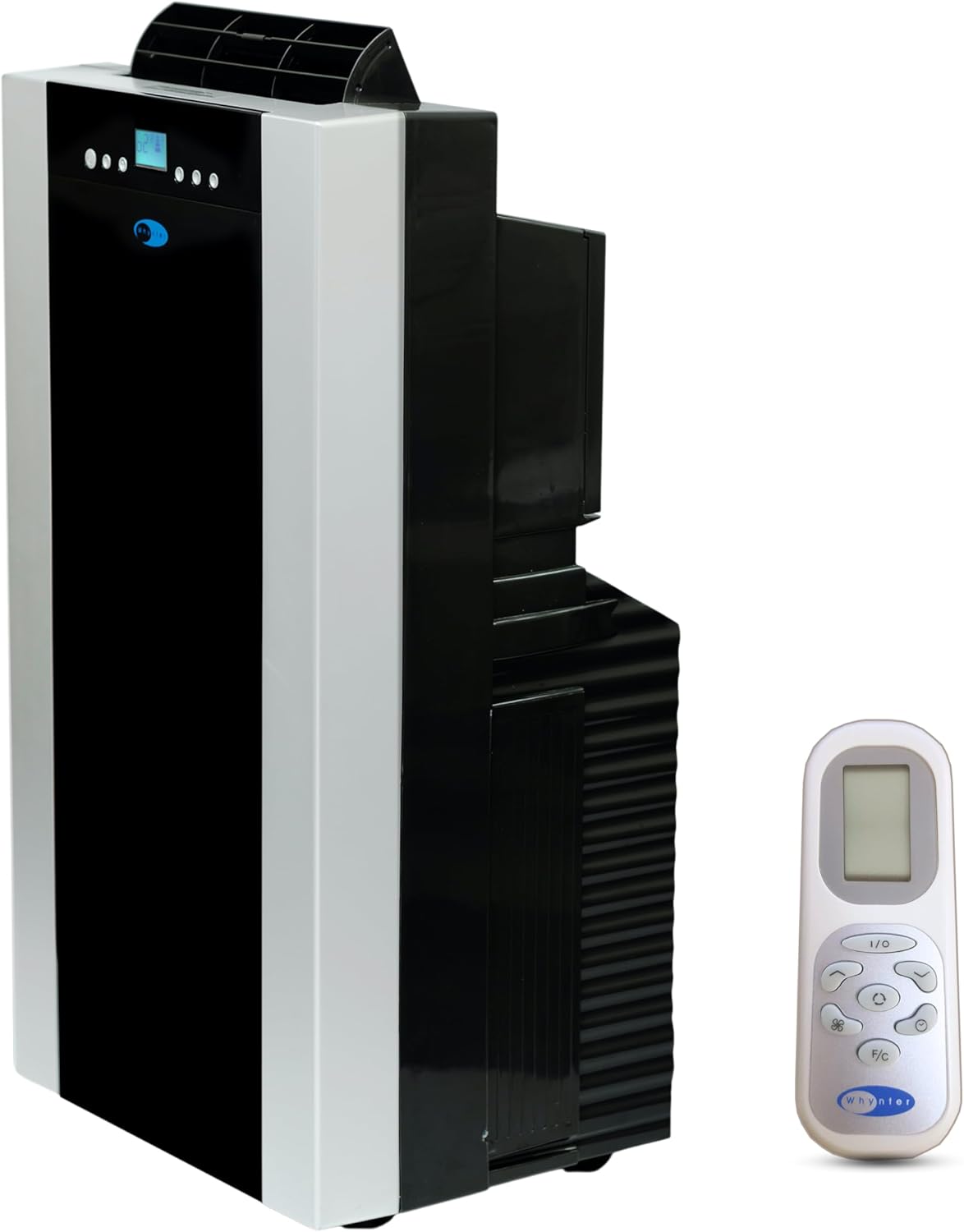
A reliable remote control remains essential, especially for users who prefer simple buttons over smartphone apps. With a well designed remote, you can change temperature, switch between fan and cooling modes, or activate auto swing to redirect air across different parts of the room. Some portable units add a follow me feature, where a sensor in the remote measures air temperature near the user rather than at the unit itself.
Smart scheduling helps reduce energy consumption by running the air conditioner only when rooms are occupied. For example, a portable unit can start cooling a home office thirty minutes before work begins, then switch to fan mode once the air feels comfortable. In the mid range segment, a detailed review of a smart portable air conditioner with follow me remote and window kit illustrates how thoughtful software can turn a basic portable air product into a responsive climate partner.
Energy efficiency, noise level, and the hidden cost of comfort
Behind every cool room lies a bill that reflects the energy consumption of the chosen air conditioner. The best 14000 BTU portable air conditioners aim to deliver powerful cooling while remaining energy efficient enough to avoid unpleasant surprises on monthly statements. When comparing portable units, look beyond the headline BTU rating and examine energy labels, eco modes, and how the unit behaves at partial load.
Saving energy does not always mean sacrificing comfort, especially when the portable air conditioner uses an intelligent thermostat. By maintaining a stable temperature instead of constant cycling, the unit reduces stress on components and improves long term energy efficiency. Users in the United States and elsewhere can further lower consumption by shading windows, closing blinds during peak sun, and sealing gaps that allow hot air to infiltrate cooled rooms.
Noise level deserves equal attention, because a loud portable unit can disrupt sleep or concentration even if it cools effectively. Manufacturers often quote sound levels in decibels, but real world perception depends on fan tone, vibration, and how far the air conditioner sits from the listener. When evaluating conditioners portable products, consider whether a slightly lower BTU unit with better acoustic design might provide a more pleasant balance between cooling power and background sound.
Single room comfort, multi room expectations, and realistic use cases
Many marketing claims around the best 14000 BTU portable air conditioners imply whole apartment cooling, yet physics imposes clear limits. A single portable air conditioner works best when assigned to one primary room, with doors mostly closed and windows properly sealed. Trying to cool multiple rooms simultaneously often leads to uneven temperature, with the room nearest the unit feeling cold while distant rooms remain filled with warm air.
For households in the United States that rent rather than own, a portable unit offers flexibility without permanent alterations to walls or windows. Tenants can move the air conditioner between rooms as needs change, using the window kit in different window frames throughout the day. However, each relocation requires attention to installation quality, because even small leaks of hot air around the window mount can erode the benefits of powerful cooling.
Fans still play a role alongside air conditioners, especially in transitional seasons when full cooling is unnecessary. A portable unit with a strong fan only mode can circulate air effectively, reducing perceived temperature without heavy energy consumption. By combining an energy efficient air conditioner, a quiet fan, and thoughtful use of blinds and insulation, many households achieve comfortable rooms while keeping both noise level and electricity costs under control.
Deep dive subject: managing indoor air quality with portable air conditioners
One often overlooked aspect when assessing the best 14000 BTU portable air conditioners is indoor air quality. While the primary task of a portable air conditioner is cooling, the way it circulates air, removes moisture, and filters particles can significantly influence comfort and health. As warm air passes over the evaporator coil and condenses, the unit simultaneously dehumidifies the room, which can reduce mold growth and dust mite activity.
Most portable units include basic mesh filters that capture larger dust particles but do little for finer pollutants. Users who rely heavily on conditioners portable products in sealed rooms should clean these filters regularly and consider pairing the air conditioner with a dedicated air purifier. In humid climates, the dehumidification function of a portable air conditioner can be as valuable as its cooling power, because drier air feels more comfortable at slightly higher temperature settings, indirectly saving energy.
Ventilation remains crucial, since a portable air system recirculates indoor air rather than bringing in fresh air from outside. Periodic airing of rooms, especially during cooler hours, helps dilute indoor pollutants without overwhelming the air conditioner with hot air. By thinking of a 14000 BTU portable unit as part of a broader indoor climate strategy that includes filtration, ventilation, and humidity control, users can enjoy efficient cooling while maintaining healthier air in everyday living spaces.
Key statistics about portable air conditioners and cooling performance
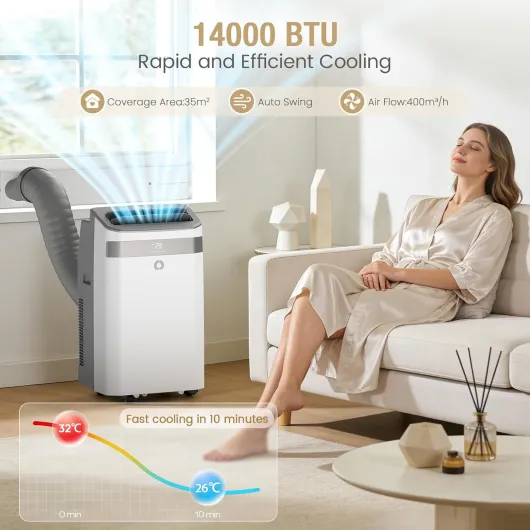
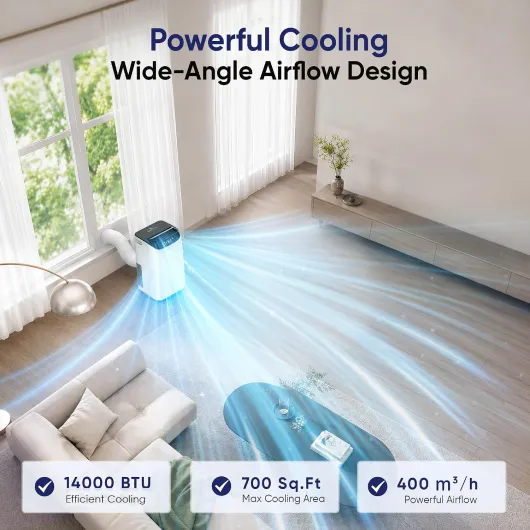
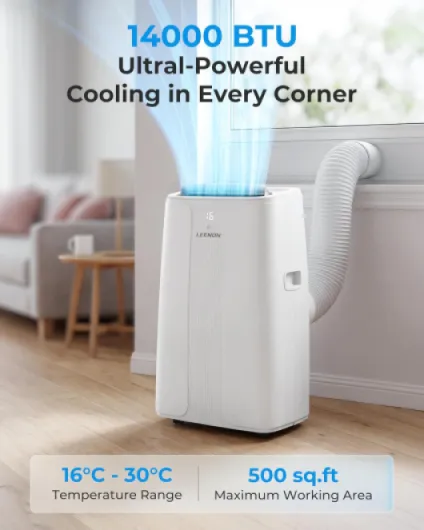
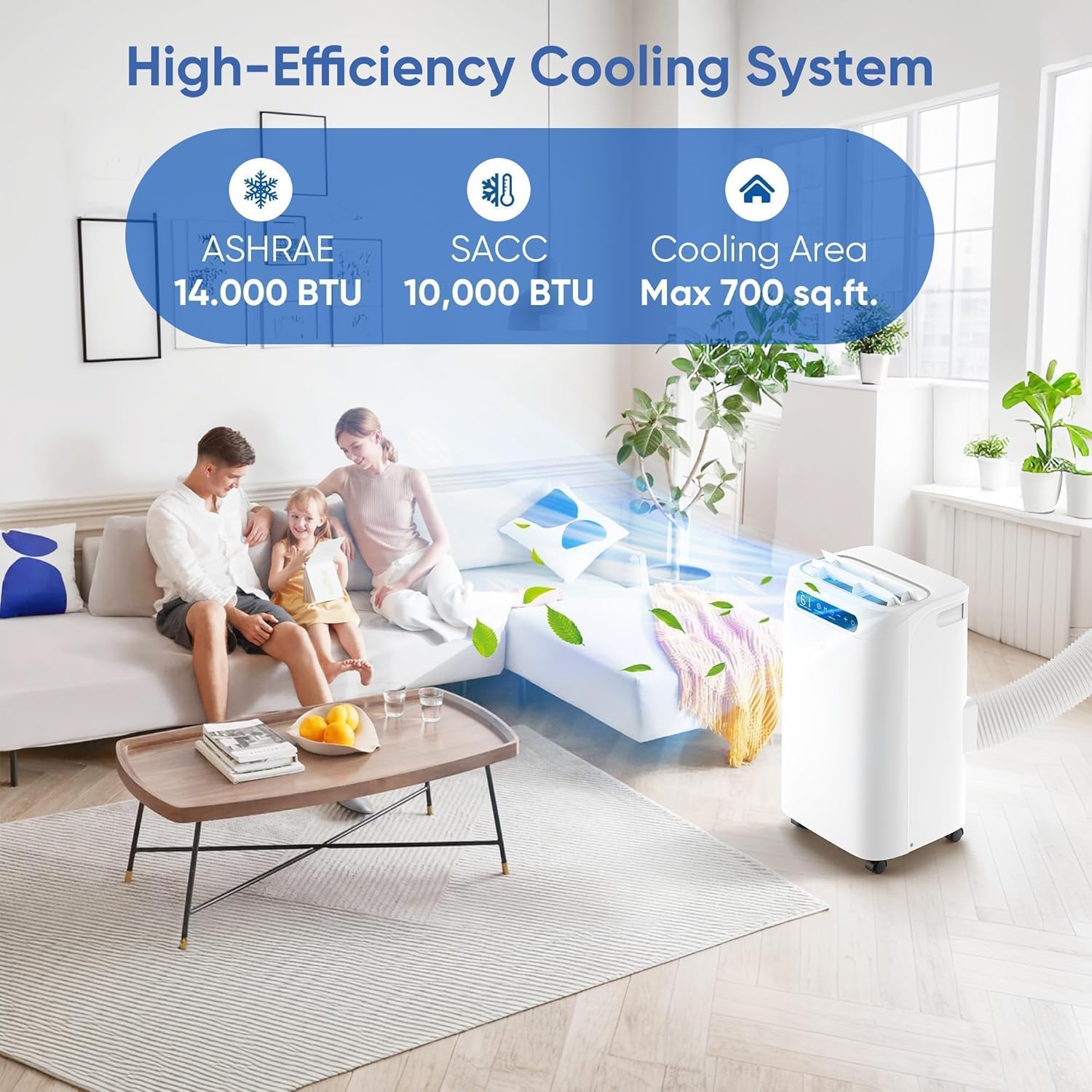
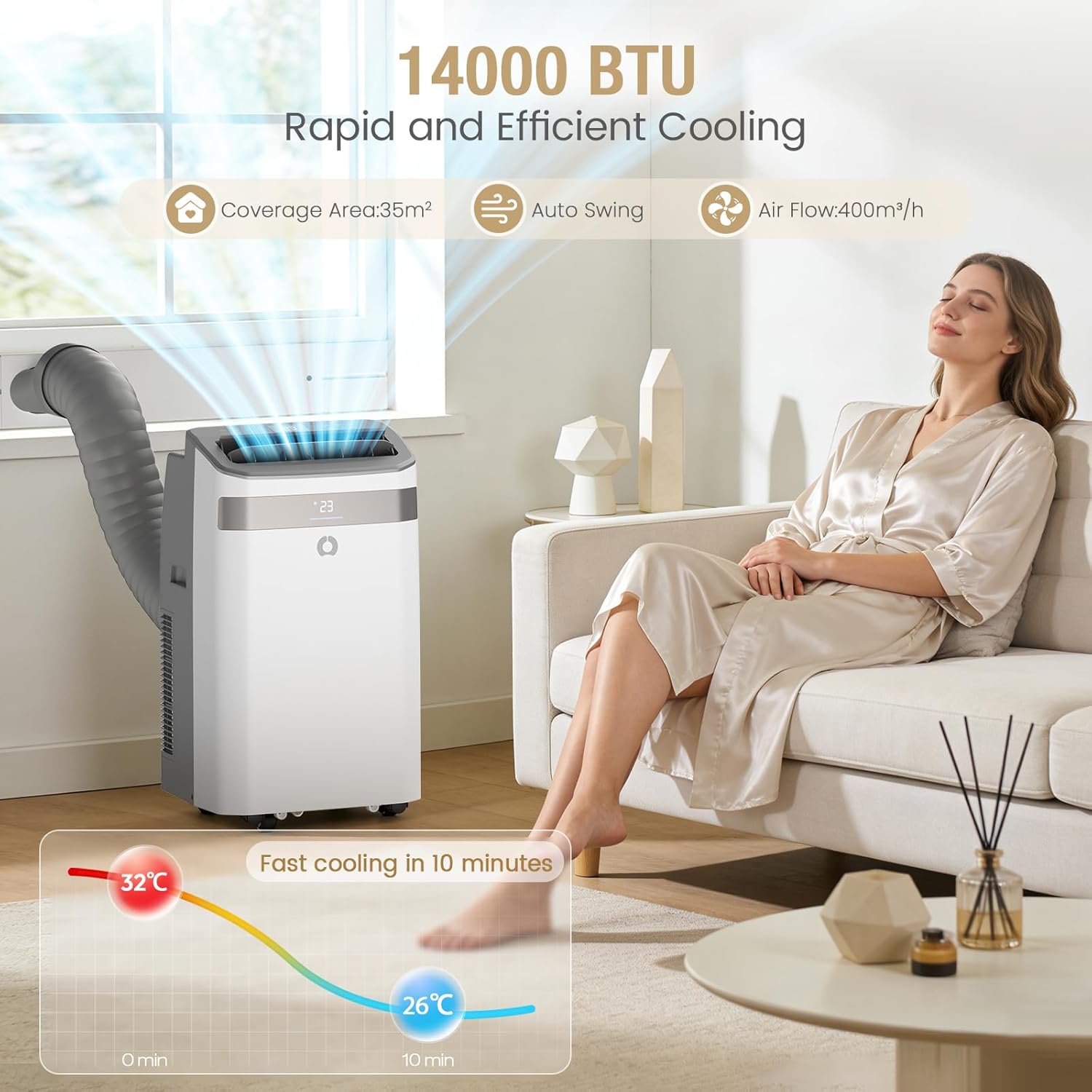
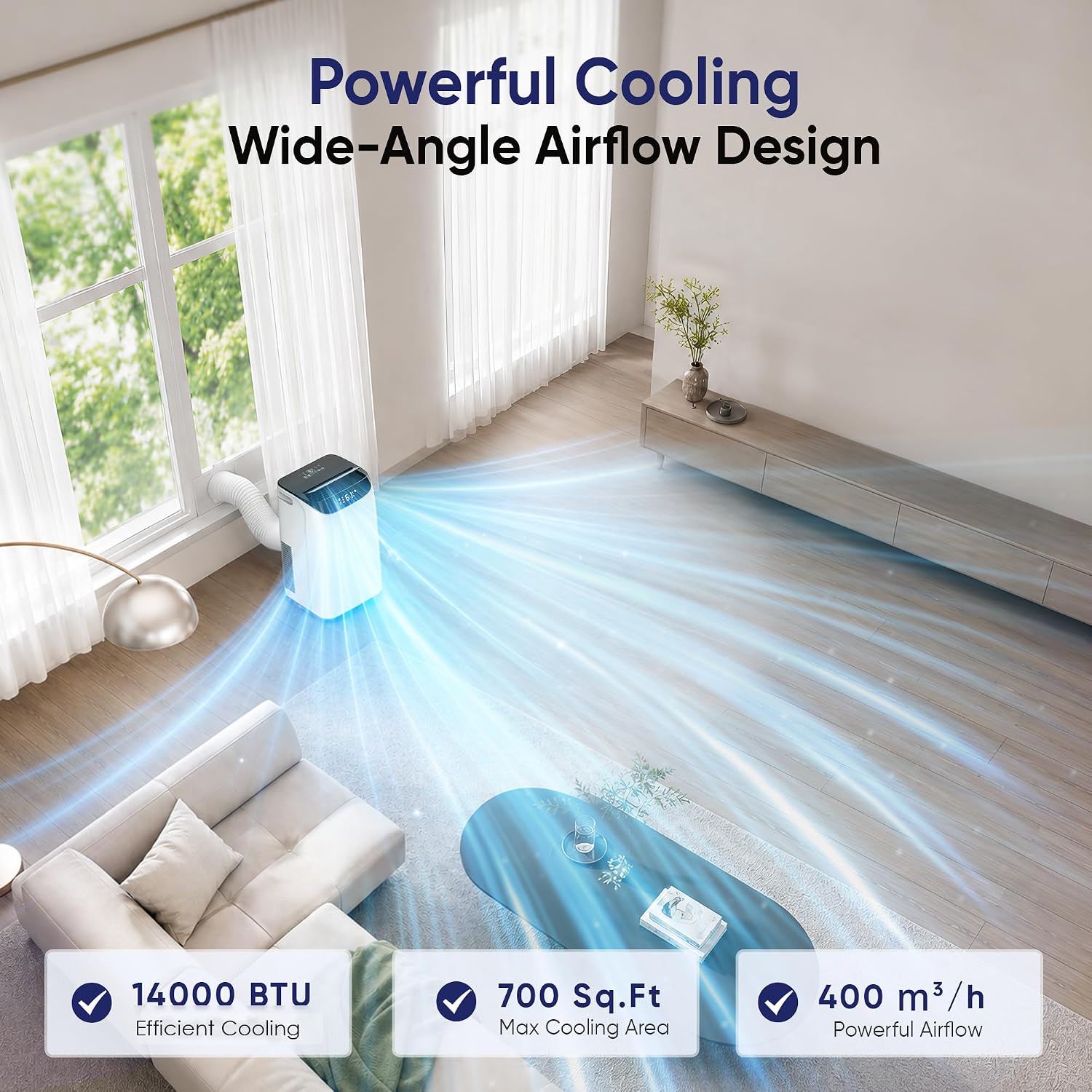
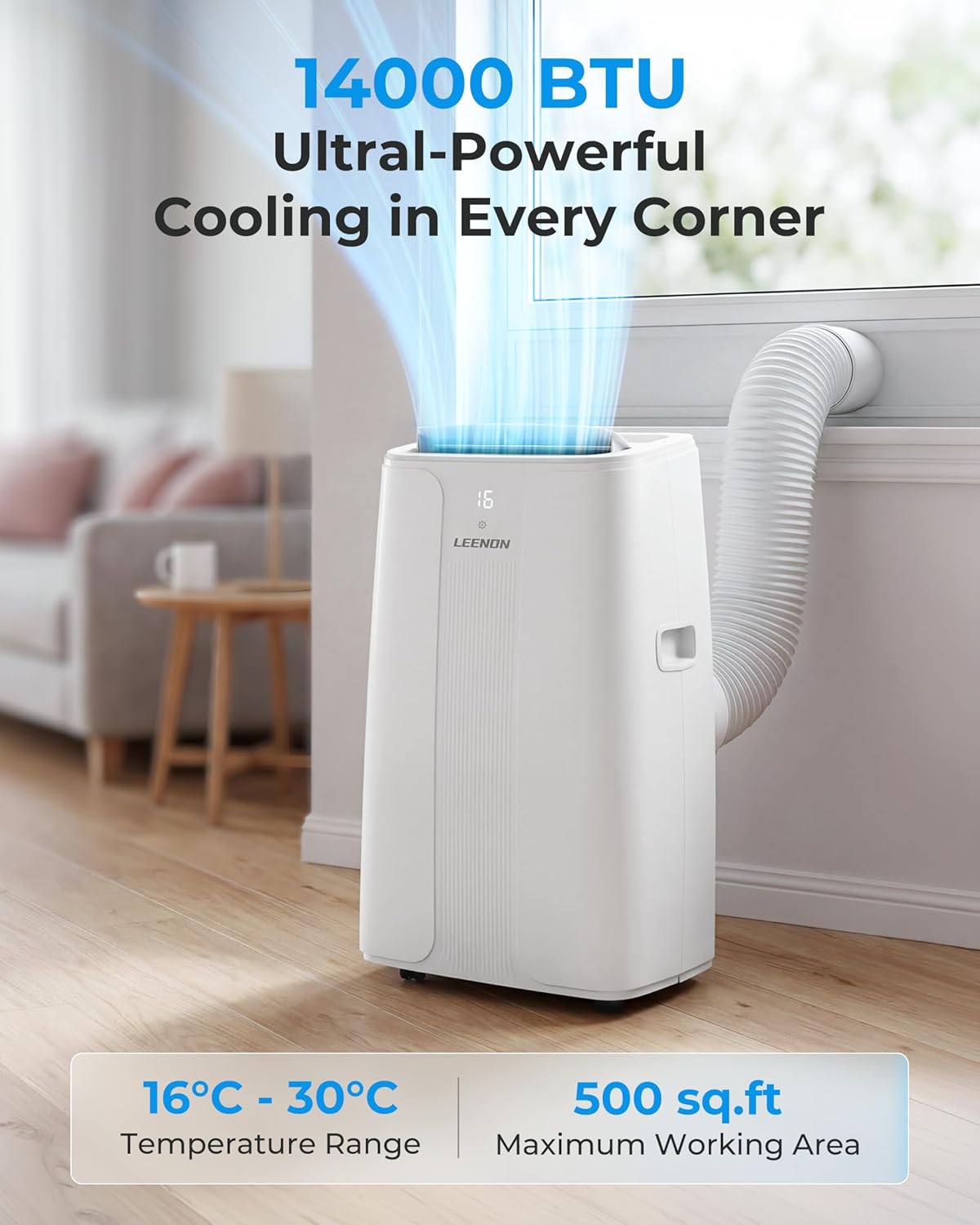
- Typical 14000 BTU portable air conditioners are rated for approximately 35–50 m² rooms, depending on insulation and ceiling height.
- Switching from an older portable unit to a modern energy efficient model can reduce cooling related electricity use by an estimated 10–30 percent.
- Dehumidification modes on many portable air conditioners can remove several litres of moisture from indoor air per day in humid climates.
- Noise levels for portable air conditioners commonly range between 50 and 65 dB at standard fan speeds, with quiet modes reducing this by several decibels.
Common questions about 14000 BTU portable air conditioners
Are 14000 BTU portable air conditioners enough for large living rooms ?
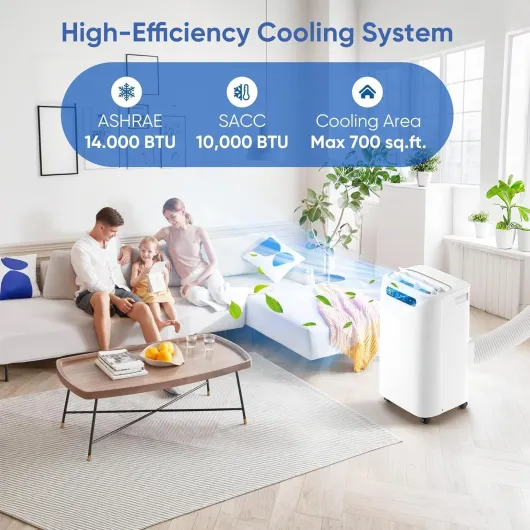
A 14000 BTU portable air conditioner can handle many medium to large living rooms, especially those around 35–40 m² with average ceiling height and reasonable insulation. In very open plan spaces or rooms with large sun exposed windows, performance may feel weaker, and users might need additional shading or a second unit. Always compare the stated coverage area of the product with the actual size and layout of your room.
Do portable air conditioners use more energy than window units ?
Portable air conditioners often have slightly higher energy consumption than comparable window units because of duct losses and less efficient exhaust paths. However, the gap has narrowed as newer portable units improve energy efficiency and add smart temperature control. For renters or people who cannot install a window unit, a modern energy efficient portable air conditioner can still be a practical compromise.
How loud are 14000 BTU portable air conditioners in bedrooms ?
Noise level varies widely, but many 14000 BTU portable air conditioners operate around 50–60 dB on standard settings, which is similar to a conversation. Quiet or sleep modes can reduce fan speed and compressor cycling, lowering perceived noise for bedroom use. When possible, check independent tests or user reviews that describe real world sound rather than relying only on manufacturer specifications.
Can one portable air conditioner cool several rooms at once ?
A single portable air conditioner works best when dedicated to one main room with doors mostly closed. Trying to cool multiple rooms through open doors or hallways usually leads to uneven temperatures and higher energy consumption. For multi room comfort, consider using separate units, improving insulation, or combining targeted cooling with fans to move air more effectively.
What maintenance do portable air conditioners require ?
Routine maintenance for portable air conditioners includes cleaning or replacing air filters, draining condensate when necessary, and checking the window kit for leaks. Keeping the exhaust hose straight and unobstructed helps maintain cooling power and protects the compressor. At the end of the warm season, store the unit in a dry place, clean the filters, and inspect the hose and seals so it is ready for the next period of high temperatures.