

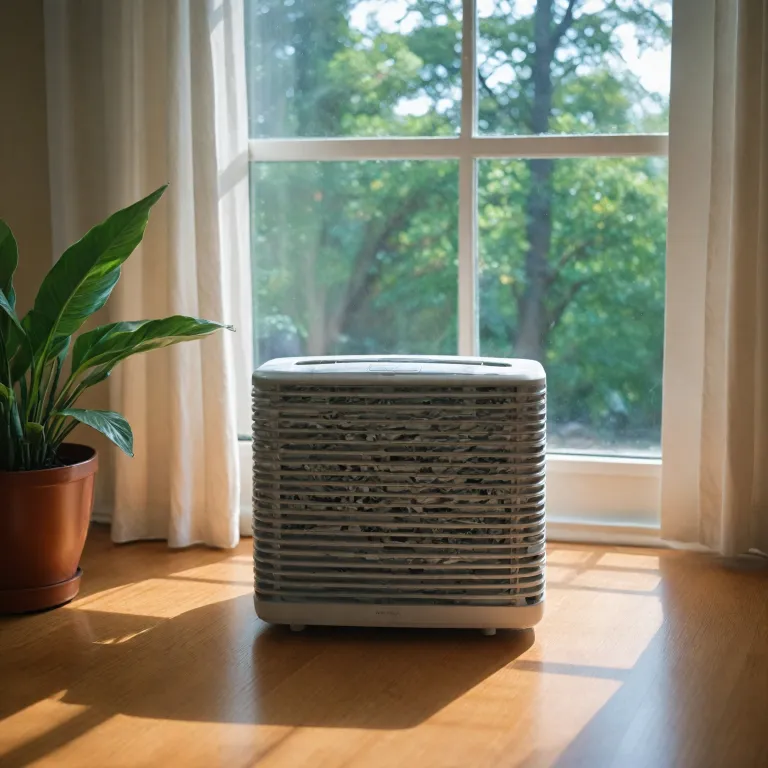
Understanding swamp cooler pads and their role in portable air conditioners
How Swamp Cooler Pads Drive Evaporative Cooling
Swamp coolers, also known as evaporative coolers, rely on a simple yet effective process to cool air. At the heart of this process are the cooler pads. These pads are designed to absorb water and allow air to pass through, which creates a cooling effect as the water evaporates. The result is a steady stream of cooler air circulated throughout your space.
The Role of Pads in Portable Air Conditioners
In portable air conditioners that use evaporative cooling, the quality and type of swamp cooler pads can make a big difference. The pads act as a filter and a medium for water distribution, ensuring that air passing through is both cooled and somewhat cleaned. Pads made from aspen wood fibers, cellulose, or rigid media each have their own strengths, which we’ll explore further. The right pad will help your cooler work efficiently, especially in dry climates where evaporative coolers perform best.
Why Pad Material and Maintenance Matter
Not all cooler pads are created equal. Aspen pads, for example, are made from natural aspen wood fibers and are known for their ability to absorb water well. Other pads use synthetic or cellulose materials, which can last longer and resist scale buildup from hard water. Regular maintenance is essential to keep your cooler parts clean and to prevent issues like scale or mineral deposits, especially if you use hard water or a water softener. Clean pads also help maintain air quality and cooling performance.
Understanding the Full Cooling System
Inside your cooler, the pad works alongside other components like water pumps, filters, and water distribution systems. If any part fails, the efficiency of your evaporative cooler drops. That’s why it’s important to know how these parts interact and what signs indicate it’s time to replace your pads. For a deeper look at choosing the right portable air conditioner and understanding how these systems work together, check out this guide to portable air conditioners.

Key features to look for in the best swamp cooler pads
What Makes a Swamp Cooler Pad Effective?
When searching for the best swamp cooler pads for your portable air conditioner, it’s important to focus on features that directly impact cooling performance and pad longevity. Not all pads are created equal, and the right choice can make a big difference in how well your evaporative cooler works, especially during hot, dry weather.
- Absorption and Water Distribution: The ability of a pad to absorb water and distribute it evenly is crucial. Pads that hold water well allow for better evaporative cooling, helping your cooler deliver consistent, refreshing air. Look for pads designed to stay saturated longer, especially if your area has hard water or if you use a water softener.
- Material Quality: Aspen pads, made from aspen wood fibers, are a popular choice for their natural absorption and cooling properties. Rigid media pads, often used in commercial coolers, offer durability and can last longer, but may require more maintenance to stay clean. The choice between aspen and rigid media often depends on your cooling needs and how often you want to replace the pad.
- Pad Thickness and Density: Thicker, denser pads generally provide better cooling because they hold more water. However, they also need a strong water distribution system inside the cooler to stay fully saturated. Standard pads may be thinner and less efficient, so consider your cooler’s capacity and water flow when choosing.
- Compatibility with Your Cooler: Not all pads fit every evaporative cooler. Check the size and shape of your cooler parts to ensure the pad fits snugly and covers the water distribution area. Using the wrong size can reduce efficiency and cause uneven cooling.
- Resistance to Scale and Mold: Pads that resist scale buildup and mold growth will last longer and keep your air cleaner. This is especially important if you use hard water or if your cooler runs for long periods. Some pads come with built-in filters or antimicrobial treatments for added protection.
Choosing the right cooler pad is not just about cooling power. It’s also about how well the pad works with your specific evaporative cooler, how easy it is to clean, and how long it will last before needing replacement. For more details on how different portable air conditioners interact with various pad types, check out this guide to understanding the AeonAir portable air conditioner.
Comparing common materials used in swamp cooler pads
Comparing Popular Swamp Cooler Pad Materials
When it comes to portable air conditioners that use evaporative cooling, the type of swamp cooler pad you choose makes a big difference in performance, maintenance, and air quality. There are several materials commonly used in cooler pads, each with its own strengths and drawbacks. Understanding these can help you select the right pad for your needs.
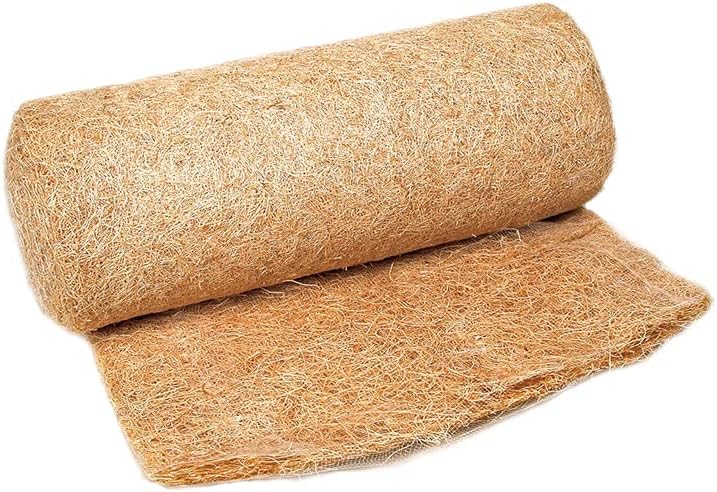
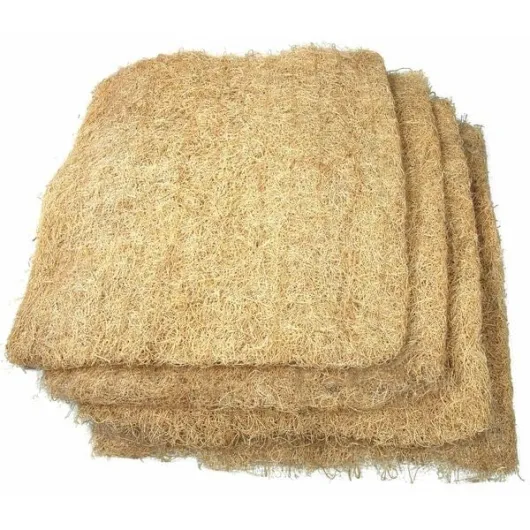
- Aspen Wood Pads: These are made from natural aspen wood fibers. Aspen pads are popular for their high water absorption and ability to provide effective cooling. The wood fibers allow water to spread evenly, supporting efficient evaporation. However, aspen pads can break down faster, especially if your water supply is hard or contains a lot of minerals. They may need to be replaced more often to keep your cooler working well.
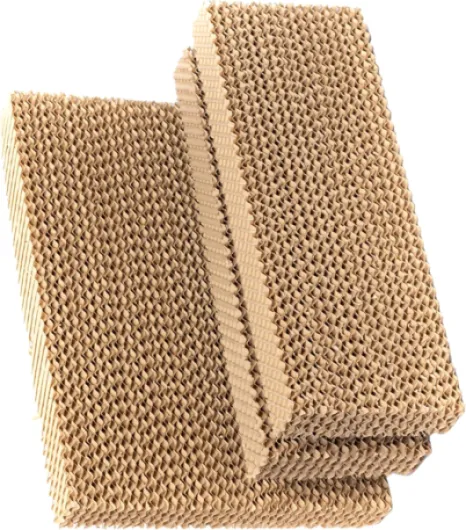
- Cellulose (Rigid Media) Pads: Sometimes called "honeycomb" or "rigid media," these pads are made from cellulose material formed into a thick, structured block. They last longer than aspen pads and are more resistant to scale buildup from hard water. Rigid media pads provide consistent airflow and cooling, making them a good choice for both residential and commercial evaporative coolers. They tend to cost more upfront but can save money over time due to their durability.
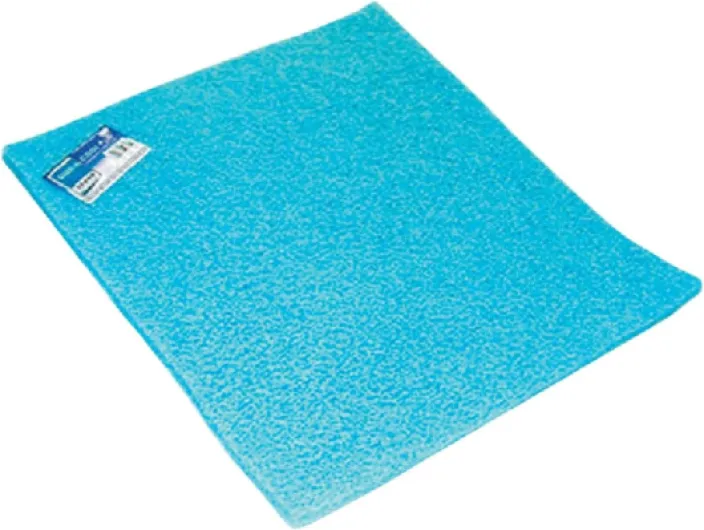
- Synthetic Fiber Pads: These pads use man-made fibers and are designed to resist mold and mildew. They are easy to clean and maintain, but may not absorb water as efficiently as aspen or cellulose pads. Synthetic pads are often used in environments where air quality and cleanliness are top priorities.
When choosing between these materials, consider your local water quality, how often you want to replace the pad, and your cooling needs. For example, if you have hard water, using a water softener or filters can help extend the life of your pads and reduce scale buildup inside the cooler. Regular cleaning and maintenance are also key to keeping your cooler parts in good shape.
For a deeper dive into the pros and cons of each pad material, check out this guide to choosing the right pads for your evaporative cooler. It covers everything from water distribution to maximizing the lifespan of your pads.
How to maintain and replace swamp cooler pads
Steps for Cleaning and Replacing Swamp Cooler Pads
Regular maintenance of your swamp cooler pads is essential for keeping your portable air conditioner running efficiently. Over time, pads can become clogged with mineral deposits, dust, and debris, especially if you use hard water or live in a dusty area. Here’s how you can keep your cooler pads in top shape:- Turn off and unplug the unit before starting any maintenance to ensure safety.
- Open the cooler and carefully remove the pads. Most portable evaporative coolers have easy-access panels for this purpose.
- Inspect the pads for signs of scale, mold, or excessive wear. Aspen pads and rigid media pads may show different signs of aging, but both should be checked for brittleness or odor.
- Rinse the pads with clean water. For aspen wood pads, gently shake off debris and rinse to remove dust and mineral buildup. Avoid using harsh chemicals, as they can damage the wood fibers.
- Soak stubborn deposits in a solution of water and mild vinegar if needed, especially for hard water scale. Rinse thoroughly before reinstalling.
- Replace pads if they remain clogged, have a persistent odor, or the fibers are breaking apart. Standard aspen pads typically last one season, while rigid media pads may last longer with proper care.
- Check water distribution inside the cooler. Make sure the water pump and distribution system are working well so pads absorb water evenly. Clogged filters or a faulty water heater can affect cooling performance.
- Reassemble the cooler and run it briefly to ensure everything is working as it should.
Tips for Prolonging Pad Life
- Use a water softener if your area has hard water. This helps prevent scale buildup on the pads and inside cooler parts.
- Clean the water tank and filters regularly to avoid mold and mineral deposits.
- Store pads in a dry place during the off-season to prevent mold growth.
- Choose quality pads made from aspen wood fibers or rigid media for commercial or heavy-duty use, as these tend to last longer and provide better evaporative cooling.
Signs your swamp cooler pad needs replacing
How to Spot a Worn-Out Swamp Cooler Pad
Recognizing when your swamp cooler pad needs replacing is essential for keeping your portable air conditioner working well. Over time, pads lose their ability to absorb water and support efficient evaporative cooling. Here are some clear signs to watch for:- Reduced cooling performance: If your cooler isn’t providing the same level of cool air as before, the pad may be clogged or degraded. This can happen with both aspen pads and rigid media types.
- Visible mineral buildup: Hard water can leave scale deposits on the pad. If you see white or chalky residue, it’s a sign the pad is not absorbing water as it should. Using a water softener or regular cleaning can help, but eventually, replacement is necessary.
- Unpleasant odors: A musty or moldy smell coming from your evaporative cooler often means the pad is harboring bacteria or mold. Pads made from aspen wood fibers are especially prone to this if not changed regularly.
- Pad discoloration or brittleness: Over time, pads can become discolored, thin, or brittle. Aspen pads, in particular, break down faster than synthetic or rigid media pads. If the pad feels crumbly or looks worn, it’s time for a new one.
- Poor water distribution: If water isn’t spreading evenly across the pad, it can’t cool the air efficiently. Check inside the cooler for dry spots or uneven wetness on the pad surface.
When to Replace for Best Results
Most standard swamp cooler pads last one season, but this can vary based on water quality, frequency of use, and pad material. Commercial coolers or those using hard water may need pad changes more often. Regular inspection of your cooler parts, including filters and water distribution systems, helps pads last longer. If you notice any of the above signs, don’t wait—replace the pad to keep your evaporative cooler running efficiently and your air clean.Tips for maximizing efficiency with your portable air conditioner
Simple ways to boost your swamp cooler’s performance
- Keep pads clean and moist. Dirty or dry pads can’t absorb water well, which reduces evaporative cooling. Rinse or replace pads regularly, especially during heavy use. For aspen pads, shake out loose wood fibers before installing.
- Check water distribution. Make sure water flows evenly across the entire pad surface inside the cooler. Uneven wetting leads to dry spots, which cut cooling efficiency. Inspect water lines and distribution trays for clogs or scale buildup, especially if you have hard water.
- Use the right water. Hard water can cause mineral deposits on pads and cooler parts. If possible, use a water softener or filters to reduce scale. This helps pads last longer and keeps the evaporative cooler working well.
- Ventilate the space. Swamp coolers work best with good airflow. Crack a window or door to allow fresh air to circulate. This prevents humidity from building up and helps the air stay cool.
- Replace pads as needed. Don’t wait for obvious signs of wear. Old or clogged pads swamp the system and reduce cooling. Aspen wood pads typically need replacing every season, while rigid media pads may last longer with proper care.
- Maintain other cooler parts. Clean the water tank, check the pump, and inspect the fan. Scale or debris in the water heater or pump can affect water flow and cooling performance.
Extra tips for commercial and home use
- For commercial evaporative coolers, schedule regular maintenance to keep pads and water distribution systems in top shape.
- In areas with very hard water, consider using distilled water or installing a filter to protect pads and internal components.
- Always follow the manufacturer’s instructions for your specific cooler and pad type, whether using aspen pads, rigid media, or synthetic options.
By keeping your cooler pads clean, ensuring proper water flow, and maintaining all cooler parts, you’ll get the most out of your portable evaporative cooler and enjoy efficient, reliable cooling all season long.