
Understanding the rv swamp cooler
How Swamp Coolers Work in an RV Setting
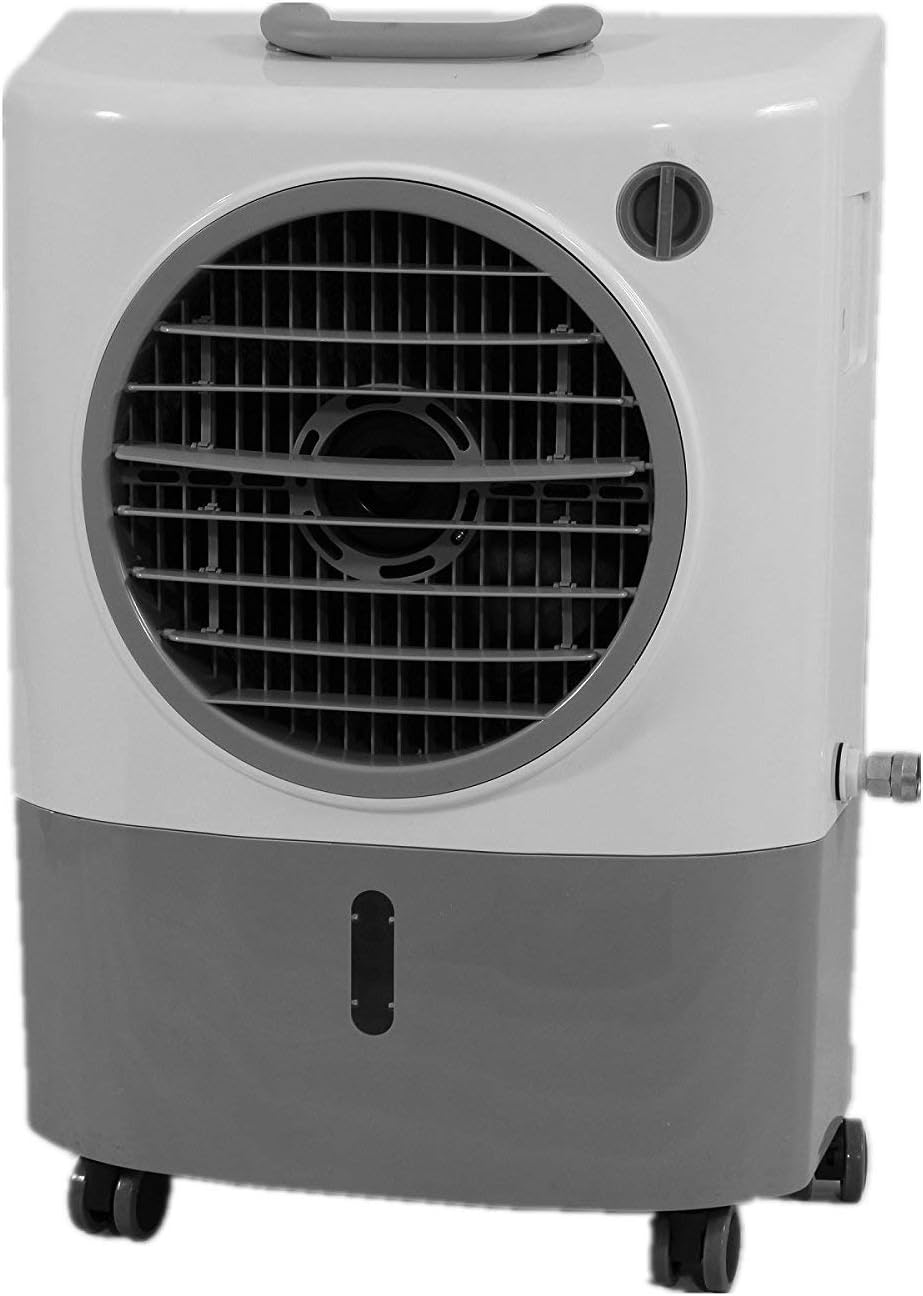
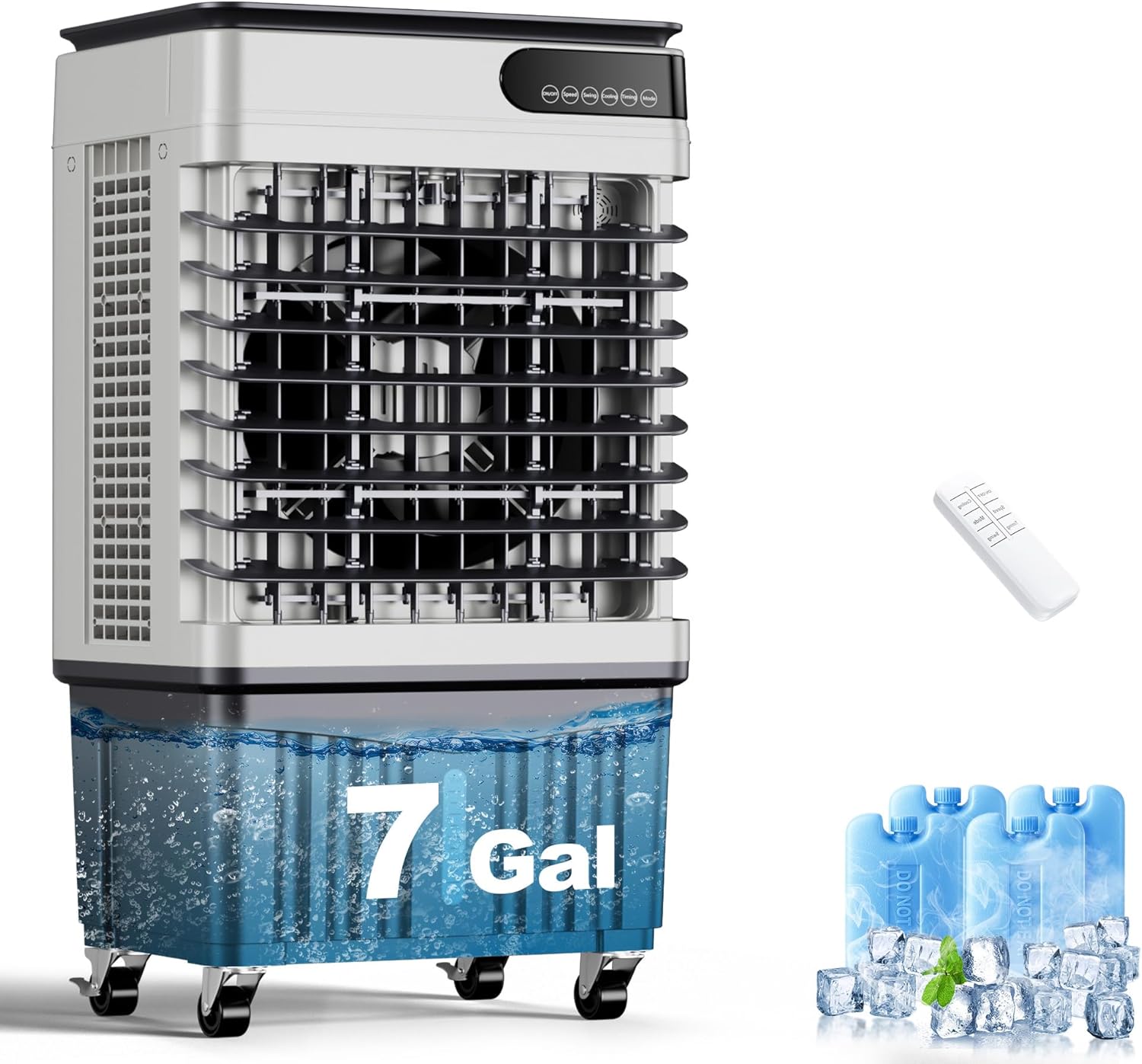
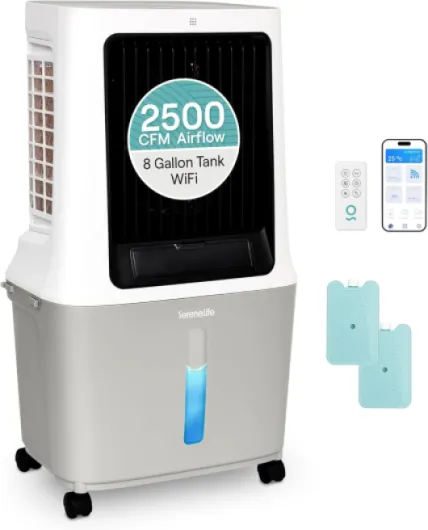
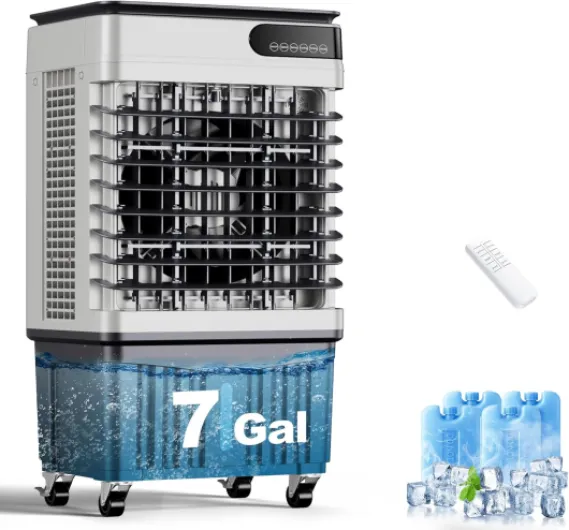
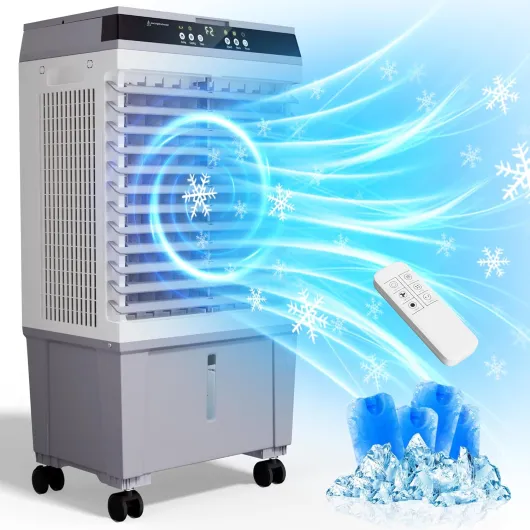
When you’re traveling in your RV, keeping cool can be a challenge, especially in dry, hot climates. One option that stands out is the evaporative swamp cooler. Unlike a traditional air conditioner, a swamp cooler uses the natural process of evaporative cooling to provide relief from the heat. Here’s how it works: a fan draws warm air through water-saturated pads. As the air passes through, the water evaporates, which cools the air before it’s blown into your RV. This process is energy-efficient and works best in areas with low humidity.
Key Components and Operation
- Water Tank: The swamp cooler has a small tank you fill with water. Some models, like the popular Turbokool, make it easy to refill even while on the road.
- Evaporative Pads: These pads are essential for the cooling process. If you want to learn more about how these pads improve portable air conditioner performance, check out this guide on evaporative cooling pads.
- Fan and Speed Settings: The built-in fan pulls hot air through the pads and pushes cool air into your RV. Many coolers offer multiple speed options for better control.
- Exhaust Fan: Some RV swamp coolers include an exhaust fan to help circulate air and remove excess humidity.
Different Types and Power Options
There are several types of evaporative coolers for RVs, including portable air coolers and 12-volt evaporative coolers. Portable swamp coolers are easy to move and can be used in various spaces, while built-in models are more permanent. You can find these coolers at most coolers shop or online stores specializing in RV accessories. When buying, consider the size of your RV, the tank capacity, and whether you need a model that runs on 12-volt power for off-grid use.
Why Choose an Evaporative Swamp Cooler?
Evaporative swamp coolers are especially effective in arid regions where traditional air conditioners might struggle or use too much energy. They’re also quieter and often more affordable. However, they do require regular maintenance, such as refilling the water tank and cleaning the pads. If you’re looking for a cooling solution that’s efficient and eco-friendly, a swamp cooler could be a smart choice for your RV adventures.

Benefits of using a swamp cooler in your RV
Why Swamp Coolers Stand Out for RV Comfort
Swamp coolers, also known as evaporative coolers, are a popular choice for RV owners seeking relief from the heat. Unlike traditional air conditioners, these coolers use the natural process of evaporative cooling to lower air temperature. By drawing warm air through water-saturated pads, they deliver a steady stream of cool air into your RV. This method is energy-efficient and can be especially effective in dry climates where humidity is low.
Key Advantages of Using a Swamp Cooler in Your RV
- Energy Efficiency: Swamp coolers typically use less electricity than portable air conditioners. This is great for RVers who rely on batteries or solar power during their travels.
- Eco-Friendly Operation: Since they use water and a simple fan, evaporative swamp coolers avoid the use of chemical refrigerants found in many air conditioners.
- Easy Maintenance: Most models, like the Turbokool or other small portable units, require only regular water tank refills and occasional pad replacements. For more on this, check out choosing the right pads for your evaporative cooler.
- Cost-Effective: Swamp coolers are generally less expensive to buy and operate compared to air conditioners. You can often find a variety of coolers at your local coolers shop or online store, making it easy to compare options before buying.
- Fresh Air Circulation: These coolers continuously pull in outside air, helping to keep your RV feeling fresh and reducing stuffiness. The exhaust fan and adjustable speed settings let you control airflow for maximum comfort.
Practical Features for On-the-Road Use
Many RV swamp coolers are designed with portability in mind. They are compact, lightweight, and easy to move from one spot to another. Some models come with a large water tank for extended cooling, while others allow you to fill the tank quickly at a stop. Volt evaporative coolers are also available for those who need compatibility with different power sources. Whether you’re shopping for a cooler van setup or a small portable air cooler for your business on the road, there are plenty of options to suit your needs.
By providing relief from the heat and keeping energy costs low, swamp coolers offer a practical alternative to traditional air conditioners for RVers. As you explore cooling solutions, consider how an evaporative cooler can enhance your travel experience and keep your adventures comfortable.
Limitations and challenges of swamp coolers
Common Drawbacks of Swamp Coolers in RVs
While an RV swamp cooler can provide relief from the heat, it’s important to recognize its limitations before making a buying decision. Unlike a traditional portable air conditioner, an evaporative swamp cooler relies on water evaporation to cool air. This process works best in dry climates, but it can struggle in humid environments where the air is already saturated with moisture. As a result, the cooling effect may be less noticeable when humidity rises, and you might not get the same comfort as with a portable air conditioner.
Water and Maintenance Requirements
Swamp coolers need a steady supply of water to operate. You’ll need to regularly fill the tank, which can be inconvenient if you’re traveling in remote areas or want to minimize stops. The water tank size on small evaporative coolers is often limited, so frequent refills are common. In addition, mineral buildup from hard water can affect performance, requiring you to clean the cooler and check the evaporative pads. If you skip maintenance, you risk reduced cooling efficiency and potential odors.
Airflow and Cooling Power
Evaporative coolers use a fan to draw warm air through wet pads, but their cooling power is generally less than that of portable air conditioners. While they can lower the temperature by a few degrees, they may not be sufficient during extreme heat. The speed and effectiveness of the fan, as well as the size of your RV, play a role in how much cool air you’ll actually feel. Some models, like the Turbokool, are designed for better airflow, but even these have their limits compared to a dedicated air conditioner.
Ventilation and Exhaust
Proper ventilation is crucial for evaporative cooling. If your RV is tightly sealed, the swamp cooler’s performance will drop, and excess humidity can build up inside. You may need to use an exhaust fan or open windows to allow moist air to escape, which can be a challenge in certain weather conditions. This is different from portable air conditioners, which typically vent hot air outside through a hose, keeping the interior air drier.
Noise and Power Consumption
Most swamp coolers are quieter than portable air conditioners, but the fan and water pump can still generate noticeable noise, especially at higher speed settings. On the plus side, evaporative coolers generally use less electricity, making them suitable for off-grid use with a 12-volt system. However, if you need consistent, powerful cooling, a portable air conditioner may be a better fit, even if it draws more power.
When to Consider Alternatives
Given these challenges, it’s worth comparing swamp coolers with portable air conditioners and other cooling solutions. If you travel in areas with high humidity or need strong, reliable cooling, a portable air conditioner might be more effective. For troubleshooting common issues with portable air conditioners, you can view this guide on fixing portable air conditioners. Ultimately, your choice depends on your travel style, climate, and willingness to handle water and maintenance tasks.
Comparing rv swamp coolers and portable air conditioners
Key Differences in Cooling Technology
When comparing RV swamp coolers and portable air conditioners, the main distinction lies in their cooling methods. Swamp coolers, also known as evaporative coolers, use water evaporation to provide relief from heat. They draw warm air through wet pads, releasing cool air into your RV. In contrast, portable air conditioners use refrigerant cycles to cool the air, similar to what you find in home air conditioners. This difference affects performance, energy use, and suitability for different climates.
Climate Suitability and Performance
Evaporative swamp coolers perform best in hot, dry environments. The drier the air, the more effective the evaporative cooling process. If you travel in humid regions, you might notice that swamp coolers lose efficiency, as the air is already saturated with moisture. Portable air conditioners, however, can cool air regardless of humidity, making them more versatile for various climates.
Energy Consumption and Power Needs
Swamp coolers generally use less electricity than portable air conditioners. Many models, like the Turbokool or 12-volt evaporative coolers, are designed for off-grid or low-power situations. Portable air conditioners often require more power and may need a generator or shore power connection, which can be a consideration for extended boondocking or off-grid camping.
Installation and Maintenance
- Swamp coolers: Usually lightweight and easy to install. You just need to fill the water tank, and some models can be mounted on a window or roof. Maintenance involves cleaning the pads and refilling the tank.
- Portable air conditioners: Heavier and bulkier. They require an exhaust fan hose to vent hot air outside, which can take up space and limit placement options. Maintenance includes draining condensation and cleaning filters.
Noise and Air Quality
Swamp coolers tend to operate quietly, with only the sound of the fan and water movement. They can also add humidity to the air, which is beneficial in dry climates. Portable air conditioners, on the other hand, can be noisier due to the compressor and exhaust fan. They remove moisture from the air, which can be helpful in humid conditions but may dry out the air in arid regions.
Size, Portability, and Cost
- Swamp coolers: Typically smaller and lighter, making them easy to move and store. They are often more affordable, especially for small RVs or vans.
- Portable air conditioners: Larger and heavier, but offer more powerful cooling. They tend to cost more upfront and may require additional accessories for installation.
Which Cooling Solution Fits Your Needs?
Choosing between a swamp cooler and a portable air conditioner depends on your travel habits, climate, and RV setup. If you often camp in dry areas and want an energy-efficient, low-maintenance option, an evaporative cooler might be the right fit. For those needing consistent cooling in various climates, a portable air conditioner could provide more reliable comfort. Consider your power availability, space, and personal preferences before buying from a coolers shop or store. Both options have their place in the RV world, and understanding these differences can help you make an informed decision.
Tips for maximizing your rv swamp cooler’s performance
Simple Ways to Get the Most Out of Your Swamp Cooler
Getting the best performance from your RV swamp cooler doesn’t have to be complicated. With a few practical steps, you can ensure your evaporative cooler provides relief from the heat, especially when you’re parked in dry climates. Here are some tips to help you maximize cooling efficiency and comfort during your travels.
- Keep the Water Tank Filled: The core of any evaporative swamp cooler is water. Regularly check and refill the tank, especially on hot days. Some coolers, like the Turbokool, have easy-access tanks for quick refills. Running low on water can reduce cooling power and even damage the pump.
- Use the Right Fan Speed: Adjust the fan speed based on your needs. Higher speeds provide more cool air quickly, while lower speeds can be quieter and more energy efficient. Experiment to find the balance that works best for your RV’s size and insulation.
- Ventilation Matters: Swamp coolers work best with good airflow. Crack open a window or use an exhaust fan to let warm air escape and draw in fresh air. This helps the evaporative cooler maintain a steady flow of cool air throughout your RV.
- Maintain Your Cooler: Clean the pads and filters regularly to prevent dust and mineral buildup. This keeps the air fresh and ensures efficient evaporative cooling. If your cooler uses replaceable pads, shop for quality options at a reputable coolers shop or store.
- Choose the Right Location: Place your portable air cooler near a window or door for the best airflow. Avoid blocking the intake or exhaust, and make sure the area around the cooler is clear for optimal performance.
- Monitor Humidity Levels: Swamp coolers are most effective in dry climates. If the air inside your RV becomes too humid, the cooling effect drops. Open vents or use a small exhaust fan to help manage humidity and keep the air feeling fresh.
- Consider Power Needs: Some RV evaporative coolers run on 12-volt power, making them ideal for off-grid use. Check your power setup before buying, especially if you plan to run other appliances or air conditioners at the same time.
By following these steps, you can enjoy efficient, reliable cooling from your swamp cooler. Whether you’re using a compact portable air cooler or a larger evaporative unit, these tips help you stay comfortable on the road.
Choosing the right cooling solution for your RV
Factors to Weigh Before Making Your Choice
When it comes to keeping your RV comfortable, the decision between a swamp cooler and a portable air conditioner depends on several key factors. Each cooling solution has its strengths and limitations, so it’s important to match your needs and travel style with the right technology.
- Climate: Swamp coolers, also known as evaporative coolers, work best in dry, arid regions. If you travel through humid areas, a portable air conditioner will provide more reliable cooling.
- Power Supply: Portable air conditioners generally require more electricity, while evaporative swamp coolers can often run on lower voltages, making them suitable for off-grid or solar setups.
- Water Availability: Swamp coolers need a steady supply of water to fill their tanks. If you’re camping in remote spots with limited water, this could be a challenge.
- Space and Portability: Consider the size of your RV and how much room you have for a cooling unit. Small portable air conditioners and compact evaporative coolers are available, but some models can take up valuable space.
- Maintenance: Swamp coolers require regular cleaning and water refills. Portable air conditioners need filter changes and periodic draining of condensation tanks.
- Noise Level: Some RVers are sensitive to noise. Portable air conditioners and swamp coolers both use fans, but the speed and design can affect how much sound they produce.
- Budget: Prices vary widely. Swamp coolers are often more affordable upfront, while high-end portable air conditioners can be a bigger investment.
Matching Your Needs to the Right Cooling Solution
If you value energy efficiency and travel mainly in dry climates, an evaporative cooler or a model like the Turbokool could provide relief with minimal power draw. For those who need consistent cool air regardless of humidity, a portable air conditioner is the better fit. Some RVers even combine both: using a swamp cooler for most days and switching to an air conditioner when the weather demands it.
When shopping, check the specs for tank size, fan speed, and compatibility with your RV’s power system. Many coolers shop options offer detailed product views and business support for buying decisions. Whether you buy in-store or online, look for reviews that mention real-world performance and ease of use.
Ultimately, the best choice is the one that fits your travel habits, climate, and comfort expectations. Both evaporative coolers and portable air conditioners can provide relief from the heat—just be sure to consider your unique needs before making a purchase.