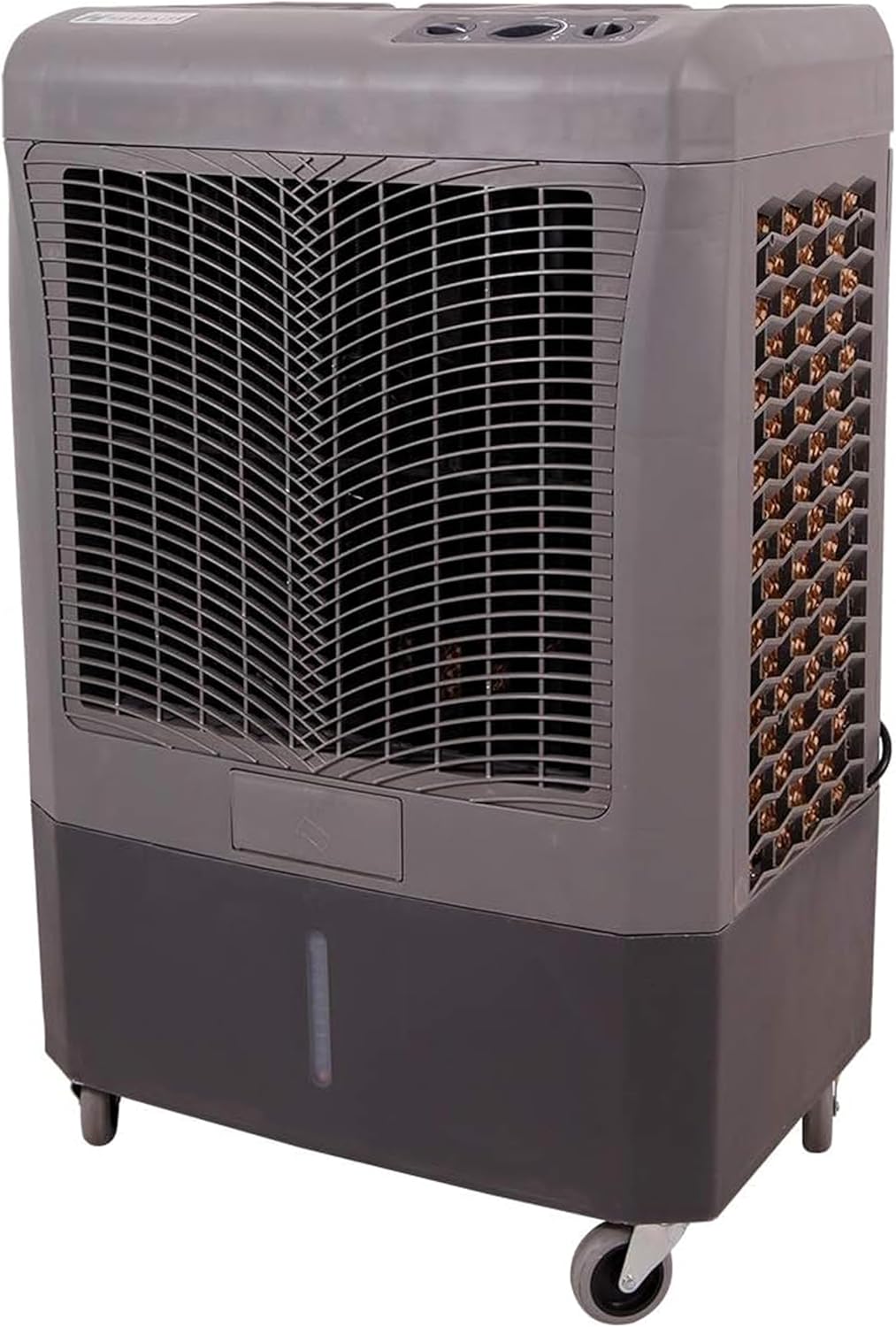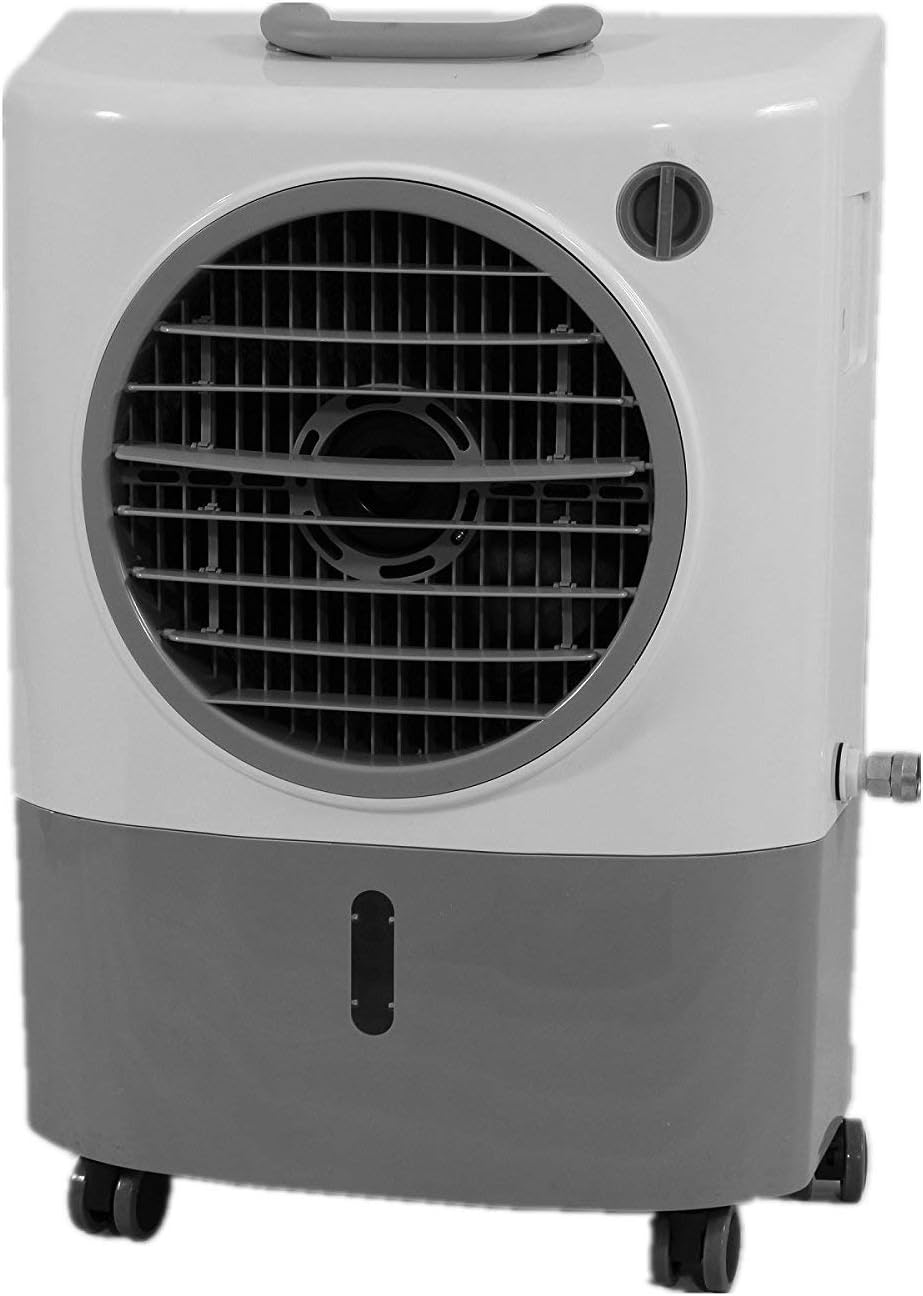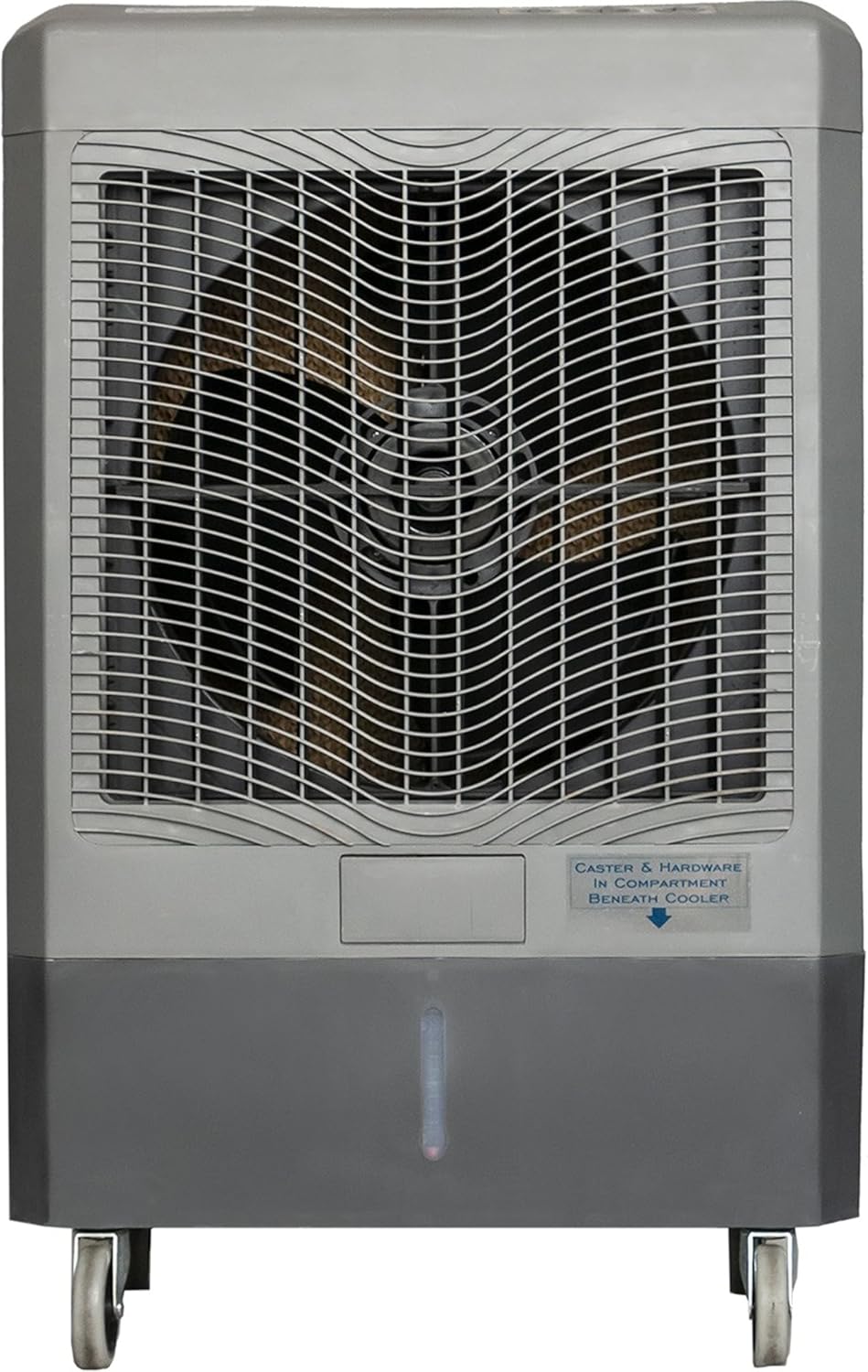

Understanding how evaporative coolers work in a garage
How Evaporative Cooling Transforms Your Garage Environment
When summer months arrive, garages and shop spaces can become uncomfortably hot, especially if you use them for work, hobbies, or business. Traditional air conditioners and window units often struggle in these environments, particularly when the space is large or not well insulated. That’s where evaporative coolers—sometimes called swamp coolers—offer a practical, eco friendly alternative for cooling your garage.
The Science Behind Evaporative Air Cooling
Evaporative coolers work by drawing warm air through water-saturated pads. As the air passes through, the water evaporates, absorbing heat and releasing cooler, moisture-rich air into your garage. This process is especially effective in dry climates, where the added moisture air can make the space feel more comfortable. Unlike traditional air conditioners, evaporative coolers don’t use refrigerants, making them a more environmentally friendly cooling option.
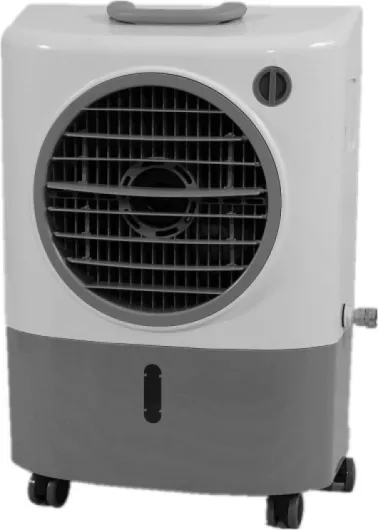
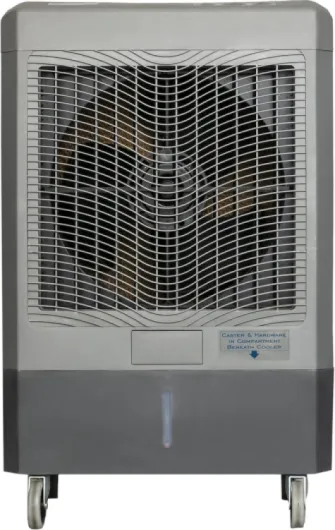
- Portable air coolers are popular for garages because they’re easy to move and set up wherever you need them most.
- Evaporative swamp coolers can help cool hot, stuffy spaces quickly, especially when you keep windows open for proper ventilation.
- These coolers are often more energy efficient than standard air conditioners, helping to reduce your electricity bill during the summer.
Why Garages Need Specialized Cooling
Garages and garage workshops often lack the insulation and airflow found in the rest of your home. This means heat can build up fast, making it tough to work or store items safely. Evaporative coolers are designed to handle these unique challenges, offering portable and flexible options for both residential and business use. They’re also ideal for outdoor or semi-outdoor spaces where traditional air conditioners are less effective.
To learn more about how evaporative coolers compare to other cooling options for unique spaces, check out this guide to attic air conditioners.

Key features to look for in an evaporative cooler for garage use
What Makes a Good Garage Evaporative Cooler?
When searching for the best evaporative cooler for your garage or shop, it’s important to focus on features that match the unique challenges of cooling a garage space. Garages often have less insulation, more open doors, and higher heat loads, especially during the summer months. Here’s what to keep in mind:
- Airflow Capacity: Look for coolers with a high cubic feet per minute (CFM) rating. This ensures enough air movement to cool hot, large spaces like a garage workshop or business area. The right airflow helps distribute cool, moisture-rich air throughout the space.
- Water Tank Size: A larger water tank means longer cooling sessions without frequent refills. If you plan to use your evaporative air cooler for extended periods, especially in summer, a bigger tank is a practical choice.
- Portability: Portable air coolers with sturdy wheels and handles make it easy to move the unit around your garage or even outdoors. This flexibility is useful if you use your garage for multiple purposes or need to cool different zones.
- Durability: Garages can be tough environments. Choose a swamp cooler with a robust build, ideally with rust-resistant materials, to withstand dust, moisture, and occasional bumps.
- Eco Friendly Operation: Evaporative coolers are generally more energy-efficient than traditional air conditioners. Look for models that offer friendly cooling with low power consumption and minimal environmental impact.
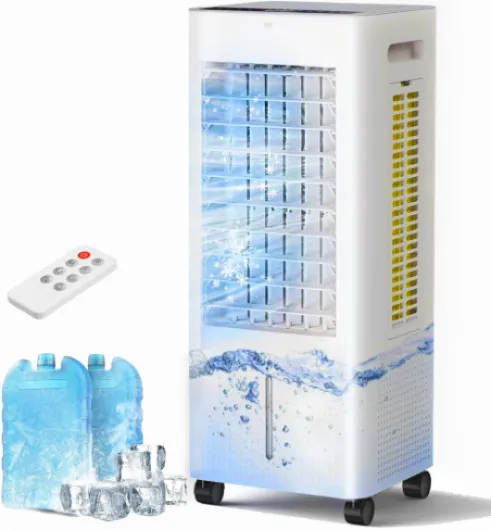
- Adjustable Settings: Multiple fan speeds, oscillating louvers, and variable water fill options let you customize cooling for your space. Some coolers even offer remote controls for added convenience while you work.
- Easy Maintenance: Features like removable water tanks, accessible filters, and simple cleaning procedures make upkeep less of a chore. This is key for long-lasting performance, especially in dusty garage environments.
- Noise Level: If you use your garage as a workspace, quieter swamp coolers can make a big difference in comfort and productivity.
Some garage owners also consider whether the cooler can operate with windows open, which helps with ventilation and prevents excess moisture air buildup. For those who want to learn more about cooling options for different spaces, check out this guide to choosing the right hotel air conditioner for additional insights.
By focusing on these key features, you can find an evaporative swamp cooler that offers reliable, eco friendly cooling for your garage, shop, or outdoor workspace during the hottest summer months.
Sizing your evaporative cooler for optimal garage cooling
Finding the Right Size for Your Garage Space
Choosing the correct size evaporative cooler for your garage or workshop is essential for effective and eco friendly cooling, especially during the hot summer months. If your cooler is too small, it won’t keep up with the heat. If it’s too large, you might waste water and energy. Here’s how to make the right choice for your cool garage or business shop.
- Measure your space: Start by calculating the square footage of your garage. Multiply the length by the width. For example, a 20 x 20 foot garage equals 400 square feet.
- Consider ceiling height: Standard coolers are rated for 8-foot ceilings. If your garage has higher ceilings, you’ll need a more powerful evaporative air cooler to move enough air and moisture.
- Check air movement (CFM): Evaporative coolers are rated by Cubic Feet per Minute (CFM). A good rule of thumb is to have a cooler that can deliver 20 to 40 air changes per hour. For a 400 square foot garage with an 8-foot ceiling, look for a swamp cooler with at least 2,000 CFM.
- Factor in climate and ventilation: Evaporative swamp coolers work best in dry climates and with windows open or doors cracked for airflow. If your garage is well-sealed, you may need to create extra ventilation to allow moist air to escape.
- Portable options: For flexibility, portable air coolers or portable swamp coolers are ideal for moving between different areas of your garage or outdoor workspaces. They’re easy to fill with water and can be positioned wherever cooling is needed most.
Unlike traditional air conditioners or window units, evaporative coolers add moisture to the air, making them more comfortable for shop work or summer projects. If you want to learn how air movement and hoses affect cooling performance, this guide on the role of the hose in portable air conditioning units offers a helpful comparison.
Remember, the right size cooler not only keeps your garage cool but also ensures friendly cooling that’s cost-effective and eco friendly. Always check manufacturer recommendations and featured options to find the best fit for your space evaporative needs.
Installation and placement tips for better performance
Best Placement Strategies for Maximum Cooling
Getting the most out of your evaporative cooler in a garage or shop depends a lot on where you put it. Unlike traditional air conditioners, evaporative coolers (sometimes called swamp coolers) need a steady flow of fresh air to work efficiently. Here are some practical tips to help you cool your garage workshop or business space during the hot summer months:
- Keep windows open: For optimal cooling, always leave a window or door slightly open. This allows the moisture-laden air to escape and brings in fresh, dry air, which is essential for the evaporative process.
- Position near open air: Place your portable air cooler near an open window or door. This helps the cooler draw in outdoor air, which it can then cool and circulate throughout the garage.
- Direct airflow: Aim the cooler’s airflow towards the center of your garage or the area where you spend the most time. If you have a larger space, consider using multiple coolers or fans to distribute the cool air more evenly.
- Avoid obstructions: Make sure there are no large objects blocking the air intake or the output. Clear pathways help the evaporative air move freely, cooling the space more effectively.
Installation Tips for Different Garage Setups
Whether you have a small shop or a spacious garage, installation can make a big difference in performance. Here are some options to consider:
- Portable units: These are easy to move and set up. Just fill the water tank, plug it in, and position it where you need cooling the most. They’re ideal for business spaces or workshops where flexibility is important.
- Window units: Some evaporative coolers are designed to fit into a window. These can offer more powerful cooling for larger garages, but require a suitable window and some installation work.
- Outdoor placement: If you’re working with an open garage or outdoor shop, place the cooler so it pulls in the freshest air possible. This helps the evaporative swamp cooler perform at its best, especially during the hottest summer days.
Water Management and Safety
Evaporative coolers rely on water to function, so it’s important to monitor the water level and refill as needed. Some featured models offer easy-to-fill tanks or even hose connections for continuous use. Always check for leaks and make sure the cooler is on a level surface to avoid spills. Friendly cooling means keeping your space safe and eco friendly, too.
Quick Reference Table: Placement and Installation Tips
| Tip | Why It Matters |
|---|---|
| Windows open | Allows moisture air to escape and brings in dry air for better cooling |
| Near open air | Ensures the cooler uses fresh outdoor air for the evaporative process |
| Direct airflow | Targets cooling where it’s needed most in your garage or shop |
| Portable options | Flexible placement for changing needs and different spaces |
| Water management | Prevents spills and ensures continuous, efficient cooling |
By following these installation and placement tips, you can help your evaporative air cooler deliver efficient, eco friendly cooling for your garage, shop, or business space all summer long. Learn more about maintenance and care to keep your cooler running smoothly in the next section.
Maintenance and care for long-lasting cooling
Simple steps to keep your cooler running smoothly
Regular maintenance is key to ensuring your evaporative cooler delivers reliable cooling in your garage or shop, especially during the hot summer months. Unlike traditional air conditioners, swamp coolers and portable air coolers rely on water evaporation, so a little routine care goes a long way for performance and lifespan.
- Check and refill water: Always keep the water tank filled. Most portable evaporative coolers have a clear indicator or an easy-access fill port. Running the unit dry can damage the pump and reduce cooling efficiency.
- Clean the water tank: Every few weeks, empty and rinse the tank to prevent mineral buildup and mold. If your garage has hard water, consider using distilled water or a water treatment solution for eco friendly, long-lasting cooling.
- Inspect and clean cooling pads: The pads are the heart of your swamp cooler. Remove them periodically and rinse with clean water. Replace them if they look worn or have a musty odor. This keeps the air fresh and the cooler working efficiently.
- Wipe down the exterior: Dust and debris can collect on the outside of your evaporative air cooler, especially in a garage workshop. Use a damp cloth to wipe surfaces and keep air intake vents clear.
- Check the fan and pump: Listen for unusual noises and make sure the fan spins freely. If your cooler offers multiple fan speeds, test each setting. For units with a visible pump, check for clogs or mineral deposits.
Seasonal care for summer and beyond
At the end of the summer, drain all water from the tank and lines. Let the pads dry completely before storing your portable air cooler. This prevents mold and extends the life of your evaporative swamp cooler. If your garage is used year-round, schedule a deep clean before each cooling season.
Troubleshooting common issues
- Weak airflow: Check for clogged pads, blocked vents, or a dirty fan. Cleaning these parts usually restores strong, cool air output.
- Unpleasant odors: This often means the pads or tank need cleaning. Regular maintenance keeps the air in your garage fresh and comfortable.
- Excess moisture: If you notice too much moisture air in your garage, try running the cooler with windows open or a door cracked. This helps balance humidity and supports friendly cooling for your space.
With these simple care steps, your evaporative cooler will offer reliable, eco friendly cooling for your garage, shop, or business. Regular attention ensures you get the most from your investment, keeping your cool garage comfortable even during the hottest summer months.
Common challenges and solutions when cooling a garage
Dealing with High Humidity and Moisture Buildup
One of the main challenges when using an evaporative cooler in a garage is managing humidity. Since these coolers work by adding moisture to the air, a closed garage can quickly become too humid, especially during the summer months. To avoid this, keep windows open or the garage door slightly ajar. This allows fresh air to circulate and prevents excess moisture air from building up, which can help you maintain a comfortable, cool garage environment.
Addressing Limited Cooling in Extreme Heat
Evaporative coolers, sometimes called swamp coolers, are most effective in dry climates. If your garage workshop or shop is located in a humid region, you might notice the cooling effect is less pronounced. In these cases, consider using a portable air cooler as a supplemental option or look for models designed for higher humidity. Some business owners opt for hybrid solutions, combining a window unit with an evaporative air cooler for better results during peak summer heat.
Ensuring Proper Water Management
Evaporative coolers require a steady supply of water to function. Forgetting to fill the tank or using poor-quality water can reduce cooling performance and even damage the unit. Make it a habit to check the water level before each use, and use clean water to prevent mineral buildup. Some coolers offer automatic shut-off features when water is low, which is especially helpful for busy garage workspaces.
Managing Airflow and Placement
Poor placement can limit the effectiveness of your evaporative swamp cooler. For best results, position the cooler near an open window or door to draw in fresh outdoor air. Avoid placing the unit in a corner or against a wall, as this restricts airflow and reduces cooling efficiency. Experiment with different locations in your space evaporative setup to find the most effective spot for friendly cooling.
Troubleshooting Common Performance Issues
- Unpleasant odors: This can happen if water sits too long in the tank. Regularly empty and clean the reservoir to keep your air fresh.
- Reduced airflow: Check for clogged pads or blocked vents. Clean or replace pads as needed to maintain optimal performance.
- Leaking water: Inspect hoses and connections for leaks, and ensure the cooler is level to prevent spills.
By learning how to address these common challenges, you can enjoy eco friendly, effective cooling in your garage all summer long. Whether you use your garage as a workshop, business space, or simply need to cool hot areas, today’s portable evaporative coolers offer flexible options for outdoor and indoor use.