
Understanding single room AC systems
What Makes a Single Room AC System Unique?
Single room air conditioning systems are designed to cool or heat just one space, making them ideal for bedrooms, home offices, or small apartments. Unlike central air systems that serve multiple zones, these units focus their cooling or heating power on a specific area. This targeted approach can help save energy and reduce costs, especially if you only need comfort in one room at a time.
Types of Single Room Air Conditioners
There are several types of single room AC systems available, each with its own advantages. The most common options include:
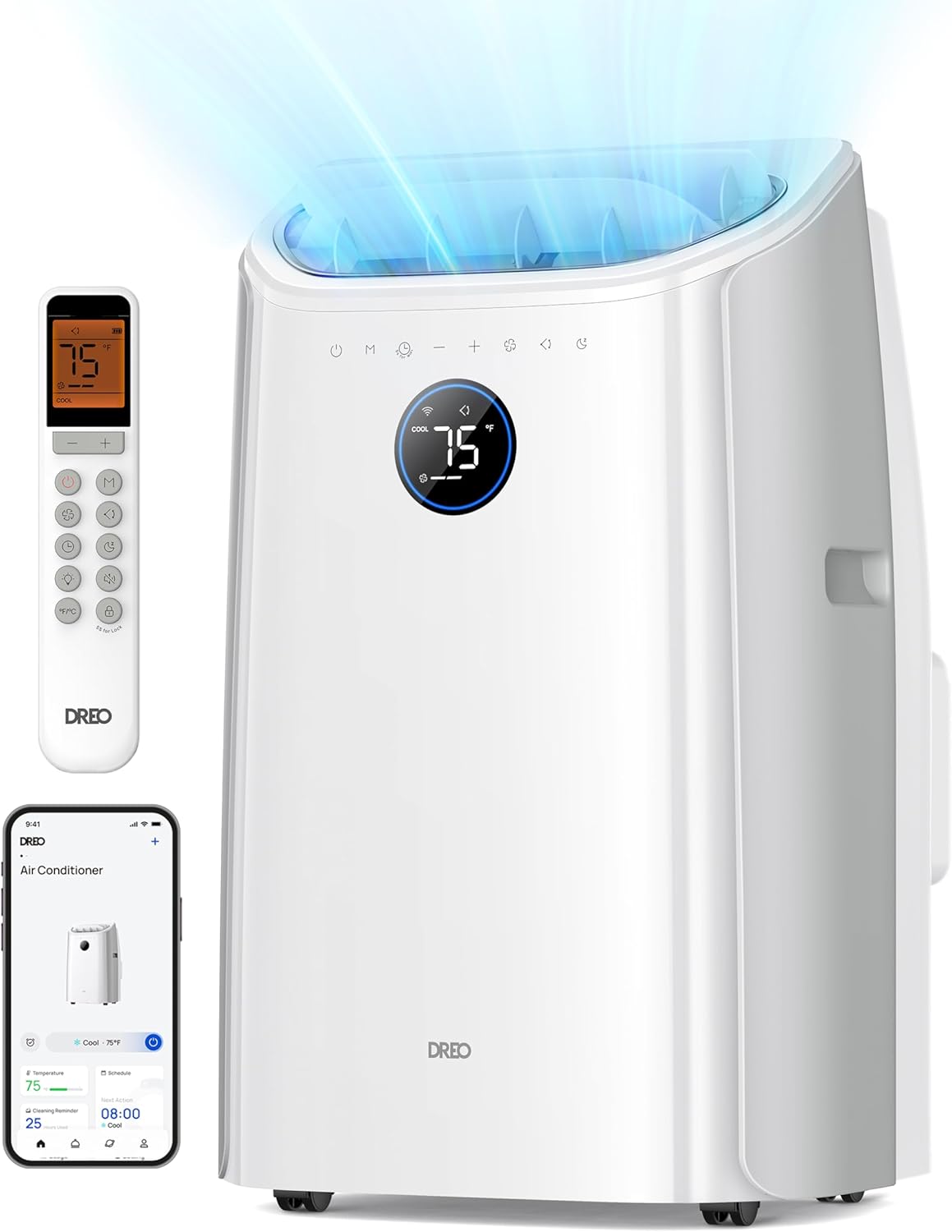
- Portable air conditioners: These units are easy to move and require minimal installation. They typically use a hose to vent hot air outside, making them a flexible choice for renters or those who want a temporary solution. For a deeper look at how the hose works in these systems, check out this guide on the role of the hose in portable air conditioners.
- Window air conditioners: Installed in a window, these units are compact and effective for single rooms. They are generally more affordable than other systems but are less flexible if you want to move them between rooms.
- Mini split systems: These ductless mini split air conditioners consist of an indoor unit and an outdoor unit. They offer efficient cooling and heating, often with higher SEER ratings for energy efficiency. Mini splits are a good choice if you want a permanent, quiet, and wall mounted solution.
How Do These Systems Work?
Single room air conditioners, whether portable, window, or split systems, use refrigerant to transfer heat from inside the room to the outside. Portable and window units usually have a single hose or dual hose system for venting. Mini split systems use a wall mounted indoor unit connected to an outdoor unit, providing both cooling and heating through a heat pump. Some advanced models can be controlled with smart features like Alexa, making it easier to manage your room air comfort.
Key Considerations When Shopping
When you shop for a single room AC system, pay attention to the BTU rating, which indicates the cooling power. The right BTU depends on your room size. Also, look at the SEER rating for energy efficiency, the price, and whether the system offers both heating and cooling. Some units are designed for single zone use, while others can be expanded for multi-zone ductless applications. Features like remote control, timer, and compatibility with smart home systems can also enhance convenience.
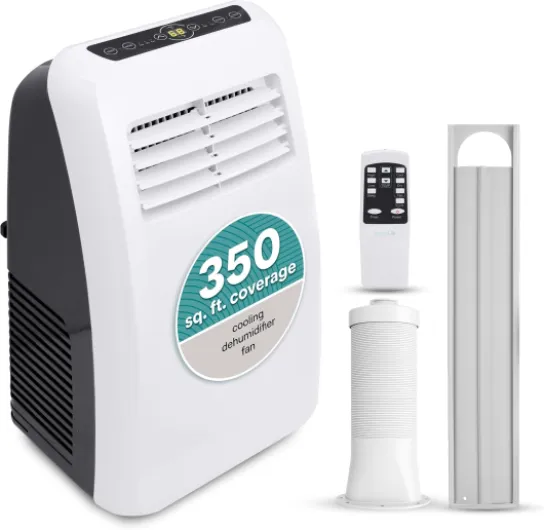
- + 3-in-1 functionality: air conditioning, dehumidification, and fan mode
- + Includes remote control for convenience
- + Complete window mount exhaust kit included
- + Compact and portable design
- + 8,000 BTU cooling capacity

Key features to look for in a portable air conditioner
What Makes a Portable Air Conditioner Stand Out?
When shopping for a portable air conditioner for a single room, it’s important to focus on features that directly impact comfort, convenience, and efficiency. Not all systems are created equal, and the right unit can make a big difference in your daily life. Here’s what to keep in mind as you compare options:
- Cooling Capacity (BTU): The British Thermal Unit (BTU) rating tells you how much cooling power the unit provides. For a single room, most people look for models in the 8,000 to 14,000 BTU range. The right BTU depends on your room size, insulation, and sun exposure. Too few BTUs and the air conditioner will struggle; too many and you’ll waste energy.
- Energy Efficiency (SEER): While SEER (Seasonal Energy Efficiency Ratio) is more common with split systems, some portable units provide energy ratings or stars to help you compare efficiency. More stars or a higher SEER means lower running costs.
- Price and Value: Portable air conditioners come in a wide price range. Consider not just the upfront price, but also long-term operating costs. Features like programmable timers, eco modes, and smart controls (such as works Alexa compatibility) can add value.
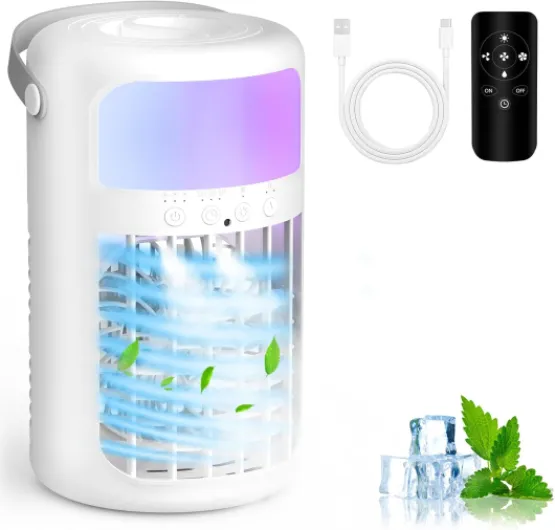
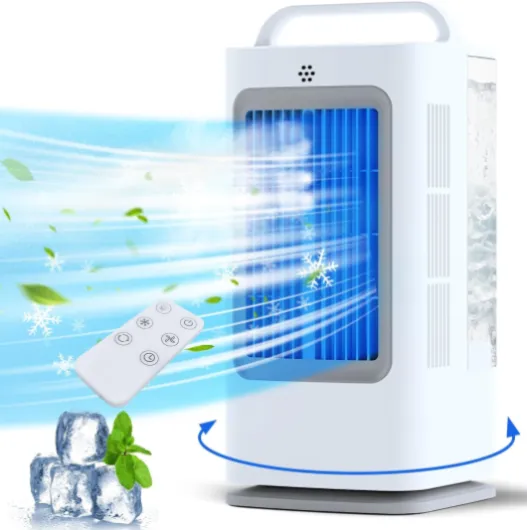
- Size and Portability: Look for a unit that fits your room and can be moved easily. Mini models are ideal for smaller spaces or if you need to move the system between rooms. Check the weight, caster wheels, and handle design.
- Noise Level: Some air conditioners are quieter than others. If you plan to use the unit in a bedroom or office, check the decibel rating. Quieter systems are less disruptive, especially at night.
- Heating and Cooling: Some portable air conditioners double as heat pumps, providing both room heating and cooling. These dual-function models are useful for year-round comfort, especially in single zone or mini split systems.
- Air Filtration: Good indoor air quality matters. Many units include washable filters to trap dust and allergens, improving the air in your single room.
- Smart Features: Modern air conditioners may offer remote controls, smartphone apps, or integration with smart home systems. Features like works Alexa can make it easier to control your indoor climate.
- Installation and Maintenance: While portable units are easier to set up than wall mounted or ductless mini split systems, check what’s required for venting and draining. Easy access to filters and clear maintenance instructions are a plus.
For those considering alternatives, such as split system or ductless mini split air conditioners, it’s helpful to compare how portable units stack up in terms of flexibility and installation. If you’re interested in options that don’t require a window, exploring the benefits of a portable air conditioner without a window can offer more insights.
Ultimately, the best portable air conditioner for your single room will balance cooling power, energy efficiency, price, and convenience. Take the time to compare features and read reviews to find a unit that fits your needs and your space.
Energy efficiency and cost considerations
Evaluating Efficiency and Long-Term Costs
When shopping for a portable air conditioner or any single room AC system, energy efficiency and cost are key factors. The right unit can help you save money on your electricity bill while keeping your room comfortable during both cooling and heating seasons.- BTU Ratings: The cooling power of an air conditioner is measured in BTUs (British Thermal Units). A higher BTU rating means the unit can cool a larger room, but it may use more energy. Matching the BTU to your room size is crucial for efficiency and comfort.
- SEER and EER Ratings: Seasonal Energy Efficiency Ratio (SEER) and Energy Efficiency Ratio (EER) are important for split systems, mini splits, and ductless mini split systems. Higher SEER or EER means better efficiency, which translates to lower operating costs over time.
- Stars and Certifications: Look for Energy Star certified air conditioners. These units meet strict efficiency guidelines and can help reduce your energy consumption.
- Price vs. Long-Term Savings: While a lower price tag might be tempting, consider the long-term cost of running the unit. Efficient systems, such as mini split heat pumps or wall mounted split systems, may cost more upfront but often pay off through lower energy bills.
- Heating and Cooling Functions: Some portable ACs and split heat pump systems offer both cooling and room heating. This dual function can be more cost-effective than running separate systems for each season.
Comparing Portable ACs and Other Systems
Portable air conditioners are often compared to other single zone and multi zone ductless systems. While mini splits and split systems generally offer higher efficiency, portable units are easier to install and move between rooms. Consider how often you’ll use the system and your specific indoor unit needs. If you’re interested in exploring other options, such as through-wall air conditioners, check out this guide on choosing the right through-wall air conditioner for your space.Smart Features and Cost Control
Modern air conditioners, including some portable units, offer smart features like Wi-Fi connectivity and compatibility with voice assistants ("works Alexa"). These can help you control your system remotely, schedule cooling, and optimize energy use, further reducing costs. In summary, balancing the price, BTU, SEER, and smart features will help you select a single room air conditioning system that delivers efficient cooling and heating without breaking the bank.Installation tips for single room AC systems
Setting Up Your Portable Air Conditioner for Maximum Efficiency
Proper installation is key to getting the best performance from your portable air conditioner. Whether you are cooling a single room or supplementing your main air conditioning system, following a few essential steps can help you achieve efficient cooling and heating. Here’s what you need to know:
- Choose the Right Location: Place the unit near a window and a power outlet. Make sure the indoor unit has enough space around it for proper air circulation. Avoid corners or areas blocked by furniture.
- Window Kit Installation: Most portable air conditioners come with a window kit for venting hot air outside. Fit the kit securely to prevent air leaks. This step is crucial for both cooling and heating modes, especially for single zone and mini split systems.
- Sealing Gaps: Ensure there are no gaps around the window kit. Use weather stripping or foam to seal any openings. This prevents warm air from entering and keeps your room air cool.
- Drainage Setup: Some units collect condensation in a tank, while others have a continuous drain option. Check your model’s manual and set up drainage to avoid water overflow, especially if you use the heat pump function.
- Power Requirements: Verify that your outlet matches the unit’s voltage and amperage. Avoid using extension cords, as they can be a fire hazard with high BTU systems.
Tips for Split and Ductless Mini Split Systems
- Wall Mounted Installation: For split systems, the indoor unit should be mounted high on the wall for optimal air distribution. The outdoor unit should be placed on a stable surface with good airflow.
- Professional Help: Installing a ductless mini split or split heat pump often requires a certified technician. This ensures the refrigerant lines and electrical connections are safe and efficient.
- Smart Features: If your system works with Alexa or other smart home devices, follow the manufacturer’s instructions for connecting your air conditioner to your network.
Quick Checklist for a Smooth Installation
| Step | Why It Matters |
|---|---|
| Correct BTU selection | Ensures the unit can cool or heat your single room efficiently |
| Secure window kit | Prevents loss of cooling and improves energy efficiency (SEER rating) |
| Proper drainage | Avoids water damage and maintains indoor air quality |
| Safe electrical setup | Protects your system and home from electrical hazards |
By following these steps, you’ll help your portable air conditioner, mini split, or single zone system deliver the best cooling and heating results for your space. Remember, a well-installed unit not only improves comfort but also helps you get the most value for the price you pay.
Maintenance and troubleshooting common issues
Routine Cleaning and Filter Care
Keeping your portable air conditioner in top shape starts with regular cleaning. Dust and debris can clog the air filters and reduce the efficiency of your unit. Most systems, including mini split and ductless mini models, have washable filters. Check the filter every two weeks during heavy use. Rinse it with water and let it dry before reinstalling. This helps maintain good airflow and cooling performance in your single room or zone.
Checking for Leaks and Drainage Issues
Portable air conditioners remove moisture from the air, so proper drainage is essential. Some units have self-evaporating systems, while others require manual emptying of a water tank. If you notice water pooling around your indoor unit, check the drain hose for blockages. For split systems or wall mounted models, ensure the outdoor unit is level and the drain line is clear to prevent leaks and water damage.
Inspecting Seals and Connections
Air leaks around the window kit or exhaust hose can reduce cooling efficiency and increase your energy bill. Make sure all seals are tight and the hose is properly connected. For ductless mini split air conditioners, check the connections between the indoor and outdoor units. If your system works with Alexa or other smart controls, ensure the Wi-Fi connection is stable for optimal performance.
Common Troubleshooting Tips
- Unit not cooling: Check if the filter is clean and the exhaust hose is not kinked. Verify the BTU rating matches your room size for effective cooling.
- Strange noises: Loose parts or debris inside the unit can cause rattling. Inspect the fan and compressor area for obstructions.
- Remote or smart control issues: Replace batteries or reset the connection if your system works with Alexa or other smart home devices.
- Heating problems: For models with heat pump or heating cooling features, ensure the mode is set correctly and the outdoor unit is not blocked.
When to Call a Professional
If you notice persistent issues like refrigerant leaks, electrical problems, or poor cooling despite regular maintenance, it may be time to consult a certified technician. This is especially important for split heat pump systems, single zone ductless units, or mini splits with complex components. Regular professional servicing can extend the lifespan of your air conditioning system and maintain its SEER rating, ensuring efficient room heating and cooling year-round.
Comparing portable ACs to other cooling options
How Portable ACs Stack Up Against Other Cooling Solutions
When shopping for a single room air conditioner, it’s important to compare portable units with other common systems like mini split, ductless, and wall mounted air conditioners. Each type has its own strengths and weaknesses, especially when it comes to price, installation, and efficiency.- Portable Air Conditioners: These units are designed for flexibility. You can move them from room to room, and they’re generally easy to install. Most models require only a window for venting the hot air. They’re a good choice if you need temporary cooling or live in a space where permanent installation isn’t possible. However, portable air conditioners often have lower BTU ratings compared to split systems, so they may not cool larger rooms as efficiently. Their SEER (Seasonal Energy Efficiency Ratio) is usually lower, which can mean higher energy costs over time.
- Mini Split and Ductless Systems: Mini split air conditioners, including single zone and multi-zone ductless systems, are more permanent solutions. They feature an indoor unit and an outdoor unit connected by refrigerant lines. These systems are known for high energy efficiency (higher SEER ratings), quiet operation, and the ability to both heat and cool. While the upfront price is higher, they often provide better long-term savings on energy bills. Installation is more involved and usually requires a professional.
- Wall Mounted and Split Systems: Wall mounted split systems are similar to mini splits but may be designed for larger spaces or multiple rooms. They offer strong cooling and heating capabilities, with some models functioning as heat pumps for year-round comfort. Like ductless mini splits, they’re efficient but less flexible if you need to move the unit.
| System Type | BTU Range | SEER | Price | Installation | Flexibility | Heating Option |
|---|---|---|---|---|---|---|
| Portable AC | 8,000–14,000 | Low–Medium | Low | DIY | High | Some models |
| Mini Split / Ductless | 9,000–36,000 | High | Medium–High | Professional | Low | Most models |
| Wall Mounted Split | 12,000–60,000 | High | High | Professional | Low | Most models |