
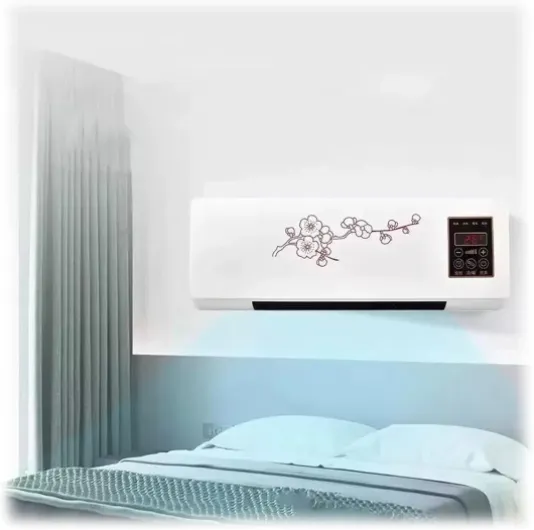

Understanding wall mounted air conditioners without outdoor unit
What Makes Wall Mounted Air Conditioners Without Outdoor Units Unique?
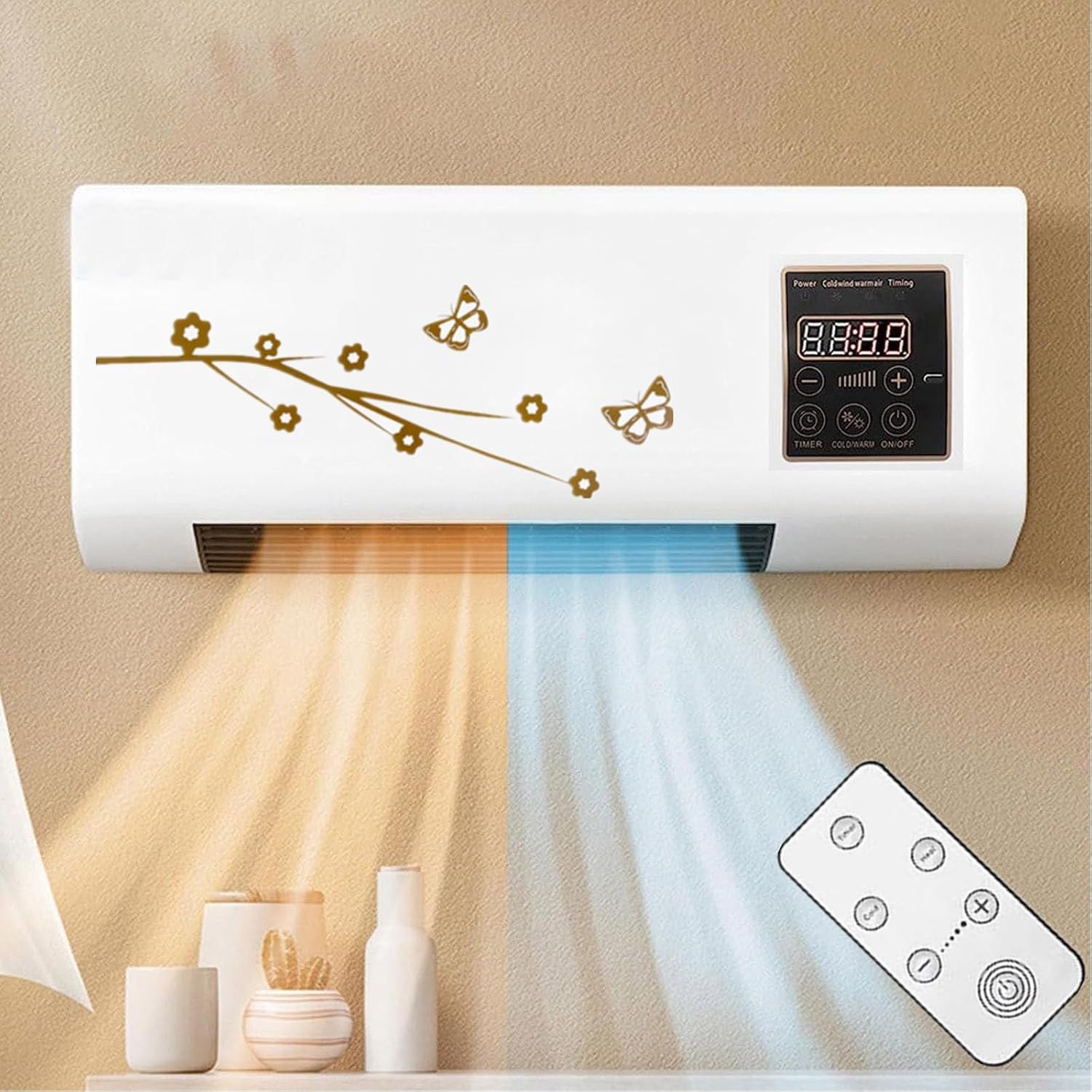
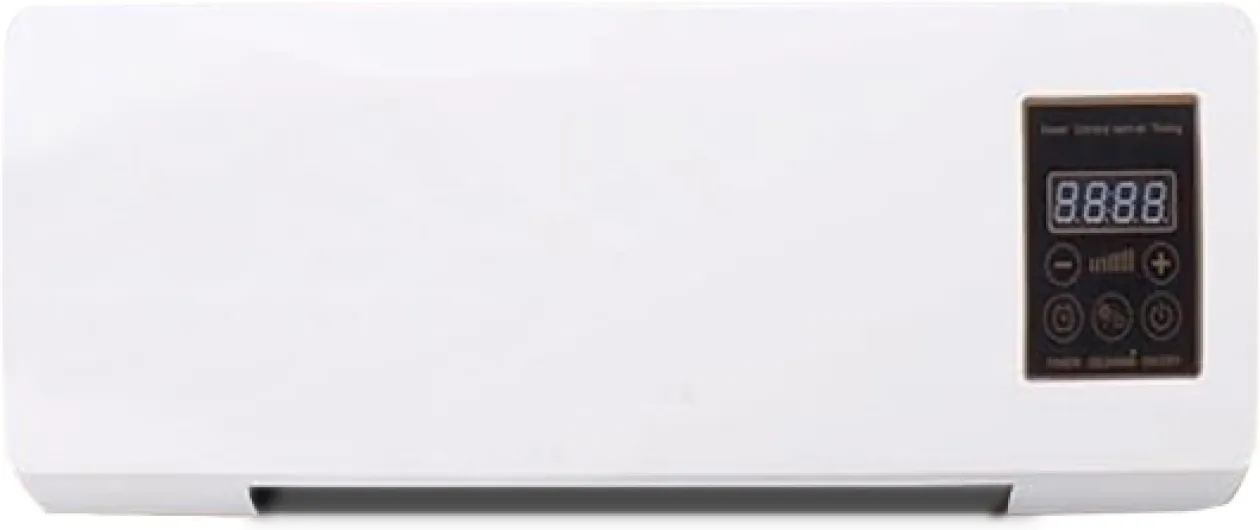
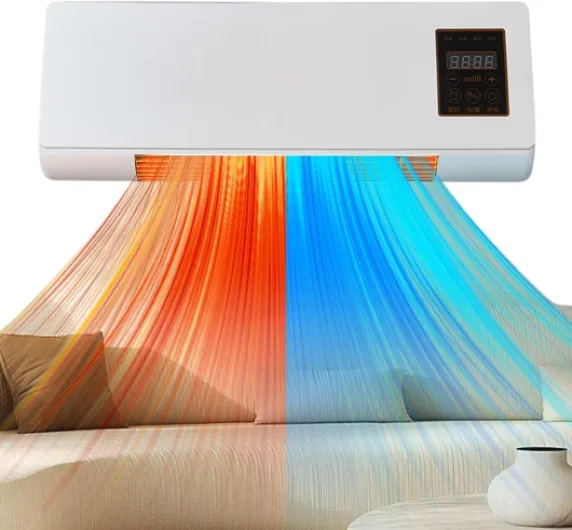
Wall mounted air conditioners without outdoor units are a modern solution for cooling and heating spaces where installing a traditional outdoor condenser is not possible. These systems, sometimes called indoor unit or wall air conditioning systems, combine the main components—compressor, condenser, and evaporator—inside a single, compact wall unit. This design allows for efficient air conditioning without the need for an external box on your building’s facade.
Unlike portable air conditioners or mini split systems that require either a window opening or an outdoor unit, these wall mounted units are installed directly on an interior wall. They use advanced technology to discharge heat and moisture through small ducts or grilles, making them suitable for apartments, historic buildings, or homes with limited outdoor space.
- Space-saving: No bulky outdoor unit required, keeping your exterior uncluttered.
- Efficient cooling and heating: Many models work as a heat pump, providing year-round comfort.
- Modern design: Sleek wall mount profiles blend with most interiors.
- Flexible installation: Ideal for rooms where traditional air conditioning systems are not feasible.
When comparing wall mounted air conditioners to portable units, it’s important to consider factors like energy efficiency, cooling capacity, and overall price. For a deeper dive into how these systems stack up against other options, you can check out this comprehensive guide to window units and alternatives.
Understanding the basics of these conditioning systems will help you make an informed decision as you explore installation, maintenance, and the benefits for homes without outdoor space in the following sections.

How these systems work
Key Components and Operation
Wall mounted air conditioners without outdoor units are designed to deliver efficient cooling and heating without the need for a bulky external condenser. These systems combine both the evaporator and condenser within a single indoor unit, often referred to as a wall unit or mini split system. The main components include the indoor air handler, a built-in condenser, and a water drainage system. Air is drawn into the unit, cooled or heated, and then recirculated back into the room. Excess heat is expelled through discreet wall vents, making the system suitable for spaces where installing an outdoor unit is not possible.
How Air Circulation and Heat Exchange Work
Unlike traditional air conditioning systems that rely on an outdoor unit to release heat, these wall mounted units use advanced heat exchange technology. The conditioning system pulls warm indoor air into the unit, where it passes over cooling coils. The heat is absorbed by a refrigerant and then transferred to the condenser, which is also housed inside the wall unit. The system then expels the heat outside through a pair of small ducts or grilles, keeping the process efficient and contained within the wall. Some models also function as a heat pump, providing both cooling and heating options throughout the year.
Water Management and Efficiency
During the cooling process, moisture from the air condenses inside the unit. Most wall mounted air conditioners without outdoor units are equipped with a self-evaporating system that efficiently manages water by evaporating it and expelling it through the same vents used for heat. This means there is usually no need for manual drainage, making these units low-maintenance and more convenient than some portable air conditioners that require regular emptying of water tanks.
Suitability and Limitations
These wall air conditioning units are particularly suitable for apartments, historic buildings, or any home where installing an external condenser is not allowed. They offer a compact, energy efficient solution for cooling and heating single rooms or small spaces. However, their cooling capacity may be limited compared to larger split systems with outdoor units. For a detailed comparison of different types of air conditioning systems, including portable and wall mounted options, you can refer to this guide on choosing the right hotel air conditioner for your comfort.
- All-in-one indoor unit design
- No need for an outdoor condenser
- Efficient heat and water management
- Ideal for spaces without outdoor access
Benefits for homes without outdoor space
Why Wall Mounted Air Conditioners Without Outdoor Units Are Ideal for Limited Spaces
For homes or apartments where outdoor space is scarce or restricted, choosing a wall mounted air conditioner without an outdoor unit can be a practical solution. These systems are designed to fit seamlessly into indoor environments, offering efficient cooling and heating without the need for bulky external condensers. This is especially valuable in urban settings, historic buildings, or rental properties where modifying the exterior is not allowed.
- Space-saving design: Wall mounted air conditioners without outdoor units, often called mini split or wall air systems, are compact and can be installed high on a wall. This keeps floor space clear and avoids the clutter of portable air units.
- Simple installation: Unlike traditional air conditioning systems that require an outdoor condenser, these units only need a small wall opening for air intake and exhaust. This makes them suitable for buildings where installing an outdoor unit is impossible or undesirable.
- Noise reduction: With the condenser and compressor housed within the indoor unit, these wall mounted conditioners often operate more quietly than portable air conditioners, which can be important for bedrooms or home offices.
- Energy efficiency: Many wall mounted air conditioners without outdoor units use advanced heat pump technology, making them more energy efficient compared to some portable air conditioning units. This can help reduce electricity bills over time.
- Water management: These systems typically handle condensation internally, either evaporating it or draining it through a small pipe, so there’s no need to manually empty water tanks as with some portable air conditioners.
When comparing these wall units to portable air conditioners, it’s important to consider the way each system manages heat and air flow. Portable units often require a hose to vent hot air out a window, which can be less efficient and may compromise window security. For a deeper understanding of how portable air conditioners manage heat and air, check out this guide on the role of the hose in portable air conditioning units.
Ultimately, wall mounted air conditioners without outdoor units offer a balance of performance, aesthetics, and convenience for homes where traditional outdoor condensers are not an option. They deliver reliable air conditioning and heating without compromising your living space or building regulations.
Comparing wall mounted air conditioners to portable units
Key Differences Between Wall Mounted and Portable Air Conditioners
When deciding between a wall mounted air conditioner without an outdoor unit and a portable air conditioning unit, it’s important to understand how each system fits into your home’s needs. Both options provide cooling, but their design, installation, and efficiency can vary significantly.
- Installation and Space: Wall mounted air conditioners are fixed to a wall and often require a more involved installation process, but they save valuable floor space. Portable units, on the other hand, can be moved from room to room, but they take up floor area and need a window or vent for the exhaust hose.
- Cooling Efficiency: Wall mounted units without an outdoor condenser are generally more energy efficient than portable air conditioners. Their design allows for better air distribution and less heat loss, especially in well-insulated rooms. Portable air conditioners may struggle to cool larger spaces or rooms with poor insulation.
- Noise Levels: Because the compressor and condenser are inside the room with portable units, they tend to be noisier than wall mounted systems, where noise is often minimized by the design of the indoor unit.
- Water Management: Both systems deal with condensation, but wall mounted units often have more advanced drainage solutions. Portable units usually require manual emptying of water tanks or continuous drainage via a hose.
- Price and Value: Portable air conditioners are typically less expensive upfront. However, wall mounted air conditioners, especially mini split or wall mount systems without an outdoor unit, may offer better long-term value through lower energy consumption and improved durability.
- Heating Capability: Some wall mounted air conditioners include a heat pump function, providing both cooling and heating. While some portable units offer heat, their performance and efficiency may not match that of a dedicated wall unit or mini split system.
Choosing the Right Conditioning System for Your Home
The best choice depends on your specific needs. If you lack outdoor space for a traditional condenser, a wall mounted air conditioner without an outdoor unit can be a sleek, efficient solution. For renters or those needing temporary cooling, a portable air conditioner offers flexibility. Consider the size of your space, your budget, and your willingness to invest in installation when comparing these air conditioning systems.
| Feature | Wall Mounted (No Outdoor Unit) | Portable Air Conditioner |
|---|---|---|
| Installation | Fixed, professional recommended | Plug-and-play, minimal setup |
| Mobility | Stationary | Mobile |
| Cooling Efficiency | High, energy efficient | Moderate, less efficient |
| Noise | Lower | Higher |
| Water Management | Automatic drainage | Manual or hose drainage |
| Price Range | Higher upfront | Lower upfront |
| Heating Option | Available (heat pump) | Sometimes available |
Installation tips and considerations
Key Steps for Installing a Wall Mounted Air Conditioner Without Outdoor Unit
When installing a wall mounted air conditioner without an outdoor unit, careful planning and attention to detail are essential. These systems are designed to be more flexible than traditional split units, but there are still important considerations to ensure efficient cooling and heating.- Choose the Right Location: The indoor unit should be mounted on a sturdy wall, ideally near the center of the room for even air distribution. Avoid placing the unit near heat sources or direct sunlight, as this can affect performance.
- Wall Structure and Support: Since the entire system is contained within the wall unit, make sure the wall can support the weight. Some mini split and wall air conditioners are heavier than portable units, so check the manufacturer's specifications for mounting requirements.
- Ventilation and Water Drainage: Unlike portable air conditioners, these wall mounted units need proper ventilation for the condenser. Most models require a pair of holes through the wall for air intake and exhaust. Also, plan for water drainage—some systems use a small pipe to remove condensation, which should be routed to a safe location.
- Electrical Considerations: Ensure your electrical system can handle the load of the new air conditioning system. Some efficient wall units require dedicated circuits. Always follow local codes and, if unsure, consult a licensed electrician.
- Professional Installation vs. DIY: While some mini wall units are marketed as DIY-friendly, professional installation is often recommended for safety and optimal performance. A qualified technician can ensure the system is sealed correctly, which is crucial for energy efficiency and long-term reliability.
What to Expect in Terms of Price and Efficiency
The price of a wall mounted air conditioner without an outdoor unit can vary widely. Factors include cooling capacity, energy efficiency rating, and additional features like heat pump functionality. While these units may cost more upfront than portable air conditioners, their energy efficient operation can lead to savings over time.| Type | Typical Price Range | Installation Complexity | Energy Efficiency |
|---|---|---|---|
| Wall Mounted (No Outdoor Unit) | $900 - $2,500 | Moderate to High | High (especially with inverter/heat pump) |
| Portable Air Conditioner | $300 - $800 | Low | Moderate |
Checklist Before You Start
- Confirm wall strength and available space for the indoor unit
- Check for nearby electrical outlets or plan for new wiring
- Plan for safe water drainage from condensation
- Review the list of required tools and mounting hardware
- Consult the manufacturer's installation guide for your specific model
Maintenance and energy efficiency
Keeping Your Wall Mounted Air Conditioner Running Smoothly
Regular maintenance is key to ensuring your wall mounted air conditioner without outdoor unit remains efficient and reliable. Unlike traditional systems with bulky outdoor units, these compact wall units require attention to their indoor components, especially the condenser and filters. Here’s what you need to know about keeping your system air conditioning in top shape:
- Filter Cleaning: Dust and debris can quickly clog filters in wall air conditioners. Cleaning or replacing filters every few weeks helps maintain strong airflow and cooling performance. This is especially important for mini split and mini wall units, which rely on clean filters for efficient operation.
- Water Drainage: Many wall mounted air conditioners without outdoor units use internal water tanks or drainage systems. Regularly check and empty the water reservoir to prevent leaks and maintain efficient cooling. Some units have automatic evaporation, but always follow the manufacturer's instructions.
- Condenser Care: The condenser in a wall mount unit is located indoors. Keep the area around the unit clear and dust-free. Wipe down the exterior and ensure vents are unobstructed for optimal heat exchange.
- Professional Servicing: Schedule annual maintenance with a certified technician. They can inspect the conditioning system, check refrigerant levels, and ensure the heat pump or cooling components are working efficiently.
- Energy Efficiency Tips: To keep your wall mounted air conditioner energy efficient, use programmable timers, close windows and doors during operation, and avoid blocking the indoor unit with furniture or curtains. This helps maintain a comfortable temperature without overworking the system.
Comparing Maintenance Needs: Wall Mounted vs Portable Units
Wall mounted air conditioners without outdoor units generally require less frequent maintenance than portable air conditioners, which often need regular hose adjustments and more frequent water drainage. However, both types of units benefit from routine filter cleaning and periodic checks for efficient operation. If you’re considering a portable air conditioner, remember that mobility comes with its own set of upkeep tasks, especially regarding water management and venting.
Cost Considerations and Long-Term Value
While the initial price of a wall mounted air conditioner without outdoor unit may be higher than some portable air conditioners, the long-term savings on energy bills and reduced maintenance can make them a more cost-effective choice. Investing in an energy efficient wall unit can help lower your overall air conditioning expenses, especially in homes without space for an outdoor unit.
- Regular maintenance extends the lifespan of your wall air conditioner
- Efficient operation reduces electricity costs
- Proper care ensures consistent cooling and heat performance
By following these tips, you can keep your wall mounted air conditioning system running efficiently, ensuring comfort and value for years to come.