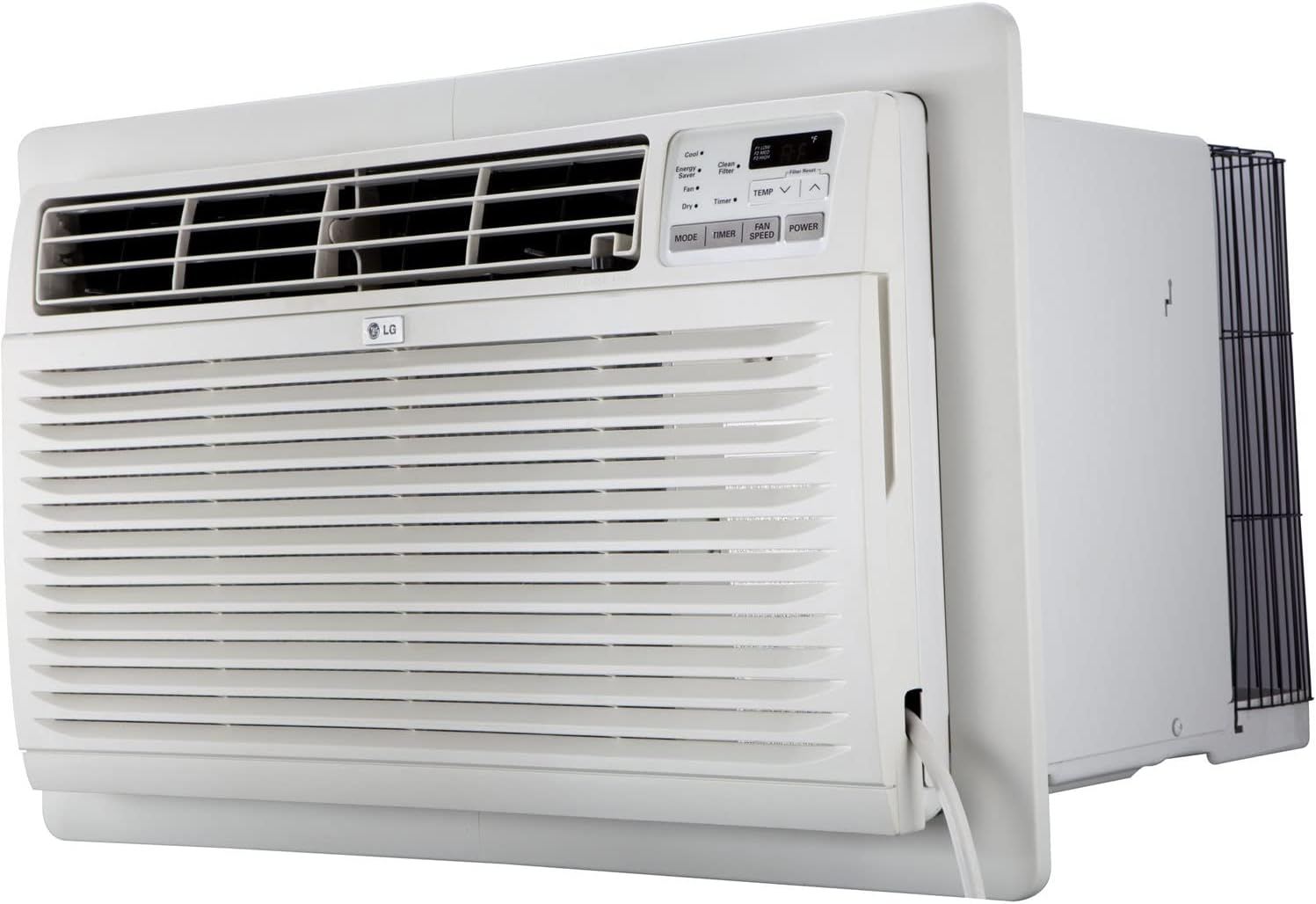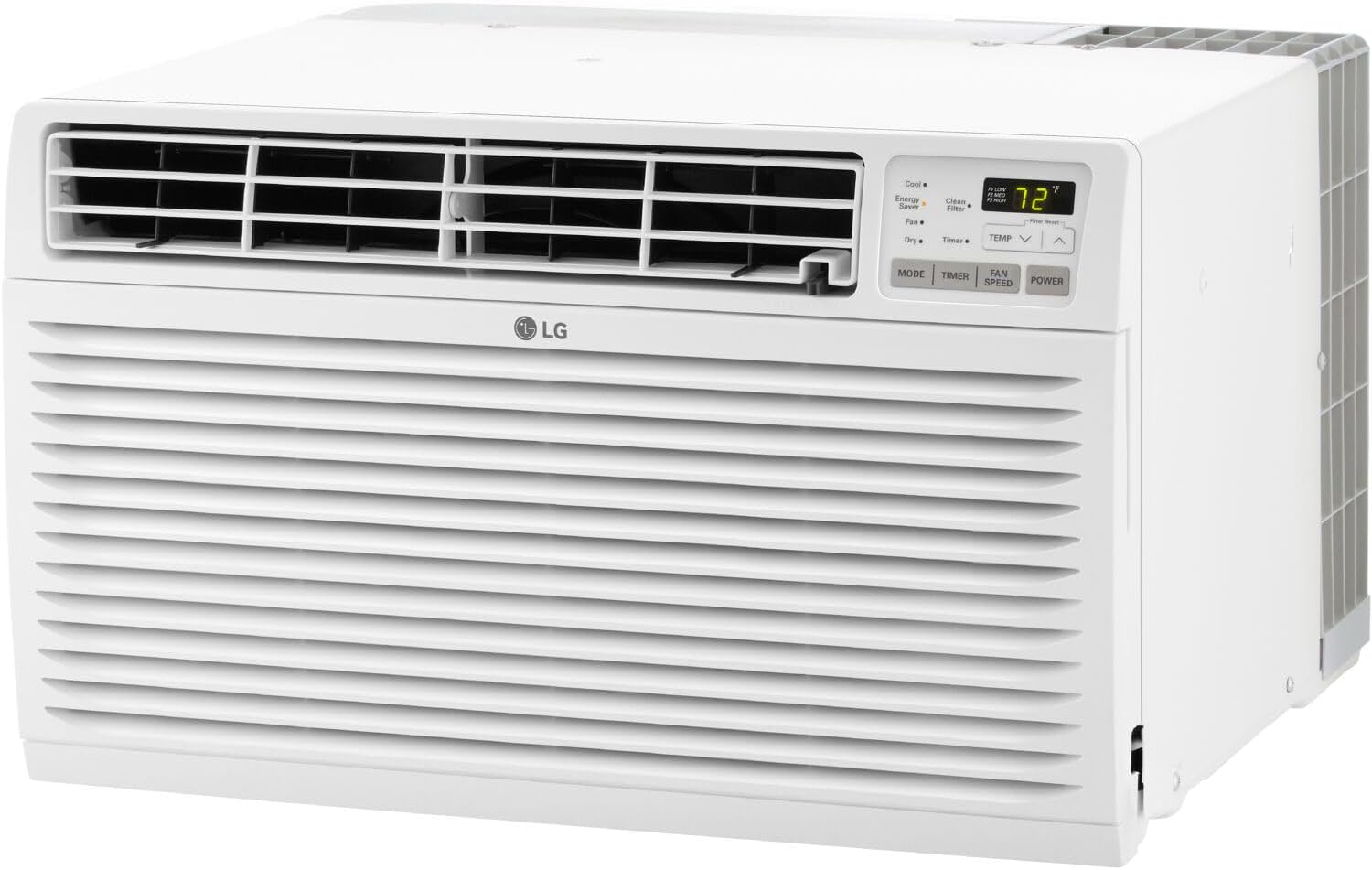

Understanding through wall air conditioners
What Makes Through Wall Air Conditioners Distinct?
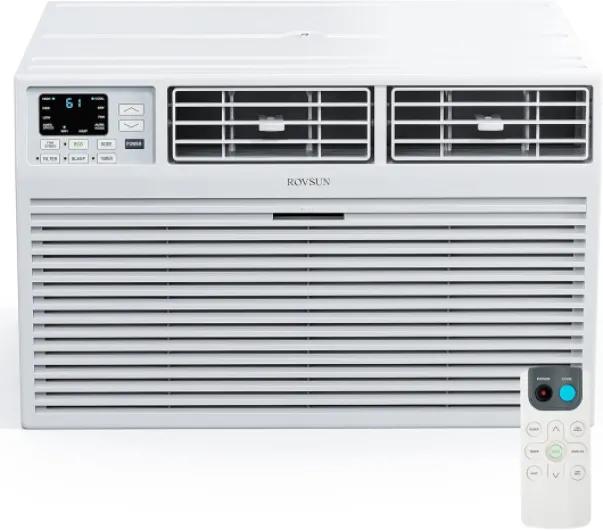
Through wall air conditioners are a popular choice for those who want a permanent cooling solution without sacrificing window space. Unlike window units, these air conditioners are installed directly into a wall, creating a seamless look and often delivering better insulation. They are designed to cool a single room or a defined space, making them ideal for bedrooms, offices, or living areas where you want consistent temperature control.
How Do They Work?
These wall units pull warm air from the room, cool it using an internal refrigerant system, and then circulate the cooled air back into the space. Many models also offer electric heat or heat pump options, providing year-round comfort. The BTU rating is crucial here—it tells you how much cooling or heating power the unit can deliver. For example, a 12,000 BTU through wall air conditioner is suitable for medium-sized rooms, while larger spaces may require higher BTU products.
Why Consider Through Wall Over Other Types?
Through wall air conditioners are often more energy efficient than portable air conditioners, especially when properly installed. They typically have better sealing, reducing drafts and energy loss. Many units come with features like remote control, multiple fan speeds, and programmable timers, making it easy to customize comfort. You’ll also find energy guide labels on most products, helping you compare efficiency and potential savings on electric bills.
What Should You Know Before Buying?
- Price: Wall air conditioners can range in price depending on BTU, features, and brand. While the initial cost may be higher than some portable units, the long-term energy savings can offset the investment.
- Installation: These units require a wall opening, which may involve professional installation. Consider the wall thickness and electrical requirements before purchase.
- Reviews: Checking customer reviews can help you gauge reliability, noise levels, and real-world performance of different air products.
If you’re interested in learning more about how through wall air conditioners compare to other cooling solutions, especially for specific enclosures or unique room air needs, you can view this guide on choosing the right enclosure air conditioner.

Key features to look for
What Makes a Through Wall Air Conditioner Stand Out?
When searching for the right wall air conditioner, it’s important to focus on features that directly impact comfort, efficiency, and long-term value. Not all wall units are created equal, and the right combination of features can make a big difference in how well the unit cools or heats your room air. Here’s what to keep in mind as you compare products and reviews:
- BTU Rating: The cooling power of a through wall air conditioner is measured in BTUs. Make sure the BTU through wall unit matches the size of your room. Too low, and it won’t cool effectively; too high, and it may waste energy.
- Heating Capability: Some conditioners include electric heat or a heat pump, allowing the unit to provide warmth during colder months. If you need year-round comfort, consider a conditioner heat or heat pump model.
- Energy Efficiency: Look for an Energy Guide label to compare estimated annual energy use and cost. Energy-efficient wall air conditioners help you save on electric bills and may be eligible for rebates.
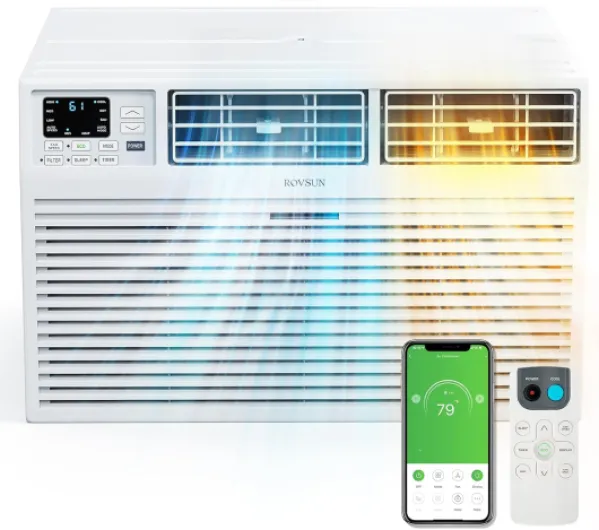
- Remote Control and Smart Features: A conditioner remote or remote control adds convenience, letting you adjust settings from across the room. Some products room air conditioners also offer smart connectivity for easier control.
- Fan Speeds and Modes: Multiple fan speeds and operation modes (like dehumidify or sleep) give you more control over comfort and noise levels.
- Price and Value: Compare the price of different wall units, but also consider the features and reviews. Sometimes, paying a bit more upfront for a reliable wall unit can save money in the long run.
- Brand and Warranty: Trusted brands like Perfect Aire and others often offer better support and warranties, which can be important for long-term satisfaction.
For a deeper dive into choosing specialized air products, such as enclosure air conditioners, check out this guide on choosing the right enclosure air conditioner for your needs.
Remember, the best through wall air conditioners balance performance, energy savings, and features that fit your lifestyle. The next step is to consider installation and how it impacts your space and comfort.
Installation considerations
What to Know Before Installing a Through Wall Air Conditioner
Installing a through wall air conditioner is a significant step, and it’s important to get it right to ensure efficient cooling and heating. Unlike portable air conditioners, which can be moved from room to room, wall units require a dedicated space and more planning. Here are some key points to consider:
- Wall Compatibility: Not every wall is suitable for a through wall unit. Check for electrical wiring, plumbing, or structural elements before cutting an opening. Most reviews recommend consulting a professional if you’re unsure.
- Correct Sizing: The BTU rating of your wall air conditioner should match the size of your room. A unit that’s too small won’t cool or heat effectively, while one that’s too large may waste energy. Use an energy guide to estimate the right BTU through wall for your space.
- Electrical Requirements: Through wall conditioners often require a dedicated electric circuit. Check the voltage and amperage needs of your chosen model. Some wall units with electric heat or heat pump features may need special wiring.
- Location Matters: Place the wall unit where air can circulate freely. Avoid corners or spots blocked by furniture. Consider how the remote control will work from different parts of the room.
- Weatherproofing: Proper sealing around the unit is essential to prevent drafts and save on energy costs. Many products include installation kits, but you may need extra insulation for extreme climates.
- Drainage and Venting: Some through wall air conditioners, especially those with heat or electric heat, need proper drainage for condensation. Compare this with portable air conditioners, which often use hoses for venting. For more on this, check this guide to portable air conditioner hoses.
When comparing products, look for features like multiple fan speeds, remote control, and energy-saving modes. Brands like Perfect Aire offer models with a range of controls and BTU options to fit different room sizes. Always review the installation instructions and consider the price of professional installation versus DIY. Taking the time to plan your installation will help you get the most from your wall air conditioner, ensuring comfort and efficiency for years to come.
Comparing through wall and portable air conditioners
How Portable and Through Wall Air Conditioners Stack Up
When deciding between a portable air conditioner and a through wall unit, it’s important to weigh how each type fits your room, budget, and comfort needs. Both products have their strengths, but the right choice depends on your space and expectations.- Installation: Through wall air conditioners require a permanent wall opening, which can be a bigger commitment. Portable units, on the other hand, only need a window or vent for the exhaust hose, making them ideal for renters or those who want flexibility.
- Cooling Power (BTU): Through wall models often deliver higher BTU ratings, making them suitable for larger rooms or spaces with higher heat loads. Portable air conditioners are generally best for smaller rooms, though some high-BTU portable products can handle moderate spaces.
- Energy Efficiency: Wall units tend to be more energy efficient, as they create a tighter seal and lose less cool air. Many through wall conditioners come with an energy guide label to help you compare efficiency. Portable conditioners may use more electric power due to air leaks around the window kit.
- Price and Value: Portable air conditioners usually have a lower upfront price and can be found on sale frequently. Through wall units may cost more initially, but their longevity and efficiency can save money over time. Always check reviews and compare products before buying.
- Features and Controls: Both types offer features like remote control, multiple fan speeds, and programmable timers. Some through wall air conditioners include electric heat or heat pump options, providing year-round comfort. Portable units may offer similar features, but options like heat or advanced air filtration are less common.
- Noise and Comfort: Through wall air conditioners are generally quieter, as the bulk of the unit is outside the room. Portable air conditioners have all components inside, which can mean more noise, especially at higher fan speeds.
| Feature | Through Wall Air Conditioner | Portable Air Conditioner |
|---|---|---|
| Installation | Permanent wall unit | Movable, needs window/vent |
| BTU Range | High (good for large rooms) | Moderate (best for small/medium rooms) |
| Energy Efficiency | Higher, better seal | Lower, possible air leaks |
| Noise Level | Quieter | Louder |
| Price | Higher upfront | Lower upfront, frequent sales |
| Features | Remote, heat, energy guide | Remote, basic controls |
Noise levels and comfort
How Noise Impacts Your Room Comfort
When selecting a through wall air conditioner, the noise level can make a big difference in your daily comfort. A quiet unit lets you relax, work, or sleep without constant background hum. Most modern wall air conditioners are designed to minimize noise, but some models are quieter than others. Reviews often mention how noticeable the sound is, especially at higher fan speeds or when the electric heat function is running. If you plan to use your wall unit in a bedroom or study, check the decibel ratings and user feedback before you buy.
Comparing Noise: Through Wall vs. Portable Air Conditioners
Through wall air conditioners usually operate more quietly than portable air conditioners. Portable units often have all components inside the room, so the fan and compressor noise are more noticeable. In contrast, a wall air conditioner places much of the noise outside, making it less intrusive. If you value a peaceful environment, a through wall unit is generally the better choice for room air comfort.
Features That Affect Noise and Comfort
- Fan speeds: Multiple fan speeds let you control airflow and noise. Lower speeds are quieter, while higher speeds cool or heat the room faster.
- Remote control: Adjust settings without getting up, so you can fine-tune comfort and noise levels easily.
- Energy guide: Efficient units often run quieter and save on electric bills. Look for products with good energy ratings to save money and reduce noise.
- BTU through wall: Choosing the right BTU for your room size ensures the unit doesn't overwork, which can increase noise and wear.
Tips for a Quieter Experience
- Install the wall unit properly to avoid vibrations and rattling.
- Regular maintenance, like cleaning filters, helps keep the air conditioner running smoothly and quietly.
- Check reviews for real-world feedback on noise and comfort before making a purchase.
Whether you choose a through wall air conditioner or a portable model, balancing noise, price, and features like remote control and electric heat is key for a comfortable space. Products from brands like Perfect Aire and other top air products can offer a range of options to fit your needs and budget.
Maintenance and longevity tips
Keeping Your Wall Air Conditioner Running Smoothly
Regular care is essential for your through wall air conditioner if you want to maximize its lifespan and maintain peak performance. Many users overlook simple maintenance steps, but these can make a big difference in energy savings, comfort, and even the price you pay over time for repairs or replacements.- Filter Cleaning: Dust and debris can clog the filter, reducing airflow and making your wall unit work harder. Clean or replace filters every month during peak use to save energy and keep your room air fresh.
- Inspecting the Coils: Both the evaporator and condenser coils collect dirt over time. Dirty coils reduce the efficiency of your air conditioner electric unit. Gently vacuum or brush the coils at least once a year.
- Checking Drainage: Ensure the drainage system is clear so that excess moisture doesn’t build up inside the wall. Blocked drains can lead to water damage and affect the electric heat or heat pump functions.
- Remote Control Batteries: If your conditioner remote or remote control isn’t responding, check and replace the batteries. This simple step can save you frustration and keep your products room comfortable.
- Sealing and Insulation: Inspect the area around your through wall air conditioner for gaps. Proper sealing helps maintain the set temperature, improves energy guide ratings, and prevents outside air from entering the room.
Longevity Tips for Your Wall Unit
- Professional Servicing: Schedule annual maintenance with a certified technician. They can check refrigerant levels, inspect electric components, and ensure your wall air conditioner is working safely and efficiently.
- Monitor Fan Speeds: Use the correct fan speeds for your room size. Running the fan at high speed constantly can wear out the motor faster, especially in high BTU through wall units.
- Smart Usage: Use the timer and energy-saving modes available on many conditioners. This reduces electric consumption and extends the life of your air products.
- Read Reviews: Before purchasing, check reviews for reliability and ease of maintenance. Some wall units are designed for easier access to filters and controls, making regular care simpler.