
Understanding how evaporative coolers and air conditioners work
How Cooling Systems Deliver Comfort
When looking at ways to stay cool in hot weather, two main types of portable cooling units stand out: evaporative coolers and traditional air conditioners. Understanding how these systems work is key to choosing the best option for your space, whether you need efficient cooling indoors or for outdoor events.
Evaporative Coolers: Harnessing Nature
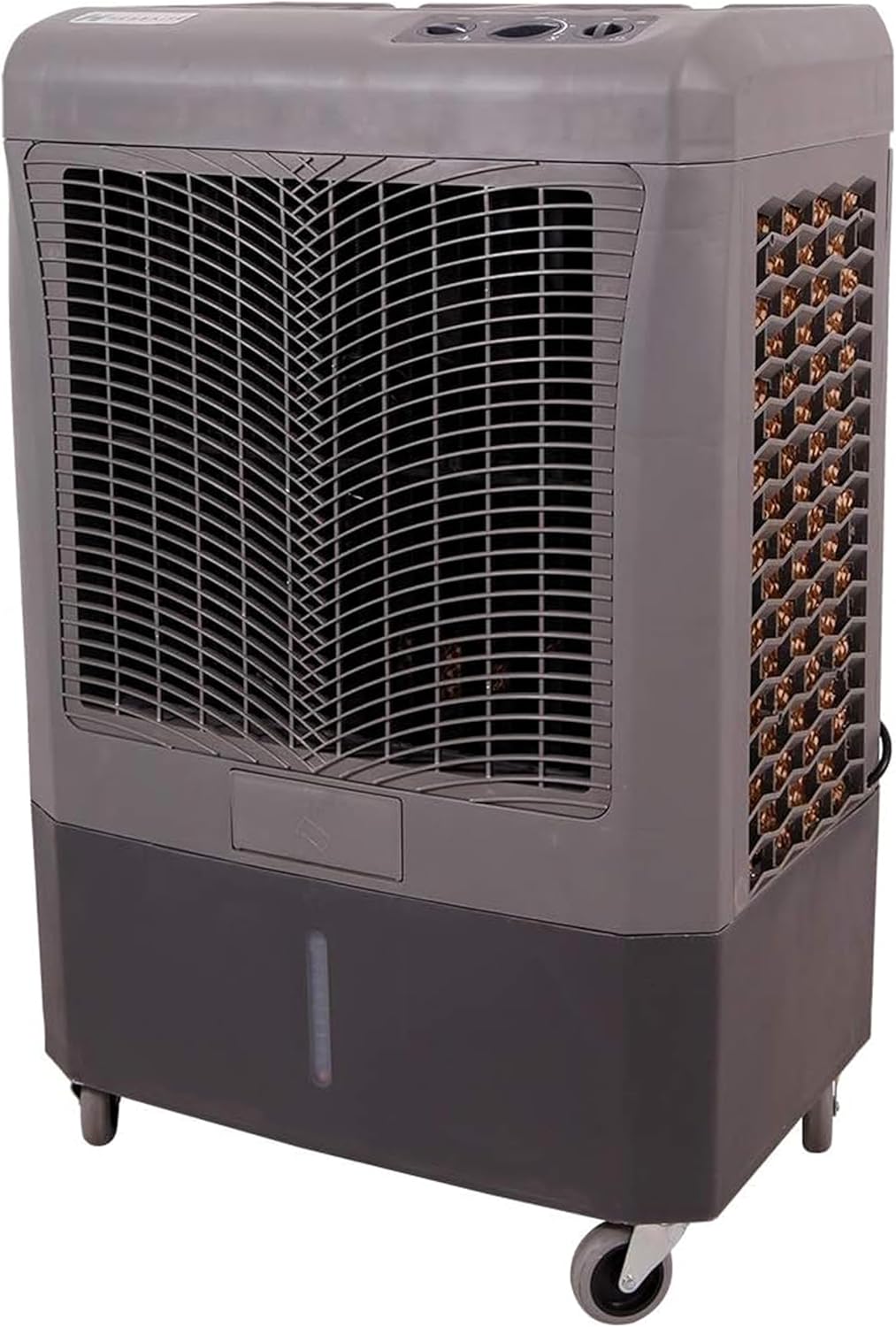
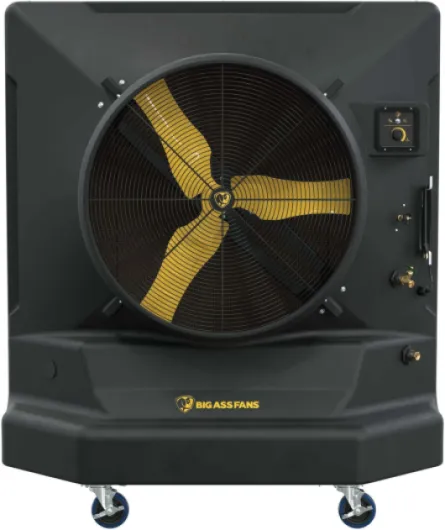
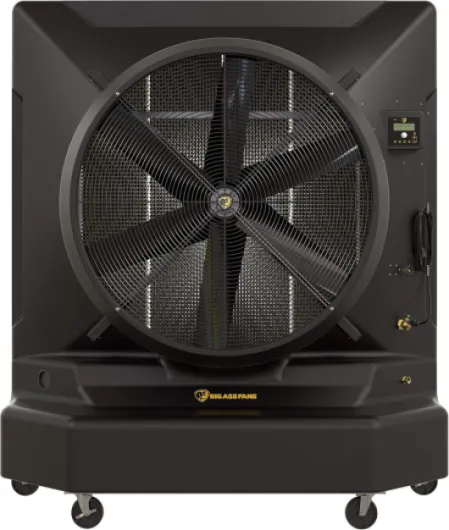
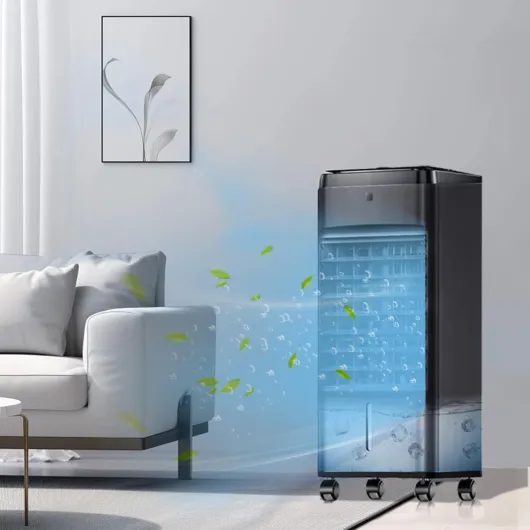
Evaporative coolers, sometimes called swamp coolers, use a simple but effective process. They draw warm air through water-saturated pads. As the air passes through, the water evaporates, absorbing heat and adding moisture air. This results in cooler, slightly humidified air being blown into the room. Because they rely on evaporation, these coolers are most effective in hot, dry climates where humidity is low. They are also energy efficient, using less electricity than many air conditioning systems.
- Best for open or semi-open spaces
- Increase humidity, which can be a benefit or drawback depending on your climate
- Simple design means fewer parts to maintain
Air Conditioners: Traditional Cooling Power
Portable air conditioners use a different method. These units pull warm air from the room, cool it using a refrigerant and compressor, and then expel the heat outside through a hose. The result is dry, cool air that lowers the temperature quickly and effectively, even in humid conditions. Air conditioning units are more versatile for different climates and are often the go-to choice for those needing reliable cooling in both residential and industrial settings.
- Work well in both dry and humid environments
- Can lower temperatures more dramatically than evaporative coolers
- Require venting to the outside for best performance
Both cooling systems have their place, and the right choice depends on your specific needs, climate, and space. For a deeper look at how portable air coolers and air conditioners compare in terms of installation, energy efficiency, and performance, keep reading the next sections. If you want to learn more about how different cooling units work, check out this guide on choosing the right 10000 BTU window air conditioner for more insights.

Comparing energy efficiency and running costs
Comparing Energy Use and Cost Efficiency
When it comes to cooling your space, understanding the energy efficiency and running costs of different systems is crucial. Both evaporative coolers and traditional air conditioners have their strengths, but they operate in distinct ways that impact your electricity bill and environmental footprint.
- Evaporative coolers (sometimes called swamp coolers) use the natural process of evaporation to cool air. They draw warm air through moist pads, adding moisture air and reducing temperatures. This method uses far less electricity than compressor-based air conditioning systems, making evaporative cooling units more energy efficient in the right conditions.
- Air conditioners (including portable air conditioners and window units) rely on refrigerant cycles to remove heat from indoor air. While effective in a wide range of climates, these cooling systems generally consume more energy, especially during hot spells or in larger spaces.
For those looking to minimize energy use, evaporative air coolers can be a smart choice, particularly in dry, hot climates. They use only a fan and water pump, so their power draw is much lower than that of traditional air conditioning systems. However, their cooling effectiveness drops in humid environments, where air already holds a lot of moisture.
On the other hand, air conditioning units—whether portable air conditioners or larger conditioning systems—offer consistent cooling regardless of humidity. They are often the best option for sealed, insulated spaces or when you need to cool multiple rooms. But this comes at a higher running cost, as these units require more electricity to operate compressors and fans.
| System Type | Energy Use | Best For | Running Cost |
|---|---|---|---|
| Evaporative Cooler | Low | Dry, hot, open or outdoor areas | Low |
| Air Conditioner | High | Humid, enclosed, or industrial spaces | High |
For more details on maximizing efficiency and choosing the right size for your needs, check out this guide on exploring the benefits of a 14000 BTU window air conditioner. This resource covers how to balance cooling power with energy consumption for the best results.
Ultimately, the most energy efficient cooling units are those matched to your space and climate. Consider how often you’ll use the system, the size of the area, and whether you need portable or permanent solutions before making your choice.
Performance in different climates
How climate impacts cooling performance
When deciding between evaporative coolers and air conditioners, understanding how each system performs in different climates is crucial. The effectiveness of cooling units depends heavily on local weather conditions, especially humidity and temperature.
- Evaporative coolers (sometimes called swamp coolers) work best in hot, dry climates. These coolers use the process of evaporative cooling, adding moisture to the air as they cool it. In areas with low humidity, this method is highly efficient and energy saving. However, in humid regions, the air is already saturated with moisture, making evaporative coolers less effective. The cooling effect drops significantly, and the air can feel damp rather than refreshing.
- Traditional air conditioners and portable air conditioning units use refrigerant-based systems to remove heat and humidity from the air. These air conditioners are effective in both dry and humid climates, as they can lower both temperature and moisture levels. This makes air conditioning systems the preferred choice for regions with high humidity or fluctuating weather conditions.
For outdoor spaces or open environments, evaporative coolers can provide a noticeable drop in temperature, but only if the air is dry. In contrast, air conditioning units are better suited for closed spaces where you need consistent and reliable cooling regardless of outdoor conditions.
Industrial cooling systems and portable air conditioners are often chosen for their ability to maintain comfort in a wide range of temperatures and climates. If you live in a hot, humid area, air conditioners or portable air conditioning units are generally more effective and energy efficient. In contrast, if your climate is dry and hot, evaporative air coolers can be a cost-effective and eco-friendly solution.
For more details on how climate affects the energy consumption of portable AC units, you can explore additional resources to make an informed choice.
Portability and ease of installation
Moving and Setting Up: What to Expect
When it comes to portable air conditioning systems and evaporative coolers, portability and ease of installation are major factors for many buyers. Both types of cooling units are designed to be mobile, but there are some differences in how easily you can move and set them up in various spaces.
- Evaporative coolers (also known as swamp coolers) are typically lighter and simpler to relocate. Most models just need to be filled with water and plugged in. There’s no need for complex installation or venting, making them ideal for open spaces, outdoor areas, or rooms where window access is limited.
- Portable air conditioners are heavier and often require venting through a window or sliding door. This means you’ll need to set up an exhaust hose to direct hot air outside. While not difficult, it does add a step compared to evaporative cooling units. Some newer air conditioning units come with easy-install kits, but they still require a bit more effort than evaporative air coolers.
Suitability for Different Spaces
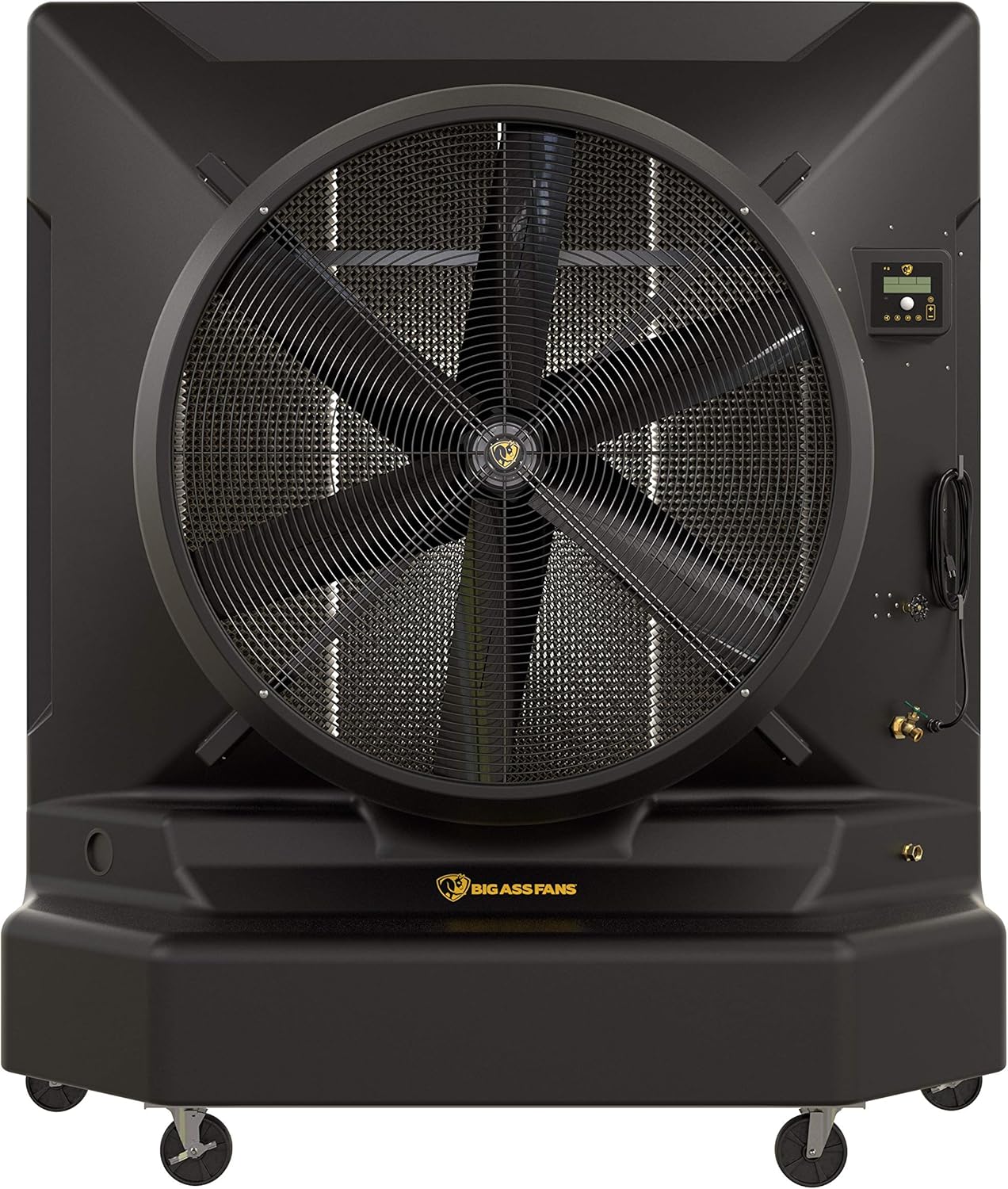
Evaporative coolers are best for open or semi-open environments where air flow is not restricted. They work well in garages, workshops, patios, or industrial spaces, especially in hot, dry climates. Their mobility and lack of installation requirements make them a practical choice for temporary or outdoor cooling needs.
On the other hand, portable air conditioners are more effective in closed rooms where you can control the environment. They are suitable for bedrooms, offices, or any area where you want efficient, traditional air conditioning. However, their need for venting limits their use in some locations, especially if there’s no easy way to direct the exhaust outside.
Key Considerations for Portability
- Weight and Size: Evaporative coolers are generally lighter and easier to move. Portable air conditioners can be bulky, especially larger units designed for higher cooling capacities.
- Setup Time: Evaporative air coolers require minimal setup. Air conditioning systems need more time for installation, particularly the first time you use them.
- Flexibility: If you need to move your cooling system between rooms or use it outdoors, evaporative coolers offer more flexibility. Air conditioners are better for fixed indoor use.
In summary, if portability and quick setup are your top priorities, evaporative coolers are often the most energy efficient and convenient choice. For those who need powerful, effective cooling in a closed space, portable air conditioners deliver better performance, though with a bit more effort in installation and movement. Always consider your specific needs and the type of space you want to cool when choosing between these two cooling systems.
Maintenance and care requirements
Cleaning and Upkeep: What to Expect
When it comes to maintenance, evaporative coolers and air conditioners have different needs. Understanding these requirements helps you keep your cooling units running efficiently and extends their lifespan.
- Evaporative coolers (also called swamp coolers) rely on water to cool the air. This means you’ll need to regularly check and refill the water reservoir, especially during hot weather. The cooling pads inside the unit should be inspected for mineral buildup or mold and replaced as needed. Cleaning the water tank and pads every few weeks is recommended, particularly if you use the cooler outdoors or in areas with hard water.
- Portable air conditioners require less frequent but still important maintenance. The main task is cleaning or replacing the air filters every couple of weeks to ensure efficient air flow and effective cooling. Some units may collect condensation, so you might need to empty a water tray or ensure the drainage system is working. Coils and vents should be dusted periodically to keep the air conditioning system running smoothly.
Maintenance Differences: Evaporative vs. Traditional Air Conditioning
Evaporative air coolers are generally easier to maintain than traditional air conditioning systems. They have fewer mechanical parts and don’t use refrigerants, making them a more energy efficient and eco-friendly option for some users. However, because they add moisture to the air, it’s important to prevent mold and bacteria by keeping the unit clean and dry when not in use.
Air conditioners, on the other hand, require attention to both the air filters and the cooling coils. If you’re using a portable air conditioner, check the exhaust hose for blockages and make sure the unit is positioned for optimal air flow. For both types of cooling systems, regular maintenance ensures the best performance and helps avoid costly repairs.
Quick Tips for Efficient Cooling
- Always unplug units before cleaning.
- Use distilled water in evaporative coolers to reduce mineral deposits.
- Keep doors and windows open when using evaporative coolers for effective air circulation.
- For air conditioners, ensure the room is sealed to keep cool air inside.
- Schedule seasonal deep cleaning for both types of units, especially before hot temperatures arrive.
By following these care guidelines, you’ll get the most out of your cooling systems, whether you choose an evaporative cooler or a portable air conditioner. Regular maintenance not only improves energy efficiency but also ensures a comfortable, cool environment during the hottest months.
Choosing the right option for your needs
Key factors to consider before making your choice
When deciding between evaporative coolers and traditional air conditioners, it’s important to match the cooling system to your specific needs and environment. Here are some practical points to help you select the best option for your space:
- Climate suitability: Evaporative coolers are most effective in hot, dry climates where the air has low humidity. If you live in a humid area, air conditioners generally provide more reliable cooling.
- Energy efficiency: If energy consumption is a priority, evaporative cooling units typically use less electricity than traditional air conditioning systems. This can translate to lower running costs, especially for larger or industrial spaces.
- Portability and installation: Portable air coolers are usually lighter and easier to move around than portable air conditioners. They also require less setup, often just needing access to water and an open window or door for airflow. Air conditioners, especially portable units, may need venting and more installation effort.
- Maintenance: Evaporative air coolers require regular cleaning and water refills to maintain performance. Air conditioners need filter changes and occasional servicing, but generally involve less frequent attention to water or moisture management.
- Indoor air quality: Evaporative coolers add moisture to the air, which can be beneficial in dry environments but problematic in already humid areas. Air conditioning systems remove moisture, helping to reduce indoor humidity.
- Application: For outdoor or semi-open spaces, evaporative coolers are often more effective. For enclosed rooms or spaces where precise temperature control is needed, air conditioners or portable air conditioning units are usually the better choice.
Matching cooling systems to your lifestyle
Think about how you plan to use your cooling unit. If you need to cool a garage, workshop, or outdoor event, a portable evaporative cooler can be a practical and energy efficient solution. For bedrooms, offices, or spaces where you want consistent, cool air regardless of outdoor temperatures, a portable air conditioner or traditional air conditioning system will deliver better results.
Ultimately, the best cooling system is the one that fits your climate, space, and comfort expectations. Take into account the energy efficiency, maintenance needs, and the type of environment you want to cool. By weighing these factors, you can confidently choose between evaporative coolers and air conditioners for effective and efficient cooling.