

Understanding the challenges of cooling an attic
Why attics are tough to keep cool
Attic spaces present unique challenges when it comes to air conditioning. Unlike other rooms in your home, attics often have limited insulation, poor ventilation, and are directly exposed to the sun’s heat. This combination can cause attic air to become extremely hot, especially during summer months. The lack of proper insulation means that any cooling or heating system you install will have to work harder, which can impact both energy efficiency and the overall price of running your unit.
Common issues with attic air and temperature control
- Heat buildup: Attic spaces can reach temperatures much higher than the rest of your home, making it difficult for standard air conditioners or HVAC systems to keep up.
- Limited space: Many attics have low ceilings or awkward layouts, restricting the size and type of air conditioning units that can be installed.
- Insulation gaps: Poor insulation leads to energy loss, reducing the efficiency of your cooling system and increasing your energy bills.
- Ventilation problems: Without proper airflow, hot air gets trapped, making it harder for any air conditioner—whether portable, window, or mini split—to cool the space effectively.
Why choosing the right system matters
Because of these challenges, it’s important to select an air conditioning solution that matches your attic’s specific needs. Portable air conditioners, mini splits, and window units each have their own pros and cons for attic use. The right choice depends on your attic’s size, insulation, and how you plan to use the space. Factors like energy efficiency, price, and ease of installation will also play a big role in your decision.
If you’re interested in learning more about selecting specialized cooling systems for unique spaces, you might find this guide on choosing the right cabinet air conditioner helpful as well.

Types of attic air conditioners and their pros and cons
Comparing Popular Attic Cooling Solutions
When it comes to cooling attic spaces, homeowners have several air conditioning options to consider. Each type of unit has its own advantages and drawbacks, especially when factoring in attic insulation, available space, and energy efficiency. Here’s a breakdown of the most common systems used for attic air conditioning:
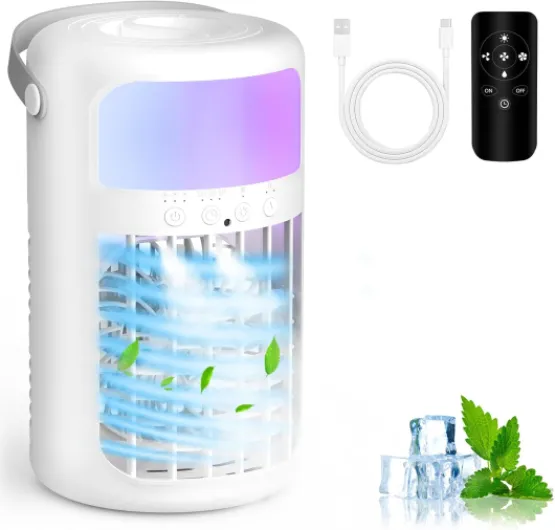
- Portable Air Conditioners: These units are easy to move and install, making them a popular choice for attics with limited space or where permanent installation isn’t possible. They’re generally more affordable in terms of price product, but their efficiency single rating may be lower than other systems. Portable air conditioners require venting through a window or wall, which can be a challenge in some attic spaces.
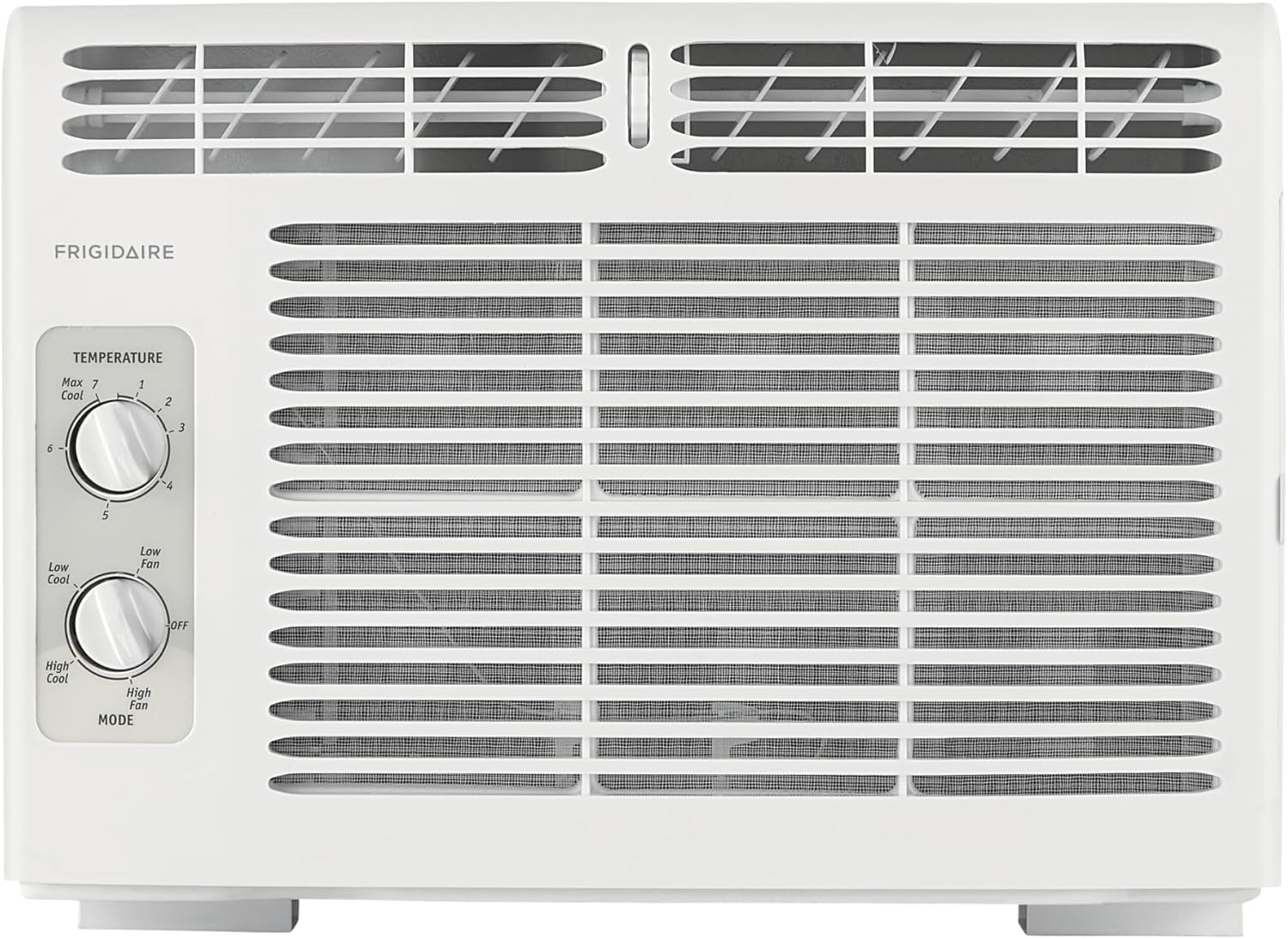
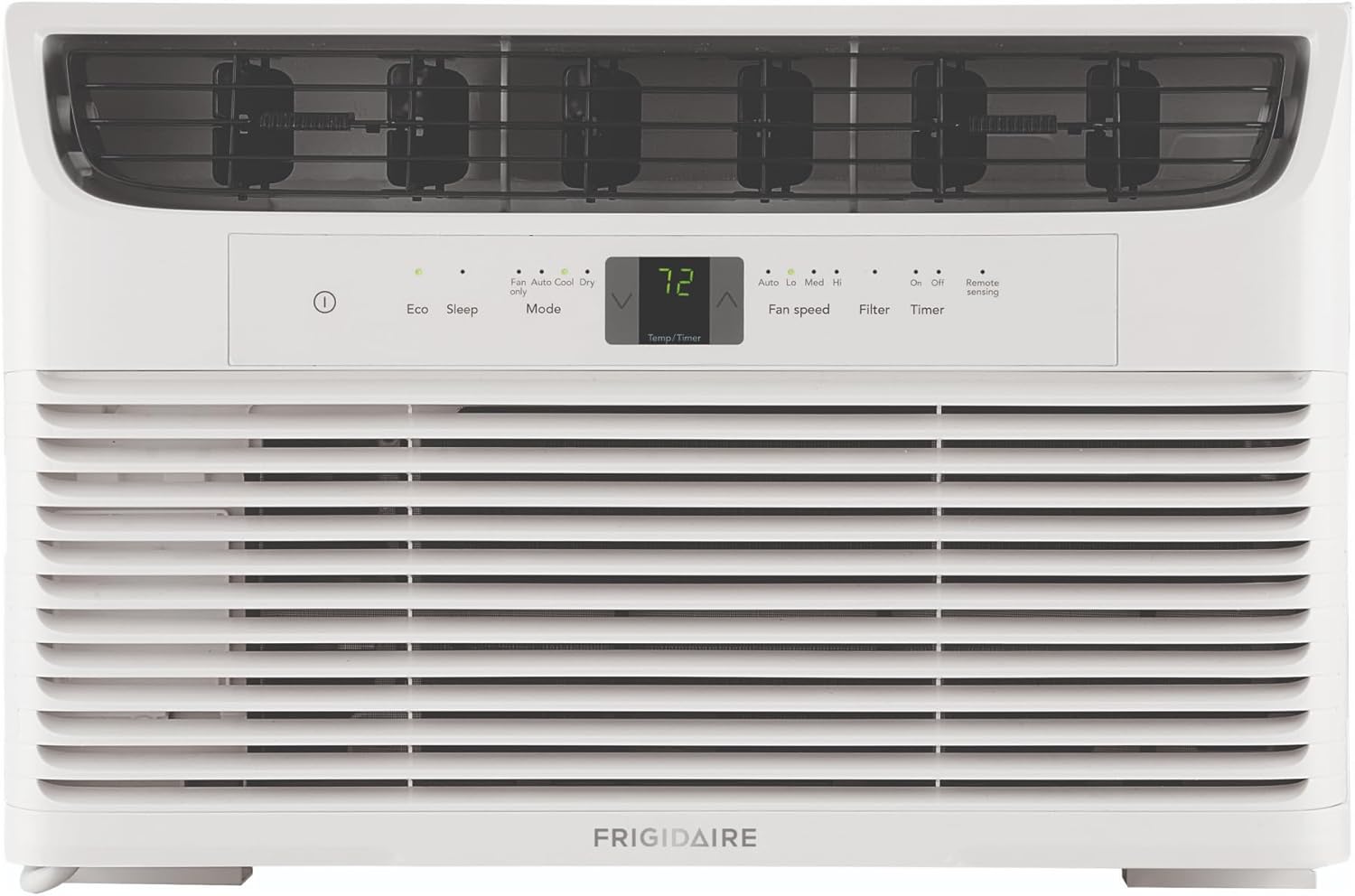
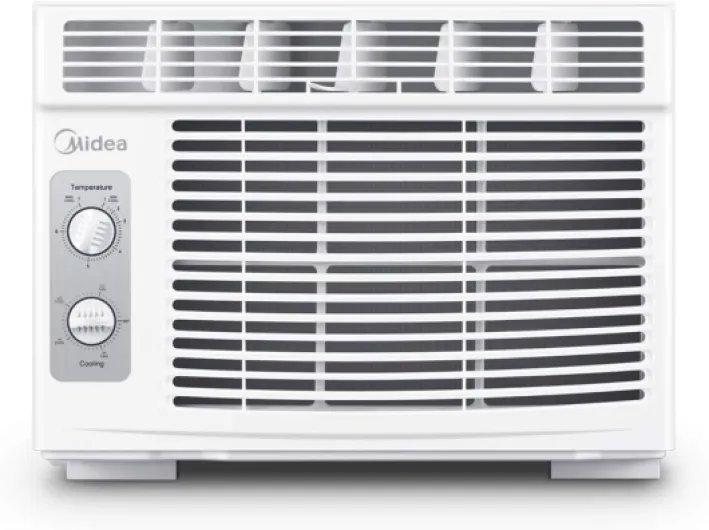
- Window Air Conditioners: Window units are compact and relatively simple to install if your attic has a suitable window. They offer decent energy efficiency and are cost-effective for cooling smaller attic spaces. However, not all attics have windows that can accommodate these conditioners, and installation may require additional insulation to prevent air leaks. For more details on window units, check out this comprehensive guide to window air conditioners.
- Mini Split Systems: Mini splits, or ductless split systems, are highly efficient and provide both heating and cooling. They consist of an indoor air handler and an outdoor compressor, connected by refrigerant lines. Mini splits are ideal for attics with limited space and no existing ductwork. While the price is higher upfront, their energy efficiency and quiet operation make them a long-term investment for attic air conditioning.
- Central HVAC Systems: Extending your home’s existing HVAC system into the attic can provide consistent cooling and heating. This option is best for larger attic spaces or when converting the attic into a living area. However, installation can be complex and costly, especially if additional ductwork or insulation is needed to maintain efficiency.
Factors to Consider When Choosing a System
- Space and Layout: The size and shape of your attic will influence which air conditioner is most suitable. Portable and mini units work well in tight spaces, while split systems are better for larger areas.
- Energy Efficiency: Look for units with a high energy efficiency rating to keep cooling costs down. Mini splits and some window air conditioners are known for their energy efficient operation.
- Installation Requirements: Consider how easy it will be to install the unit in your attic. Portable air and window units are generally easier to set up, while split systems and central HVAC may require professional installation.
- Price and Long-Term Costs: While portable and window units have a lower initial price, mini splits and HVAC systems may offer better energy savings over time.
Choosing the right air conditioning system for your attic involves balancing price, efficiency, installation complexity, and the unique challenges of attic spaces. The next section will help you identify the most important features to look for in a portable attic air conditioner.
Key features to look for in a portable attic air conditioner
Essential Qualities for Effective Attic Cooling
When selecting a portable air conditioner for your attic space, it’s important to focus on features that directly impact cooling performance, energy efficiency, and ease of use. Attics present unique challenges due to insulation, limited space, and heat buildup, so not every unit or system will be suitable. Here’s what to look for:
- BTU Rating and Room Size Compatibility: The cooling capacity, measured in BTUs, should match your attic’s square footage. Undersized units won’t cool effectively, while oversized ones waste energy. For small attic spaces, a mini portable air conditioner or mini split system may be ideal.
- Energy Efficiency: Look for units with a high energy efficiency rating. Energy efficient models help reduce electricity costs and environmental impact. Features like programmable timers, eco modes, and inverter technology in mini splits or portable units can further enhance efficiency. For more on maximizing efficiency, check this guide on choosing energy efficient wall AC units.
- Ventilation and Exhaust Options: Portable air conditioners require proper venting. Check if the unit comes with a window kit or if it can be adapted for attic window or wall installation. Some mini split systems offer more flexible installation but may require professional help.
- Dehumidification Function: Attic air can be humid, especially in summer. A built-in dehumidifier helps maintain comfort and protects insulation and stored items from moisture damage.
- Noise Level: Since attics are often close to bedrooms or living spaces, quieter units are preferable. Check the decibel rating before purchasing.
- Size and Portability: Compact, lightweight units are easier to move and install in tight attic spaces. Mini portable air conditioners are especially useful for smaller attics or when you need to cool specific zones.
- Smart Controls and Remote Access: Features like Wi-Fi connectivity, remote controls, and programmable settings add convenience, especially if your attic isn’t easily accessible.
Comparing Portable, Window, and Mini Split Systems
| Type | Pros | Cons |
|---|---|---|
| Portable Air Conditioners | Easy to install, movable, suitable for small attic spaces | Require venting, may be less efficient for large attics |
| Window Air Conditioners | Good cooling power, affordable price, simple installation | Need a suitable window, can block attic light or access |
| Mini Split Systems | High energy efficiency, quiet, no ductwork needed | Higher price, professional installation often required |
When comparing price, energy efficiency, and installation requirements, consider your attic’s insulation, available space, and how often you’ll use the air conditioning. Investing in a unit with a strong energy efficiency rating can save money over time, especially in spaces with poor insulation or high heat gain. Remember, the right choice balances cooling power, energy savings, and ease of installation for your unique attic air needs.
Installation tips for attic air conditioners
Preparing Your Attic Space for Installation
Before installing any portable air conditioner or mini split system in your attic, it’s important to assess the space. Attics often have limited insulation and unique layouts, which can impact both cooling efficiency and the performance of your chosen unit. Make sure your attic is properly insulated and sealed to prevent cool air from escaping and hot air from entering. This step is crucial for energy efficiency and helps your air conditioning system work less to maintain a comfortable temperature.
Choosing the Right Location for Your Unit
Placement is key for effective cooling. For portable air conditioners, position the unit near a window or vent for easy exhaust hose installation. Avoid placing the unit in direct sunlight or near heat sources, as this can reduce efficiency. For mini split systems, the indoor air handler should be mounted on a wall that allows for optimal air circulation throughout the attic space. Window air conditioners should be installed in a window that is structurally sound and can support the weight of the unit.
Installation Steps for Different Air Conditioning Systems
- Portable air conditioners: Attach the exhaust hose to the window kit, ensuring a tight seal to prevent air leaks. Plug the unit into a grounded outlet. Make sure the drainage system is set up if your model collects condensation.
- Window air conditioners: Secure the unit in the window, following the manufacturer’s instructions. Use foam insulation strips to seal gaps and prevent air loss. Double-check the stability of the installation to avoid accidents.
- Mini split systems: Professional installation is recommended for mini splits, as they require electrical and refrigerant line connections. The outdoor condenser should be placed on a stable surface outside, while the indoor unit is mounted in the attic for optimal airflow.
Safety and Efficiency Considerations
Always follow the manufacturer’s guidelines for installing attic air conditioners. Improper installation can lead to reduced energy efficiency, higher energy bills, and even safety hazards. Make sure the electrical system in your attic can handle the additional load from the air conditioning unit. If you’re unsure, consult an HVAC professional to assess your attic’s suitability for the chosen system.
Tips for Maximizing Cooling Performance
- Seal any gaps or cracks in the attic to prevent air leaks.
- Use reflective window coverings to reduce heat gain.
- Ensure proper ventilation to help the air conditioner operate efficiently.
- Regularly clean filters and vents to maintain airflow and efficiency.
By carefully planning your installation and considering the unique challenges of attic spaces, you can improve both the comfort and energy efficiency of your home’s cooling system.
Energy efficiency and cost considerations
Comparing Energy Use Across Attic Cooling Options
When it comes to cooling attic spaces, energy efficiency and cost are top concerns. Attics are often challenging to keep cool due to poor insulation and heat buildup. Choosing the right air conditioner can make a big difference in both comfort and your energy bills. Here’s what to consider when evaluating energy use and costs for different attic air conditioning systems.
- Portable air conditioners: These units are easy to install and move, but they can be less energy efficient than other systems. Their energy consumption depends on the size of the unit and the insulation of your attic space. Look for models with a high energy efficiency rating (EER or CEER) to minimize electricity use.
- Window air conditioners: Window units are a common choice for small attic spaces. They tend to be more efficient than portable units, especially if the window is well-sealed. However, installation can be tricky in attics with unusual window shapes or limited space.
- Mini split systems: Ductless mini splits are among the most energy efficient options for attic air. They offer both heating and cooling, and their inverter technology adjusts power use based on demand. While the upfront price is higher, the long-term savings on energy bills can be significant.
Factors That Impact Energy Efficiency and Cost
- Insulation: Proper insulation in your attic space reduces the workload on your air conditioner, leading to lower energy use and costs. Investing in insulation can be as important as choosing an efficient unit.
- Unit size: An oversized or undersized air conditioner will use more energy and may not cool the space effectively. Calculate the right BTU rating for your attic’s square footage and ceiling height.
- Installation quality: Gaps around window units or poorly installed mini splits can lead to air leaks, reducing efficiency. Professional installation is recommended for split systems and HVAC systems to ensure optimal performance.
- Energy ratings: Always check the energy efficiency rating of any air conditioning unit. Higher ratings mean less energy used for the same amount of cooling.
Cost Considerations for Attic Air Conditioning
The price of attic air conditioners varies widely. Portable and window units are generally less expensive upfront, but may cost more to run over time. Mini splits and split systems have a higher initial price, but their efficiency can lead to lower monthly bills. When comparing products, factor in both the purchase price and the estimated annual energy cost.
| Type | Upfront Price | Energy Efficiency | Best For |
|---|---|---|---|
| Portable Air Conditioner | Low to Medium | Moderate | Temporary or small attic spaces |
| Window Air Conditioner | Low | Good | Attics with standard windows |
| Mini Split System | High | Excellent | Permanent, energy efficient attic cooling |
For the most energy efficient solution, consider both the type of air conditioning system and the unique characteristics of your attic. Investing in insulation and choosing a unit with a high energy rating can help you save on long-term costs while keeping your attic comfortable year-round.
Maintenance and troubleshooting for attic air conditioners
Routine Care for Reliable Cooling
Keeping your portable attic air conditioner in good shape is crucial for maintaining cooling efficiency and extending the life of the unit. Regular maintenance helps prevent common issues that can affect both performance and energy efficiency. Here are some practical steps to follow:
- Clean or replace air filters: Dust and debris can quickly clog filters, especially in attic spaces where insulation particles and dust are common. Clean filters every few weeks or as recommended by the manufacturer to ensure optimal airflow and energy efficiency.
- Inspect vents and exhaust hoses: For portable and window air conditioners, check that vents and hoses are free from obstructions. Blocked airflow can reduce cooling capacity and increase energy consumption.
- Check for leaks and condensation: Attic spaces can be prone to humidity. Inspect the unit and surrounding area for any signs of water leaks or excessive condensation, which can impact both the air conditioner and attic insulation.
- Monitor thermostat and controls: Make sure the thermostat is functioning properly. Faulty controls can lead to inefficient cooling and higher energy bills.
Troubleshooting Common Issues
Even the best portable air conditioners and mini split systems can encounter problems. Here are some frequent issues and how to address them:
- Unit not cooling effectively: Check if the air filter is dirty, the exhaust hose is blocked, or if the attic insulation is insufficient. Sometimes, the unit may be undersized for the attic space, affecting its cooling capacity.
- Strange noises or vibrations: Loose parts, debris in the fan, or improper installation can cause noise. Ensure the unit is level and securely installed.
- Water pooling around the unit: Portable air conditioners often collect condensation. Make sure the drainage system is working and empty the water tank regularly if your model requires it.
- High energy bills: Inefficient operation can be due to poor attic insulation, an old or low-efficiency unit, or running the system longer than necessary. Consider upgrading to an energy efficient model with a high energy rating for better performance and lower costs.
When to Call a Professional
If your attic air conditioner continues to have issues after basic troubleshooting, it may be time to contact an HVAC professional. Problems with refrigerant, electrical components, or persistent leaks should be handled by experts to ensure safety and protect your investment. Regular professional servicing can also help maintain the energy efficiency and longevity of your attic cooling systems.