
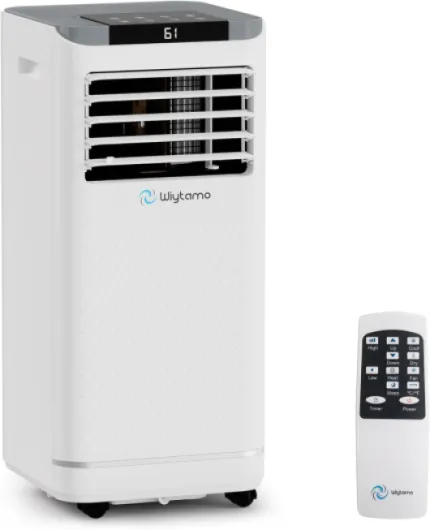

Understanding self-evaporating portable air conditioners
What Makes Self-Evaporating Portable ACs Different?
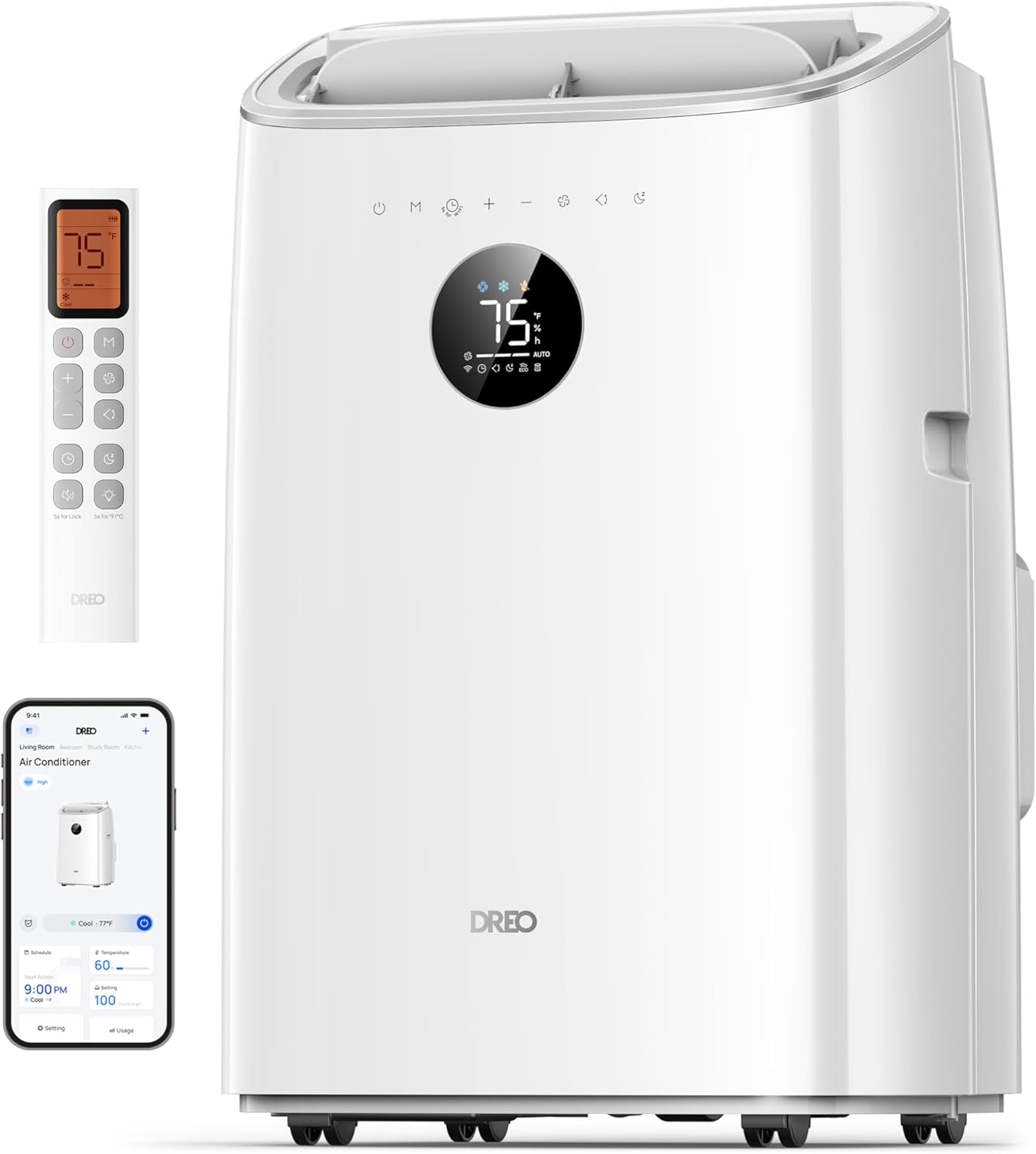
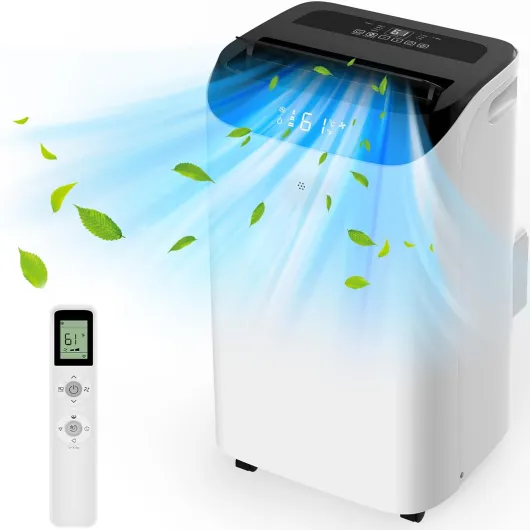
Self-evaporating portable air conditioners have changed the way people approach home cooling. Unlike traditional portable ACs, these models use advanced evaporating technology to minimize or even eliminate the need to manually empty water tanks. This is a big step forward for anyone looking for a hassle-free cooling experience, especially in humid environments where water collection can be a daily chore.
How Do Portable ACs Handle Moisture?
When a portable air conditioner cools a room, it also removes moisture from the air. In standard models, this moisture collects in a tank or tray that you need to empty. Self-evaporating models, however, use the heat from the compressor to evaporate much of this water and expel it through the exhaust hose. This process is not only more convenient but also helps maintain consistent cooling performance. For a deeper dive into how the aircon blower plays a role in this process, check out this guide on the aircon blower in portable air conditioners.
Common Features in Modern Self-Evaporating Models
- BTU Ratings: The cooling power, often listed as BTU or BTU SACC, determines the size of the cooling area the unit can handle. For example, a 10,000 BTU portable AC is suitable for rooms up to 300 square feet.
- Dual Hose vs. Single Hose: Some models, like the Whynter ARC series, use a dual hose system for improved energy efficiency and faster cooling.
- Dehumidifier Function: Many self-evaporating portable ACs double as dehumidifiers and fans, offering more control over indoor air quality.
- Remote Control and Smart Features: Brands such as Black Decker and SereneLife include remote control, digital displays, and sometimes even inverter compressor technology for quieter, more efficient operation.
- Window Kit and Exhaust Hose: All portable air conditioners require a window kit and exhaust hose to vent hot air outside, ensuring effective cooling.
Who Should Consider a Self-Evaporating Portable Air Conditioner?
If you want a portable solution that minimizes maintenance, a self-evaporating model is worth considering. These products are especially useful for apartments, offices, or any space where installing a traditional air conditioner is not practical. Price, cooling capacity, and energy efficiency are key factors to weigh when reviewing the list of available conditioners. Whether you need a black finish to match your decor or specific features like an inverter or dual hose, the market offers a range of options from brands like Black Decker, Whynter ARC, and SereneLife.

How the self-evaporation process works
What happens inside a self-evaporating portable AC?
Self-evaporating portable air conditioners use a clever process to manage the moisture they remove from the air. When these conditioners cool your room, they also act as a dehumidifier, pulling water vapor from the air. In traditional portable ACs, this moisture collects in a tank or tray that you need to empty. But with self-evaporating models, most of this water is reused inside the unit.
Here’s how it works: as the air conditioner cools the air, it collects condensation. Instead of letting this water build up, the system channels it toward the hot condenser coils. The heat from these coils causes much of the water to evaporate. This vapor is then expelled outside through the exhaust hose, along with the hot air. This means less water is left behind, so you rarely need to empty a tank.
- Most self-evaporating portable ACs, including popular brands like Black Decker, Whynter ARC, and SereneLife, use this process to simplify cooling and reduce maintenance.
- Some models are fully self-evaporating, while others may still need occasional draining in very humid conditions.
- Units with dual hose designs often improve energy efficiency and cooling area, especially in larger rooms or spaces up to several hundred square feet.
It’s important to note that the efficiency of the self-evaporating process can depend on factors like the BTU rating, inverter compressor technology, and the size of the cooling area. For example, a 12,000 BTU portable air conditioner with a dual hose and inverter compressor may handle moisture better than a smaller, single hose model.
If you’re looking for more practical advice on using portable air conditioners for different spaces, check out this guide on how to keep your bungalow cool with portable air conditioning.
Understanding this evaporating process is key when comparing product features, price, and maintenance needs. It also helps you decide whether a self-evaporating portable AC is the right choice for your home, especially if you want less hassle with water tanks and more efficient cooling.
Key benefits of self-evaporating models
Why self-evaporating portable ACs stand out
Self-evaporating portable air conditioners have become a popular choice for those seeking hassle-free cooling at home. These models use advanced evaporating technology to reduce the need for manual water drainage, making them more convenient than traditional portable ACs. Here are some of the main advantages that set self-evaporating models apart from other air conditioners:
- Less maintenance required: Since most of the moisture collected during the cooling process is automatically expelled through the exhaust hose, you rarely need to empty a water tank. This is especially useful in humid climates or for those who want a low-maintenance solution.
- Improved energy efficiency: Many self-evaporating portable ACs, including inverter and dual hose models, use less energy by recycling condensation to cool the compressor. This can help lower your electricity bills and reduce your environmental impact.
- Better cooling performance: By efficiently managing moisture, these units can maintain consistent cooling in larger spaces. Some models, like the Whynter ARC series or Black Decker portable air conditioners, are rated for cooling areas up to several hundred square feet, depending on their BTU SACC rating.
- Enhanced portability and flexibility: With fewer interruptions for draining water, you can move your portable AC from room to room or use it in spaces without easy access to a drain. Most products come with a window kit and remote control for added convenience.
- Multi-functionality: Many self-evaporating portable air conditioners also serve as dehumidifiers and fans. This makes them versatile for year-round use, especially in areas where humidity control is as important as cooling.
When comparing products, look for features such as inverter compressor technology, dual hose design, and a clear list of specifications like BTU portable ratings and cooling area coverage. Brands like SereneLife, Black Decker, and Whynter ARC offer a range of options in different price brackets, so you can find a model that fits your needs and budget.
For a deeper understanding of how the blower fan impacts air flow and overall cooling efficiency in portable air conditioners, check out this guide on the role of the aircon blower fan.
Potential drawbacks and limitations
What to Watch Out For with Self-Evaporating Portable ACs
While self-evaporating portable air conditioners offer convenience and less manual maintenance, they are not without their challenges. Understanding these potential drawbacks can help you make a more informed decision before purchasing a product for your cooling needs.
- Efficiency Drops in High Humidity: Self-evaporating models are designed to use the moisture from the air to cool and expel it through the exhaust hose. However, in very humid environments, these units may not be able to evaporate all the collected water. This means you might still need to empty a water tank occasionally, especially if the cooling area is large or the air is particularly moist.
- Price and Features: Fully self-evaporating portable air conditioners, especially those with inverter compressors, dual hose systems, or advanced remote control features, tend to come at a higher price point. Brands like Black Decker, Whynter ARC, and SereneLife often offer models with a range of BTU SACC ratings, but the more advanced the product, the more you’ll likely pay.
- Cooling Capacity Limitations: The BTU portable rating is crucial. If the air conditioner’s BTU is too low for your square feet requirements, the unit will struggle to cool effectively. Portable ACs, including self-evaporating types, are best suited for smaller rooms or as a supplement to central cooling. Overestimating their capacity can lead to disappointment.
- Noise and Air Flow: Portable air conditioners, even those with inverter technology, can be noisier than traditional window units. The evaporating process and the movement of air through the exhaust hose can create noticeable sound, which may be a concern for bedrooms or quiet spaces.
- Window Kit and Installation: Setting up the window kit and exhaust hose can be tricky, especially if your windows are not standard size or if you plan to move the unit between rooms. Some users find the installation process less straightforward than expected, particularly with dual hose or larger BTU models.
- Dehumidifier and Fan Modes: While many self-evaporating portable air conditioners offer dehumidifier fan options, the effectiveness can vary. In some cases, the dehumidifier function may fill the tank faster than the self-evaporating system can handle, requiring manual intervention.
When comparing different conditioners, such as Black Decker or Whynter ARC series, always check the list of features, energy efficiency ratings, and user reviews. This helps ensure you select a portable AC that matches your specific cooling and evaporating needs, as well as your budget.
Tips for choosing the right self-evaporating portable air conditioner
Factors to Consider Before Buying
When selecting a self-evaporating portable air conditioner, several factors can influence your satisfaction and the unit’s performance. Here’s a practical list to help guide your decision:- Cooling Area and BTU SACC: Match the BTU (British Thermal Unit) rating to your room size. For example, a 10,000 BTU portable AC can typically cool spaces up to 300 square feet. Always check the SACC (Seasonally Adjusted Cooling Capacity) for a more accurate measure of real-world performance.
- Single vs. Dual Hose: Dual hose models, like the Whynter ARC series, tend to be more efficient for larger rooms. Single hose units are easier to install but may be less effective in very hot climates.
- Energy Efficiency: Look for inverter compressor technology, which can help reduce energy consumption. Energy efficiency ratings can impact your electricity bills over time.
- Dehumidifier and Fan Modes: Many self-evaporating portable ACs double as dehumidifiers and fans. This is useful for humid climates or when you want air circulation without cooling.
- Remote Control and Smart Features: Features like remote control, programmable timers, and app connectivity add convenience, especially for bedrooms or offices.
- Window Kit and Exhaust Hose: Ensure the included window kit fits your window type. The length and flexibility of the exhaust hose can affect placement options.
- Noise Level: Some models, such as the Black Decker portable air conditioners, are designed for quieter operation. Check decibel ratings if noise is a concern.
- Price and Brand: Compare prices across brands like SereneLife, Black Decker, and Whynter. Sometimes, higher price reflects better build quality or extra features, but always check product reviews for real-world feedback.
- Design and Color: If aesthetics matter, look for options in black or other finishes that match your decor.
Comparing Popular Models
| Product | BTU (SACC) | Cooling Area (sq ft) | Hose Type | Dehumidifier | Remote Control | Price Range |
|---|---|---|---|---|---|---|
| Whynter ARC-14S | 14,000 (9,500) | 500 | Dual | Yes | Yes | $$$ |
| Black Decker BPACT10WT | 10,000 (6,000) | 250 | Single | Yes | Yes | $$ |
| SereneLife SLPAC10 | 10,000 (6,000) | 300 | Single | Yes | Yes | $$ |
Other Practical Tips
- Check the warranty and customer support for each conditioner.
- Read user reviews for insights on real-world performance and reliability.
- Measure your window and available space before buying, especially for the window kit and exhaust hose setup.
Maintenance and care for optimal performance
Routine Checks to Keep Your Portable AC Running Smoothly
Maintaining your self evaporating portable air conditioner is essential for reliable cooling and energy efficiency. Regular care helps extend the life of your product and ensures it delivers the BTU performance you expect, whether you have a Black Decker, Whynter ARC, or Serenelife model. Here are some practical steps to keep your portable AC in top shape:
- Clean or replace air filters: Dust and debris can clog the air filter, reducing airflow and cooling area efficiency. Most manufacturers recommend checking filters every two weeks, especially if you use the dehumidifier fan mode often.
- Inspect the exhaust hose: Make sure the hose is free of kinks and obstructions. A blocked exhaust hose can cause the unit to overheat and reduce BTU SACC output. Also, check for leaks where the hose connects to the window kit.
- Wipe down the exterior: Use a damp cloth to clean the surface of your conditioner. This prevents dust buildup and keeps the unit looking good, especially for black or white portable ACs.
- Monitor the water tank: Even with fully self evaporating models, excess humidity or continuous use may require occasional manual draining. Check the water indicator and empty the tank if needed.
- Check remote control batteries: If your portable air conditioner comes with a remote control, replace the batteries regularly to maintain convenient operation.
- Inspect window kit seals: Ensure the window kit is tightly sealed to prevent warm air from entering and to maximize cooling efficiency in your square feet coverage area.
Seasonal Storage and Long-Term Care
When the cooling season ends, proper storage is key. Clean the air filter, drain any remaining water, and detach the exhaust hose and window kit. Store all components in a dry place to prevent mold and mildew. For inverter compressor models or dual hose conditioners, follow the manufacturer's instructions for safe storage.
When to Call for Professional Help
If your portable AC shows signs of reduced cooling, strange noises, or error codes, consult the product manual or contact customer support. Issues with the inverter, control panel, or dehumidifier function may require expert attention. Keeping a list of authorized service centers for your brand, such as Whynter ARC or Black Decker, can save time if repairs are needed.
Regular maintenance not only protects your investment but also ensures your portable air conditioner delivers consistent, energy-efficient performance at the right price point for years to come.