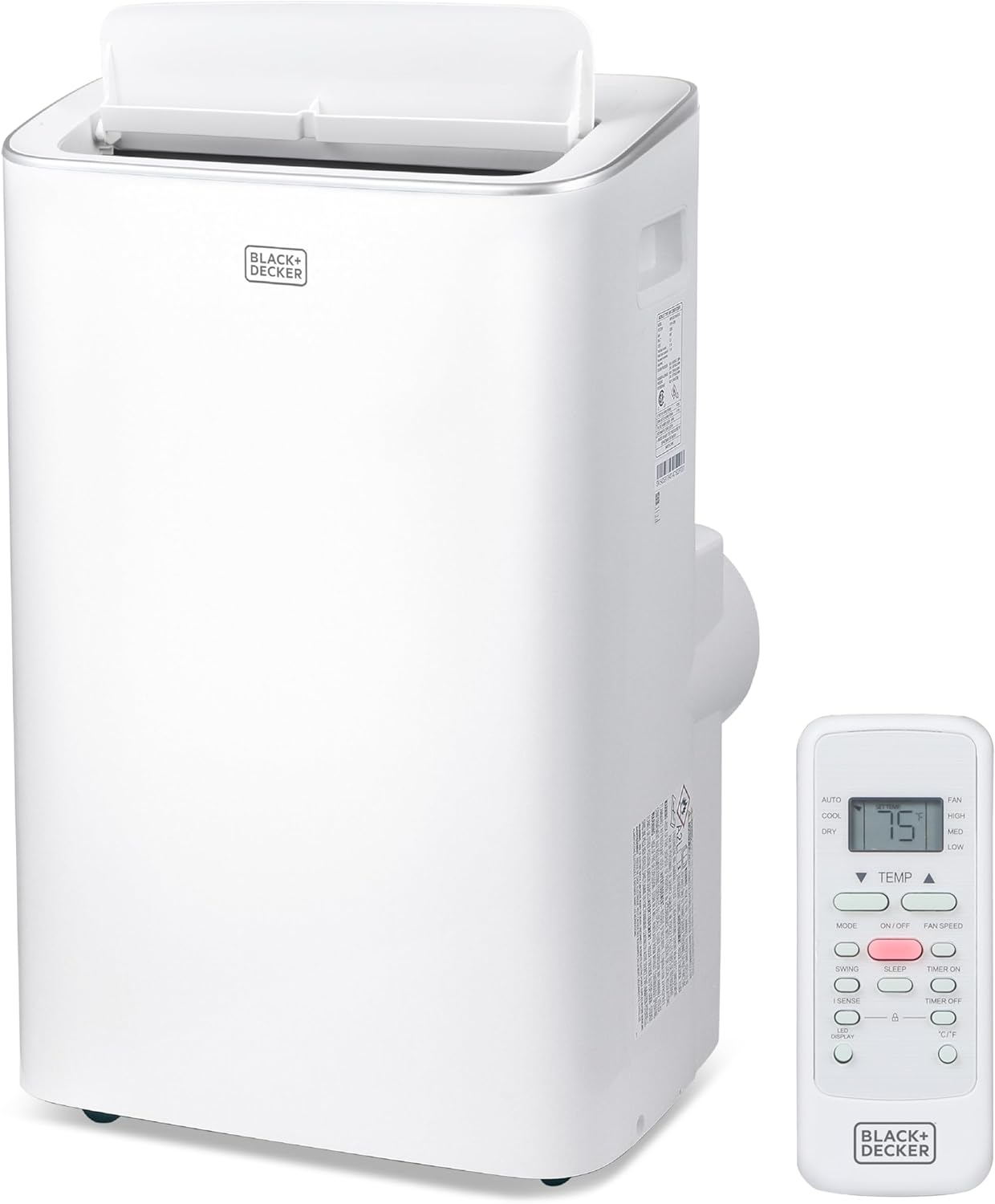

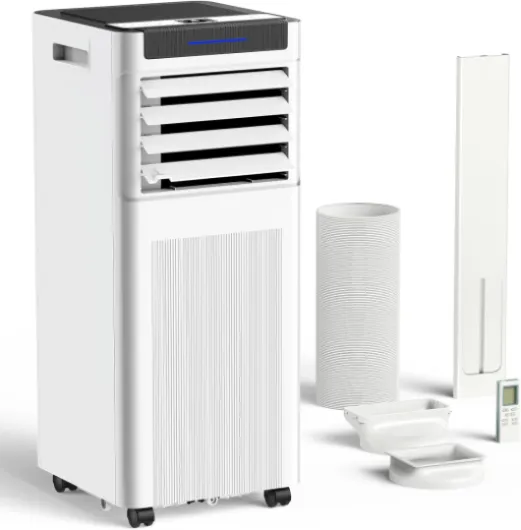

Understanding the causes of strange smells in portable air conditioners
Common Sources of Unpleasant Odors in Portable Air Conditioners
Strange smells coming from your portable air conditioner can be unsettling, but they often signal specific issues within the system. Understanding where these odors originate is the first step toward improving your indoor air quality and ensuring your unit operates safely and efficiently.
- Mold and Mildew Growth: A musty smell is one of the most frequent complaints. This odor usually points to mold or mildew growth inside the air conditioner, often due to moisture buildup in the drain pan, evaporator coil, or air filters. High humidity and poor drainage can create an environment where bacteria and mold thrive, leading to persistent odors.
- Dirty or Clogged Air Filters: When air filters are clogged with dust and debris, airflow is restricted. This not only reduces the efficiency of your air conditioning system but can also cause unpleasant smells as contaminants accumulate and circulate through your indoor air.
- Standing Water in the Drain System: If water isn’t draining properly from the unit, it can stagnate and become a breeding ground for bacteria and mold. This often results in a musty or sour odor coming from the air conditioner.
- Electrical or Burning Smells: A burning or electrical smell may indicate overheating components, worn wiring, or even a refrigerant leak. These issues can be serious and may require immediate attention from a professional HVAC technician.
- Refrigerant Leaks: Some air conditioners can develop refrigerant leaks, which sometimes produce a chemical or sweet odor. While rare, this can impact both the performance of your conditioning system and your safety.
- Natural Gas Odors: Although portable air conditioners do not use natural gas, if you notice a gas-like smell, it’s crucial to ensure it’s not coming from another appliance or your home’s gas supply. Always take gas odors seriously and seek professional help if you suspect a leak.
Each of these issues can affect the air quality in your home and may require different solutions, from cleaning the air filter to checking the drain pan or consulting a professional. For a deeper understanding of how your unit’s internal components and wiring can influence odors and overall safety, you can refer to this guide on understanding the wiring diagram of a portable air conditioner for safe installation.

How to identify the type of smell and what it means
Recognizing Common Odors and Their Implications
When your portable air conditioner starts emitting a strange smell, it’s important to pay attention to the specific odor. Different smells can point to different issues within your air conditioning system. Here’s how to identify what the smell might mean for your unit and indoor air quality:
- Musty or Moldy Smell: This is one of the most common odors coming from portable air conditioners. A musty smell often signals mold or mildew growth inside the unit, especially around the evaporator coil, air filters, or drain pan. Moisture buildup and poor drainage can encourage bacteria and mold to thrive, impacting air quality. For more on drainage issues, see this guide on why your portable air conditioner may be leaking water.
- Burning or Electrical Smell: If you notice a burning odor, it could indicate an electrical issue, such as overheating components or wiring inside the air conditioning system. This can be a serious safety risk and should be addressed immediately.
- Chemical or Refrigerant Smell: A sharp, chemical-like odor may suggest a refrigerant leak. Refrigerant leaks not only reduce the efficiency of your air conditioner but can also be hazardous to your health. If you suspect this, it’s best to stop using the unit and consult a professional.
- Rotten or Sour Smell: Sometimes, a portable air conditioner can emit a foul, sour, or rotten odor. This can be caused by stagnant water in the drain pan or bacteria buildup in the system. It may also be due to a clogged air filter or drain, which needs immediate attention.
- Natural Gas Smell: While rare in portable air conditioners, if you detect a smell similar to natural gas, turn off the unit and ventilate the area. This could indicate a serious safety concern unrelated to the air conditioner itself, and you should seek help right away.
Identifying the type of smell is the first step in diagnosing the problem with your portable air conditioning unit. The source of the odor can help you decide whether you can address it with cleaning and maintenance or if you need professional HVAC assistance. Remember, persistent or unusual smells should never be ignored, as they can signal underlying issues affecting both your air conditioner and your indoor air quality.
Immediate steps to take when you notice a strange smell
Quick actions to address unpleasant odors
If you notice a strange smell coming from your portable air conditioner, it’s important to act quickly to protect your indoor air quality and prevent further issues. Here are some immediate steps you can take:- Turn off the unit. If the odor is strong, especially if it smells like burning, electrical, or natural gas, switch off the air conditioning system immediately. This helps prevent potential hazards and gives you time to assess the situation safely.
- Unplug the air conditioner. For safety, always unplug the unit before inspecting or cleaning any part of the system.
- Check the air filters. Dirty or clogged air filters are a common source of musty smells, mold, and mildew growth. Remove the filters and inspect them for visible dirt, dust, or mold mildew. If they look dirty, clean or replace them according to the manufacturer’s instructions.
- Inspect the drain pan and drain line. Water accumulation in the drain pan or a blocked drain line can lead to musty or moldy odors. Empty the drain pan and ensure the drain line is clear. For more on improving drainage and preventing odors, see this guide on how condensate pumps improve portable air conditioner performance.
- Look for signs of mold or mildew. Check around the evaporator coil, inside the unit, and any accessible areas for visible mold or mildew. If you spot any, cleaning will be necessary to remove the source of the odor.
- Ventilate the room. Open windows and doors to allow fresh air to circulate and help dissipate any lingering smells from the air conditioning unit.
- Note the type of smell. Pay attention to whether the odor is musty, burning, chemical, or similar to refrigerant leaks. This information will help you or a professional diagnose the issue more accurately.
Cleaning and maintenance tips to remove odors
Steps to Deep Clean and Maintain Your Portable Air Conditioner
Regular cleaning and maintenance are essential to keep your portable air conditioner free from unpleasant smells and to ensure good indoor air quality. Odors coming from the unit often result from mold, mildew, bacteria, or even a clogged drain pan. Here’s how to tackle these issues:- Unplug the Unit: Always disconnect your air conditioning system from the power source before starting any cleaning process to avoid electrical hazards.
- Clean or Replace Air Filters: Dirty air filters are a common cause of musty smells and reduced air quality. Remove the air filter and either wash it with mild soap and water or replace it if it’s too worn or clogged. Let it dry completely before reinstalling.
- Wipe Down the Exterior and Vents: Dust and debris can accumulate on the surface and vents. Use a damp cloth to wipe down these areas, preventing dust from entering the system and causing odors.
- Empty and Clean the Drain Pan: Stagnant water in the drain pan can lead to mildew growth and bacteria mold. Remove the drain pan, empty any water, and clean it thoroughly with a mixture of water and white vinegar. This helps eliminate musty odors and prevents mold mildew buildup.
- Inspect and Clean the Evaporator Coil: If accessible, gently clean the evaporator coil with a soft brush or a coil cleaner. Mold and bacteria can thrive on the coil, causing persistent smells from air conditioners.
- Check for Blockages in the Drain System: Ensure the drain hose or pipe is clear. Blockages can cause water to back up, leading to musty or moldy smells coming from the unit.
- Ventilate the Room: After cleaning, run the air conditioner in fan mode with windows open for a short period. This helps remove lingering odors and improves air quality.
When to seek professional help
Recognizing When Expert Help Is Needed
Sometimes, strange smells coming from your portable air conditioner signal more than just a need for cleaning. If you’ve already checked and cleaned the air filters, drain pan, and evaporator coil, but the odor persists, it’s time to consider professional assistance. Here are some signs that indicate you should call an HVAC technician:
- Persistent musty smell: If the musty odor remains after cleaning, there may be hidden mold or mildew growth deep inside the unit or ductwork. Mold and bacteria can impact indoor air quality and may require specialized treatment.
- Burning or electrical smells: A burning smell could point to electrical issues or overheating components in the conditioning system. This can be a fire hazard and should be addressed by a qualified professional immediately.
- Chemical or refrigerant odors: If you notice a chemical scent, or something similar to natural gas, it could be a refrigerant leak. Refrigerant leaks are not only harmful to the environment but can also affect your health and the efficiency of your air conditioner.
- Water leaks or drainage problems: If you see water pooling around the unit or notice the drain pan isn’t emptying, there may be a blockage or a malfunction in the drainage system. Persistent moisture can encourage bacteria and mold growth.
Professional HVAC technicians have the expertise and tools to diagnose complex issues within your portable air conditioning system. They can inspect for refrigerant leaks, electrical faults, and deep-seated mold or bacteria. Attempting to fix these problems yourself can be risky and may void your warranty.
Remember, regular maintenance can prevent many of these issues, but when in doubt, don’t hesitate to reach out to a professional to ensure your air conditioner is safe and your indoor air remains clean.
Preventing future smells in your portable air conditioner
Simple habits to keep your air conditioner fresh
Preventing strange smells from your portable air conditioner is all about regular care and attention. Many odors, like musty or burning smells, come from neglect or missed maintenance steps. Here are practical ways to keep your unit and indoor air quality at their best:
- Clean or replace air filters regularly. Dirty air filters trap dust, bacteria, and mold spores, which can lead to musty or unpleasant odors coming from the system. Check the air filter every two weeks during heavy use and clean or replace it as needed (refer to your unit’s manual for guidance).
- Empty and clean the drain pan. Standing water in the drain pan is a common cause of mold, mildew, and bacteria growth. Make sure to drain and wipe the pan frequently, especially in humid conditions.
- Keep the evaporator coil clean. Dust and debris on the coil can trap moisture and encourage mildew growth. Gently vacuum or wipe the coil as part of your regular maintenance routine.
- Ensure proper ventilation. Make sure the exhaust hose is correctly installed and not blocked. Good airflow prevents moisture buildup and reduces the risk of musty smells or mold mildew inside the unit.
- Store your unit properly when not in use. Before storing, clean the conditioner thoroughly, dry all components, and keep it in a dry area. This prevents bacteria mold and mildew from developing during off-seasons.
- Check for refrigerant leaks and electrical issues. If you ever notice a chemical, burning, or natural gas odor, stop using the air conditioner and consult a professional. These smells can indicate refrigerant leaks or electrical problems that require expert attention.
Routine checks for better air quality
Regularly inspect your portable air conditioning system for any signs of water accumulation, mold, or unusual odors. Addressing small issues early helps prevent bigger problems and keeps your air conditioners running efficiently. If you notice persistent odors despite cleaning, it may be time to call an HVAC professional for a thorough inspection and cleaning of the unit.
By following these habits, you can reduce the risk of unpleasant smells and maintain a healthier indoor air environment for everyone using your portable air conditioner.