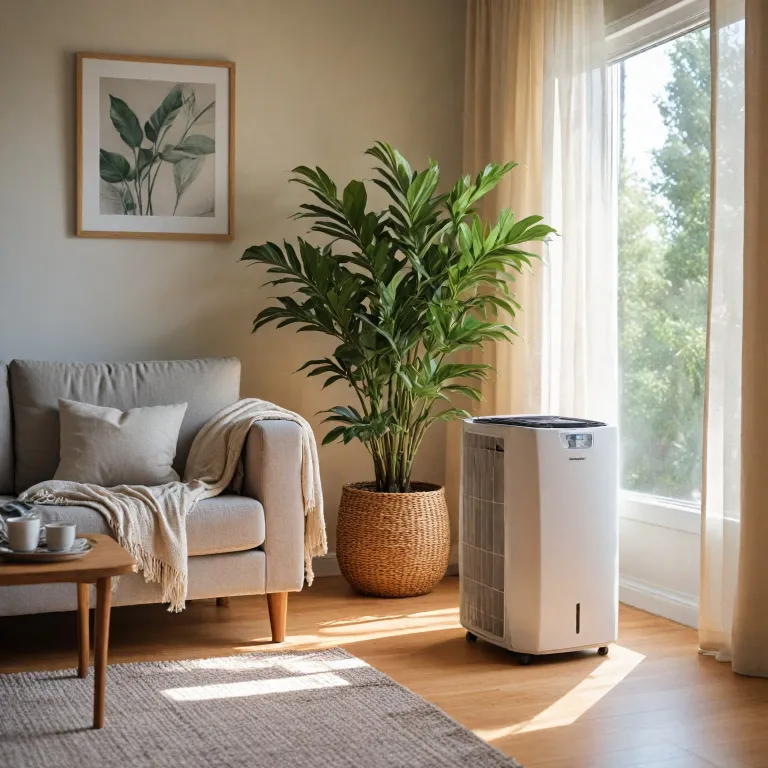
Understanding how an air cooler with fan differs from air conditioners
An air cooler with fan occupies a middle ground between a simple fan and full air conditioners. This hybrid appliance uses evaporative cooling to lower perceived temperature, while the integrated fan pushes fresh air across your skin. For many people in dry climates, portable evaporative coolers feel more natural than compressor based air conditioning.
In practice, an evaporative air cooler with fan pulls warm air through a moistened pad, where water evaporates and absorbs heat. The portable air unit then circulates this cooler air into the room, often measured in cubic metres per minute rather than only in BTU or CFM. Unlike a sealed air conditioner, these coolers require a slightly open window for airflow, which keeps indoor air feeling less stale.
Because an evaporative cooler relies on water, the size and design of the water tank strongly influence autonomy. A larger removable water tank allows longer cooling sessions, while a smaller tank makes the cooler portable but demands more frequent refills. Many modern air coolers balance these trade offs with transparent tanks that show remaining water at a glance.
Consumers comparing air coolers and air conditioners often focus on energy use and noise. A portable evaporative cooler fan usually consumes far less electricity than a compressor based air conditioner, especially when running on a low cooling fan setting. However, in very humid regions, traditional air conditioning still cools more effectively than evaporative coolers, which lose efficiency as ambient moisture rises.
Colour and design details, such as a neutral white housing, also matter in living spaces. A compact white air cooler with fan can blend into a bedroom or office more discreetly than a bulky portable air conditioner. For renters or students, this aesthetic flexibility often weighs as heavily as raw cooling performance.
Key features that make an air cooler with fan practical at home
When evaluating any air cooler with fan, ease of daily use should rank alongside cooling power. A truly portable air device must be light enough to move between rooms, yet stable enough that the water tank does not slosh or leak. Handles, smooth casters, and a compact footprint help the cooler portable design fit into tight spaces near desks or sofas.
Controls define how you interact with evaporative coolers during long heat waves. Many modern air coolers include a remote control, allowing you to adjust fan speed, timer, and cooling mode without leaving the couch. Models advertised as cooler with remote often pair this with a digital display that shows remaining timer hours and current fan setting.
A programmable timer can quietly save energy by shutting the portable air cooler off after you fall asleep. Instead of running all night, the air cooler with fan can operate for two or three hours, then stop once the room feels comfortable. This timer function, combined with multiple fan speeds, lets you fine tune evaporative cooling to your schedule.
Maintenance is another crucial factor, especially for people sensitive to dust. Look for an evaporative cooler with a removable water tank and washable filters, because these features make cleaning far easier. When you understand how to choose the right replacement filter, you can apply similar principles to pads and screens in air coolers.
Brand reputation also shapes trust, particularly in the portable evaporative segment. Companies such as NewAir market both single room air coolers and larger evaporative coolers with higher CFM ratings for open plan spaces. A NewAir evaporative cooler with fan in white, for example, may offer remote control, a generous water tank, and a timer, while still remaining easy to move between rooms.
Finally, check whether the manufacturer clearly states airflow in CFM, water consumption per hour, and recommended room size. Transparent specifications help you match a portable air cooler to a bedroom, office, or studio, instead of relying on vague promises of powerful cooling. Clear data also signals that the brand takes performance claims and consumer trust seriously.
Performance metrics, CFM, and realistic expectations in different rooms
Performance for any air cooler with fan depends heavily on airflow, humidity, and room layout. Manufacturers often express airflow in CFM, which indicates how much air the cooler fan can move each minute. Higher CFM values generally suit larger rooms, but only when combined with adequate evaporative cooling capacity and a properly sized water tank.
In a small bedroom, a compact portable evaporative cooler with modest CFM can still feel effective. The key is to position the air cooler so that fresh air flows across your body, rather than simply circulating near the ceiling. Opening a window slightly behind the evaporative cooler and another across the room encourages cross ventilation, which supports continuous evaporative air exchange.
For open plan living rooms, you may need larger air coolers or multiple portable air units. Some NewAir evaporative coolers advertise higher CFM ratings and wider oscillation angles, which help distribute cooling fan airflow more evenly. When comparing such coolers with traditional air conditioners, remember that evaporative cooling lowers perceived temperature rather than strictly reducing thermostat readings.
People often ask whether an air conditioner or an evaporative cooler will save more energy in a given room. In dry climates, a portable air cooler with fan typically uses far less electricity than compressor based air conditioning, especially at low fan settings. However, in humid coastal regions, air conditioners maintain more consistent comfort, while evaporative coolers may feel clammy.
Spare parts and service access also influence long term performance. If you can easily find air conditioner parts nearby, you are more likely to maintain both air conditioners and air coolers properly. Regular cleaning of pads, filters, and removable water tanks keeps airflow strong and reduces odours, which directly affects perceived cooling quality.
Finally, remember that colour and finish, such as a matte white housing, do not change CFM or cooling capacity. They do, however, affect how comfortably the portable air device integrates into your décor, which can determine whether you actually use it daily. A well placed, visually unobtrusive evaporative cooler with fan is more likely to run when you need it most.
Energy use, water management, and ways to save during heat waves
Energy efficiency remains one of the strongest arguments for choosing an air cooler with fan over conventional air conditioning. Because evaporative cooling relies on water rather than a compressor, the portable air unit typically consumes power comparable to a standard cooling fan. This lower draw can significantly save on electricity bills during long heat waves, especially when several rooms need relief.
Water management, however, becomes the new variable to monitor. A larger water tank extends runtime for portable evaporative coolers, but it also adds weight when full and requires careful handling. Many users prefer a mid sized removable water tank that balances autonomy with easy refilling at a sink or shower.
Some NewAir evaporative coolers and other brands include indicators that show when the water level drops too low for effective evaporative air performance. Running an evaporative cooler without sufficient water simply turns it into a basic air cooler fan, reducing the cooling effect. For this reason, it is wise to integrate refilling into your daily routine, much like watering plants or making coffee.
Smart use of timers and remote control features can further save energy without sacrificing comfort. By setting the timer to shut the air cooler with fan off after two or three hours, you avoid unnecessary overnight operation. A remote control or app based interface also encourages you to adjust fan speed and cooling mode instead of leaving the portable air cooler on its highest setting.
Placement strategies influence both energy use and perceived cooling. Position the evaporative cooler near an open window, with the cooler fan blowing inward and another opening allowing warm air to exit. Articles explaining how a window kit enhances portable air conditioner performance illustrate similar airflow principles that also benefit air coolers.
Finally, consider the broader environmental impact of your cooling choices. While air conditioners provide powerful air conditioning in extreme heat, they rely on refrigerants and higher electricity consumption. Portable evaporative coolers, especially compact white models with modest CFM, offer a lower impact alternative for many everyday situations, provided humidity levels remain favourable.
Comparing portable air coolers, fans, and portable air conditioners
Choosing between a simple fan, an air cooler with fan, and a portable air conditioner requires understanding their distinct mechanisms. A standard cooling fan moves existing air without changing its temperature or humidity, which can feel insufficient during intense heat. An evaporative cooler, by contrast, uses water and evaporative cooling to lower perceived temperature, while a portable air conditioner actively removes heat from the room.
Portable air conditioners suit closed rooms where you can vent hot exhaust air through a window kit. These air conditioners deliver measurable drops in room temperature, but they draw more power and often generate more noise than portable evaporative coolers. For renters, the need for a window vent and condensate management can complicate installation compared with a simple cooler portable design.
An air cooler with fan occupies a flexible middle position, especially in dry climates. The evaporative air process adds a small amount of humidity while the cooler fan circulates fresh air, which many people find more comfortable than the drier blast from air conditioning. However, in already humid rooms, the same evaporative cooler may feel less effective, making a traditional air conditioner the better choice.
Price and maintenance also differ across these categories. Fans remain the cheapest and simplest, while portable air conditioners cost more upfront and require filter cleaning, condensate drainage, and occasional servicing. Portable air coolers, including NewAir evaporative models, fall between these extremes, with pads, filters, and removable water tanks that need periodic attention.
From a design perspective, many consumers appreciate the neutral white finishes and compact shapes of modern air coolers. These air coolers can sit unobtrusively in a corner, offering cooling fan airflow without dominating the room visually. When combined with remote control, timer functions, and easy to read displays, they provide a refined alternative to bulkier air conditioning units.
Ultimately, the decision hinges on climate, room size, and personal comfort preferences. If you live in a dry region and value portability, a portable evaporative cooler with fan may offer the best balance of cooling, energy savings, and flexibility. In very humid areas or heavily insulated rooms, however, a properly sized portable air conditioner still delivers more predictable results.
Practical buying checklist for an air cooler with fan
Before purchasing any air cooler with fan, start by measuring your room and climate conditions. A small bedroom may only require a compact cooler portable model with modest CFM, while a large living room benefits from higher airflow and a larger water tank. In dry regions, evaporative cooling will feel more pronounced, whereas in humid zones, you may need to temper expectations.
Next, examine the control interface and remote options. A clear panel with labelled buttons for fan speed, cooling mode, and timer makes daily operation easy, even for less technical users. Units marketed as cooler with remote or with remote control should allow you to adjust settings from bed or sofa, which encourages more efficient use.
Water handling deserves special attention, because it directly affects convenience. Look for a removable water tank that slides out smoothly and fits under standard taps, reducing spills during refills. Transparent or backlit indicators help you see remaining water, ensuring the evaporative cooler maintains proper evaporative air performance instead of reverting to a simple cooler fan.
Brand reliability and after sales support matter, particularly for portable evaporative coolers used heavily each summer. NewAir evaporative coolers, for example, often highlight CFM ratings, room size recommendations, and warranty terms clearly on packaging and manuals. This transparency, combined with accessible customer service, can save frustration if you later need pads, filters, or other consumables.
Noise levels and aesthetics also influence satisfaction more than many buyers expect. A quiet white air cooler that blends into your décor will likely run more often than a loud, visually intrusive unit, delivering better real world cooling. Reading user reviews about noise, build quality, and ease of cleaning can provide valuable context beyond raw specifications.
Finally, consider how the air cooler with fan fits into your broader cooling strategy. Some households pair evaporative coolers with limited air conditioning, using air conditioners only during peak heat and relying on portable air coolers the rest of the time. This layered approach can save energy, extend the life of air conditioners, and keep indoor air feeling fresher throughout the warm season.
Maintenance, hygiene, and long term comfort with portable evaporative coolers
Long term comfort with any air cooler with fan depends on consistent maintenance and hygiene. Because evaporative cooling relies on water and porous pads, neglect can lead to mineral buildup, odours, or reduced airflow. Regularly rinsing the removable water tank and wiping internal surfaces helps keep the portable air cooler fresh and efficient.
Most evaporative coolers include filters or pads that require periodic replacement. Following the manufacturer’s schedule, especially for NewAir evaporative models and similar brands, ensures that evaporative air performance remains strong. When pads harden or discolour, the cooler fan must work harder, and the air coolers may deliver less noticeable cooling.
During cooler months, proper storage protects both the water tank and internal components. Drain all remaining water, allow the evaporative cooler to dry completely, and store it in a dry, dust free room. Covering the portable evaporative unit with a cloth or bag can prevent dust accumulation on the fan and control panel.
Hygiene also intersects with health considerations, particularly for allergy sufferers. Clean pads and tanks reduce the risk of mould or bacterial growth, which can otherwise circulate through the room via the cooling fan. If you notice persistent odours, it may be time to deep clean the air cooler or replace consumable parts sooner than scheduled.
From an economic perspective, routine maintenance helps save money by extending the life of both air coolers and air conditioners in your home. A well maintained air conditioner, supported by clean filters and proper ventilation, can share cooling duties with a portable air cooler, reducing strain on each system. Over several seasons, this combined strategy can lower repair costs and energy consumption.
Finally, pay attention to how the control panel, timer, and remote control respond over time. Sticky buttons or unresponsive remotes may signal the need for cleaning or battery replacement rather than immediate replacement of the entire cooler portable unit. By treating your air cooler with fan as a long term appliance rather than a disposable gadget, you support more sustainable and comfortable living.
Key statistics about portable air cooling performance
- Evaporative coolers typically use significantly less electricity than comparable portable air conditioners in dry climates.
- Airflow capacity, often expressed in CFM, directly influences how effectively an air cooler with fan can serve different room sizes.
- Regular cleaning of removable water tanks and pads can maintain cooling efficiency and reduce odour formation over multiple seasons.
- Combining portable evaporative coolers with limited air conditioning can lower overall household energy consumption during warm months.
Common questions about air coolers with fans
How does an air cooler with fan differ from a standard fan
A standard fan simply moves existing air, while an air cooler with fan uses evaporative cooling to lower perceived temperature. The evaporative cooler pulls warm air through moistened pads, where water absorbs heat as it evaporates. This process can make the air feel cooler on your skin than airflow from a basic fan alone.
Can an evaporative cooler replace a portable air conditioner
In dry climates, an evaporative cooler can sometimes replace a portable air conditioner for moderate heat. However, in very hot or humid conditions, air conditioners still provide more consistent and powerful cooling. Many households use both, relying on portable air coolers for everyday comfort and reserving air conditioning for extreme heat.
How often should I clean the water tank and pads
Cleaning frequency depends on water hardness and usage, but a monthly rinse of the removable water tank is a good baseline during heavy use. Pads and filters in evaporative coolers may need cleaning or replacement every few months. If you notice reduced airflow or odours, increase cleaning frequency to maintain performance.
Are portable evaporative coolers effective in humid climates
Portable evaporative coolers work best in dry environments, where evaporation happens quickly. In humid climates, the air already holds more moisture, so evaporative cooling becomes less efficient and may feel clammy. In such regions, a portable air conditioner usually offers more reliable comfort.
What room size can a typical air cooler with fan handle
Room coverage varies widely, but many compact air coolers with fans suit bedrooms or offices of around 10 to 20 square metres. Larger evaporative coolers with higher CFM ratings can serve open plan living areas, provided there is adequate ventilation. Always compare manufacturer recommendations with your actual room dimensions before purchasing.
Trustful expert sources : World Health Organization (WHO) – indoor environment guidelines ; International Energy Agency (IEA) – energy efficiency in buildings ; American Society of Heating, Refrigerating and Air-Conditioning Engineers (ASHRAE).
