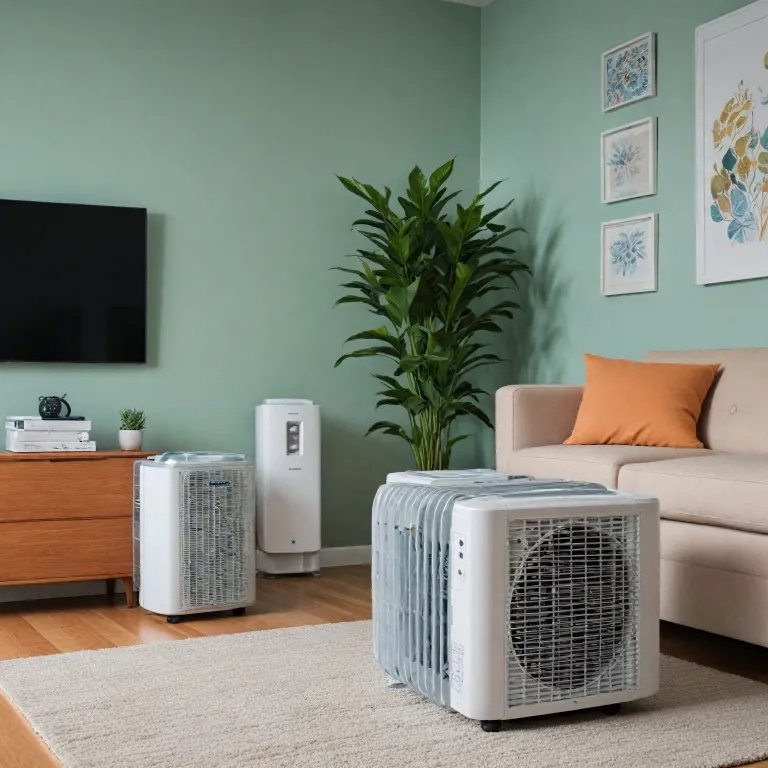
How aircon R410A changed portable air conditioning
Portable air conditioner buyers often meet the term aircon R410A without context. This refrigerant reshaped modern air conditioning by replacing several older refrigerants with higher environmental risks, while still delivering strong cooling performance for compact units. For people comparing single portable models and larger hvac systems, understanding R410A clarifies both efficiency and long term service expectations.
R410A is an HFC refrigerant that operates at higher pressure than many older refrigerants, which allows portable air conditioners to move more heat with a relatively compact compressor. This higher pressure design helps the system achieve better energy efficiency, although the final rated performance still depends on the overall conditioning systems design and the quality of the components. When you compare portable air conditioners using R410A with units based on obsolete systems refrigerant blends, you usually see improved cooling capacity, more stable air conditioning performance, and quieter operation.
However, R410A is not a perfect refrigerant, because its global warming potential remains high compared with some emerging alternatives. Environmental protection policies focus on both ozone depletion and warming potential, and R410A scores well on ozone layer protection but poorly on potential GWP metrics. Regulators in the United States and other regions therefore treat R410A as a transitional solution within the broader hvac system landscape, even though it currently dominates portable air conditioner production.
For consumers, the key is to balance immediate comfort with long term environmental responsibility. A portable air conditioning system using R410A will not damage the ozone layer, but it can contribute to global warming if the refrigerant leaks during service or at end of life. Choosing reputable brands, insisting on qualified refrigerant hvac technicians, and planning responsible disposal all reduce the real world impact of R410A based air conditioners.
Inside a portable aircon R410A system
To understand portable aircon R410A performance, it helps to follow the refrigerant loop inside the appliance. The refrigerant circulates through a closed hvac system, absorbing heat from indoor air and rejecting it outdoors through the exhaust hose. In a typical single hose portable air conditioner, this process must also manage airflow balance, which is why hose design and window sealing strongly affect efficiency.
R410A changes state repeatedly inside the conditioning systems, evaporating at low pressure to absorb heat and condensing at high pressure to release it. The compressor, coils, expansion device, and fans all work together as a coordinated system to maintain comfortable air temperatures while controlling humidity. When manufacturers design these systems well, the rated energy efficiency ratio and seasonal metrics such as SEER can approach those of some fixed hvac systems, although portable units still face structural limitations.
Because R410A operates at higher pressure, every component in the hvac system must be engineered for safety and durability. Technicians performing service on these air conditioning systems need specific training and tools to handle the refrigerant safely, which reinforces the importance of professional maintenance. Users should also understand the control interface, and resources that explain the portable AC control panel can help them operate the system efficiently.
Portable air conditioners using R410A typically include multiple operating modes, such as cooling, fan only, and sometimes heating via an integrated heat pump. In heating mode, the heat pump reverses the refrigerant flow, allowing the system to extract heat from outdoor air even when temperatures feel cool. This dual role of heating and cooling can reduce reliance on a separate furnace, especially in smaller spaces, but performance depends heavily on climate and building insulation.
Energy efficiency, SEER, and real world performance
When evaluating an aircon R410A portable unit, many buyers focus on the rated cooling capacity and energy efficiency. Labels may highlight SEER like metrics or local equivalents, but real world performance depends on how the hvac system interacts with the room, windows, and building envelope. A portable air conditioner can only reach its potential efficiency when the exhaust hose, filters, and airflow paths are correctly installed and maintained.
R410A itself supports efficient heat transfer, yet the overall system efficiency also reflects fan design, compressor control, and thermostat logic. Advanced conditioning systems sometimes use variable speed compressors and smart controls to modulate cooling, which reduces energy use during partial load conditions. Pairing these features with thoughtful use of a remote control for a portable air conditioner helps maintain comfort without unnecessary energy consumption.
Consumers should compare portable air conditioners not only against each other but also against alternative hvac systems such as mini split heat pump installations. While portable units offer flexibility and avoid permanent changes to the building, fixed systems often achieve higher efficiency and better heating performance in cold weather. A careful compare exercise that includes purchase price, operating cost, and expected service life will clarify whether a portable R410A system or a more permanent solution best fits the situation.
In many apartments and rented spaces, a portable air conditioning system remains the only practical option. Here, choosing an efficient R410A model with a strong potential SEER rating and good user controls can significantly reduce electricity bills. Regular cleaning of filters, proper storage during cooler seasons, and timely service all help the refrigerant loop operate as designed, preserving both comfort and equipment longevity.
Environmental impact, ozone protection, and global warming potential
From an environmental perspective, aircon R410A represents a compromise between ozone protection and climate impact. Unlike some older refrigerants used in legacy air conditioning systems, R410A does not deplete the ozone layer, which aligns with the goals of the Montreal Protocol and related regulations. This absence of ozone depletion potential made R410A a preferred choice when the industry phased out many older refrigerants in both portable and fixed hvac systems.
However, R410A is still an HFC with high global warming potential, often described as a significant potential GWP compared with carbon dioxide. If the refrigerant escapes from an air conditioner during service, accidental damage, or improper disposal, it contributes directly to global warming. Environmental protection agencies and similar authorities therefore encourage careful handling of refrigerants, leak prevention, and recovery procedures for all hvac system types.
In the United States, the Environmental Protection Agency regulates how technicians manage refrigerant hvac operations, including recovery, recycling, and record keeping. These rules apply to portable air conditioners, central air conditioning systems, and heat pump installations, reinforcing a consistent approach to climate protection. Consumers can support this framework by choosing certified service providers and asking how their old systems refrigerant will be captured and processed.
As policy evolves, manufacturers are gradually shifting from R410A to newer refrigerants with lower warming potential, while still avoiding ozone depletion. For now, portable air conditioners using R410A remain widely available, and responsible ownership can significantly limit their environmental footprint. Proper maintenance, leak free operation, and end of life refrigerant recovery ensure that the benefits of modern air conditioning do not come at unnecessary cost to the climate.
Portable aircon R410A versus other cooling and heating options
People considering an aircon R410A portable unit often weigh it against other conditioning systems. Window units, ductless mini split heat pump systems, and central hvac systems each offer different balances of efficiency, noise, and installation complexity. A portable air conditioner stands out for its mobility and minimal structural impact, which matters greatly in rented homes or heritage buildings.
Compared with a central furnace and air conditioning combination, a portable R410A system targets specific rooms rather than the whole dwelling. This zone based approach can reduce energy use when only one or two spaces need cooling or heating, especially during shoulder seasons. Yet, in large homes with many occupants, a well designed hvac system with a high efficiency heat pump may deliver better overall efficiency and comfort.
When you compare portable air conditioners with similar capacity, pay attention to rated efficiency, noise levels, and the quality of the exhaust hose kit. The hose is central to how the system expels heat laden air, and resources that explain the role of the portable air conditioner hose can help buyers avoid performance disappointments. A poorly installed hose can cause warm outdoor air to leak back inside, undermining the potential efficiency of the R410A refrigerant loop.
In mild climates, some households rely mainly on a heat pump or even a high efficiency furnace for heating, using portable air conditioning only during short hot spells. In hotter regions, portable air conditioners may run for long hours, making efficiency and refrigerant management more critical. Understanding how R410A behaves within different systems refrigerant architectures helps consumers choose equipment that aligns with both comfort needs and environmental priorities.
Practical buying checklist for portable aircon R410A units
Choosing the right aircon R410A portable model requires more than scanning a product label. Start by matching the rated cooling capacity to the room size, considering ceiling height, insulation quality, and solar heat gain from windows. Oversized air conditioners may cycle frequently and control humidity poorly, while undersized systems struggle to remove enough heat from the air.
Next, examine the efficiency metrics and operating modes of the hvac system. Look for features such as programmable timers, variable fan speeds, and, when available, integrated heat pump functionality for light heating duties. These options allow the system to adapt to changing conditions, improving both comfort and potential efficiency throughout the day.
Check whether the portable air conditioner uses R410A or an alternative refrigerant, and review how the manufacturer addresses environmental protection and end of life recycling. Some brands provide clear guidance on refrigerant hvac service procedures and partnerships with certified recovery programs, which signals a stronger commitment to managing global warming impacts. Also verify the warranty terms, availability of spare parts, and the reputation of local service networks for conditioning systems.
Finally, consider noise levels, drainage options for condensate, and the ergonomics of the control interface. A well designed hvac system should make it easy to adjust temperature, fan speed, and operating mode without confusion or frequent errors. By combining these practical checks with an awareness of ozone depletion history, warming potential, and the role of R410A among modern refrigerants, buyers can select portable air conditioners that serve both their comfort and environmental values.
Maintenance, service, and long term reliability of aircon R410A portables
Once a portable aircon R410A unit is installed, consistent maintenance becomes essential for safe and efficient operation. Regularly cleaning or replacing air filters keeps airflow unobstructed, allowing the refrigerant loop to move heat effectively between indoor and outdoor environments. Neglecting filters forces the hvac system to work harder, which can shorten compressor life and reduce the rated efficiency of the conditioning systems.
Owners should periodically inspect the exhaust hose, window kit, and seals for leaks that might allow hot outdoor air to re enter the room. Any damage or misalignment in these components undermines the system potential to maintain comfortable temperatures, even if the refrigerant and compressor remain in good condition. Keeping the area around the air conditioner clear of obstructions also improves air circulation and reduces heat buildup around the unit.
Professional service becomes particularly important when performance drops, unusual noises appear, or ice forms on coils. Because R410A operates at higher pressure than many older refrigerants, only qualified technicians should open the refrigerant circuit or attempt repairs involving the sealed hvac system. Properly trained specialists can check for leaks, verify charge levels, and ensure that the heat pump or cooling only modes function as intended.
Over the life of the appliance, responsible handling of R410A protects both the ozone layer and the climate by preventing unnecessary emissions with high global warming potential. When the unit eventually reaches end of life, owners should arrange for collection by a service provider who follows Environmental Protection Agency style guidelines or equivalent local rules. This final step closes the loop on environmental protection, ensuring that portable air conditioners using R410A deliver comfort without avoidable harm to the atmosphere.
Key statistics about portable aircon R410A and refrigerants
- Share of portable air conditioners using HFC refrigerants such as R410A in global sales is estimated to be a large majority of current production.
- Typical global warming potential values for common HFC refrigerants can be more than one thousand times higher than carbon dioxide over a century.
- Energy efficiency improvements in modern hvac systems can reduce electricity consumption for cooling by double digit percentages compared with older refrigerants.
- Regulatory frameworks inspired by the Montreal Protocol have phased out many ozone depleting substances from air conditioning systems worldwide.
Common questions about aircon R410A in portable units
Is an aircon R410A portable unit safe for home use ?
Yes, an aircon R410A portable unit is safe when installed and maintained according to the manufacturer instructions. The refrigerant is non flammable and non ozone depleting, and the hvac system is sealed to keep it contained. Safety mainly depends on proper electrical connections, stable placement, and responsible service by qualified technicians.
How does R410A affect my electricity bills compared with older refrigerants ?
R410A supports efficient heat transfer, which helps modern air conditioners achieve better rated performance than many older refrigerants. However, your actual electricity bills depend more on the overall hvac system design, room insulation, and usage patterns. Choosing a well rated portable unit and operating it thoughtfully usually lowers costs compared with outdated conditioning systems.
Does an aircon R410A portable unit harm the ozone layer ?
No, R410A does not cause ozone depletion, which was a major problem with several older refrigerants. This characteristic aligns with the goals of the Montreal Protocol and similar regulations. While R410A has high global warming potential, it leaves the ozone layer intact when handled correctly.
Can a portable aircon R410A unit also provide heating ?
Some portable air conditioners using R410A include a heat pump function that can provide light to moderate heating. These systems reverse the refrigerant flow to extract heat from outdoor air and deliver it indoors. They are useful for transitional seasons but may not replace a dedicated furnace in very cold climates.
What should I do with my R410A portable unit at end of life ?
At end of life, arrange for collection by a certified service provider or recycling program that can recover the refrigerant safely. This process prevents R410A with high global warming potential from escaping into the atmosphere. Following local Environmental Protection Agency style guidance or equivalent rules ensures responsible disposal of both the appliance and its refrigerant.
