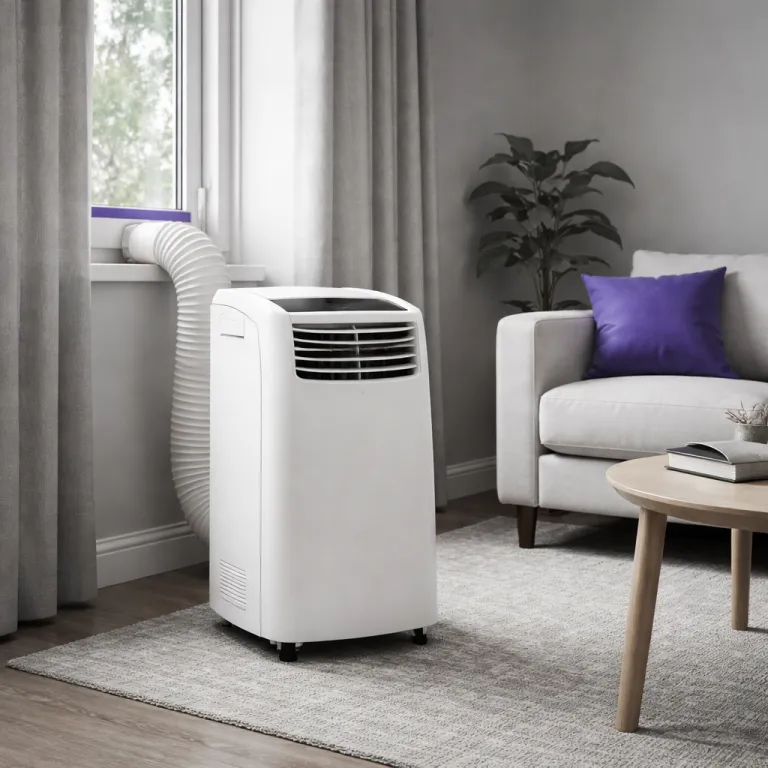
Why your portable air conditioner stops cooling effectively
When people ask why is my portable AC not cooling, they usually expect a quick fix. The reality is that a portable air conditioner is a compact refrigeration system, and several parts must work together to keep a room cool and maintain a stable temperature. If any single component in the portable unit fails or struggles, the result is weak cool air, rising heat and a space that never feels like a genuinely cool room.
Start with the basics before assuming major electrical problems or a dead unit. Check that the air conditioner has enough power, that the plug is fully seated, and that the circuit breaker for the room has not tripped under the load of high unit current draw and other appliances. A surprising number of common portable cooling issues come from overloaded outlets, loose extension cords or power strips that were never designed for a 1000 to 1500 watt portable air conditioner.
Next, think about how the portable air system actually moves heat from the room. The unit pulls warm air across an evaporator coil, blows cool air back into the space and sends hot air outdoors through the exhaust hose, so any blockage in this path will prevent issues from being solved and will keep the room hot. When that path is restricted by dirty filters, crushed hoses or closed vents, unit cooling capacity drops sharply and the portable units start to run longer, make more noise and still fail to keep the room cool.
Airflow, filters and cleaning that actually restore cooling
If you want a clear answer to why is my portable AC not cooling, start with airflow and cleaning because they cause most issues. Dirty filters choke the fan, reduce cool air output and let the evaporator coil get so cold that ice forms instead of liquid water, which blocks more air and creates a vicious cycle. In practice, a single clogged filter in a portable air conditioner can cut unit cooling performance noticeably and turn a once cool room into a muggy space.
Pull the filter or filters out of the portable unit and hold them up to the light. If you cannot see light through the filter mesh, it is too dirty, and you need careful cleaning with a vacuum and then a rinse under lukewarm water to help restore airflow and prevent issues with icing and high temperature swings. Let the filter dry completely before reinstalling it, because a wet filter can trap more dust, encourage mold and result in a musty smell every time the air conditioner starts.
Do not stop at the filter if the portable air system still struggles to cool the room. Shine a flashlight through the front grille to inspect the evaporator fins for lint and pet hair, then check the rear condenser coil for dust that blocks hot air from leaving the unit and keeps heat trapped inside the case. A soft brush and regular cleaning schedule every two to three weeks during heavy use will prevent issues, extend the life of portable units and keep the answer to why is my portable AC not cooling from being an expensive service call when a simple cleaning would have been enough.
Exhaust hose, window seal and hot air recirculation
Even with spotless filters, many people still ask why is my portable AC not cooling because the exhaust path is flawed. The exhaust hose on a portable air conditioner must carry hot air outdoors efficiently, or that same heat will leak straight back into the room and cancel out most of the cool air the unit produces. When the hose is kinked, stretched beyond about 1.8 metres or crushed behind furniture, the portable unit runs hotter, the compressor works harder and the room temperature barely moves.
Look closely at the window kit and the gap around the panel where the hose exits. Any crack that lets outdoor heat or hot air from the exhaust back into the space will reduce unit cooling and make the room cool only near the vent while the rest of the room stays warm, especially in direct sun. Reseal the panel with foam strips, tape obvious gaps and keep the hose as short and straight as possible to prevent issues with back pressure and recirculated heat that quietly sabotage cooling.
Single hose portable units also create negative pressure in a closed room. As the unit pushes hot air outside, it pulls unconditioned air from hallways, under doors and through wall gaps, which can raise the effective heat load and make people think the air conditioner has lost power when the real problem is infiltration air. If you want a deeper dive into how air movement, fans and portable air systems interact, a practical guide on how a fan and portable air cooler can transform summer comfort at home explains why moving more air across your skin sometimes feels cooler than adding another high unit in the same room.
Room size, BTU ratings and when the unit is simply undersized
Sometimes the honest answer to why is my portable AC not cooling is that the unit is too small for the space. Manufacturers often advertise a portable air conditioner with a high BTU number based on the ASHRAE standard, but the more realistic SACC rating, which accounts for heat gain and hot air infiltration, is usually lower. A model sold as 10,000 BTU ASHRAE might deliver only about 6500 BTU SACC, which is barely enough to keep a 20 square metre room cool during a mild heat wave, let alone extreme heat.
Measure the room length and width, then calculate the area to match it to the SACC rating. For a typical bedroom of 15 square metres with average insulation, a portable unit with around 6000 to 7000 BTU SACC can keep the room cool, but a large open plan space of 30 square metres may need 10,000 BTU SACC or more to maintain a comfortable temperature when outdoor heat peaks. If your air conditioner runs constantly, never cycles off and still cannot bring the room temperature down by at least 5 to 7 degrees Celsius, the result is a clear sign that the unit cooling capacity is mismatched to the load.
Room conditions also matter as much as raw power numbers. South facing windows without shades, electronics that dump heat into the space and people cooking nearby all add to the cooling demand and can overwhelm even a high unit that looks strong on paper. If you regularly host events or need to cool a larger area, guidance on how to choose an outdoor air conditioner for events that keeps guests comfortable can help you understand when a single portable air conditioner is not enough and when multiple portable units or a different system will help the room cool reliably.
Iced coils, refrigerant loss and serious mechanical issues
When you still wonder why is my portable AC not cooling after fixing airflow and sealing leaks, it is time to look at the refrigeration circuit. Iced evaporator coils usually mean restricted airflow from dirty filters or a fan problem, but they can also signal low refrigerant, which lets the coil drop below freezing and turns condensed water into a block of ice instead of draining away. If you see frost or ice through the front grille and only a faint trickle of cool air, switch the air conditioner off, let it thaw completely and then restart it with a clean filter to test whether the issue returns.
If icing comes back quickly under normal room temperature and humidity, suspect a refrigerant leak or a failing expansion device. Portable units are sealed systems, so losing refrigerant is not a regular maintenance event, and topping up the charge is rarely economical compared with replacing the entire portable air conditioner, especially once labour and parts are included in the result. In many cases, when the compressor runs, the fan blows, but the air from the vents is barely cooler than the room, the most likely causes are refrigerant loss or internal electrical problems in the control board or sensors.
At this stage, DIY help has limits, even for a confident maintainer. You can check for obvious electrical problems like burnt smells at the plug, discoloured wiring or a repeatedly tripping breaker, but deeper diagnostics require gauges, thermometers and training that most owners do not have, and opening the sealed refrigeration circuit without certification is illegal in many regions. When a portable unit reaches this point after several summers of heavy use, the most cost effective path to a reliably cool room is often replacement rather than repair, especially if the unit cooling performance has been marginal from the start.
Heat, operating limits and a maintenance routine that keeps cooling strong
Even a perfectly working machine can leave you asking why is my portable AC not cooling when the weather pushes it beyond its design limits. Most portable air conditioners are rated to cool effectively only until the outdoor temperature reaches roughly 35 degrees Celsius, and above that point the compressor struggles to dump heat through the condenser, so the difference between room temperature and supply air shrinks. You may still feel some cool air at the vent, but the overall space stays warm because the unit cannot move enough heat out fast enough.
This is where regular cleaning and smart operation habits make a measurable difference. Keep blinds or curtains closed during peak sun, run a fan to help mix cool air through the room and start the portable unit early in the day before the heat builds, because it is easier to maintain a cool room than to pull a hot room down by 8 or 10 degrees in the late afternoon. Aim for a thermostat setting around 24 to 26 degrees Celsius rather than the lowest possible temperature, which helps prevent issues with short cycling, reduces stress on electrical components and often results in more stable comfort.
Build a simple maintenance calendar to keep the air conditioner in top shape. Plan regular cleaning of the filter every two to three weeks, wipe dust from the exterior vents monthly and flush the drain line or tank at the start and end of each season so that dirty water does not stagnate inside the portable unit. For a deeper seasonal checklist that covers filters, coils, drain lines and window seals in one pass, a detailed year two spring tune up guide that keeps a portable AC alive will help you lock in strong unit cooling performance long after many common portable models have started to fade.
Key statistics about portable air conditioner performance and maintenance
- Dirty filters are responsible for a large share of residential HVAC service calls according to summaries from the United States Department of Energy and similar national energy agencies, which means regular filter cleaning on a portable air conditioner is one of the most effective ways to prevent issues with weak cooling.
- Laboratory tests on dust covered condenser coils in air conditioning equipment, reported in manufacturer and industry association data, show efficiency drops of up to roughly 30 percent, so a portable unit with a neglected rear coil can lose nearly one third of its cooling power while drawing the same electrical power from the wall.
- Studies comparing single hose and dual hose portable units, including analyses cited by consumer testing organisations, indicate that negative pressure and infiltration air in single hose designs can reduce effective cooling capacity by 20 to 40 percent, especially in leaky rooms with many gaps under doors and around windows.
- Most portable air conditioners are designed to operate with outdoor temperatures up to about 35 degrees Celsius, and performance declines sharply above that point as the condenser struggles to reject heat into already hot air.
- Field measurements in small apartments show that a 10,000 BTU ASHRAE portable air conditioner with about 6500 BTU SACC typically maintains a 20 square metre bedroom at 24 to 26 degrees Celsius during moderate heat, but the same unit cannot keep a 30 square metre living room below 28 degrees Celsius under similar conditions.
FAQ about portable air conditioners that are not cooling
Why is my portable air conditioner running but not blowing cold air
If the fan runs but the air is not cold, start by checking the filter and coils for dirt that blocks airflow and can cause the evaporator to ice over. If cleaning and a full defrost do not restore strong cool air, the unit may have lost refrigerant or developed internal electrical problems, and in that case replacement is usually more economical than repair. A compressor that runs constantly with little temperature change in the room is a strong sign of reduced cooling capacity.
How often should I clean the filter on a portable unit
During heavy summer use, clean the filter on your portable air conditioner every two to three weeks, or more often if you have pets or live in a dusty environment. Rinse the filter gently with lukewarm water after vacuuming loose debris, then let it dry completely before reinstalling it in the portable unit. Regular cleaning keeps airflow high, helps the room cool faster and reduces the risk of icing and overheating.
Can a portable air conditioner cool more than one room
A single portable air conditioner is designed to cool one enclosed space, and trying to cool multiple rooms through open doors usually leads to uneven temperatures and poor comfort. The cool air tends to stay near the unit while distant areas remain warm, especially if the total floor area exceeds the SACC based capacity of the portable unit. For multiple rooms, consider separate portable units or a different cooling system sized for the combined load.
Why does my portable AC keep shutting off before the room is cool
If the unit shuts off quickly, the thermostat sensor may be reading cool air near the intake while the rest of the room stays warm, or the air conditioner may be overheating due to blocked vents or a dirty condenser coil. Make sure the portable unit has at least 30 centimetres of clearance on all sides, clean the filters and coils, and avoid placing it in direct sun or next to other heat sources. If the problem persists, a faulty sensor or control board could be causing premature shutoff.
Is it normal for a portable air conditioner to exhaust very hot air
Yes, the exhaust from a portable air conditioner should be quite hot, because the unit is removing heat from the room and dumping it outdoors through the hose. What is not normal is for that hot air to leak back into the space through gaps around the window kit or a loose hose connection, which will make you feel like the unit is not cooling effectively. Sealing the window panel and keeping the hose short and straight helps maintain a genuinely cool room.