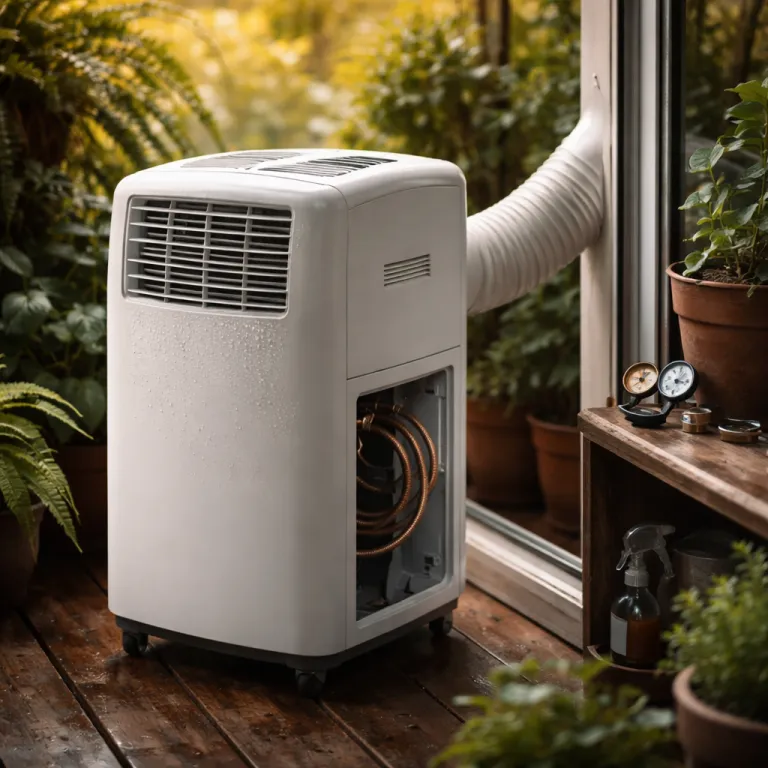
Understanding the 410a air conditioning system in portable units
A 410a air conditioning system has become the quiet standard in many portable air conditioner models. This refrigerant type replaced several older refrigerants in residential and commercial cooling systems, reshaping how manufacturers design compact units. For a person seeking information, understanding this shift clarifies why some portable systems will feel more efficient and responsive.
R‑410A is an HFC refrigerant with a relatively high global warming potential, yet it delivers strong cooling performance in small air conditioning systems. In a portable air conditioner, the refrigerant circulates through a closed hvac system, absorbing heat from indoor air and rejecting it outdoors through an exhaust hose. These systems will typically operate at higher pressures than older systems using legacy refrigerants, which affects maintenance and repair practices.
Because the 410a air conditioning system runs at higher pressure, any repair must be handled by a qualified hvac company or technician. Incorrect handling of refrigerants can damage existing equipment and increase environmental impact through leaks and wasted energy. For users comparing portable air conditioner models, it is essential to ask which refrigerant type is used and how the hvac maintenance requirements are managed by local services.
Portable air conditioning systems sit at the intersection of heating cooling needs and flexible living spaces. While they focus on cooling, they interact with the broader hvac industry that also designs every heating system and heat pump. Understanding how R‑410A fits into this wider network of hvac systems helps you evaluate both short term comfort and long term environmental responsibilities.
How portable 410a systems compare with other hvac systems
When you compare a 410a air conditioning system in a portable unit with a split air conditioner or central hvac system, several trade offs appear. Portable systems will usually have lower cooling capacity, yet they offer mobility and avoid complex installation. For renters or people in small flats, this flexibility can outweigh the higher noise and slightly lower efficiency of some portable air conditioning systems.
Central hvac systems and ductless heat pump units often achieve better seasonal efficiency, but they require professional services and higher upfront price levels. A portable air conditioner using R‑410A can be moved between rooms, supporting both business spaces and homes that cannot modify walls or windows permanently. In mixed use buildings, commercial hvac planners sometimes recommend portable units as temporary cooling solutions while larger systems undergo repair or maintenance.
Some portable models integrate a heating system function, acting as a compact heating cooling appliance for moderate climates. These hybrid systems will not replace a full heat pump or boiler, yet they can support existing equipment during shoulder seasons. For an example of such versatility, you can review this portable air conditioner with integrated heat and dehumidifier, which illustrates how manufacturers combine several services in one compact system.
In commercial settings, a 410a air conditioning system inside a portable unit can support server rooms, pop up retail, or temporary offices. These commercial hvac applications rely on quick deployment, where older systems or permanent installations would be too slow or disruptive. As the hvac industry adapts to new refrigerants, portable units remain a practical bridge between long term infrastructure and immediate cooling needs.
Environmental impact and the phase down of HFC refrigerants
The environmental impact of a 410a air conditioning system is shaped by both energy use and refrigerant characteristics. R‑410A is an HFC refrigerant with significant global warming potential, which means leaks from hvac systems contribute to global warming more than carbon dioxide on a per kilogram basis. For portable air conditioner owners, this makes careful handling, proper repair, and end of life recycling especially important.
Many countries are implementing a phase down of high warming potential refrigerants, which will influence how future portable air conditioning systems are designed. These policies affect commercial hvac and residential markets alike, pushing manufacturers to test lower impact refrigerant type options. As regulations tighten, systems will gradually shift away from R‑410A toward alternatives with reduced environmental impact, although this transition will take time.
For people using existing equipment that relies on a 410a air conditioning system, the key question is how long maintaining older units remains practical. Maintaining older systems requires careful hvac maintenance to minimize leaks and preserve efficiency, which can extend the life of a portable air conditioner while limiting emissions. However, as refrigerant price levels change during the phase down, repair decisions may shift toward replacement rather than continued service.
Portable units also influence indoor environmental quality, because their air filters capture dust and some pollutants. Regular maintenance of these filters supports both cooling performance and healthier air, especially in small rooms where ventilation is limited. By understanding the environmental impact of refrigerants and energy use together, consumers can make more informed choices about when to keep older systems and when to upgrade.
Maintaining older portable systems that use R‑410A
Maintaining older portable air conditioning systems that rely on a 410a air conditioning system requires discipline and planning. Even though these units are compact, they remain full hvac systems with compressors, fans, and refrigerant circuits. Neglecting hvac maintenance can shorten equipment life, increase energy use, and raise the risk of refrigerant leaks that harm the environment.
Routine maintenance for a portable air conditioner includes cleaning or replacing air filters, checking exhaust hoses, and ensuring unobstructed air intake. These simple tasks support stable cooling performance and reduce strain on the hvac system, which indirectly protects the refrigerant circuit. When problems arise, such as weak cooling or unusual noise, a qualified hvac company should inspect the system rather than relying on improvised repair attempts.
Maintaining older systems that use R‑410A also involves monitoring the availability and price of compatible refrigerants. As the phase down progresses, refrigerant price changes may influence whether repair or replacement offers better long term value for a home or business. For commercial hvac fleets, managers often share data on failure rates and service costs to decide when existing equipment should be retired.
Portable units that combine cooling and limited heating system functions need extra attention, because they operate across a wider range of conditions. These heating cooling cycles can stress components, making regular services and inspections more important for reliability. By treating a portable air conditioner as a serious hvac system rather than a disposable gadget, owners can extend its useful life while reducing environmental impact.
Economic impact on households, business users, and the hvac industry
The shift toward a 410a air conditioning system in portable units has clear economic implications for households and businesses. For individual users, the initial price of a portable air conditioner is only part of the total cost, because energy use and maintenance shape long term spending. When refrigerants with high global warming potential face regulation, their market price can rise, affecting repair decisions for older systems.
In the commercial hvac sector, fleets of portable units support events, temporary offices, and backup cooling for critical rooms. These systems will often be rented rather than purchased, which changes how hvac maintenance and repair services are organized. Rental companies must balance the cost of maintaining older systems using R‑410A against the benefits of upgrading to newer refrigerant type options with lower environmental impact.
The broader hvac industry also feels the impact of training requirements and certification for handling HFC refrigerant safely. Technicians must understand how a 410a air conditioning system differs from older systems in terms of pressure, oil compatibility, and leak detection. This expertise supports both residential and commercial air conditioning markets, where trust in professional services is essential.
For consumers comparing portable air conditioner models, independent testing and transparent performance data help clarify value. Reviews that explain how a specific 410a air conditioning system performs in real rooms, such as this detailed test of a smart portable air conditioner, can guide expectations about cooling capacity and noise. As households and businesses share their experiences, the market gradually rewards models that balance performance, reliability, and environmental responsibility.
Future directions for portable 410a systems and emerging alternatives
The future of the 410a air conditioning system in portable units is closely tied to refrigerant policy and technology innovation. As regulators push to reduce global warming impacts, manufacturers are testing new refrigerants with lower warming potential and different handling requirements. These changes will gradually reshape how portable air conditioner models are designed, serviced, and priced.
In the near term, many portable air conditioning systems will continue to use R‑410A, especially in regions where alternatives are still being evaluated. This means maintaining older systems remains a practical strategy, provided hvac maintenance is consistent and leaks are minimized. Over time, however, new refrigerant type options may offer similar cooling performance with reduced environmental impact, encouraging both residential and commercial users to upgrade.
For the hvac industry, this transition requires investment in training, tools, and updated safety protocols. Technicians who understand both older systems and next generation refrigerants will be in demand across commercial hvac and residential markets. Businesses that provide clear information about refrigerants, system compatibility, and long term service options will build trust with clients navigating these changes.
Consumers choosing a portable air conditioner today can prepare for the future by asking detailed questions about refrigerant type, expected service life, and manufacturer support. By viewing a 410a air conditioning system as part of a broader heating cooling strategy, rather than an isolated appliance, buyers can align comfort needs with environmental goals. This thoughtful approach helps ensure that portable air conditioning remains a responsible tool for managing heat in a warming world.
Questions people also ask about 410a air conditioning systems
How does a 410a air conditioning system work in a portable unit ?
A 410a air conditioning system in a portable unit circulates refrigerant through a closed loop that absorbs heat from indoor air and rejects it outdoors via an exhaust hose. The compressor raises the pressure and temperature of the HFC refrigerant, which then condenses and releases heat outside. After expansion, the refrigerant cools and evaporates again inside the evaporator coil, repeating the cooling cycle.
Is a 410a air conditioning system environmentally friendly ?
A 410a air conditioning system is more ozone friendly than many older refrigerants, because R‑410A does not deplete the ozone layer. However, it still has a high global warming potential, so leaks from hvac systems contribute significantly to climate change. Energy efficient operation and careful end of life recovery are therefore essential to reduce overall environmental impact.
Can I recharge a portable 410a air conditioning system myself ?
Recharging a portable 410a air conditioning system should not be attempted by untrained users, because R‑410A operates at higher pressures than many older systems. Incorrect charging can damage the compressor, reduce cooling performance, and increase safety risks. Regulations in many regions also require certified technicians to handle refrigerants, so professional service is strongly recommended.
How long will a portable 410a air conditioning system last ?
The lifespan of a portable 410a air conditioning system typically ranges from several to many years, depending on build quality and maintenance. Regular cleaning of filters, proper storage, and prompt repair of issues can extend the life of existing equipment. Heavy commercial hvac use or poor maintenance can shorten service life, making replacement more economical than repeated repair.
Will future regulations ban 410a air conditioning systems completely ?
Future regulations are expected to phase down, rather than instantly ban, many high global warming potential refrigerants such as R‑410A. This means new systems will gradually shift to alternatives, while existing equipment can often continue operating under specific rules. Owners of portable air conditioner units using R‑410A should monitor local policies and consult hvac companies about long term options.