Why portable air conditioner winter storage decides next summer’s performance
Most failures in a portable air conditioner start quietly during winter storage. When a portable air conditioner unit sits with trapped air and water, corrosion, mold and brittle plastics build up month after month. That neglected product then struggles to cool even a small 15 m² office or bedroom once the heat returns.
Think about every surface inside the conditioner that touched humid air during August, because that same moisture becomes a breeding ground for bacteria and dust if you simply roll the portable unit into a dark box. Portable air conditioners rely on clean coils, a clear drain plug and a sealed refrigerant circuit, so careless storage can turn a reliable unit into a noisy, smelly power hog. Treat portable air conditioner winter storage as part of your buying decision, since a model that is easy to store can genuinely save money and space over its lifetime.
People often focus on the remote, the cooling power and the sleek black finish when buying an air conditioner, yet they rarely ask how to store the unit in an upright position safely. A smart owner plans where to store unit components, where to place each storage bag and how to protect the hose from dust moisture before the first cold night arrives. If you approach storing unit parts with the same care you used to vent it through the window, your portable air conditioner will feel less like a disposable gadget and more like a durable appliance.
Drying the inside: fan mode, drainage and mold prevention
The single most important step in portable air conditioner winter storage is removing every last drop of water. After your final cooling session, switch the portable air conditioner to fan mode for at least thirty minutes so warm indoor air passes over the cold coils and evaporates hidden condensation. This simple habit dries the unit interior, slows rust and makes the conditioner far less likely to smell like a wet box when you start it again.
Once fan mode has done its work, unplug the product and roll it onto a towel so you can open the main drain plug carefully. Many portable air conditioners hide a second or even third drain plug behind a small black cap near the compressor, so check the manual and let gravity pull out the last cup of water. For stubborn puddles, gently tip the conditioner onto its back for a few minutes, then return it to an upright position and leave it overnight to ensure the store unit process starts with a dry base pan.
Odor control during storage matters as much as cooling performance in July, because stale air and dust can turn into a sour smell that fills your office or bedroom. Before you store portable equipment for months, flush the drain lines and pan with a mild vinegar solution, since the winter pause is when bacteria colonies quietly expand. If you have ever dealt with an unpleasant smell from a portable air conditioner, you already know that skipping this step can make you search later for detailed guidance on eliminating bad odors from an air conditioner before you can enjoy cool air again.
Filters, covers and what to avoid when you store portable units
Filters are the lungs of any portable air conditioner, and they should never go into winter storage wet or clogged. Slide each filter out of the unit, vacuum the thick dust, then rinse it under gentle running water until the air passages look clear again. Lay the filters flat on a clean towel and let them dry completely, because even a small patch of moisture can feed mold that spreads through the conditioner next season.
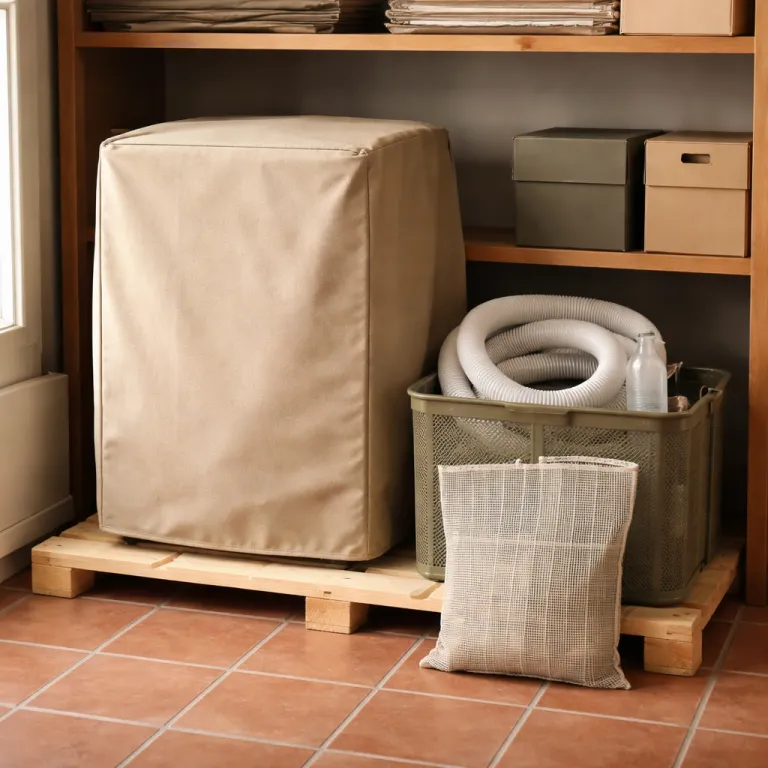
Once the filters are dry and back in place, think about how to shield the portable air conditioner from dust without trapping humidity. A loose cloth cover or a purpose made storage bag made from a unit breathable fabric works well, since it blocks dust moisture while allowing air to circulate around the product. Avoid sealing the conditioner in plastic bags or airtight storage bins, because that kind of saving storage shortcut locks in any remaining humidity and can corrode small metal parts inside the unit.
Accessories deserve the same care, especially if you want a genuinely space saving setup when you store portable equipment in a crowded closet. Keep the remote, screws and small window kit pieces together in a labeled accessories bag or small box, then place that box near the conditioner upright so nothing is lost. If you are tempted to skip content from the manual about filter care or hose cleaning, remember that a few extra minutes now can save hours of troubleshooting when the first heat wave arrives.
Window kits, hoses and the right place to store unit hardware
The window kit that made your portable air conditioner work all summer is surprisingly fragile during winter storage. Start by removing the window panel, gently uncompressing any foam strips and wiping away dust so the foam can rebound instead of staying crushed and leaky. Store the plexiglass or plastic panel flat rather than bent, because a warped panel lets hot outdoor air leak back in and forces the conditioner to work harder next season.
Hoses and adapters also need thoughtful storage if you want reliable portable air performance later. Detach the exhaust hose from the unit and the window, shake out loose dust, then coil it loosely rather than forcing it into a tight space saving spiral that can crack the plastic. Place the hose and adapters in a breathable storage bag or small accessories bag, not in sealed plastic bags, so any residual moisture can escape instead of condensing into droplets that attack the hose lining.
Location matters more than many owners realize when they store portable air conditioners for months. Aim for an interior closet or under bed space where temperatures stay between roughly 10 °C and 27 °C, avoiding a freezing garage or a scorching attic that can damage electronics and rubber seals inside the product. If you must use a shared office storage room, keep the conditioner upright on a shelf or in a sturdy box, away from heavy items that could fall and crack the unit casing or window kit parts.
Upright position, spring restart and long term portable air care
Compressors are unforgiving when it comes to portable air conditioner winter storage, so the upright position rule is non negotiable. Always store the conditioner upright, never on its side or back, because compressor oil can migrate into the refrigerant lines and prevent the unit from starting when you need it most. If the product has been on its side during transport or storing unit moves, let it rest in a conditioner upright stance for at least twenty four hours before powering it on.
When the first warm day arrives, resist the urge to blast maximum cooling immediately and instead treat the spring restart as a test. Run the portable air conditioner in fan mode for about fifteen minutes to circulate fresh air, then switch to cooling and listen for the compressor ramping up smoothly without harsh clicks or rattles. If you hear unusual noises, see error codes or notice weak air from the vents, shut the unit down, check the filters, inspect the drain plug area for leaks and only then consider calling a technician.
Long term reliability also depends on how you manage space and protection year after year. Pair your portable air conditioner with a dedicated storage bag or compact storage bins so every hose, remote and window bracket has a predictable home that helps you save time and avoid lost parts. If you ever decide to expand your cooling setup with a battery powered portable air solution for outdoor use or blackout resilience, the same disciplined approach to storage, upright handling and dust control will keep that extra unit ready for real heat waves rather than just looking good in black plastic.
Choosing storage gear and routines that actually save space
Good portable air conditioner winter storage is not only about preventing damage, it is also about reclaiming living space. Start by measuring the footprint of your portable air conditioner unit and the height you need to keep it in an upright position, then choose a corner, closet or under desk area where the product will not be bumped. A simple fabric cover in a neutral black or grey shade can help the conditioner blend into an office or hallway without looking like a forgotten appliance.
Smart owners treat storage gear as part of the original buying decision, especially in small apartments where every square metre counts. A well designed storage bag or unit breathable cover can turn an awkward portable air tower into a tidy rectangle that slides beside a wardrobe, while stackable storage bins hold the window kit, remote and small accessories without wasting vertical space. Avoid overfilling any box or bag, because crushing hoses or kinking cables during saving storage can cause air leaks and electrical faults that only appear when the next heat wave hits.
Once you have a repeatable routine, write a short checklist and tape it to the side of the conditioner so you never skip content that matters. Include steps such as drain plug opening, fan mode drying, filter cleaning, vinegar flush, window kit disassembly and final cover placement, then tick them off each autumn. Over time, this ritual turns portable air conditioner winter storage from a chore into a quick maintenance habit that quietly extends the life of your air conditioners and keeps summer comfort as simple as rolling the unit out and pressing one button.
FAQ about portable air conditioner winter storage
Can I store my portable air conditioner in a garage or attic ?
Storing a portable air conditioner in a garage or attic is risky because extreme temperatures damage electronics and seals. A garage that drops below freezing can crack plastic parts and stress solder joints, while an attic that climbs above 40 °C can harden rubber gaskets and hose materials. An interior closet or conditioned office space is a far safer place to store unit hardware in an upright position.
Should I cover my portable air conditioner during winter ?
Using a loose cloth cover or a breathable storage bag is recommended for winter storage. This type of cover keeps dust off the product while allowing air circulation so trapped moisture can evaporate. Avoid sealing the conditioner in plastic bags, because they trap humidity and can encourage mold growth inside the unit.
How long should I run fan mode before storing the unit ?
Running fan mode for at least thirty minutes after the last cooling cycle is a good target. That duration lets warm indoor air pass over the coils long enough to evaporate most residual condensation. If your room is very humid, extending fan mode to forty five minutes provides extra insurance before you open the drain plug and store portable equipment.
Is it safe to lay a portable air conditioner on its side ?
Laying a portable air conditioner on its side is not safe for storage, because compressor oil can migrate into the refrigerant lines. If the unit has been transported on its side briefly, let it rest in an upright position for at least a full day before turning it on. For long term portable air conditioner winter storage, always keep the conditioner upright to protect the compressor.
Do I need to clean the filter before and after winter ?
Cleaning the filter before winter storage is essential, while a quick check in spring is usually enough. A dirty or damp filter stored for months can harbor mold and bacteria that spread through the air when you restart the unit. Rinse, dry and reinstall the filter before you store unit components, then inspect it again when you bring the conditioner back into service.