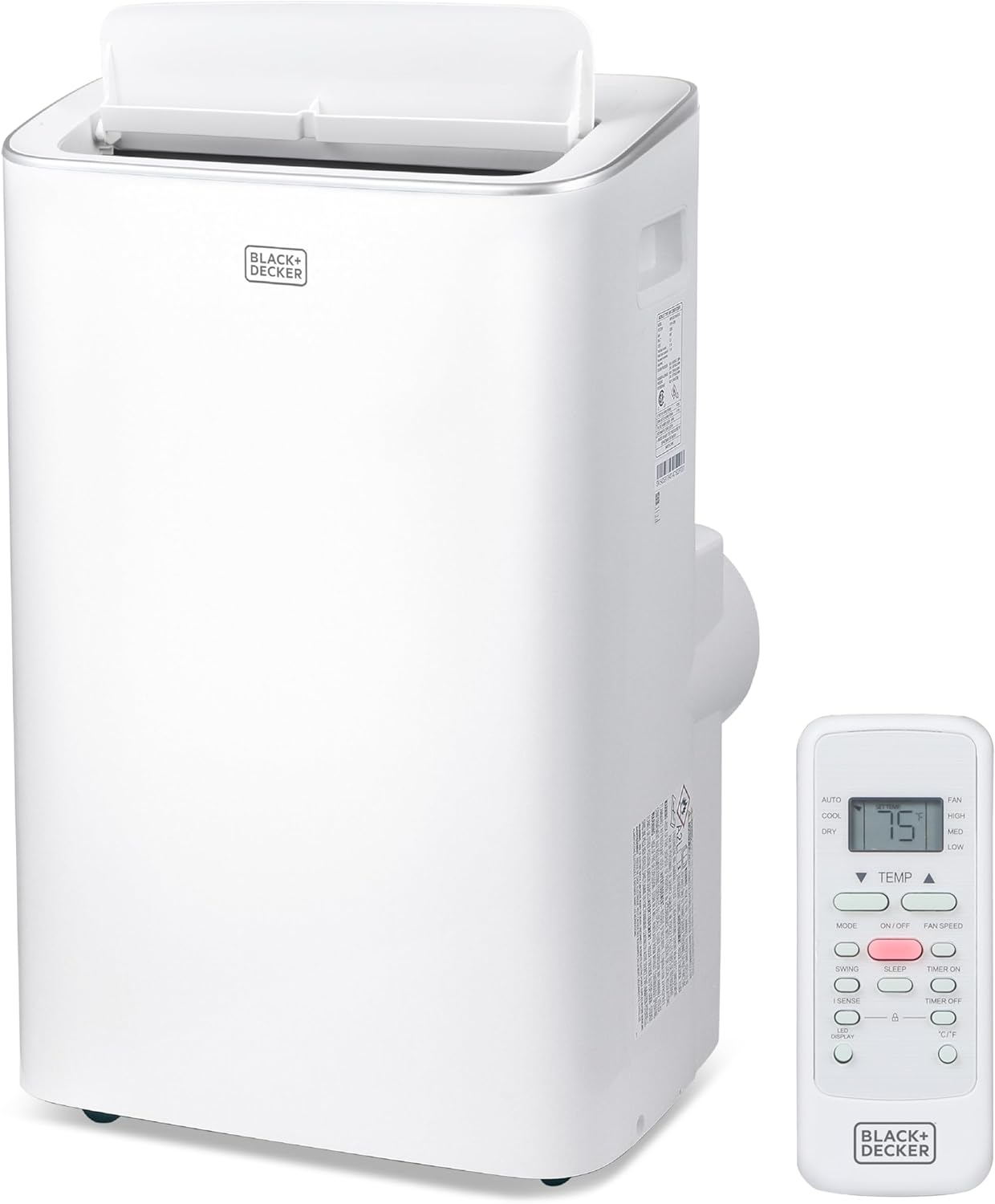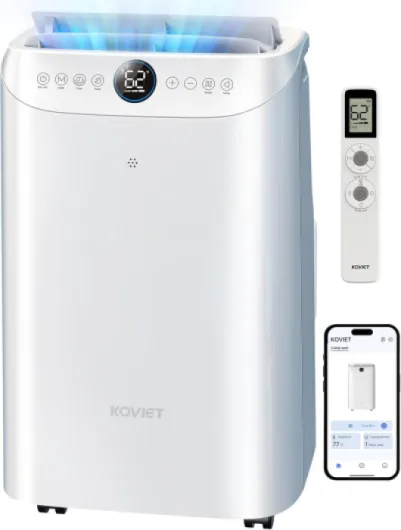

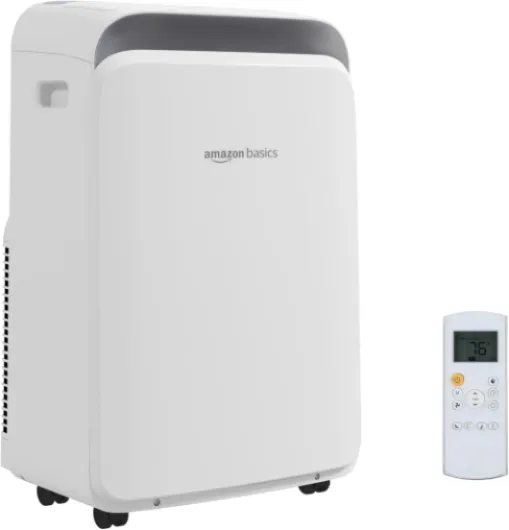
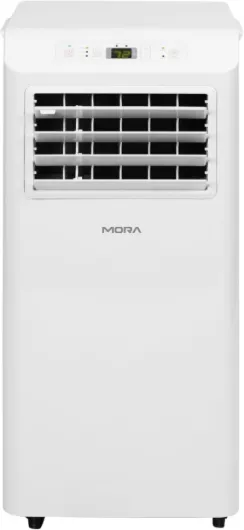

Understanding the cooling needs of a bungalow
Assessing Cooling Demands in a Bungalow Setting
Keeping a bungalow comfortable during hot weather requires understanding its unique cooling needs. Bungalows, with their single-story layouts and often open floor plans, can heat up quickly. The roof and windows play a significant role in how much heat enters the indoor air. Unlike multi-story homes, bungalows may lack the natural airflow that helps distribute cool air, making the choice of air conditioning system even more important.
When considering how to cool your bungalow, it's essential to look at several factors:
- Insulation and Windows: Poor insulation or older windows can let in more heat, increasing the demand on your air conditioning unit. Upgrading these can improve energy efficiency and reduce the load on your system.
- Room Size and Layout: Open spaces may require a higher-capacity air conditioner or multiple units to ensure even cooling. Closed-off rooms might need separate solutions, such as ductless mini splits or portable air conditioners.
- Sun Exposure: Rooms facing direct sunlight will heat up faster, so consider the placement of your portable air conditioner for optimal performance.
Traditional central air systems or high velocity systems are sometimes impractical for bungalows, especially if there is no existing ductwork. Portable air conditioners and mini split systems offer flexible alternatives. These units can be moved or installed where cooling is needed most, and many feature variable speed compressors for better energy savings and comfort.
Modern portable air conditioners often include smart features, such as compatibility with smart thermostats, allowing you to control the indoor unit remotely and optimize energy efficiency. Some advanced models use electronically commutated motors, which can further improve performance and reduce energy consumption. For more details on how these motors enhance portable air conditioner performance, check out this guide to electronically commutated motors in portable ACs.
Understanding these factors will help you select the right cooling solution for your bungalow, whether you choose a portable air conditioner, mini split, or another conditioning system. The next sections will explore the benefits of portable air conditioners, how to choose the best unit, and tips for installation and maintenance to ensure optimal heating and cooling performance year-round.

Benefits of portable air conditioners for bungalows
Why Portable Air Conditioners Fit Bungalow Living
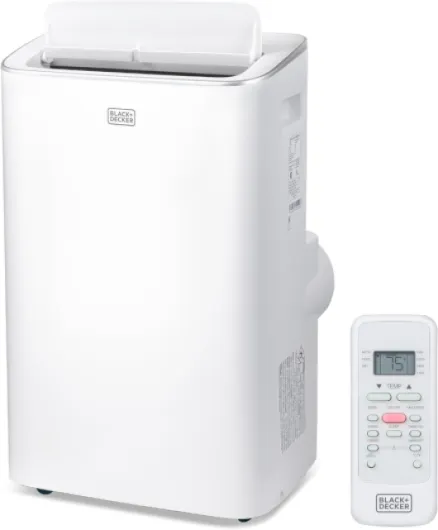
Bungalows often have unique layouts and insulation levels, making traditional central air conditioning systems less efficient or cost-effective. Portable air conditioners offer a flexible solution for cooling individual rooms or open spaces without the need for extensive ductwork or permanent installation. These units are especially useful in older bungalows where retrofitting with ductless mini split or high velocity systems can be expensive and disruptive.
Key Advantages of Portable Units
- Flexibility and Mobility: Unlike central air or ductless mini split systems, portable air conditioners can be moved from room to room, allowing you to target cooling where it’s needed most. This is ideal for bungalows with varying sun exposure or rooms that heat up at different rates.
- Easy Installation: Most portable units require only a standard electrical outlet and a window or sliding door for venting. There’s no need for an outdoor unit or complex refrigerant lines, which simplifies setup compared to mini splits or high velocity systems.
- Cost-Effective Cooling: Portable air conditioners generally have a lower upfront cost than installing a full central air conditioning system. They also allow for zone cooling, which can lead to energy savings by cooling only occupied spaces.
- Supplemental Performance: In bungalows with existing heating cooling systems, a portable air conditioner can supplement performance during heat waves or in rooms where the central system struggles to maintain comfort.
- Smart Features: Many modern portable air conditioners include smart thermostat compatibility, variable speed compressor technology, and programmable timers. These features help optimize energy efficiency and indoor air quality.
Comparing with Other Cooling Systems
While central air and ductless mini splits offer whole-home solutions, they often require significant modifications to a bungalow’s structure. Portable air conditioners, on the other hand, provide immediate relief without permanent changes. Their variable speed compressors and multi-stage cooling options can rival the performance of more complex systems, especially in smaller or single-story homes.
For those interested in alternative cooling strategies, consider exploring smart ways to cool your room without air conditioning for additional energy-saving ideas.
Choosing the right portable air conditioner for your bungalow
Key Features to Compare When Selecting a Portable AC
When choosing a portable air conditioner for your bungalow, it’s important to consider how the unit will interact with your home’s unique layout and cooling needs. Unlike central air or ductless mini split systems, portable units offer flexibility but require careful selection to ensure optimal performance and energy efficiency.
- Cooling Capacity: Check the BTU rating to match the size of your space. A unit that’s too small won’t cool effectively, while an oversized system may waste energy.
- Compressor Type: Variable speed compressors and two-stage systems can adjust output, providing more consistent indoor air temperatures and better energy savings compared to standard single-stage models.
- Energy Efficiency: Look for units with high Energy Efficiency Ratio (EER) ratings. Energy Star-certified air conditioners often use less power, which is crucial for managing costs in a bungalow.
- Smart Features: Many modern portable conditioners include smart thermostats or Wi-Fi connectivity, letting you control the system remotely. This can help you maintain comfort and optimize energy use.
- Heating and Cooling: Some portable air conditioning units double as heating systems, making them useful year-round. If your bungalow needs both heating and cooling, consider a dual-function model.
- Noise Level: Bungalows often have open layouts, so quieter units are preferable. Check decibel ratings before purchasing.
- Refrigerant Type: Newer refrigerants are more environmentally friendly and efficient. R32 and R410A are common in recent models.
Comparing Portable ACs to Other Cooling Systems
Portable air conditioners differ from high velocity systems, mini splits, and central air in terms of installation and flexibility. While central air and ductless mini split systems require professional installation and can cool multiple rooms, portable units are ideal for spot cooling and can be moved as needed. However, their performance depends on proper sizing and placement within the bungalow.
Practical Considerations for Bungalow Owners
- Window and Venting: Ensure your bungalow’s windows or doors can accommodate the exhaust hose. Proper venting is essential for efficient operation.
- Indoor and Outdoor Placement: While portable units are primarily indoor, make sure the exhaust is directed outside to prevent heat buildup.
- Maintenance: Easy-access filters and self-evaporating systems reduce upkeep. For troubleshooting tips, check this guide to fixing portable air conditioners.
By focusing on these features and considerations, you can select a portable air conditioner that delivers reliable cooling, energy efficiency, and comfort tailored to your bungalow’s needs.
Installation tips for portable air conditioners in bungalows
Positioning Your Portable Air Conditioner for Maximum Performance
Proper placement of your portable air conditioner unit is crucial for effective cooling in a bungalow. Since bungalows often have open layouts and fewer dividing walls, the air conditioning system should be positioned where airflow can reach the largest area. Avoid placing the unit near direct heat sources, such as ovens or large windows with strong sunlight, as this can reduce cooling efficiency and force the compressor to work harder. For best results, set the unit near a window for easy venting, but ensure the exhaust hose is as straight and short as possible to minimize heat return into the room.
Ventilation and Exhaust Setup
Most portable air conditioners require venting to expel hot air outside. Use the standard window kit provided with your unit, ensuring a tight seal to prevent warm air from re-entering. If your bungalow has sliding or casement windows, you may need an alternative venting solution. Some high velocity systems or mini split ductless mini units offer more flexible venting options, but for portable conditioners, a proper window seal is essential for energy efficiency and maintaining indoor air quality.
Electrical Considerations and Safety
Before installing your portable air conditioner, check that your bungalow’s electrical system can handle the load. Avoid using extension cords, as they can cause overheating and reduce the performance of the unit. Plug the conditioner directly into a grounded outlet. If your bungalow has older wiring, consult a professional to ensure safety and optimal operation of your heating cooling systems.
Managing Condensate and Drainage
Portable air conditioners collect moisture from the air as they cool. Some units have self-evaporating systems, while others require manual draining or a continuous drain hose. Regularly check the water tank or drainage system to prevent leaks and maintain performance. This is especially important in bungalows with high humidity or during extended cooling periods.
Optimizing Airflow and Integration with Smart Systems
To maximize energy savings and comfort, keep doors open between rooms to allow cool air to circulate. If your portable unit supports smart thermostats or variable speed compressor technology, integrate these features for more precise temperature control and improved energy efficiency. Combining your portable air conditioner with ceiling fans or high velocity systems can also help distribute cooled air more evenly throughout your bungalow.
Maintenance and troubleshooting for portable units
Routine Care for Reliable Cooling
Maintaining your portable air conditioner is essential for keeping your bungalow comfortable and ensuring the system operates efficiently. Regular care helps prevent breakdowns and extends the life of your unit, whether you use a standard single-stage model or a more advanced variable speed compressor system.
- Clean or replace filters: Dirty filters restrict airflow, reducing cooling performance and energy efficiency. Check the air filter every two weeks during heavy use. Wash or replace it as recommended by the manufacturer.
- Inspect the exhaust hose: Make sure the hose is free of kinks and blockages. A clear exhaust path allows heat to exit your bungalow efficiently, improving overall air conditioning performance.
- Wipe down the exterior: Dust and debris can accumulate on the indoor unit. Use a damp cloth to clean the surface and air intake regularly.
- Drain collected water: Many portable air conditioners collect moisture as they cool. Empty the water tank or ensure the drainage system is working, especially in humid conditions.
Addressing Common Issues
Even with proper care, portable air conditioners can develop problems. Here are some troubleshooting tips for common issues:
- Unit not cooling: Check if the air filter is clogged, the exhaust hose is blocked, or the refrigerant level is low. Make sure doors and windows are closed to keep cool air inside.
- Strange noises: Rattling or buzzing can indicate loose parts or debris inside the unit. Turn off the conditioner and inspect for obstructions.
- Water leaks: Ensure the drainage system is not blocked and the unit is level. Excessive humidity can overwhelm the standard tank, so empty it more frequently if needed.
- Unresponsive controls: For smart thermostats or remote controls, check batteries and reset the system if necessary. Consult the manual for specific troubleshooting steps.
When to Seek Professional Help
If your portable air conditioner still struggles after basic troubleshooting, it might be time to contact a professional. Issues like refrigerant leaks, compressor failures, or electrical problems require expertise similar to what you’d expect for central air or ductless mini split systems. Attempting repairs without proper knowledge can affect energy efficiency and void warranties.
Tips for Long-Term Performance
- Store the unit properly during the off-season to protect the compressor and internal systems.
- Schedule annual check-ups, especially if your bungalow relies on portable units for both heating and cooling.
- Monitor energy usage with a smart thermostat to maximize energy savings and maintain indoor air quality.
Energy-saving strategies for bungalow air conditioning
Smart ways to reduce energy use with portable air conditioners
Portable air conditioners can be a practical solution for cooling a bungalow, but their energy consumption can add up quickly. To maximize energy savings and maintain comfort, consider these strategies:- Use a smart thermostat: Pairing your portable air conditioning unit with a smart thermostat helps regulate indoor air temperature more efficiently. These devices can learn your schedule, adjust cooling based on occupancy, and even optimize settings for both heating and cooling modes.
- Choose variable speed and inverter technology: Units with variable speed compressors or inverter systems adjust their output to match the cooling demand. This reduces energy waste compared to standard single-stage systems that cycle on and off. Variable speed compressors also help maintain a more consistent indoor climate.
- Seal and insulate: Make sure windows and doors are properly sealed to prevent cool air from escaping and warm air from entering. Well-insulated bungalows require less effort from your air conditioning system, improving overall energy efficiency.
- Optimize placement of the unit: Place your portable air conditioner near a window or vent, away from direct sunlight and heat sources. This helps the unit cool the space more effectively and reduces the workload on the compressor.
- Maintain your system: Regularly clean or replace air filters, check refrigerant levels, and ensure the outdoor unit (if applicable) is free from debris. Well-maintained air conditioners operate at peak performance and use less energy.
- Use supplemental systems wisely: If your bungalow has other systems like ductless mini splits, high velocity systems, or central air, coordinate their use. For example, run the portable unit only in occupied rooms while keeping the central air or mini split system off or at a higher temperature.
- Take advantage of energy-saving modes: Many portable air conditioners offer eco or sleep modes that reduce compressor speed and fan operation during periods of low demand. These modes can deliver significant energy savings without sacrificing comfort.
Comparing energy efficiency: portable vs. central and mini split systems
Portable air conditioners are convenient, but they typically have lower energy efficiency compared to ductless mini splits or central air conditioning systems. Mini splits, especially those with variable speed compressors, offer higher performance and better energy ratings. Central air systems can cool larger areas but may use more energy if not zoned or maintained properly. If you’re using a portable unit as a supplement to your main conditioning system, consider running it only when and where needed. This targeted approach can help you avoid cooling unoccupied spaces, leading to better energy savings overall.Additional tips for boosting performance
- Close curtains or blinds during the hottest part of the day to reduce heat gain.
- Use ceiling or oscillating fans to improve indoor air circulation and help distribute cool air from your portable unit.
- Set your air conditioner to a reasonable temperature—typically 24–26°C (75–78°F)—to balance comfort and energy use.