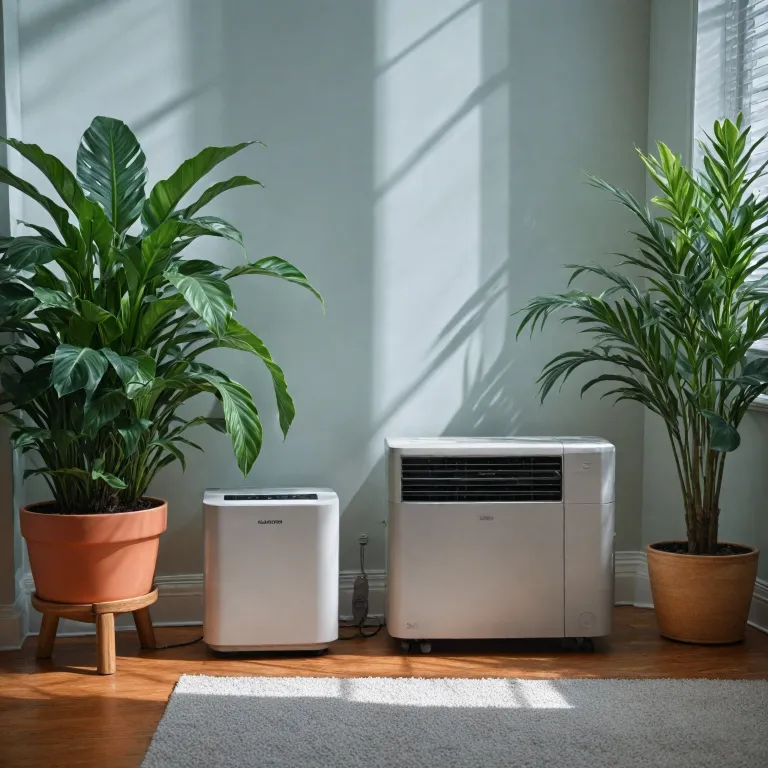
Understanding condensate in portable air conditioners
Why Portable Air Conditioners Produce Condensate
When using a portable air conditioner, one of the byproducts of cooling is condensate. This is simply water that forms as warm, humid air passes over the cold evaporator coils inside the unit. The process is similar to how water droplets form on a cold glass during a hot day. As the air cools, its moisture condenses and collects inside the air conditioner. This is a normal part of how all air conditioning and hvac equipment operate, whether it’s a mini split, split system, or portable model.
What Happens to the Water?
In most portable air conditioners, the collected water (condensate) is either stored in an internal pan or tray, or it’s directed out through a drain hose. Some advanced models use a pump to move the water outside or into a drain, which can be especially helpful if your unit runs for long periods or in humid environments. Without proper drainage, the pan can fill up, triggering a safety switch that shuts off the unit to prevent overflow. This is why understanding how your portable AC manages water is important for both performance and safety.
Condensate and Performance
Efficient removal of condensate is crucial for maintaining the cooling capacity of your portable air conditioner. If water accumulates, it can reduce airflow, cause the unit to freeze up (sometimes forming ice on the coils), or even lead to leaks and water damage. Using a condensate pump or a low profile drain solution can help keep your AC running smoothly. For those interested in maximizing cooling in challenging spaces, you might find this guide on keeping your bungalow cool with portable air conditioning useful.
Common Terms You’ll Encounter
- Condensate pump: A device that moves water from the AC to a drain.
- Mini pumps and undermount mini: Compact pumps designed for tight spaces or mini split units.
- Pan: The tray or reservoir where condensate collects.
- Neutralizer: Sometimes used to treat condensate before draining, especially in conditioner furnace setups.
- VCL, VCMA, VCCA, ULS: Series and model names for popular pumps found on Amazon and other retailers.
Understanding these basics sets the stage for exploring how a condensate pump can improve your portable AC’s performance, what signs indicate you might need one, and how to choose and maintain the right pump for your needs.
How a condensate pump works with your portable AC
How the Pump Handles Water Removal
Portable air conditioners naturally collect water, or condensate, as they cool the air. This water needs to be removed efficiently to keep the unit running smoothly. A condensate pump is designed to move this water from the collection pan or drain tray to a suitable discharge point, like a sink or a drain line. Unlike gravity drains, which require the unit to be elevated or near a floor drain, a pump can push water vertically or over longer distances. This is especially useful for setups where the air conditioner is far from a convenient drain, or when using undermount mini or low profile models.
Key Components and Operation
- Pump Mechanism: The core of the system, the pump, activates when water in the pan reaches a certain level. Many models, such as the vcl uls or vcca uls series, use a float switch to detect water levels and trigger the pump.
- Safety Switch: A safety switch is often included to shut off the air conditioner or alert you if the pump fails, preventing water overflow and potential damage to your hvac equipment or flooring.
- Drain Line: The pump pushes water through a drain line, which can be routed to a sink, window, or even outside, depending on your setup.
- Condensate Neutralizer: Some pumps, especially those used with mini split or conditioner furnace systems, include a neutralizer to treat acidic condensate before it’s discharged, protecting plumbing and the environment.
Compatibility with Different AC Types
Condensate pumps are not just for portable air conditioners. They’re also common in mini split systems, split condensate setups, and even larger hvac units. When choosing a pump, consider the capacity needed for your specific air conditioner or furnace. Mini pumps are ideal for compact units, while higher-capacity pumps suit larger air conditioners or multi-unit installations.
Benefits for Performance and Maintenance
By actively removing water, a condensate pump helps prevent issues like ice buildup, water leaks, and mold growth inside your air conditioning unit. This means less frequent manual draining and a lower risk of water-related problems. Pumps like the vcl, vcma, or pump mini series are designed for reliability and ease of installation, making them a practical upgrade for many portable air conditioners.
For more on optimizing your portable AC’s performance, check out this guide on how electronically commutated motors improve portable air conditioner performance.
Signs you might need a condensate pump
Common Warning Signs from Your Portable Air Conditioner
Portable air conditioners are designed to manage moisture, but sometimes the built-in system can’t keep up. Recognizing when you might need a condensate pump is key to protecting your air conditioning investment and ensuring efficient operation. Here are some clear indicators:
- Frequent Water Tank Full Alerts: If your air conditioner’s water pan or tank fills up quickly, it’s a sign that the unit is producing more condensate than it can handle. This is especially common in humid climates or when the unit runs for long periods.
- Water Leaks or Puddles: Notice water pooling around your portable AC? This could mean the drain system is overwhelmed, or the pan is overflowing. A pump can help move water out efficiently, preventing damage to floors and nearby hvac equipment.
- Reduced Cooling Performance: Excess water can cause the air conditioner to work harder, leading to ice buildup on the coils or reduced airflow. This impacts the overall performance and can even trigger a safety switch to shut down the unit.
- Frequent Manual Draining: If you find yourself emptying the water pan or drain tray more often than you’d like, a condensate pump can automate this process. This is especially helpful for undermount mini split or low profile units installed in hard-to-reach places.
- Unusual Noises: Gurgling or sloshing sounds from the pan or drain line may indicate water is not draining properly. Pumps like the vcl uls or vcma series are designed to handle these situations quietly and efficiently.
Ignoring these signs can lead to bigger problems, such as water damage, mold growth, or even failure of the air conditioner or conditioner furnace. If you’re experiencing any of these issues, it may be time to consider a pump condensate solution. For more on troubleshooting and fixing these common problems, check out this guide to fixing your portable air conditioner.
Remember, choosing the right condensate pump—whether a mini split, vcl, vcca uls, or another model—depends on your specific air conditioning setup and capacity needs. Look for pumps with a safety switch and condensate neutralizer if you want extra protection for your hvac equipment.
Choosing the right condensate pump for your portable air conditioner
Key factors for selecting a condensate pump
When choosing a condensate pump for your portable air conditioner, it’s important to match the pump’s features to your specific needs. Not all pumps are created equal, and the right choice can make a big difference in performance and reliability. Here are some essential points to consider:
- Capacity and flow rate: Check the pump’s maximum capacity, usually measured in gallons per hour (GPH) or liters per hour (LPH). Your portable AC’s condensate output should not exceed the pump’s rated capacity. For larger units or high-humidity environments, a higher-capacity pump is often necessary.
- Compatibility with your AC type: Some pumps are designed for mini split air conditioners, while others are better suited for portable air conditioners or even conditioner furnace setups. Look for models labeled as mini, undermount mini, or low profile if space is limited.
- Safety features: A built-in safety switch can help prevent overflow by shutting off the air conditioner if the pump fails or the pan overflows. This is especially important for protecting your hvac equipment and avoiding water damage.
- Installation environment: Consider where the pump will be installed. For example, a vcl uls or vcca uls series pump may be better for tight spaces, while a standard pump may suit a more accessible area. Some pumps are designed for wall mounting, others for pan or floor installation.
- Drain and neutralizer options: If your setup requires neutralizing acidic condensate (common with some high-efficiency units), look for a condensate neutralizer. Also, ensure the pump can handle the required drain distance and height.
- Reliability and reviews: Check for pumps with good feedback on platforms like Amazon, and look for certifications such as ULs for added peace of mind.
Popular types and models to consider
| Pump Series | Best For | Key Features |
|---|---|---|
| Mini Split Condensate Pumps | Mini split and portable air conditioners | Compact, low profile, easy undermount installation |
| VCL/VCL ULS Series | Standard portable ACs, hvac equipment | High capacity, safety switch, pan drain options |
| VCMA Series | Conditioner furnace and larger air conditioners | Robust, reliable, with condensate neutralizer compatibility |
Choosing the right pump condensate solution ensures your portable air conditioner runs efficiently, prevents water leaks, and extends the life of your hvac system. Take time to compare pumps condensate options and consult your air conditioning manual for specific recommendations.
Installation tips and common mistakes to avoid
Preparing for a Smooth Installation
Before installing a condensate pump for your portable air conditioner, make sure you have the right tools and check the compatibility with your hvac equipment. Most pumps, including mini split condensate pumps and low profile models, come with detailed instructions. Always verify the pump capacity matches the water output of your air conditioner or conditioner furnace. If your unit is a mini split or undermount mini, look for pumps designed specifically for split condensate systems.Key Steps for Installing Your Pump
- Position the pump pan under the air conditioner’s drain outlet. Ensure it sits level to avoid water spillage.
- Connect the drain hose from the air conditioner to the pump’s inlet. Use the correct fittings for a secure, leak-free connection.
- Route the pump’s outlet hose to a suitable drain point. Avoid sharp bends or kinks that could restrict water flow.
- If your pump features a safety switch, wire it according to the manufacturer’s instructions. The switch condensate feature helps prevent overflow by shutting off the air conditioner if the pump fails.
- Plug in the pump and test it by pouring water into the pan. Check for leaks and ensure the pump activates automatically.
Common Mistakes to Avoid
- Using a pump with insufficient capacity for your air conditioner or mini split. Always check the specs for series, vcl, vcma, or vcl uls models.
- Improperly securing hoses, which can lead to leaks or water damage.
- Ignoring the need for a condensate neutralizer if your hvac equipment produces acidic water. This is especially important for some split condensate and pump hvac setups.
- Skipping the installation of a safety switch, which is crucial for preventing overflow and protecting your air conditioning system.
- Not following local codes or manufacturer guidelines, especially for pumps purchased from Amazon or other online retailers.
Extra Tips for Success
Choose a pump with a UL listing (uls) for added safety and reliability. If your installation is in a tight space, consider a low profile or vcca uls model. For those dealing with ice buildup or frequent water issues, regular maintenance of the pump and pan is essential. Remember, a well-installed condensate pump can extend the life of your air conditioners and improve overall performance of your air conditioning setup.
Maintenance and troubleshooting for condensate pumps
Keeping Your Condensate Pump Running Smoothly
Regular maintenance is key to ensuring your condensate pump works efficiently with your portable air conditioner. A well-maintained pump helps prevent water leaks, keeps your hvac equipment safe, and extends the life of both your pump and air conditioning unit.
- Check the drain pan and pump reservoir: Remove any debris or buildup from the pan and reservoir. Blockages can cause water to back up, triggering the safety switch or even causing the pump to overflow.
- Inspect the drain line: Make sure the drain is clear and free of clogs. A blocked drain can prevent the pump from removing water, leading to potential leaks around your air conditioner or mini split system.
- Test the float switch: The float or safety switch activates the pump when water reaches a certain level. Gently lift the float to ensure the pump turns on. If it doesn’t, check for electrical issues or a stuck switch.
- Clean the pump intake and outlet: Dust and mineral deposits can build up, especially if you use a condensate neutralizer. Clean these areas to maintain proper water flow and pump capacity.
- Monitor for unusual noises: Grinding or rattling sounds may indicate a problem with the pump motor or impeller. Address these issues early to avoid pump failure.
- Replace filters if equipped: Some undermount mini or low profile pumps have filters to catch debris. Replace or clean these filters as recommended by the manufacturer.
Common Issues and How to Troubleshoot
- Pump not running: Check the power supply, float switch, and safety switch. If your pump has a VCL, VCMA, or VCCA ULS series label, refer to the manufacturer’s troubleshooting guide for specific steps.
- Water not draining: Inspect the drain line for kinks or clogs. Make sure the pump is level and the outlet is not blocked.
- Frequent cycling: If the pump turns on and off too often, the float switch may be stuck, or the pan may be too small for your air conditioner’s condensate output. Consider a pump with higher capacity or a larger pan for your split condensate or mini split system.
- Leaks or overflow: Ensure the pump is properly installed and all connections are tight. Check for cracks in the reservoir or pan, and replace any damaged parts.
For pumps purchased from Amazon or other retailers, always follow the included instructions and check for UL or ULS certifications for safety. If you’re using a pump mini or split condensate pump, regular checks are especially important due to their compact design and lower reservoir volume.
Staying on top of maintenance and troubleshooting helps your portable air conditioners, conditioner furnace, or other hvac equipment run efficiently. This not only protects your investment but also ensures a comfortable, worry-free cooling experience.
