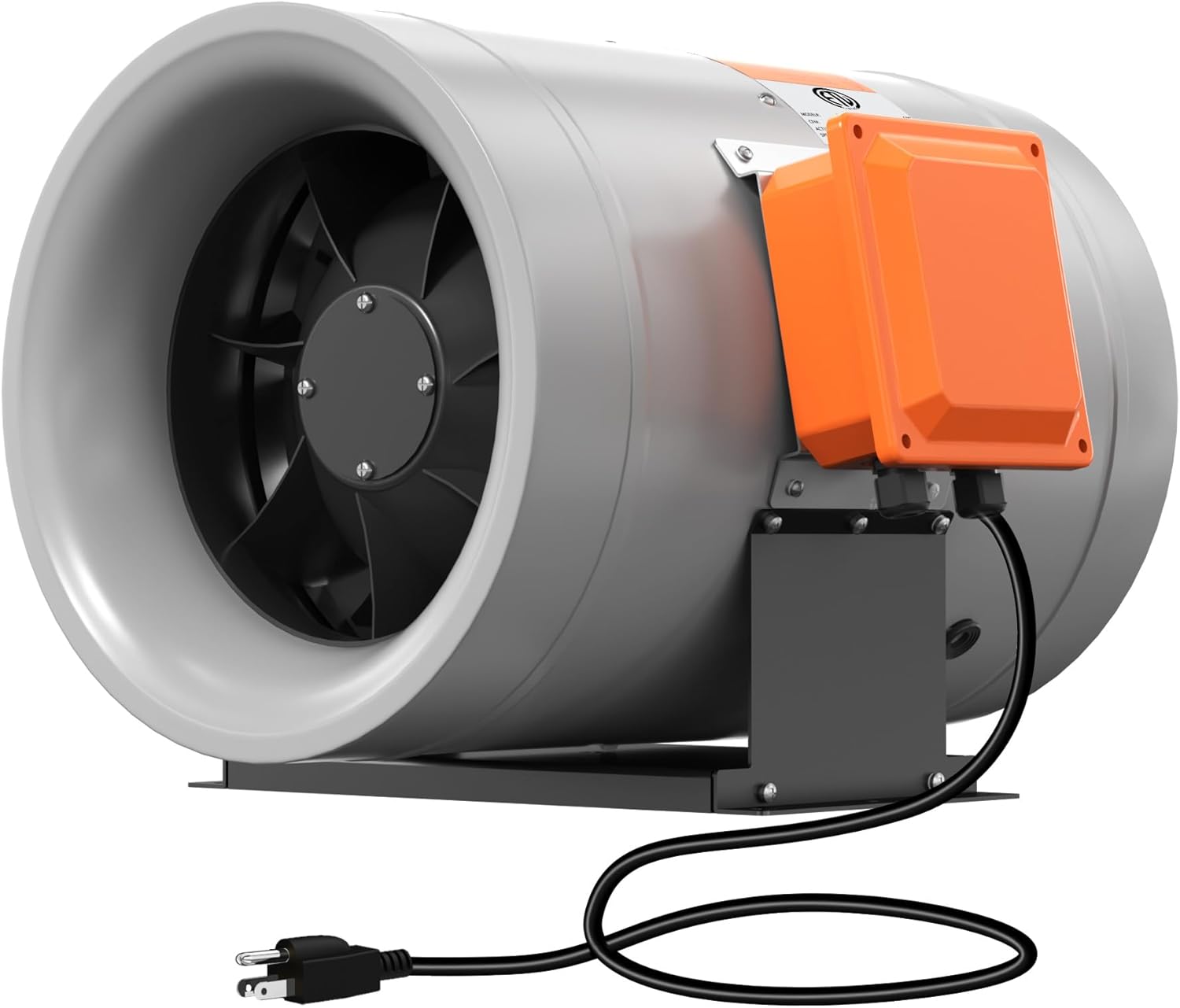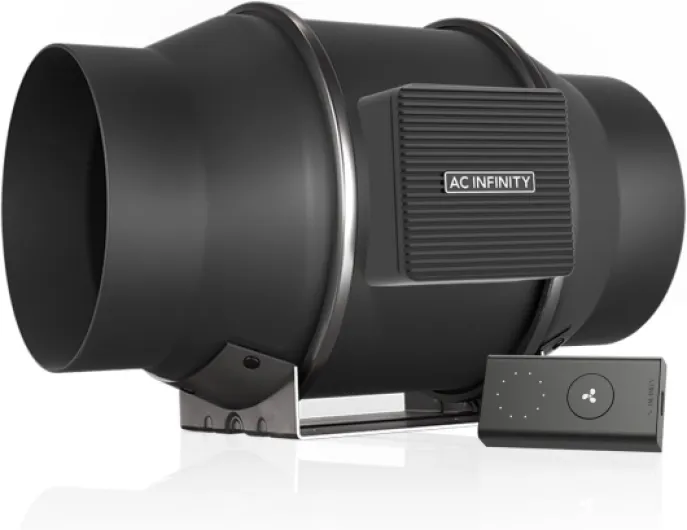

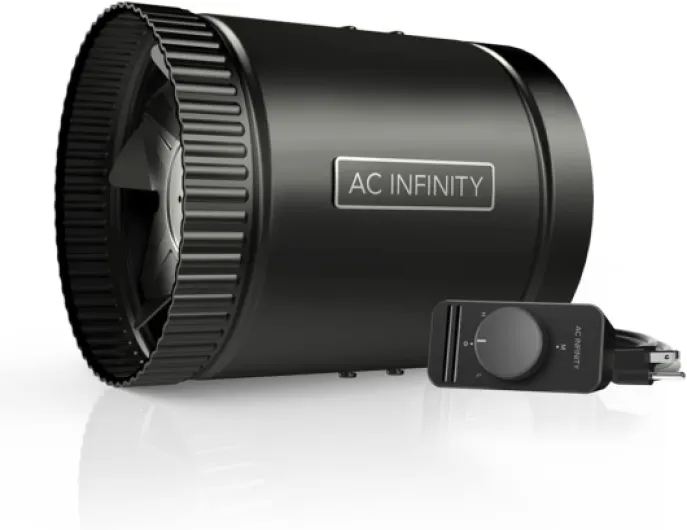
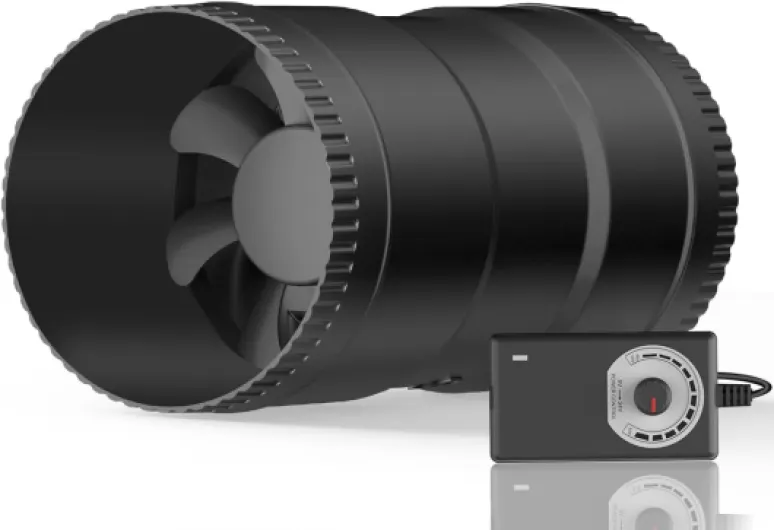
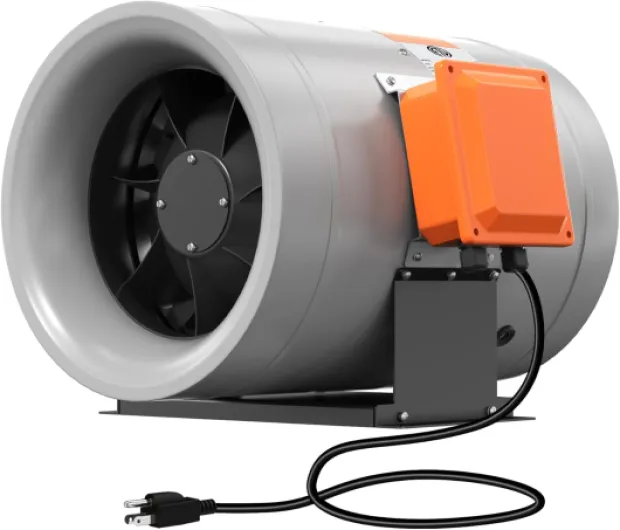

Understanding inline duct booster fans
What Are Inline Duct Booster Fans?
Inline duct booster fans are specialized devices designed to improve the flow of air through your home’s ductwork. Unlike standard fans, these boosters are installed directly inside the air duct, working in series with your existing HVAC system or portable air conditioner. Their main job is to increase the speed and volume of air (measured in cubic feet per minute, or cfm) moving through the duct, helping to deliver more cool or warm air to rooms that need it most.
How Inline Fans Differ from Other Airflow Solutions
While there are many types of fans and air booster solutions, inline duct fans stand out for their efficiency and versatility. They are often used in both heating and cooling applications, making them a practical addition for year-round comfort. Unlike vent-mounted fans or dryer boosters, inline models are placed within the duct itself, providing a more direct and powerful boost to air flow. Some models come with a speed controller or advanced controls, allowing you to adjust the fan speed based on your needs.
Where Inline Booster Fans Fit in Your Setup
These fans are commonly used in rooms that are far from the main air conditioning unit or where airflow is restricted by long or complex duct runs. If you notice that a particular room stays hot or cold despite your portable air conditioner working at full capacity, an inline duct booster could be the solution. They can be integrated with existing equipment, including portable air conditioning units, to help balance indoor air distribution and improve overall comfort.
For more information on how portable air conditioning can help keep your home comfortable, check out this guide on keeping your bungalow cool with portable air conditioning.

Common airflow challenges with portable air conditioners
Why Portable Air Conditioners Struggle with Airflow
Many people notice that their portable air conditioner doesn’t always cool the room as expected. This is often due to airflow challenges that are common with these units. Understanding these issues is key to finding effective solutions, such as using a duct booster or inline fan.
- Limited Air Duct Size: Portable air conditioners rely on a single, flexible air duct to vent hot air outside. These ducts are usually narrow, which restricts the flow of air and can reduce the cooling efficiency.
- Long or Twisted Ducts: If the duct is too long or has sharp bends, it can slow down the speed of the air moving through it. This makes it harder for the unit to expel warm air, causing the room to stay hotter for longer.
- Back Pressure: When the air can’t move freely through the duct, back pressure builds up inside the unit. This can strain the equipment and lower the overall cfm (cubic feet per minute) of airflow, making the air conditioning less effective.
- Obstructed Vents: Sometimes, the vent or the end of the duct gets blocked by furniture, curtains, or even dust. This further restricts the flow and can lead to overheating or reduced performance.
- Shared HVAC Systems: In some homes, portable air conditioners are used alongside existing heating cooling or hvac system setups. If the air duct is shared with other equipment, it can cause conflicts in air pressure and flow, especially if other fans or dryer vents are running at the same time.
These challenges can make it tough for your portable air conditioner to keep up, especially during hot weather or in larger rooms. That’s why many people look for air booster solutions, such as inline duct fans or booster fans, to improve air movement and cooling efficiency. If you want to learn more about how the aircon blower affects portable air conditioners, there are resources that explain the role of fans and airflow in detail.
In the next section, we’ll look at how inline duct booster fans can help solve these airflow problems and boost the performance of your portable air conditioning setup.
How inline duct booster fans help with cooling efficiency
Boosting Cooling Efficiency with Inline Duct Booster Fans
Many portable air conditioners struggle to deliver cool air evenly throughout a room, especially when connected to longer or restrictive ducts. This is where inline duct booster fans can make a real difference. By increasing the air flow and cfm (cubic feet per minute) through the air duct, these fans help your portable air conditioning system overcome resistance and push cool air further into your space.
- Enhanced Air Movement: Inline booster fans are designed to work in series with your existing duct, creating a stronger flow of air. This helps reduce hot spots and ensures that cool air reaches every corner of your room.
- Improved Temperature Balance: By maintaining a consistent air flow, booster fans prevent warm air from lingering near vents or in distant parts of the room. This leads to more even indoor air temperatures and greater comfort.
- Optimized HVAC System Performance: When your portable air conditioner doesn’t have to work as hard to move air, it can operate more efficiently. This may help reduce energy consumption and extend the life of your equipment.
- Customizable Solutions: Many booster models come with speed controllers, allowing you to adjust the fan speed based on your needs. Whether you’re dealing with a long dryer vent, a complex heating cooling setup, or just want to improve air flow in a single room, there’s likely a duct booster solution that fits.
For those looking to learn more about enhancing airflow with a vent booster fan, it’s important to consider the size of your duct, the cfm requirements, and the type of controls you need. Inline fans, duct fans, and air booster solutions can all play a role in improving the performance of your portable air conditioning system, especially in challenging heating or cooling environments.
Choosing the right inline duct booster fan for your setup
Key Factors When Selecting an Inline Duct Booster Fan
When you want to improve the performance of your portable air conditioner, choosing the right inline duct booster fan is essential. The right fan will help optimize air flow, support your HVAC system, and ensure your room stays cool and comfortable. Here are some important aspects to consider:
- CFM (Cubic Feet per Minute): This measures the amount of air the fan can move. Make sure the booster fan’s CFM rating matches your duct size and the cooling needs of your space. A higher CFM means more air flow, which is critical for larger rooms or longer duct runs.
- Compatibility with Duct Size: Inline duct fans come in various sizes to fit different air ducts. Measure your existing ductwork to ensure a proper fit. Using the wrong size can reduce efficiency and even cause noise or vibration issues.
- Speed Controls: Some booster fans offer variable speed controllers, allowing you to adjust the air flow based on your needs. This flexibility is useful for balancing heating and cooling in different seasons or when your portable air conditioner is running at different capacities.
- Noise Level: Look for models that operate quietly, especially if the fan will be installed near living spaces. Manufacturers often list decibel ratings, so compare these to find a quieter solution.
- Build Quality and Safety: Choose a booster fan made from durable materials, with safety certifications for indoor air equipment. Reliable brands often provide better warranties and customer support.
- Additional Features: Some inline booster fans come with smart controls, timers, or integration with home automation systems. These can make managing your air conditioning and heating cooling solutions more convenient.
Comparing Booster Fan Models
| Booster Model | CFM | Speed Controller | Noise Level | Best For |
|---|---|---|---|---|
| Standard Inline Fan | 150–300 | Optional | Low–Medium | Small to medium rooms, short ducts |
| High-Performance Series Inline | 400–700 | Included | Medium | Large rooms, long duct runs |
| Smart Inline Duct Fan | 200–500 | Smart controls | Low | Tech-savvy users, automated systems |
Matching the Fan to Your Setup
Think about your specific needs. If you have a hot room far from the main air conditioning unit, a higher CFM inline booster fan may be necessary. For a dryer vent or a short duct, a smaller air booster might be enough. Always check the compatibility with your existing HVAC system and consider professional advice for complex setups.
By learning about these factors and comparing duct fans inline, you can find the right solution to maximize your portable air conditioner’s efficiency and maintain comfortable indoor air quality year-round.
Installation tips and safety considerations
Practical Steps for Safe and Effective Installation
Installing an inline duct booster fan to support your portable air conditioner can make a real difference in air flow and cooling efficiency. However, it’s important to approach the process with care, especially since you’re dealing with electrical equipment and your home’s hvac system. Here are some practical tips and safety considerations to keep in mind:- Choose the right location: Place the booster fan in the duct where air flow is weakest or where you want to improve distribution. Avoid installing too close to bends or vents, as this can reduce efficiency.
- Check compatibility: Make sure the booster model matches your duct size and cfm requirements. Inline fans come in various sizes and speeds, so select one that fits your air conditioning setup and room size.
- Secure mounting: Use the manufacturer’s recommended mounting brackets or straps. A loose duct fan can vibrate, causing noise and reducing the lifespan of your equipment.
- Electrical safety: Always turn off power at the breaker before wiring the fan. If you’re not comfortable with electrical work, consult a licensed professional. Some booster fans offer plug-and-play solutions, while others require hardwiring.
- Proper controls: Consider installing a speed controller or thermostat to automate the fan’s operation. This helps maintain consistent indoor air temperature and prevents the fan from running unnecessarily.
- Seal connections: Use foil tape or duct sealant at all joints to prevent air leaks. Leaky ducts can reduce the effectiveness of both your booster fan and portable air conditioner.
- Mind the airflow direction: Inline duct fans and booster fans have arrows indicating air flow. Double-check orientation before finalizing installation.
- Keep vents clear: Make sure furniture or other objects aren’t blocking the vent where the boosted air will enter your room. This ensures maximum benefit from your new setup.
Safety Reminders for Long-Term Use
- Never use a duct booster fan in dryer vents or with systems not designed for heating cooling air distribution.
- Regularly inspect the fan, wiring, and duct for signs of wear, dust buildup, or overheating.
- Follow all manufacturer guidelines for your specific inline booster or series inline fan model.
- Do not exceed the recommended cfm or connect multiple fans inline without confirming compatibility with your hvac system.
Maintenance and troubleshooting for optimal performance
Keeping Your Inline Duct Booster Fan Running Smoothly
Regular maintenance is essential to ensure your inline duct booster fan continues to support your portable air conditioner’s performance. Dust, debris, and even pet hair can accumulate in the air duct and on the fan blades, reducing airflow and efficiency. To maintain optimal air flow and cfm, check the fan and duct regularly for blockages. Cleaning the fan blades and the surrounding duct with a vacuum or soft brush helps prevent buildup that can strain the equipment.Monitoring Performance and Troubleshooting Issues
If you notice reduced cooling, warm air blowing from the vent, or unusual noises, it may be time to inspect your booster fan. Common issues include:- Loose or worn fan blades causing vibration or noise
- Obstructions in the duct restricting air flow
- Malfunctioning speed controller or controls affecting fan speed
- Electrical issues with the booster model or series inline fans