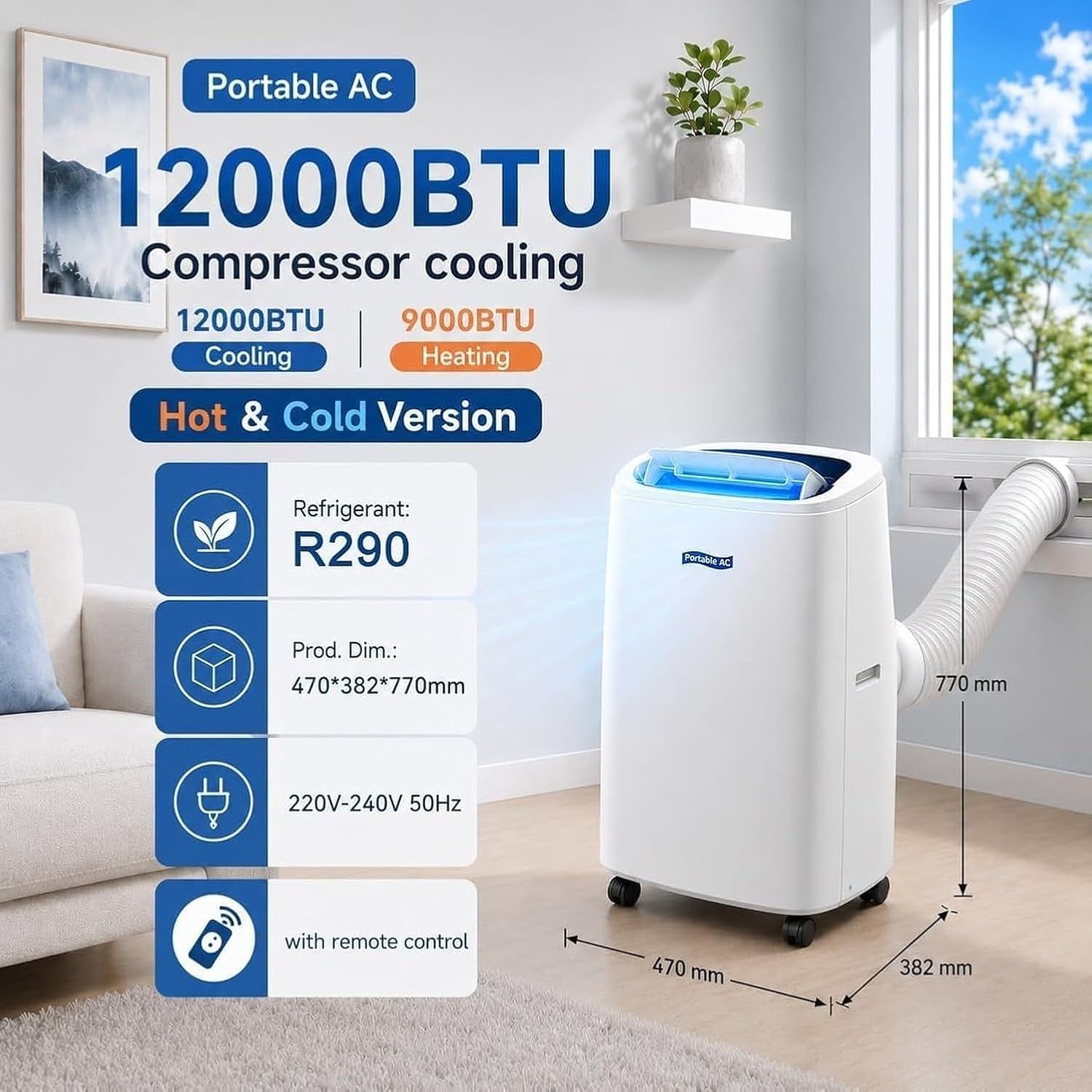
Key technologies that define modern portable acs performance
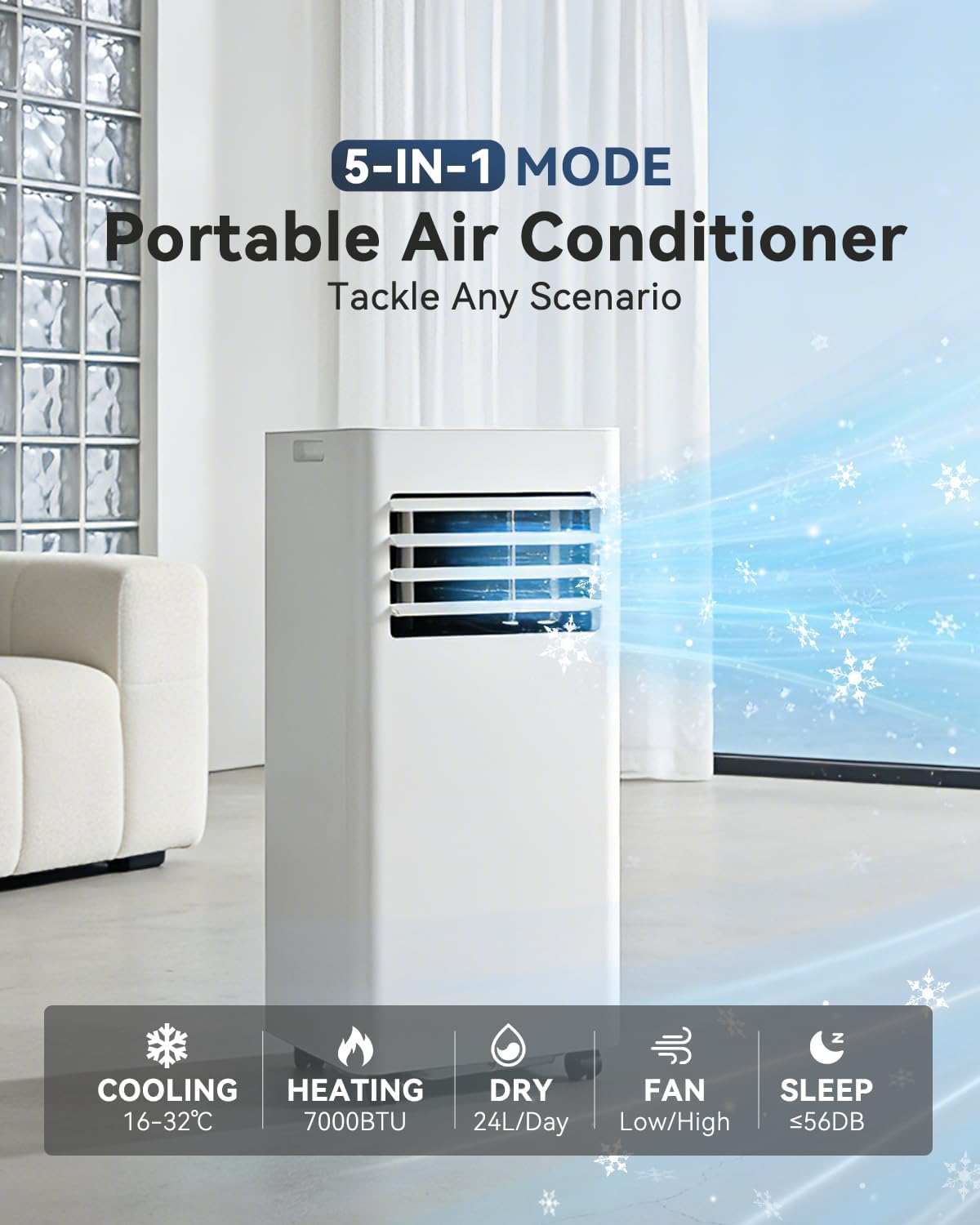
Several technologies now separate the best portable air conditioners with heat function from basic portable acs. Dual hose designs, such as some Whynter ARC models, draw outside air for cooling the condenser instead of using already cooled room air. This dual hose layout reduces negative pressure in the room and helps maintain more stable cooling performance.
Single hose air conditioners remain common because they are cheaper and lighter, but they can pull warm air from adjacent rooms or under doors. A dual hose portable unit with a well insulated exhaust hose and intake hose usually delivers better BTU SACC performance in real apartments. When a manufacturer like Whynter publishes both traditional BTU and BTU SACC ratings, it becomes easier to match the unit with your room size.
Some premium portable air conditioners integrate inverter style compressors similar to advanced window air systems. These compressors modulate output to maintain steady air temperature, which improves energy efficiency and reduces noise level during partial load operation. If you compare models on Amazon, pay attention to whether the unit with inverter technology lists a lower typical level dBA at medium fan speed.
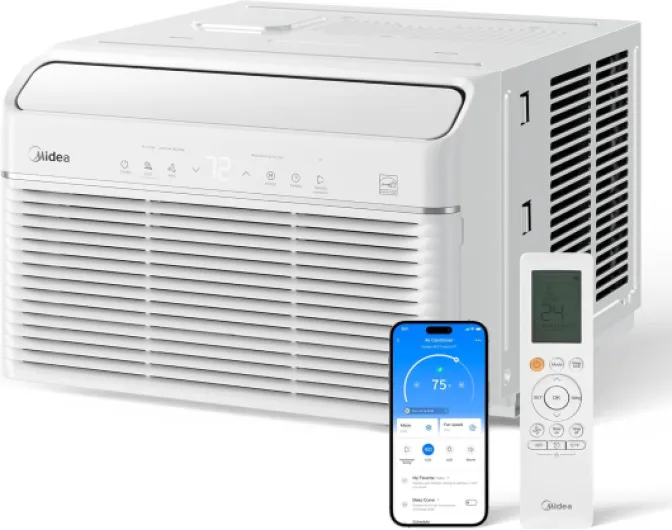
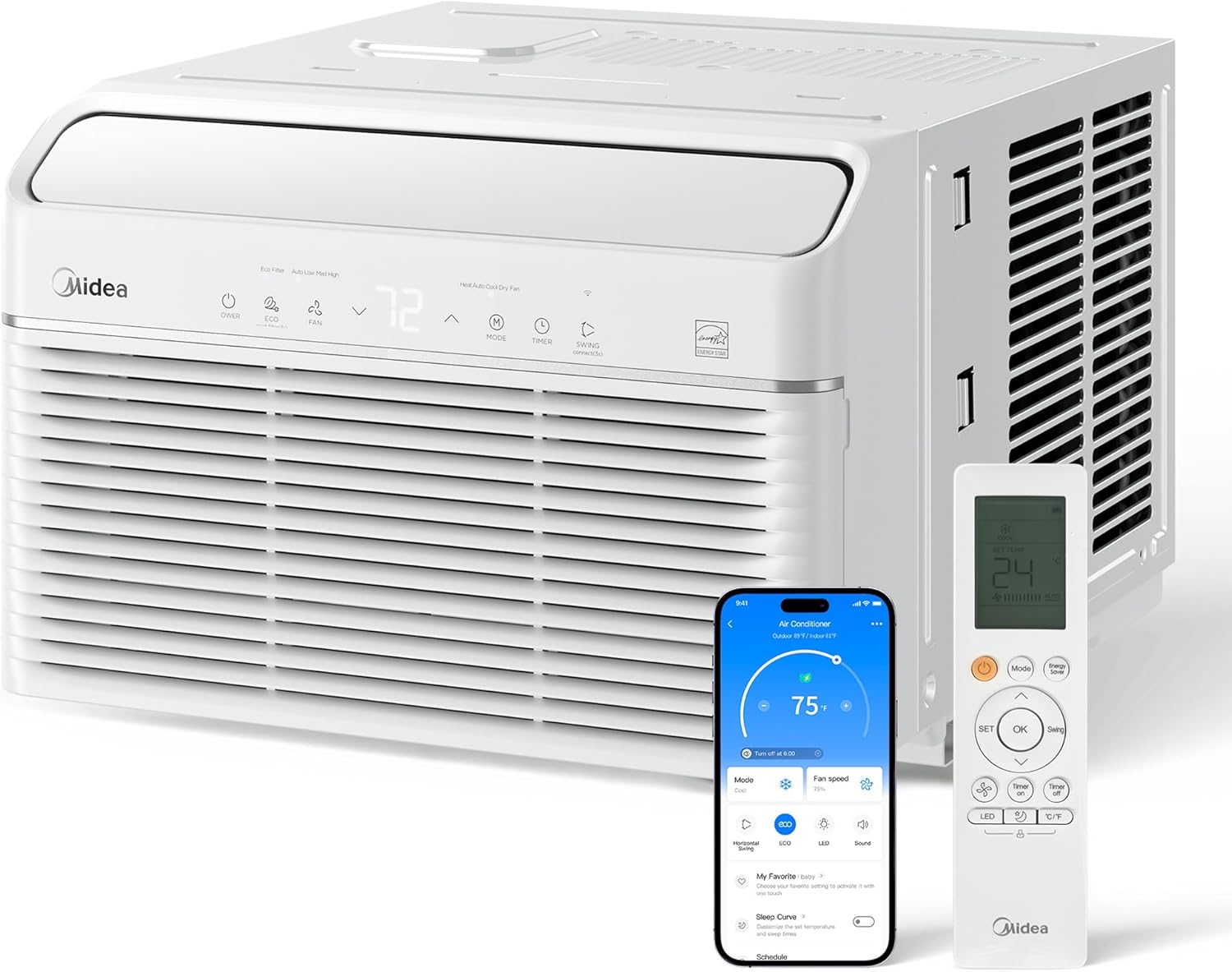
Brands such as Midea Duo and Whynter ARC have built reputations for robust engineering in this segment. A Midea Duo portable air conditioner uses an innovative air duct design that resembles a compact window kit, improving airflow and reducing recirculation of hot exhaust air. For readers interested in more technical detail about 12000 BTU portable options, this guide to top 12000 BTU portable air conditioners offers useful performance comparisons.
Installation, window compatibility and everyday usability
Even the best portable air conditioners with heat function will disappoint if installation is rushed or poorly planned. Every portable air conditioner relies on a secure window kit and a correctly attached exhaust hose to expel hot air outside. If gaps remain around the window air panel, the room will suffer from heat gain and reduced cooling efficiency.
Before buying any portable unit on Amazon, measure your window opening carefully and compare it with the supplied kit dimensions. Sliding windows, casement windows and traditional sash windows may each need different window kit adjustments or optional accessories. Some Whynter ARC conditioners and the Midea Duo series provide more flexible panels that fit a wider range of window shapes.
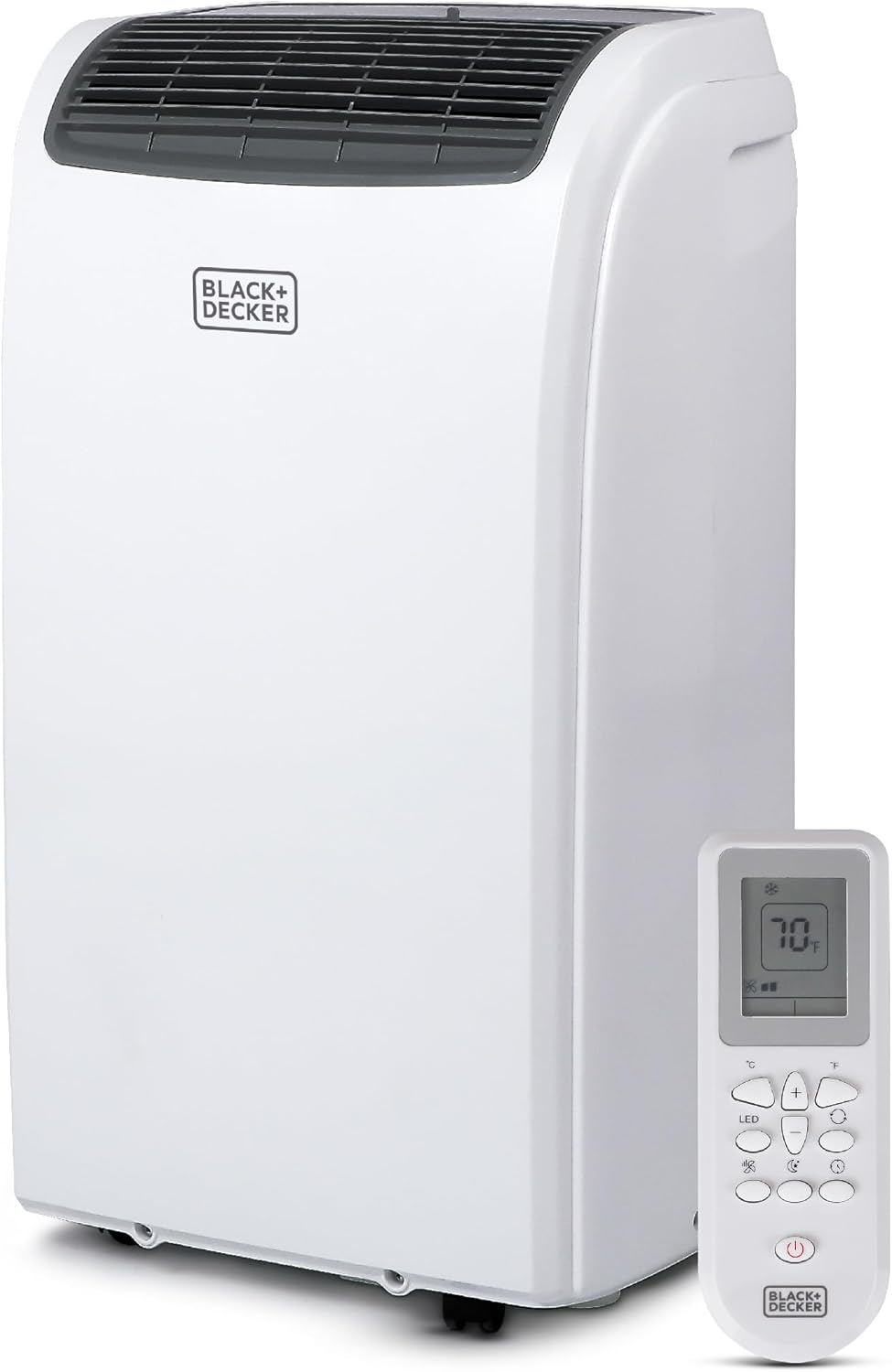
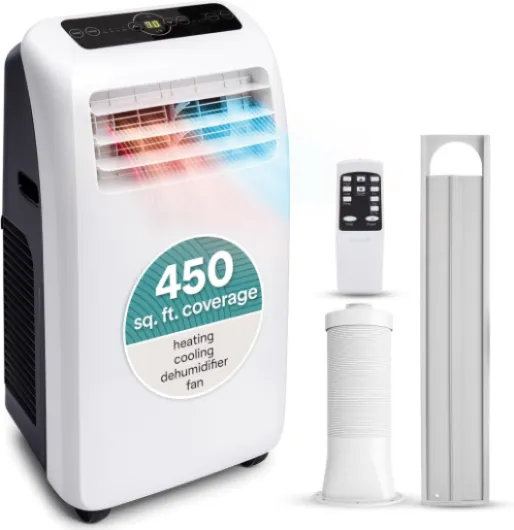
Usability extends beyond the first installation day and shapes how often you actually use the air conditioners. A clear control panel, a responsive remote control and intuitive mode icons make it easier to switch between cooling, heater and dehumidifier fan settings. When the interface is confusing, people tend to leave the unit in a single mode and waste potential energy efficiency gains.
Routine maintenance also affects performance and lifespan, especially for portable acs that run many hours per day. Cleaning air filters, checking the exhaust hose for kinks and inspecting the window kit seals can prevent common portable air issues. For recurring problems such as water leaks or error codes, this resource on effective solutions for portable AC issues provides structured troubleshooting steps.
Noise level, comfort and indoor air quality
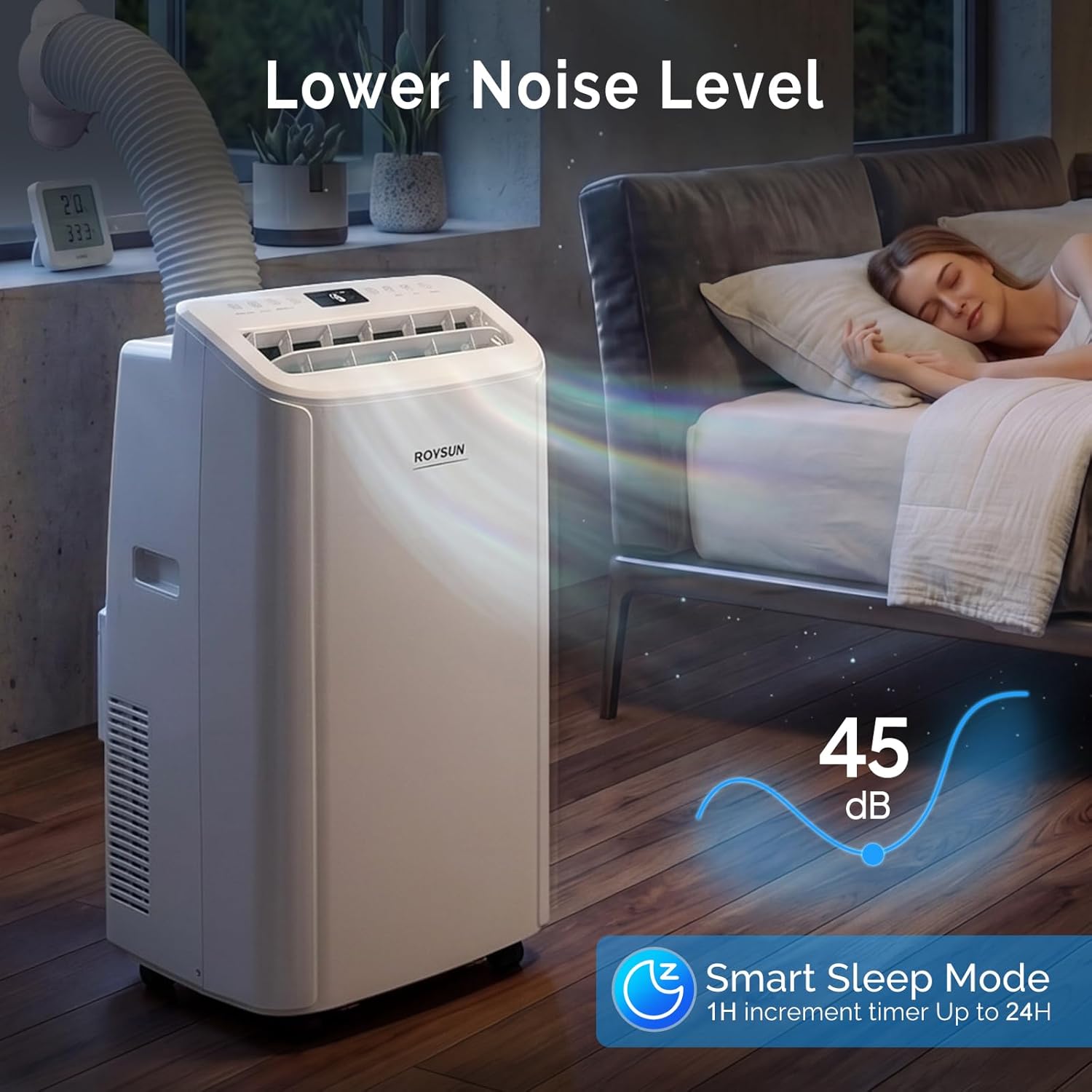
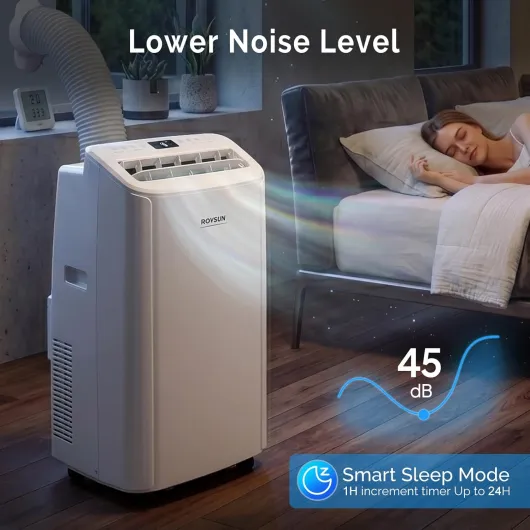
Noise level remains one of the most frequent complaints about portable air conditioners with heat function. Manufacturers usually publish a level dBA range, but this figure often reflects the quietest fan setting rather than full power. When comparing portable acs, look for independent tests or user feedback that mention real world noise level in a bedroom or office.
Units like the Midea Duo and some Whynter ARC conditioners use redesigned air channels and insulated cabinets to reduce vibration. A portable unit with a larger, slower turning fan can move the same volume of air with less turbulence and therefore less noise. If you plan to place the portable air close to your bed or desk, prioritize models that emphasize quiet operation in both cooling and heater modes.
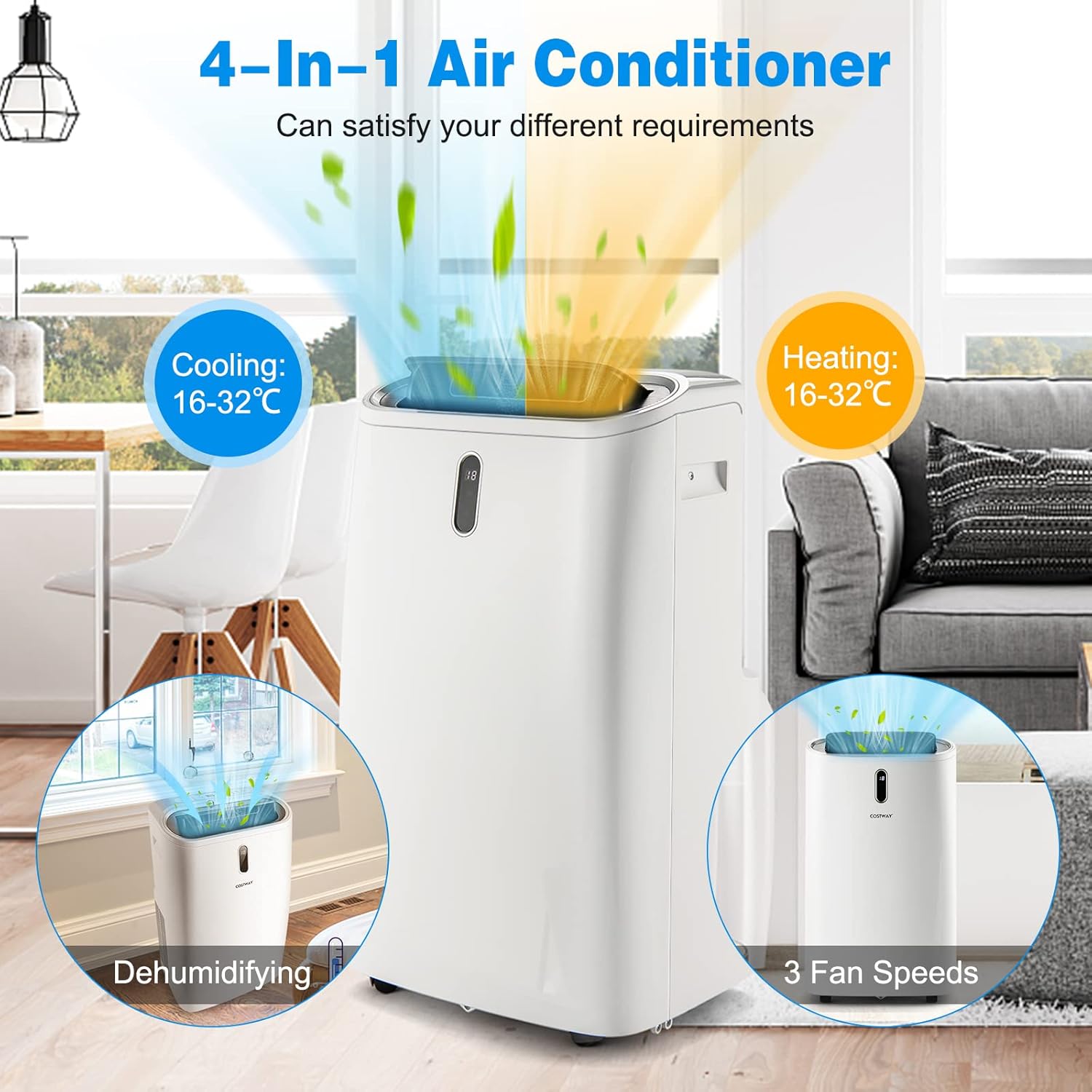
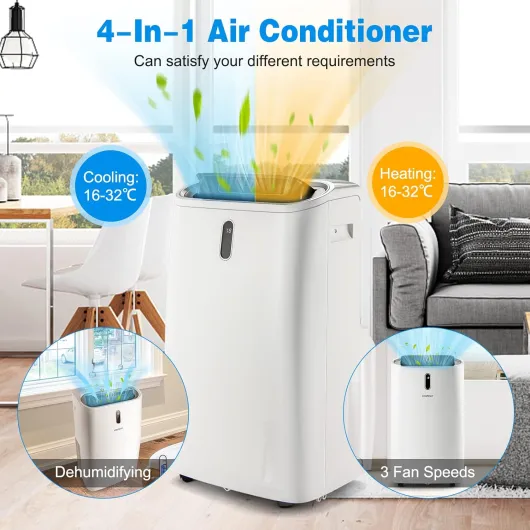
Comfort also depends on how evenly the air conditioner distributes cooled or heated air across the room. Oscillating louvers, multi speed fan settings and a well positioned dehumidifier fan help avoid cold or hot spots. In humid climates, a strong dehumidification mode can make moderate temperatures feel more comfortable than aggressive cooling alone.
Indoor air quality benefits from regular filter cleaning and, when available, upgraded filtration media. Some portable air conditioners include washable mesh filters, while others offer optional finer filters that capture smaller particles. For owners who want to keep their portable air conditioner performing quietly and cleanly, this guide to essential parts for maintaining a portable air conditioner explains which components deserve periodic inspection.
Comparing popular models, prices and real value
Price differences between portable air conditioners with heat function can be significant, especially when browsing Amazon listings. Budget portable acs may advertise impressive BTU numbers, yet they sometimes lack accurate BTU SACC data or clear information about energy efficiency. Higher priced air conditioners from brands like Whynter and Midea Duo usually provide more transparent specifications and better build quality.
For example, a Whynter ARC dual hose unit with heater mode often costs more upfront than a basic single hose competitor. However, the improved airflow, more stable room cooling and reduced strain on the compressor can extend the unit lifespan. Over several seasons, this durability can offset the initial price difference, particularly in regions with long cooling and heating periods.
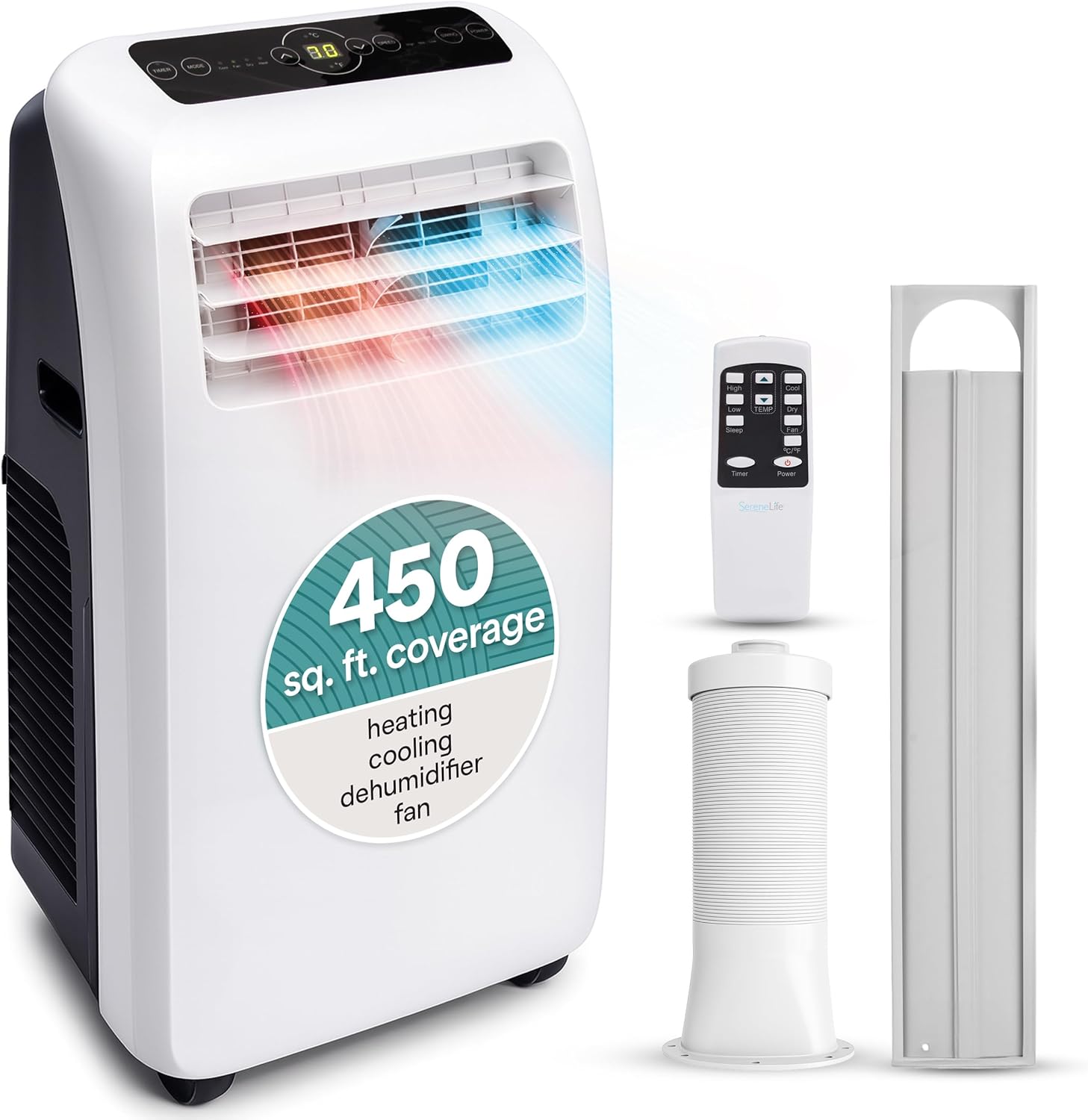
Mid range models such as the SereneLife SLPAC series aim to balance affordability with practical features. A Serenelife SLPAC portable air conditioner typically includes a remote control, multiple fan speeds and a compact window kit suitable for small apartments. Buyers should still check the stated weight in lbs, because a lighter unit may be easier to move but might also indicate thinner insulation panels.
When evaluating value, consider not only the air conditioners price but also expected electricity use and maintenance. A portable unit with a strong dehumidifier fan and efficient heater can reduce reliance on separate appliances, saving both space and energy. Reading detailed product pages and verified reviews helps clarify whether a specific air conditioner or group of air conditioners meets your comfort expectations.
Practical checklist for choosing the right portable air solution
Choosing among the best portable air conditioners with heat function becomes easier with a structured checklist. Start by matching the BTU and BTU SACC ratings of each portable air conditioner with your room size and insulation quality. Oversized air conditioners can short cycle and leave humidity high, while undersized portable acs will run constantly without reaching the target temperature.
Next, examine installation requirements, including the type of window air opening and the length of the exhaust hose. Ensure the supplied window kit can seal the gap securely, and confirm that the hose route will not create sharp bends that restrict airflow. If your home has unusual windows, prioritize flexible systems such as certain Midea Duo or Whynter ARC conditioners that offer adaptable panels.
Then, compare usability features like the clarity of the control panel, the responsiveness of the remote control and the availability of timer functions. A unit with a programmable schedule can pre cool or pre heat the room before you arrive, improving comfort without wasting energy. Pay attention to the published noise level in dBA and consider whether the level dBA at medium fan speed suits your sleeping or working habits.
Finally, weigh practical aspects such as weight in lbs, handle design and caster quality, especially if you plan to move the portable unit frequently. Check whether the air conditioners include modes for cooling, heater and dehumidifier fan operation, and whether maintenance tasks like filter cleaning are straightforward. By aligning these criteria with your budget and expectations, you can select a portable air solution that delivers balanced performance throughout the year.
Key statistics about portable air conditioners with heat function
- Global sales of portable air conditioners have grown steadily as more renters seek flexible cooling and heating options for small spaces.
- Dual hose portable acs can improve effective BTU SACC performance compared with similar single hose models in many real world installations.
- Noise level reductions of just 3 dBA are perceived as a noticeable improvement in acoustic comfort for bedroom use.
- Energy efficient portable air conditioners with programmable controls can reduce seasonal electricity consumption compared with older fixed speed units.
- Regular maintenance of filters and exhaust components can extend the service life of portable air conditioners beyond the typical warranty period.
Common questions about portable air conditioners with heat function
How many BTU do I need for my room size ?
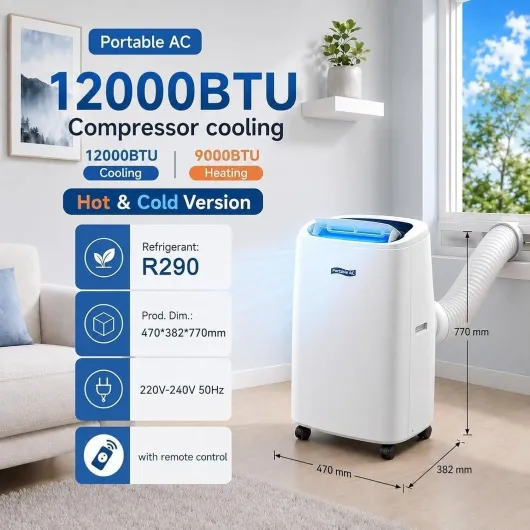
The required BTU and BTU SACC ratings depend on both room area and insulation quality. Small rooms around 15 square metres may need roughly 7000 to 9000 BTU, while larger spaces require proportionally higher capacity. Poor insulation, direct sun exposure or many occupants can justify choosing a slightly more powerful portable air conditioner.
Are dual hose portable acs really better than single hose models ?
Dual hose designs reduce the amount of conditioned air exhausted outside, which helps maintain more stable room temperatures. In many situations, this layout improves effective BTU SACC performance and reduces the risk of drawing hot air from adjacent rooms. However, dual hose units can be heavier and more expensive, so the choice depends on your priorities.
Can I use a portable air conditioner as my main heater ?
Portable air conditioners with heat function can supplement existing heating systems, especially in mild climates or shoulder seasons. In colder regions, they may struggle to maintain comfortable temperatures during extreme cold spells. Most experts recommend treating the heater mode as a flexible backup rather than a full replacement for central heating.
How loud are typical portable air conditioners in real use ?
Most portable air conditioners operate between roughly 50 and 65 dBA depending on fan speed and distance. Lower level dBA ratings are more suitable for bedrooms, while slightly louder units may be acceptable in living rooms or offices. Design factors such as compressor mounting, cabinet insulation and fan size all influence perceived noise.
What maintenance do portable air conditioners require ?
Routine tasks include cleaning or replacing air filters, checking the exhaust hose for obstructions and ensuring the window kit remains well sealed. Some models also require periodic draining of condensate or inspection of drain hoses. Regular maintenance helps preserve cooling and heating performance while extending the lifespan of the portable unit.

![4-in-1 Portasplit Air Conditioner with Heat Pump, 12000 BTU 3.5kW, Only 39dB(A) in Silent Mode, Cooling A++/Heating A+, Smart WiFi Control, for Rooms up to 42m²/105m³ [Energy Class A++] White Midea Portasplit 12000 BTU](https://www.portable-air-conditioner-guru.com/storage/895575/conversions/71LclLP-L1L._AC_SL1500_-medium.webp)

![4-in-1 Portasplit Air Conditioner with Heat Pump, 12000 BTU 3.5kW, Only 39dB(A) in Silent Mode, Cooling A++/Heating A+, Smart WiFi Control, for Rooms up to 42m²/105m³ [Energy Class A++] White Midea Portasplit 12000 BTU](https://www.portable-air-conditioner-guru.com/storage/895575/71LclLP-L1L._AC_SL1500_.jpg)