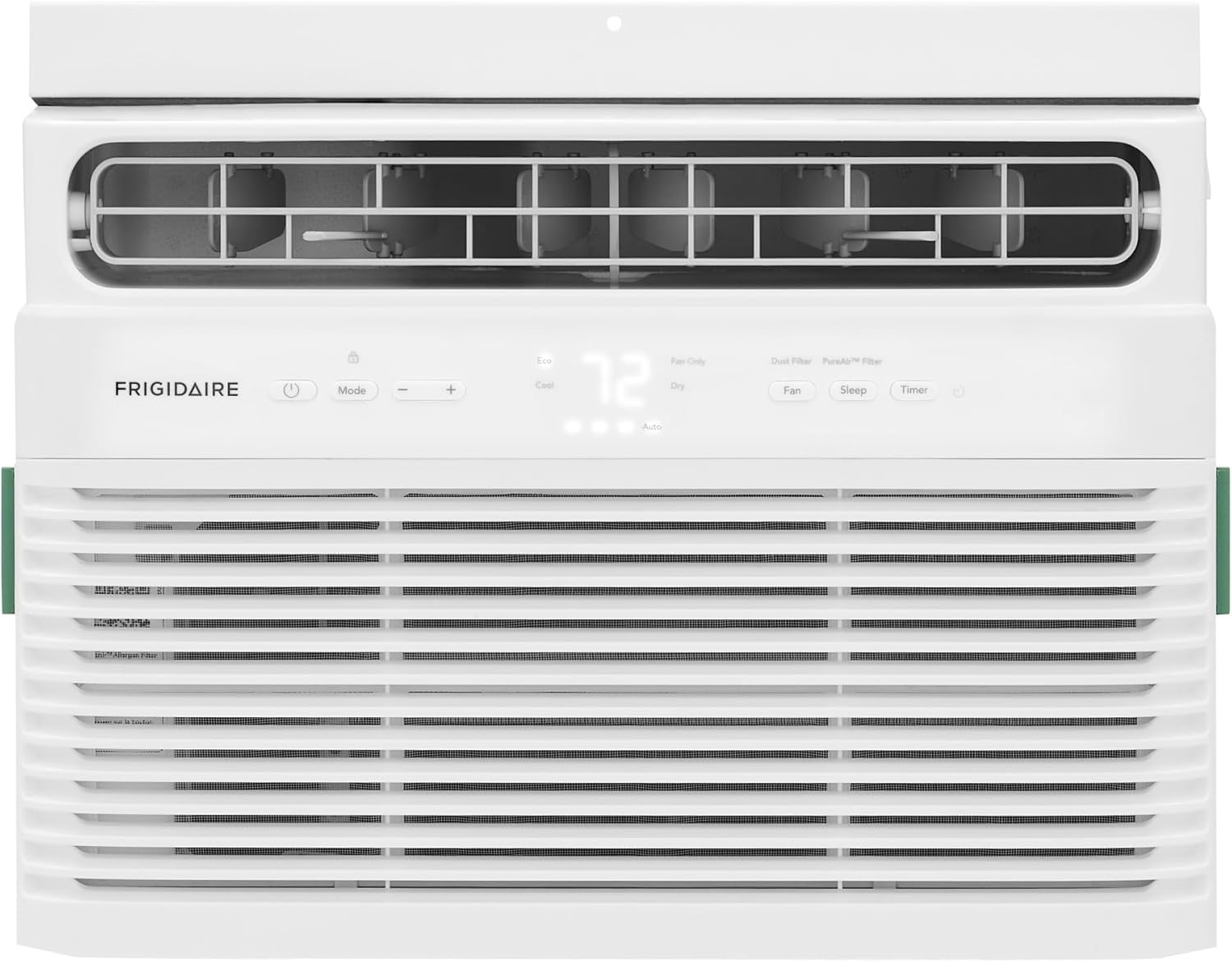
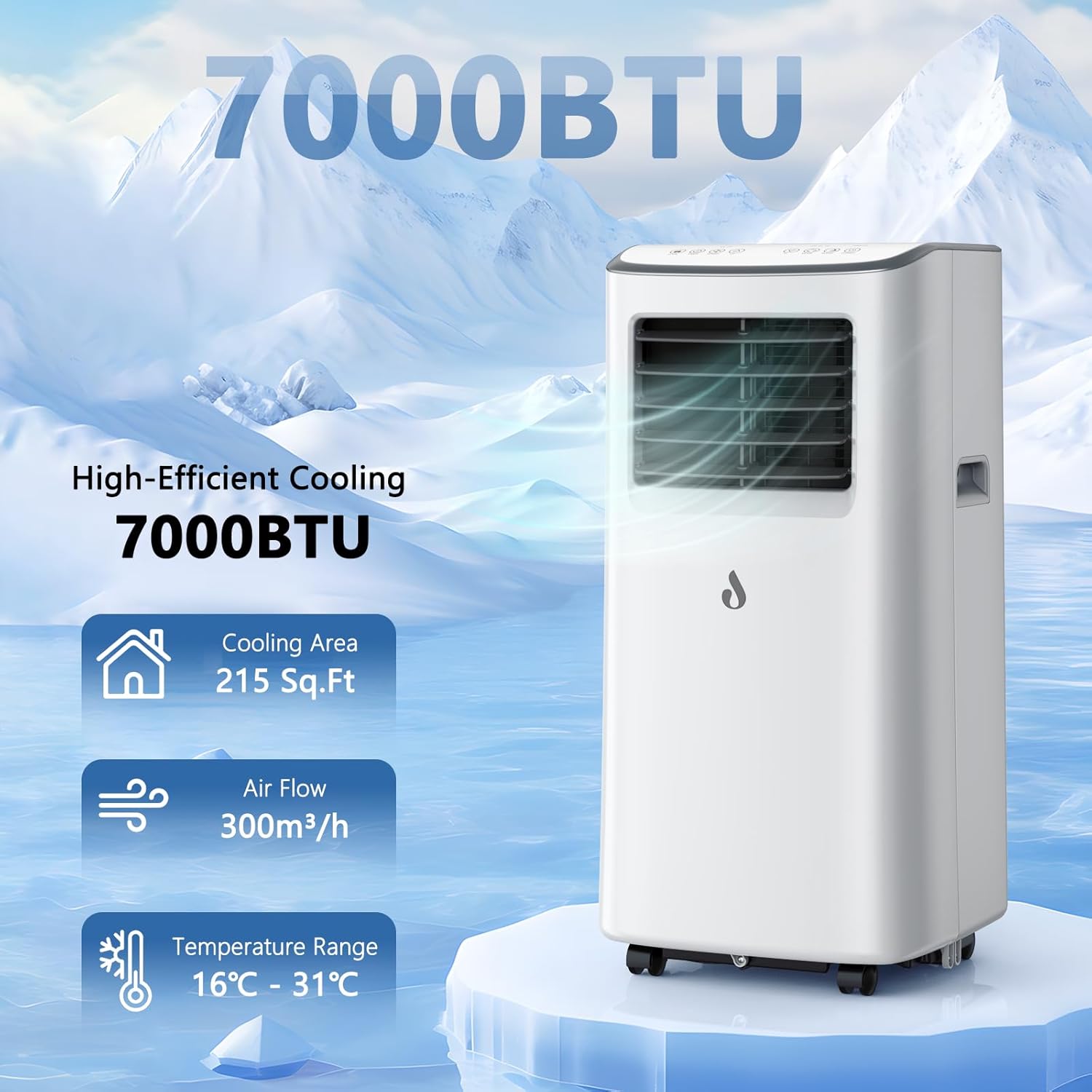
Key criteria to compare the best portable air conditioners with remote control
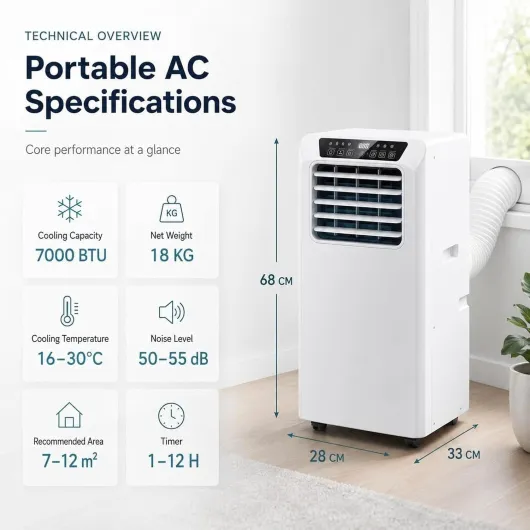
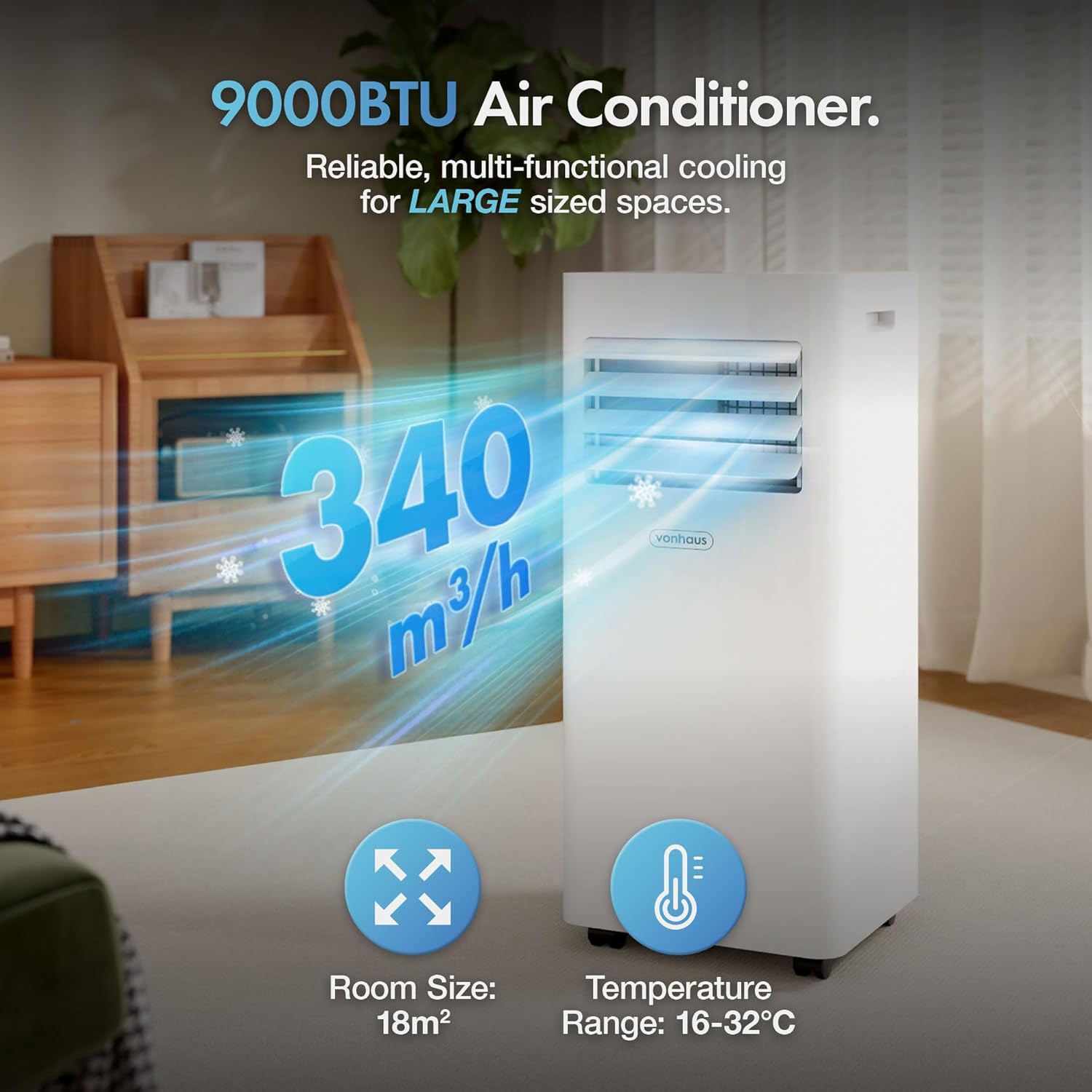
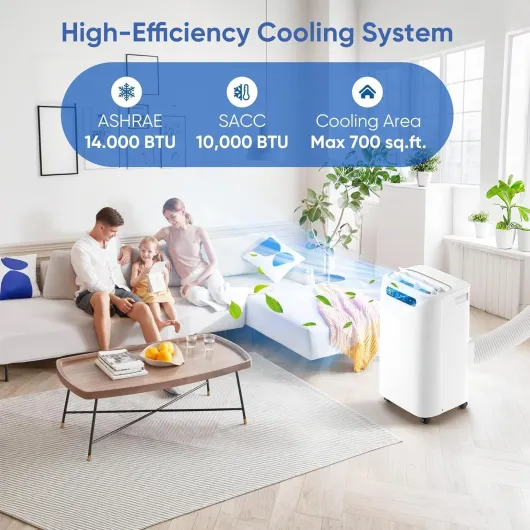
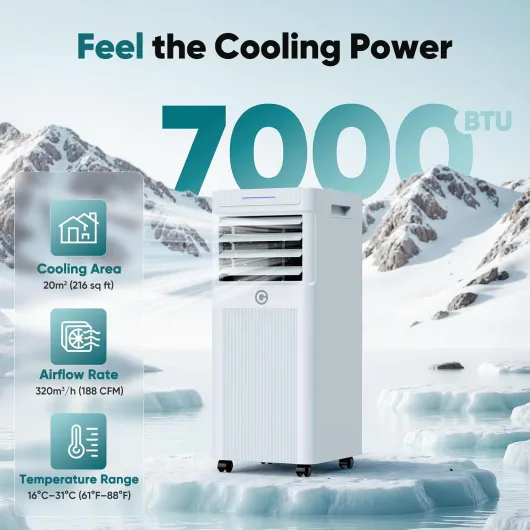
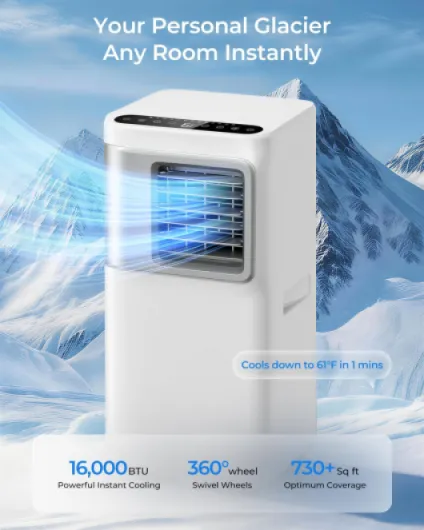
Choosing the best portable air conditioners with remote control starts with understanding cooling capacity. Manufacturers usually express cooling power in watts or BTU, and you must match that figure to your room size for efficient portable air comfort. Undersized portable acs will run constantly, while oversized air conditioners may cool quickly but leave humidity high.
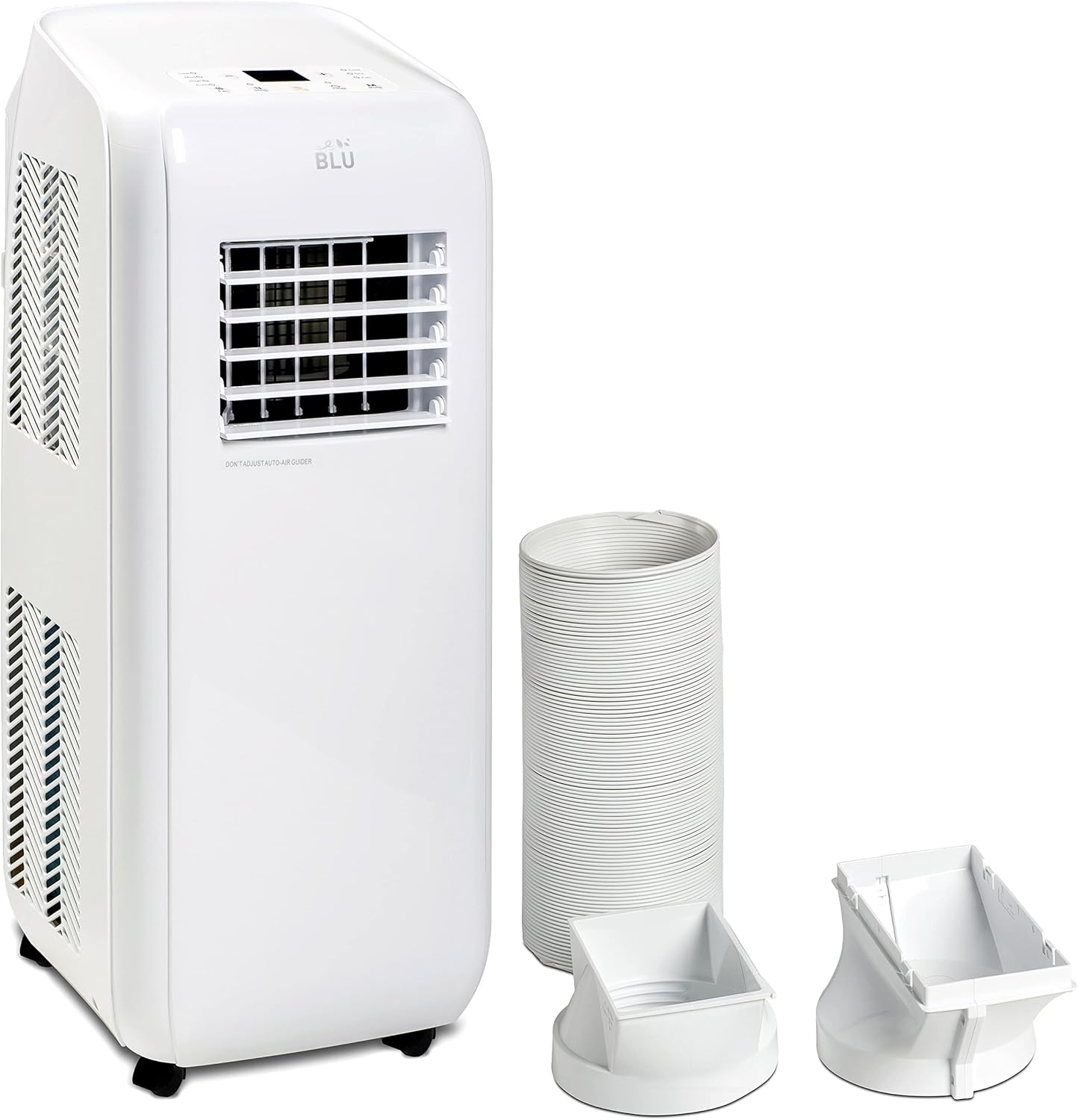
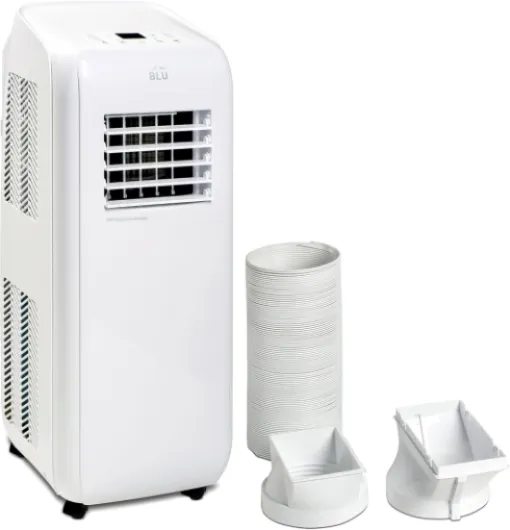
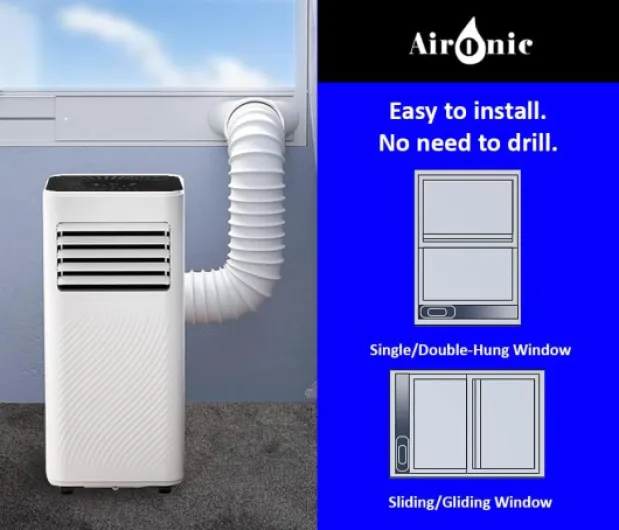
Look closely at the exhaust hose design because it affects both efficiency and noise. A dual hose system generally offers better cooling in very hot climates, while a single hose layout keeps the unit lighter and more portable. Some brands now market hose portable kits with better window seals to reduce hot air leaks around the frame.
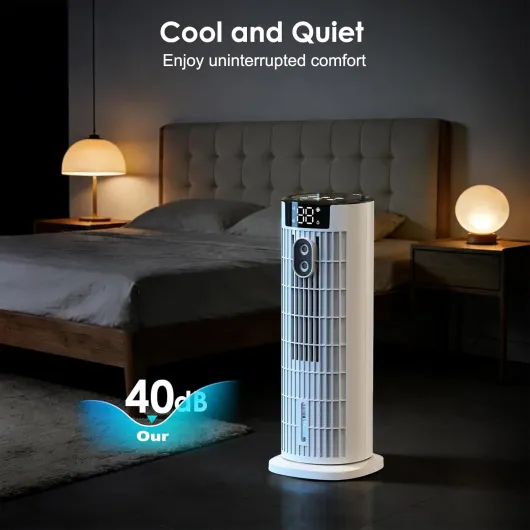
Noise level matters when the portable air conditioner sits in a bedroom or home office. A quiet mode on the fan and compressor can keep sound below 50 dB, which many people find acceptable for sleep. The best portable air conditioners with remote control usually include multiple fan modes, allowing you to balance cooling power and acoustic comfort.
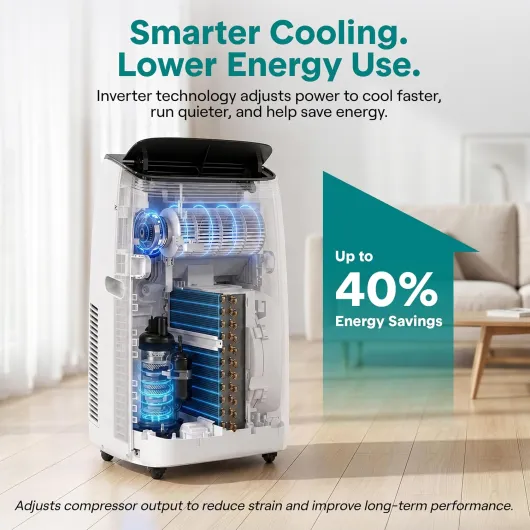
Energy efficiency also deserves attention when comparing portable units. Models such as the midea duo or ecoflow wave often highlight advanced inverter technology that adjusts cooling capacity to the actual room load. This type of control can reduce electricity use while keeping the air temperature more stable during long heatwaves.
Do not forget maintenance and filtration when evaluating portable acs on amazon or in local shops. Washable filters, easy access panels, and clear drain options make regular cleaning less of a chore. If you already use an evaporative cooler, reading guidance on choosing the right pads for your evaporative cooler can help you appreciate how filtration and water management differ from compressor based air conditioners.
How remote control features change daily use of portable units
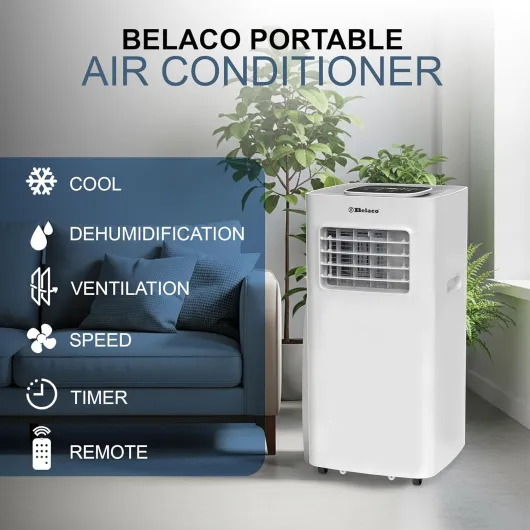
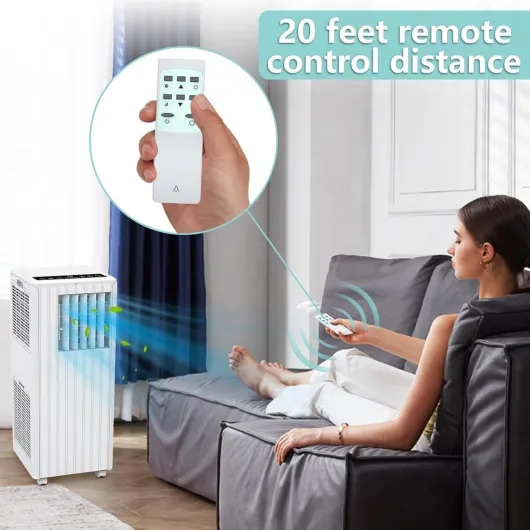
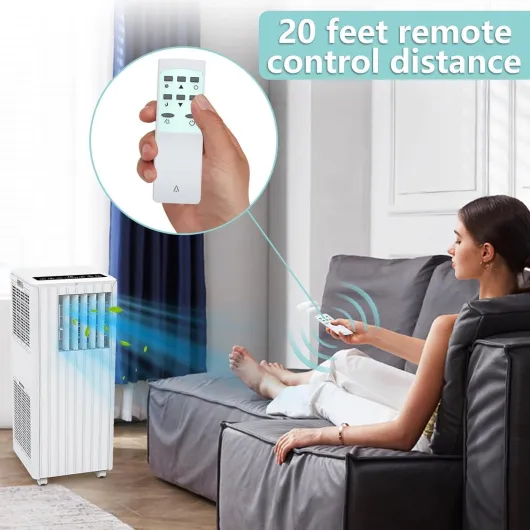
Remote control functions turn a basic portable air conditioner into a more intelligent partner. With a well designed remote, you can change cooling mode, fan speed, and target temperature from bed or sofa, which encourages more efficient use. The best portable air conditioners with remote control also let you program timers that match your daily routine.
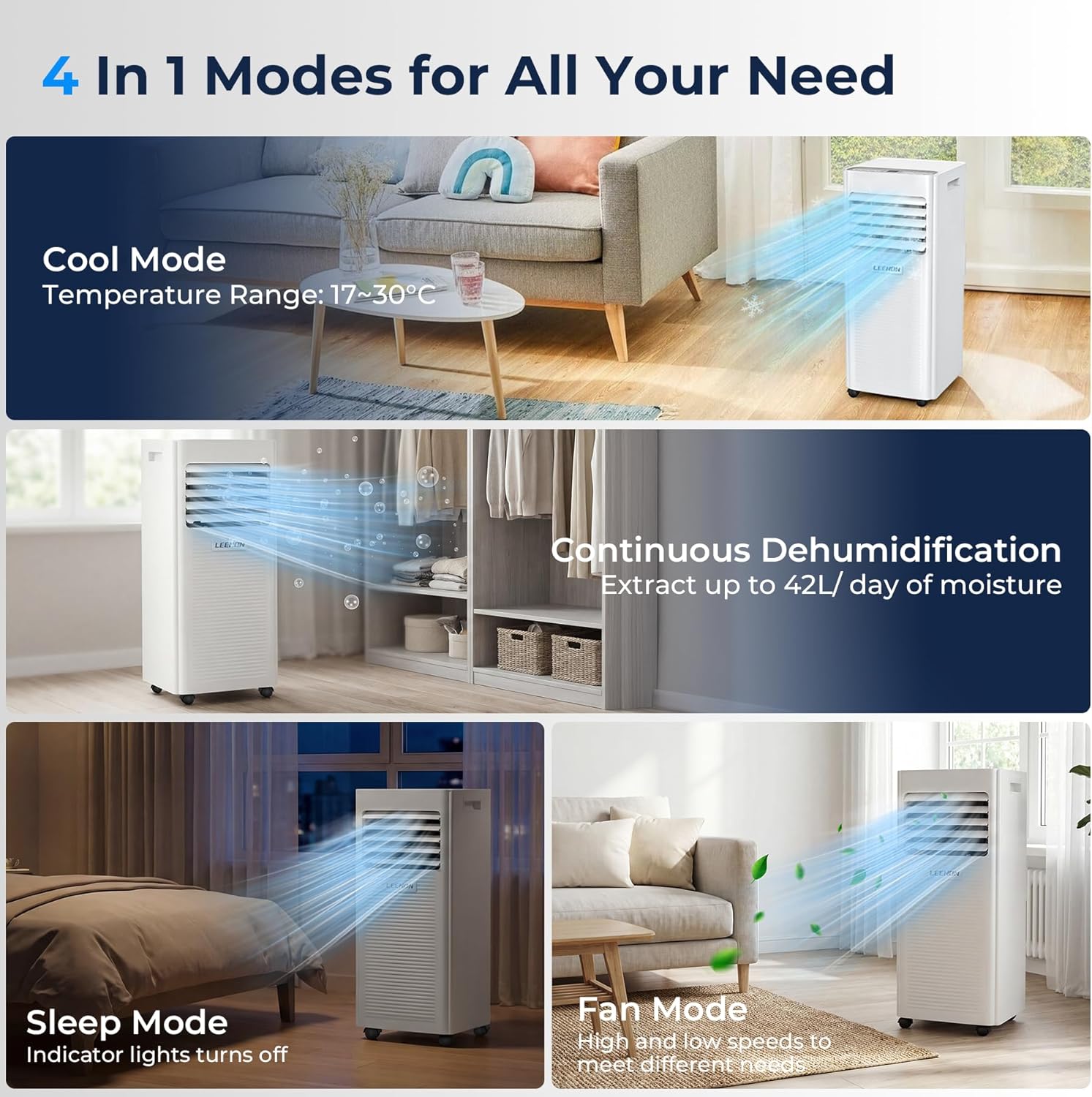
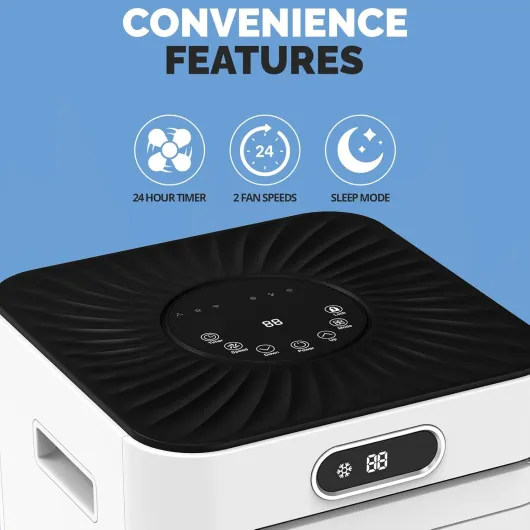
Many portable units now include a sleep mode that gradually adjusts cooling power overnight. This mode reduces fan noise, moderates air temperature swings, and often saves energy compared with constant full power operation. In small bedrooms, a quiet portable air unit with a gentle fan mode can feel more comfortable than a loud window acs model.
Some advanced portable acs integrate smart control through apps or voice assistants. While the remote control remains the primary interface, app based control lets you start cooling the room before you arrive home. This approach works particularly well with battery powered models such as ecoflow wave, which can pre cool a small space using stored energy.
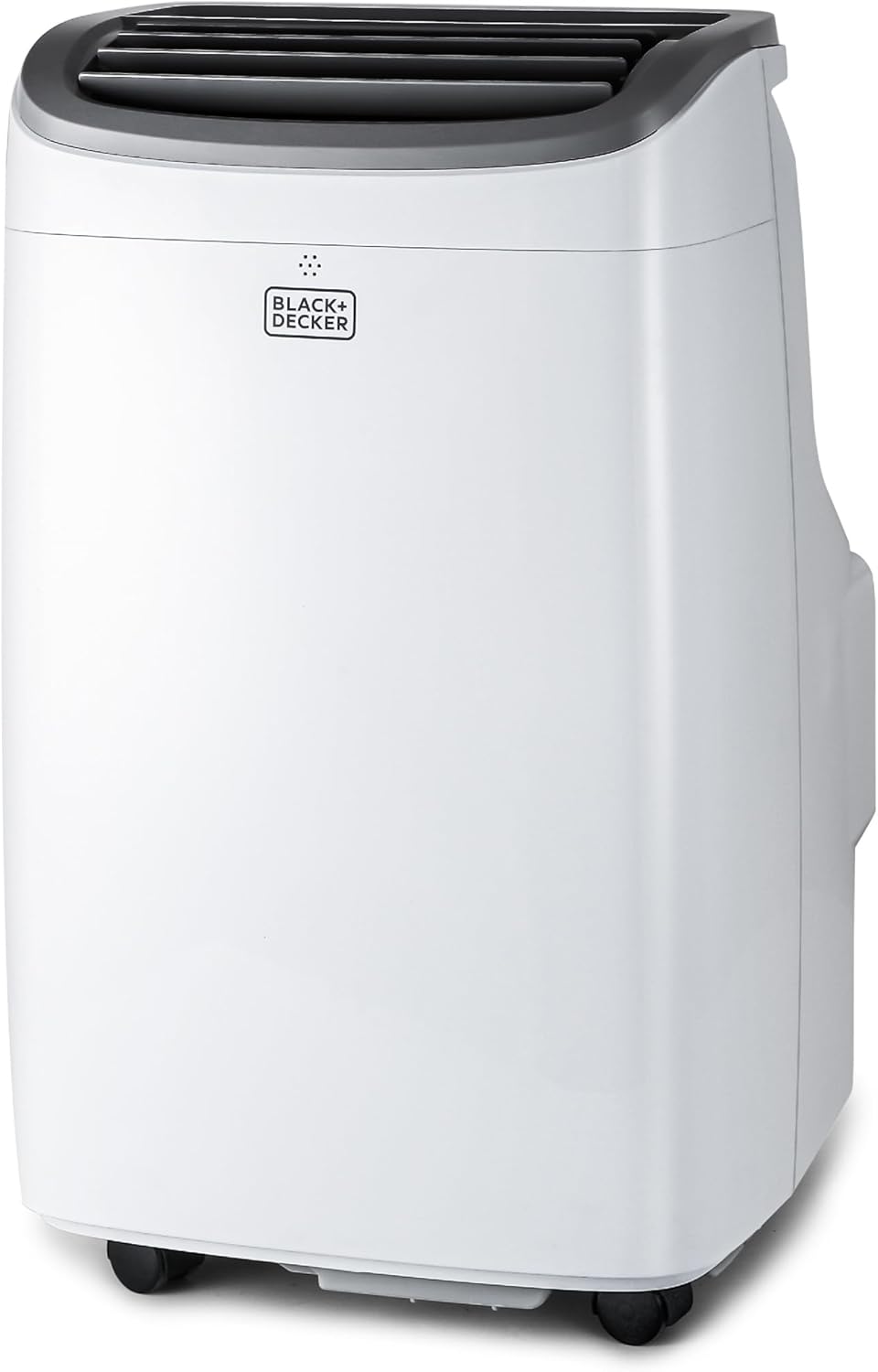
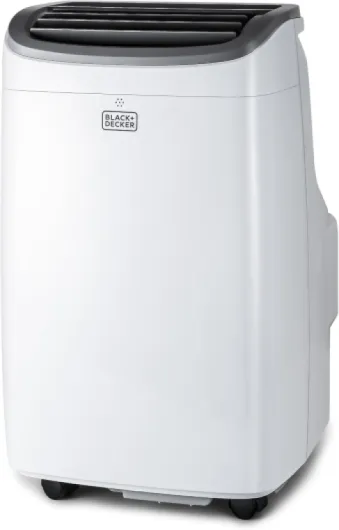
Brands like midea duo and black decker often differentiate their portable air conditioners through thoughtful control layouts. Large buttons, clear icons, and backlit displays make it easy to adjust mode or fan settings even in low light. When combined with a responsive remote, these design choices make the unit feel more premium and user friendly.
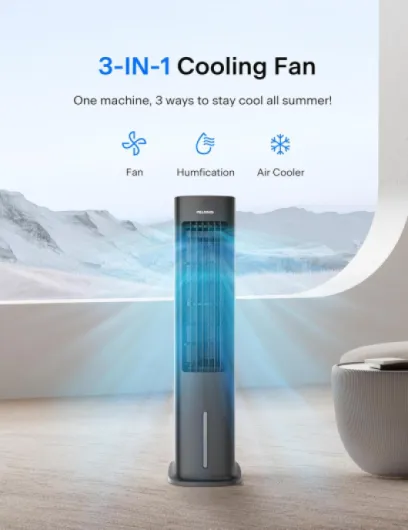
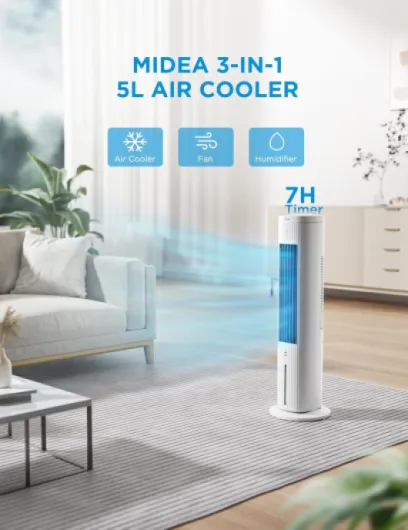
Testing organizations sometimes run comparative tests on portable acs to evaluate real world performance. These tests measure cooling capacity, noise, ease of installation, and remote control responsiveness under controlled conditions. For evaporative models, independent reviews such as the test of a 3 speed portable evaporative cooler illustrate how airflow and fan design influence comfort differently from compressor based air conditioners.
Single hose versus dual hose designs in portable air conditioners
The debate between single hose and dual hose portable air conditioners remains central when choosing the best portable air conditioners with remote control. A single hose portable acs unit uses one exhaust hose to expel hot air from the room, which can create slight negative pressure. That pressure may draw warm air from adjacent spaces, reducing overall cooling efficiency.
Dual hose portable units address this issue by separating intake and exhaust flows. One hose portable line brings in outdoor air for the condenser, while the other exhaust hose removes hot air, which helps maintain more stable room pressure. In practice, dual hose designs often deliver stronger effective cooling capacity in very hot or sun exposed rooms.
However, single hose air conditioners still appeal to many users because they are lighter and easier to move. For renters who shift a portable air unit between bedroom and living room, the simpler hose kit and lower weight matter more than marginal efficiency gains. In moderate climates, a good single hose model with quiet fan operation can provide perfectly adequate cooling.
When comparing portable acs on amazon or in stores, pay attention to how brands describe their hose systems. Some models, including the midea duo and certain black decker units, use a kind of hybrid or duo map airflow path that improves efficiency while keeping installation easy. Marketing terms like map tbl or duo map may sound opaque, but they usually refer to internal ducting that optimizes air movement.
Real world tests show that proper window sealing and hose length also influence performance. A poorly installed exhaust hose can leak hot air back into the room, undermining even the best dual hose design. For broader context on how air movement and moisture removal affect comfort, resources explaining how a dehumidifier for air conditioning transforms indoor comfort provide useful background.
Balancing cooling, noise, and energy use in portable acs
Real comfort with the best portable air conditioners with remote control depends on more than raw cooling power. A powerful portable air unit that roars like a jet will not feel good in a quiet bedroom, even if the air temperature drops quickly. Users therefore look for a balance between cooling capacity, quiet operation, and reasonable energy consumption.
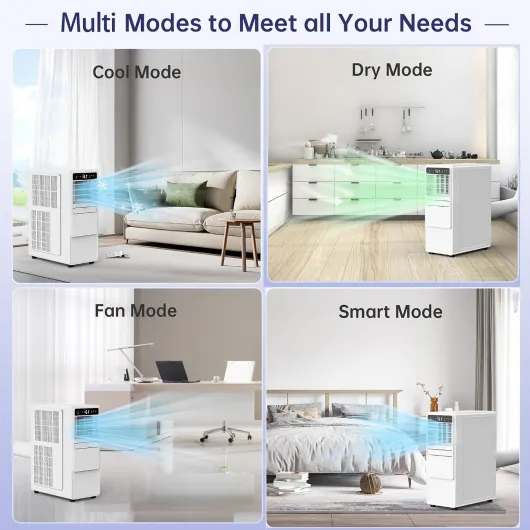
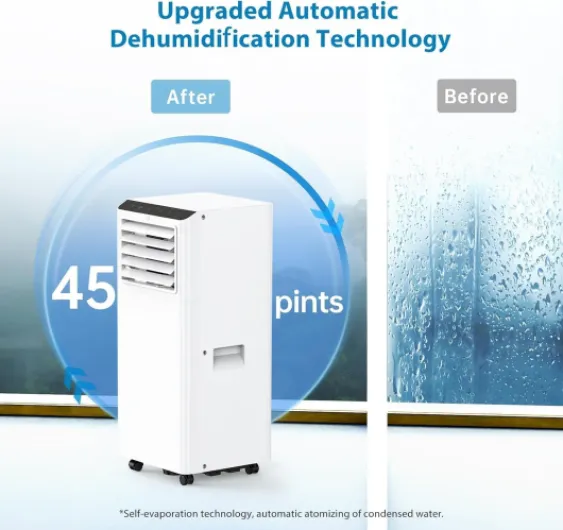
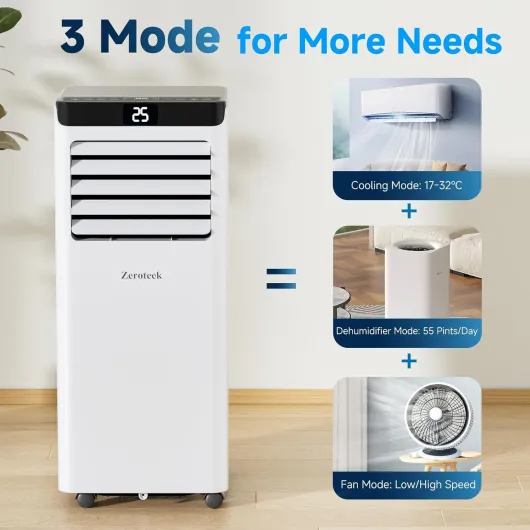
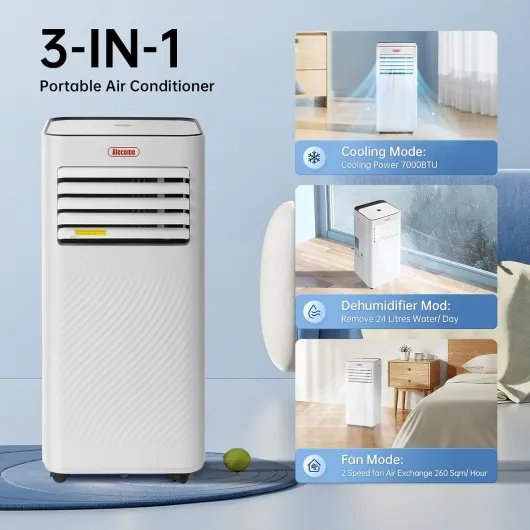
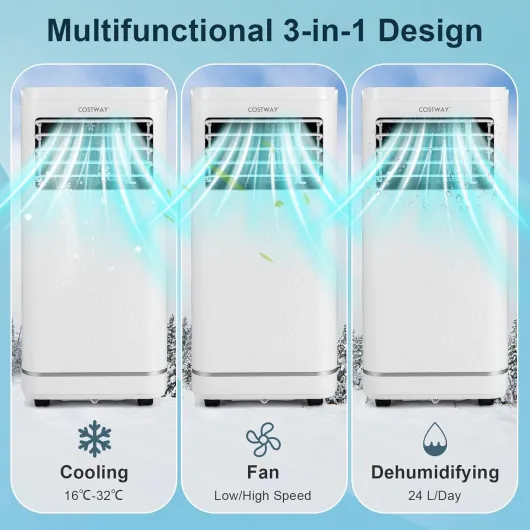
Manufacturers specify cooling power in BTU or watts, but effective comfort also depends on humidity removal. Many portable acs include a dedicated dehumidifier fan mode that focuses on extracting moisture from the air without maximum cooling. In humid regions, this mode can make a room feel cooler at a slightly higher temperature, reducing energy use.
Noise ratings give a partial picture of how quiet a portable air conditioner will sound. A unit may list low decibel levels at minimum fan speed, yet become significantly louder at full cooling mode. The best portable air conditioners with remote control allow fine adjustment of fan speed, so you can choose a compromise between airflow and acoustic comfort.
Energy conscious buyers increasingly compare portable units based on seasonal efficiency metrics. Models like midea duo and ecoflow wave often highlight inverter compressors or variable speed fans that adapt cooling power to the actual load. Over a long summer, such control can reduce electricity bills while maintaining stable air temperature and humidity.
Battery powered portable acs remain a niche but growing segment, especially for vans, boats, and off grid cabins. These portable air conditioners trade peak cooling capacity for mobility and independence from wall sockets. When evaluating them, consider not only cooling power but also battery runtime, recharge options, and how the exhaust hose can be routed safely in tight spaces.
Practical buying advice and emerging trends in portable air conditioners
For many households, the best portable air conditioners with remote control represent a pragmatic compromise between flexibility and performance. Before choosing a top pick, measure your room carefully, note sun exposure, and consider whether you need a dehumidifier fan mode. A well matched portable air unit will feel more comfortable and cost less to run than an oversized or undersized model.
When browsing amazon or specialist retailers, filter portable acs by cooling capacity, noise rating, and presence of dual hose or single hose designs. Pay attention to user reviews that mention real world noise, ease of installation, and remote control reliability. A model that looks good on paper may disappoint if the exhaust hose kit feels flimsy or the remote fails frequently.
Brands such as black decker, midea duo, and ecoflow wave illustrate different directions in portable air conditioners. Black decker often focuses on robust, easy to use portable units for mainstream homes, while midea duo emphasizes advanced airflow and efficiency. Ecoflow wave pushes into battery powered territory, targeting users who need cooling in vehicles, tents, or temporary structures.
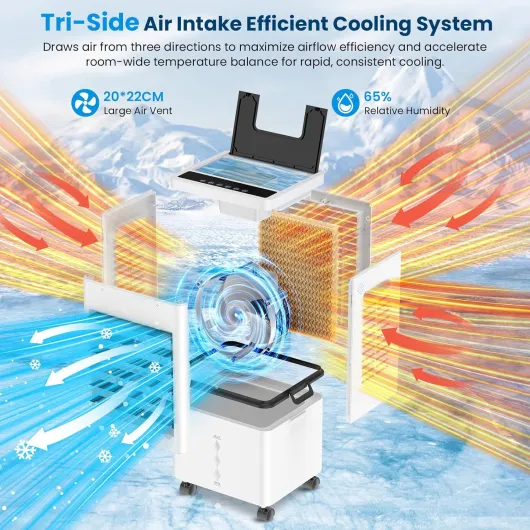
Emerging designs sometimes reference internal airflow concepts with terms like map tbl or duo map. While these labels can confuse buyers, they generally signal efforts to optimize how air moves through the unit for better cooling and quieter fan operation. When in doubt, independent tests and detailed reviews remain the best way to judge whether such claims translate into real comfort.
Installation and maintenance should remain central in your final pick. Look for portable air conditioners with clear manuals, sturdy window kits, washable filters, and accessible drain points. Over time, regular cleaning of filters, checking the exhaust hose for kinks, and using the remote control to run periodic dehumidifier cycles will keep your portable acs working efficiently and quietly.
Key statistics about portable air conditioners and home cooling
- Up to 30 % of households in some regions now rely on at least one portable air conditioner as a supplementary cooling solution during heatwaves.
- Independent tests show that dual hose portable acs can deliver between 10 % and 20 % higher effective cooling capacity than comparable single hose models in very hot conditions.
- Noise measurements indicate that quiet portable units in sleep mode typically operate between 45 and 50 dB at one metre distance.
- Energy audits suggest that using a dehumidifier fan mode in humid climates can reduce perceived temperature by 1 to 2 °C at the same thermostat setting.
- Market analyses report that models sold as the best portable air conditioners with remote control account for a growing share of portable air sales, reflecting demand for easier daily control.
Common questions about portable air conditioners with remote control
Are portable air conditioners with remote control efficient enough for everyday use ?
Modern portable air conditioners with remote control can be efficient when correctly sized for the room and properly installed with a well sealed exhaust hose. Dual hose designs and inverter based models such as some midea duo units often provide better real world efficiency. Regular filter cleaning and thoughtful use of fan and dehumidifier modes further improve performance.
How noisy are portable acs compared with window air conditioners ?
Portable acs usually sit entirely inside the room, so their fan and compressor noise is more noticeable than that of many window air conditioners. However, quiet modes and improved airflow designs, including duo map style internal ducts, have reduced typical noise levels. Checking decibel ratings and user reviews remains essential when choosing a bedroom friendly portable air unit.
What room size can a typical portable air conditioner cool effectively ?
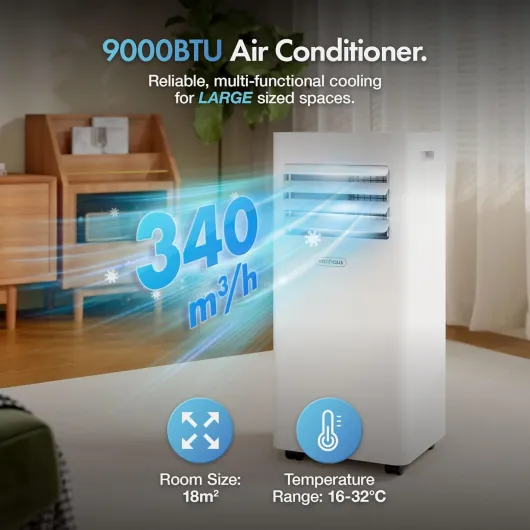
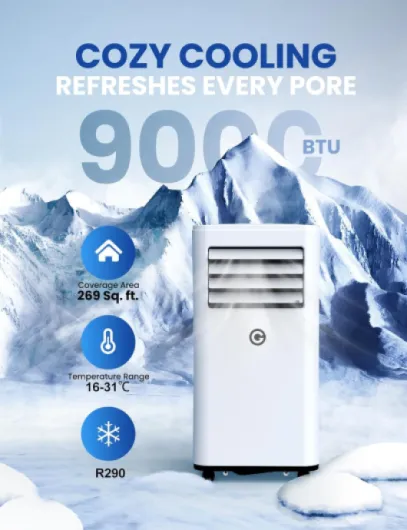
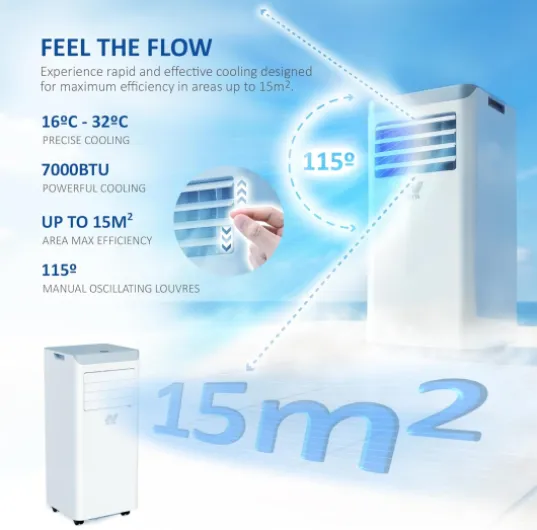
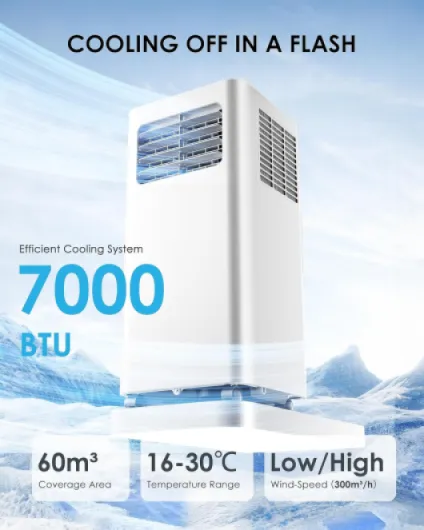
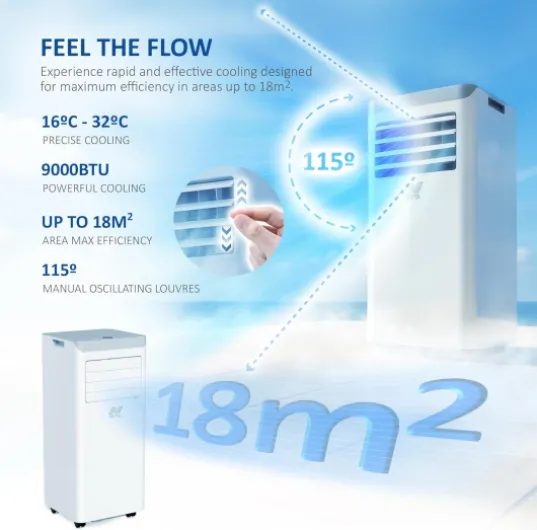
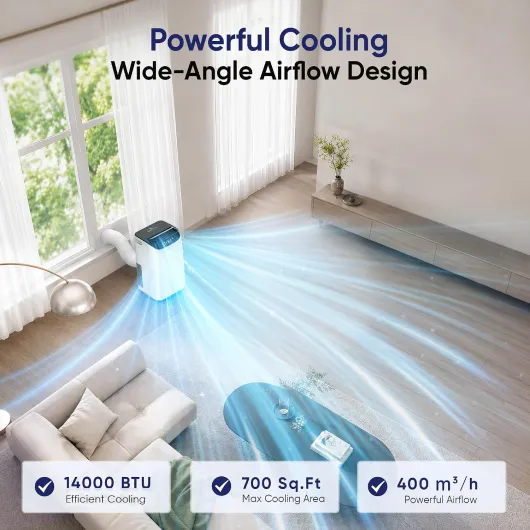
Most mainstream portable air conditioners with remote control can cool rooms between 10 and 30 m², depending on their cooling capacity. Factors such as insulation quality, sun exposure, and internal heat gains from appliances also influence real performance. For larger or heavily glazed rooms, a higher capacity dual hose portable acs model may be necessary.
Do portable units also work as dehumidifiers during humid weather ?
Many of the best portable air conditioners with remote control include a dedicated dehumidifier fan mode. In this mode, the unit focuses on removing moisture from the air while providing moderate cooling. This function can significantly improve comfort in coastal or tropical climates where humidity amplifies heat stress.
Are battery powered portable air conditioners a realistic option for homes ?
Battery powered portable acs, such as ecoflow wave, are primarily designed for mobile or off grid use rather than whole home cooling. They offer limited runtime and cooling power compared with mains powered portable units, but excel in vans, tents, or temporary shelters. For typical apartments or houses, a conventional portable air conditioner with a reliable exhaust hose and wall outlet remains the more practical choice.
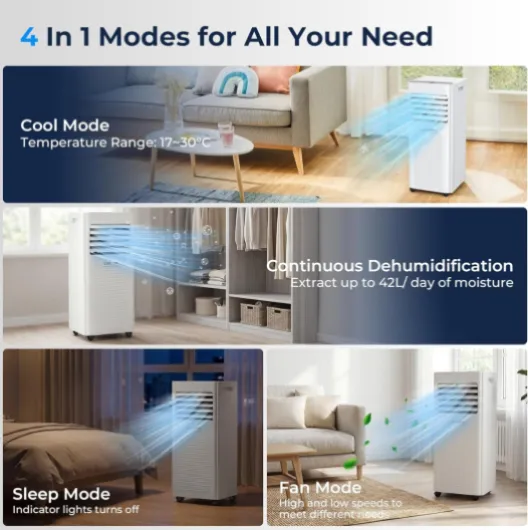

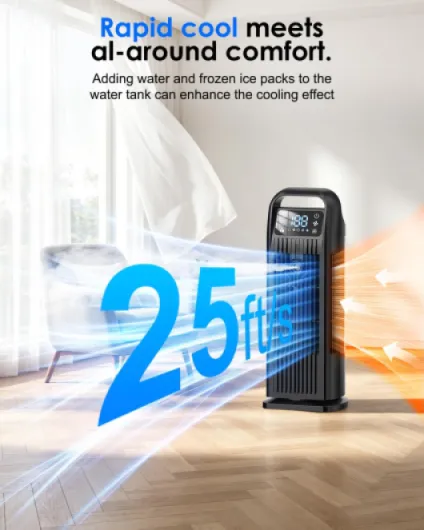


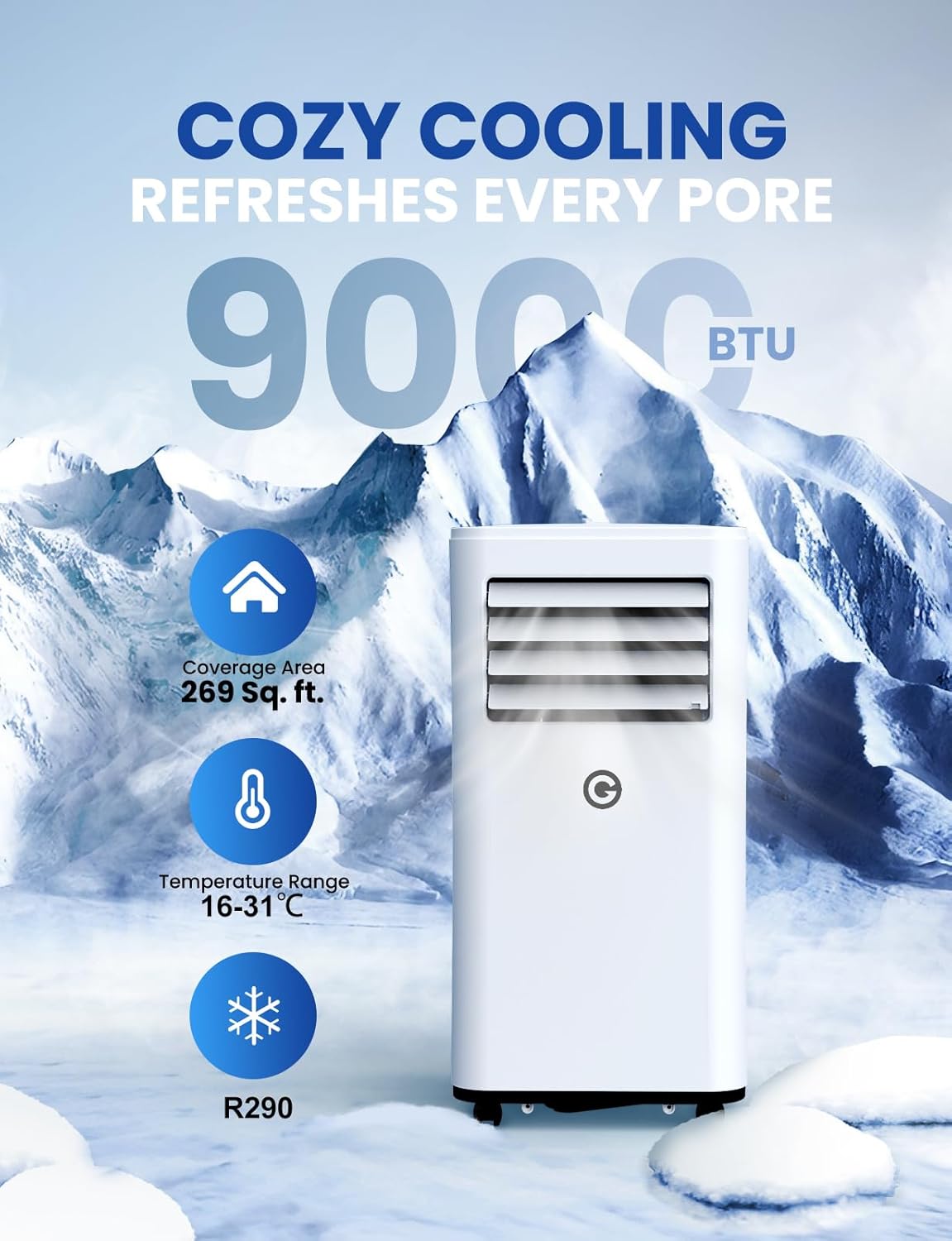
![9000 BTU Portable Air Conditioner, 3-in-1 AC Unit with Cooling, Dehumidifier, Fan, 2 Speeds, 24H Timer, Sleep Mode, Remote, Window Kit for Home & Office Up to 300sq.ft [Energy Class a] 9000BTU](https://www.portable-air-conditioner-guru.com/storage/926254/conversions/718vA9k-8fL._AC_SL1500_-medium.webp)