Key criteria for judging the best portable air conditioners with wi fi
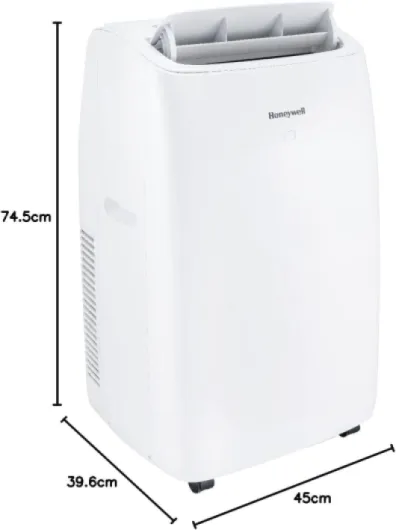
Evaluating the best portable air conditioners with Wi Fi starts with understanding BTU rating and room size. A portable air conditioner with too low a BTU rating will struggle against warm air, while an oversized air conditioner wastes energy and cycles frequently. For most bedrooms or offices, a portable unit between roughly 9 000 and 14 000 BTU can provide effective cooling, but layout and sun exposure still matter.
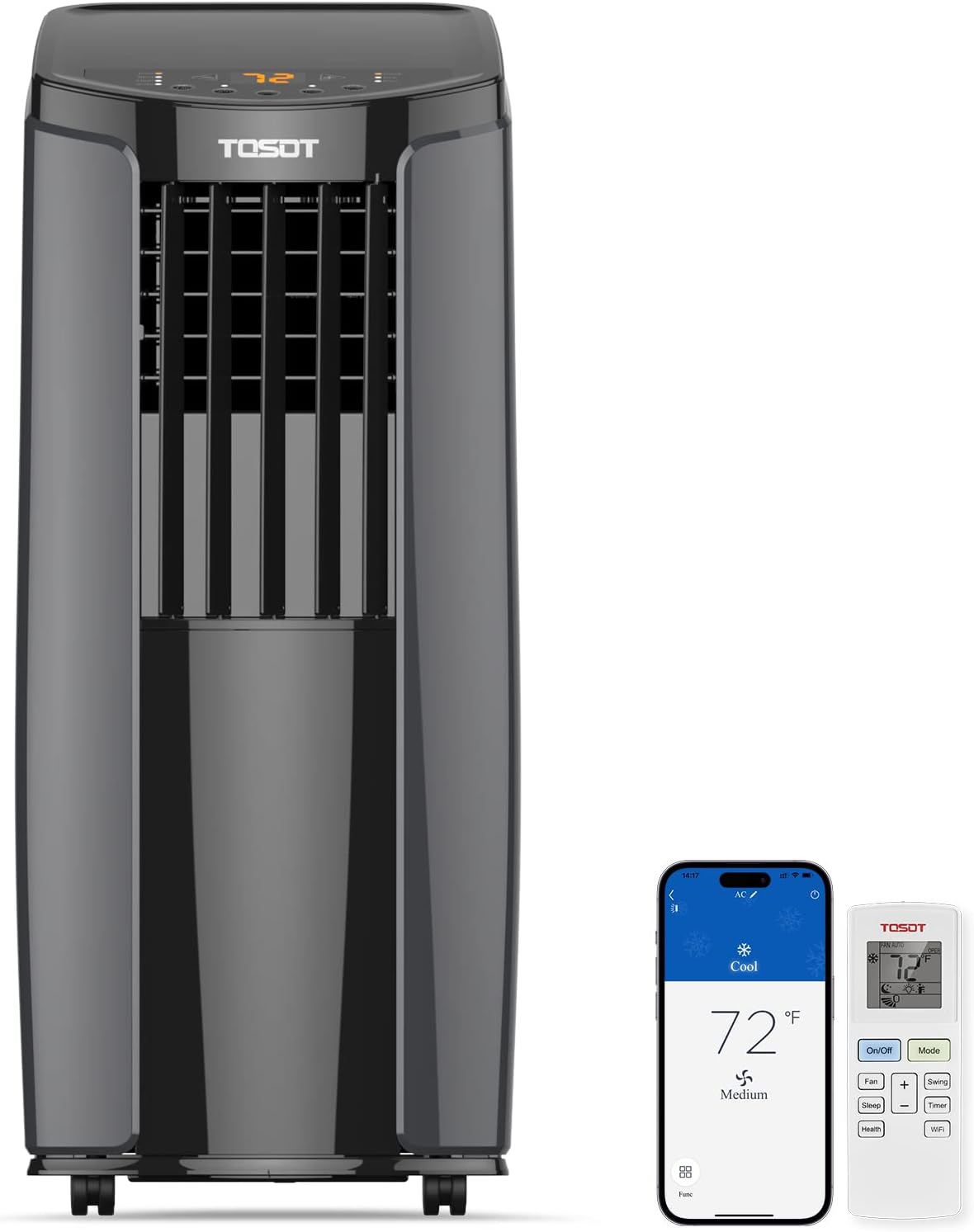
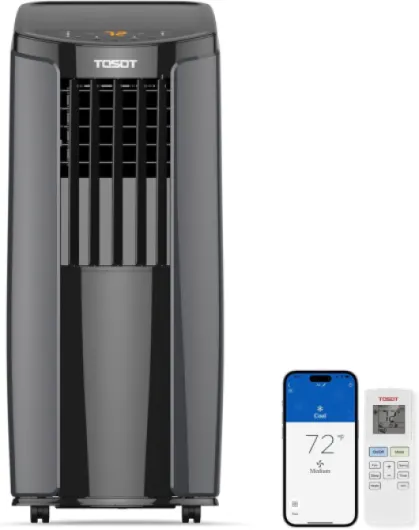
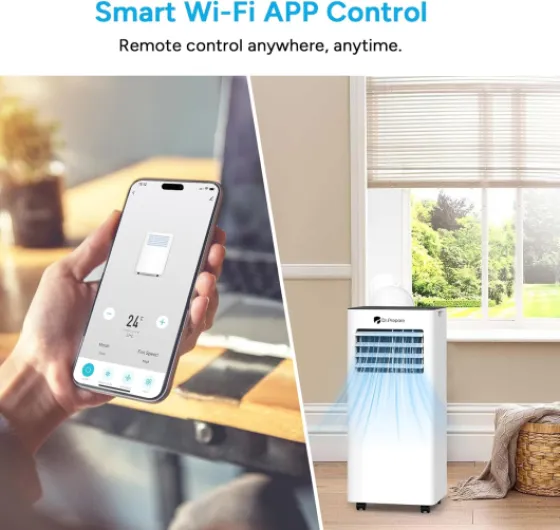
Smart control quality is just as important as raw cooling power. A truly smart air conditioner with Wi Fi should offer reliable app connectivity, clear scheduling, and precise temperature adjustments that match the displayed speed temperature. Look for air conditioners that integrate with major voice platforms, because this makes it easier to manage multiple conditioners portable in different rooms without juggling several remotes.
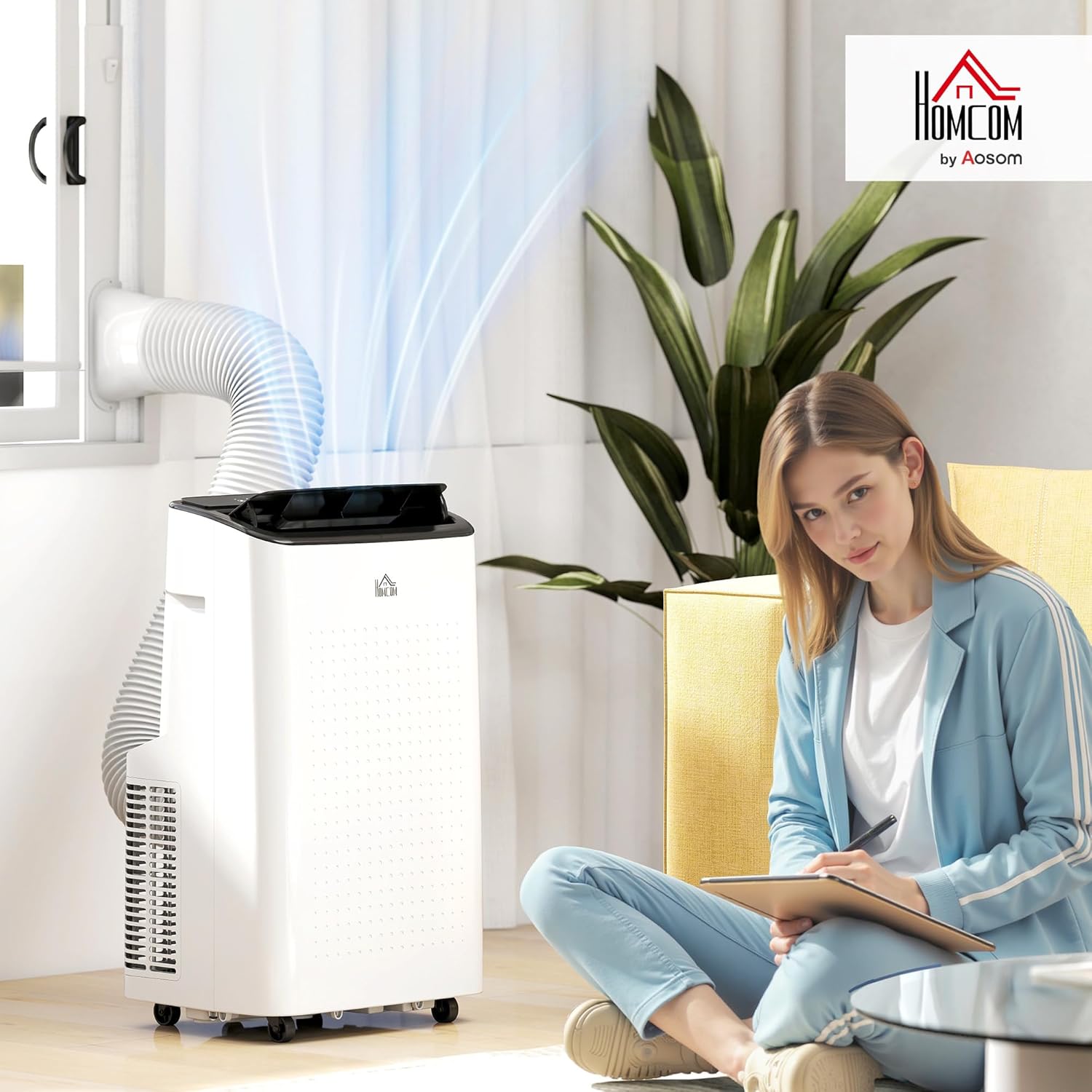
Practical design details also separate a basic portable air conditioner from the best portable options. A robust window kit that seals tightly helps keep warm air outside and ensures the conditioner will maintain a stable room temperature. Hose design matters too, and models like Midea Duo use an innovative dual hose layout that improves airflow compared with a single hose portable unit; for more detail on how a flexible duct improves performance, see this guide on the benefits of a flexible air duct hose for portable air conditioners, which explains why a well designed hose system can significantly enhance cooling efficiency.
Comparing standout models from Midea, Whynter, Black Decker and Serenelife
Several models frequently appear in discussions of the best portable air conditioners with Wi Fi, each serving slightly different needs. The Midea Duo series is often highlighted as a best portable option because its dual hose design improves air exchange while the smart app refines temperature control. This Midea approach reduces the negative pressure that can draw warm air from other parts of the home back into the cooled room.
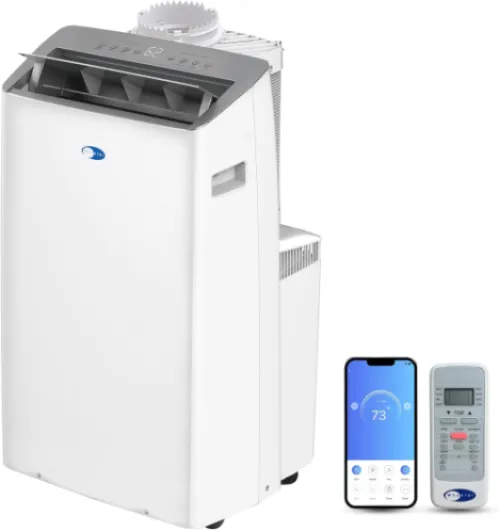
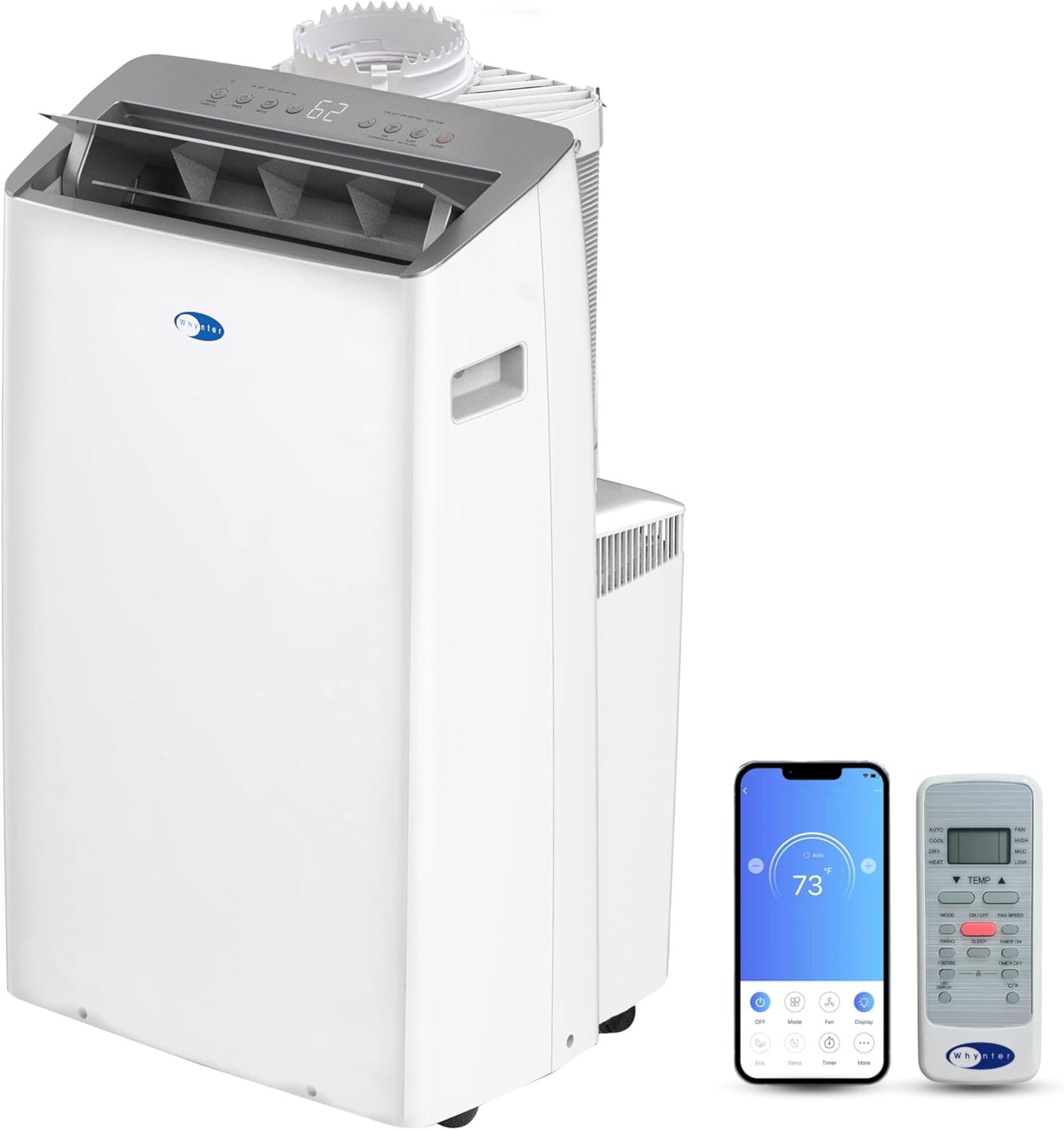
Whynter ARC models, especially the higher BTU rating units, appeal to users who need strong cooling in demanding spaces. A Whynter ARC portable air conditioner typically combines a powerful compressor, a solid window kit, and a hose system that manages exhaust air efficiently. When several Whynter ARC air conditioners are used across a larger home, Wi Fi control helps coordinate cooling so each conditioner will support a balanced overall temperature.
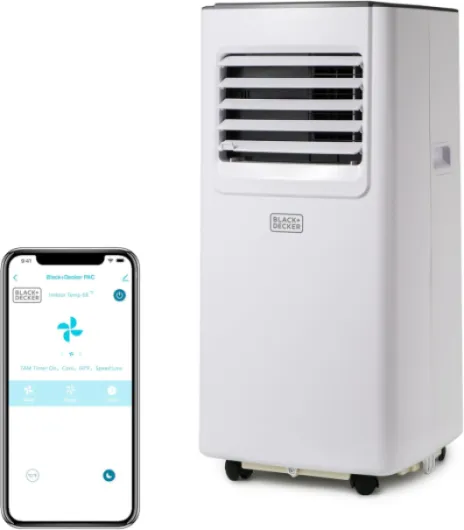
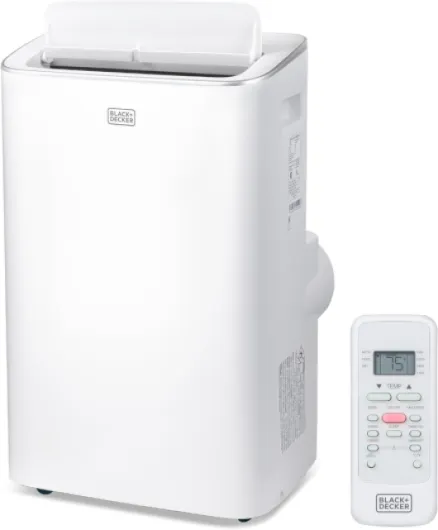
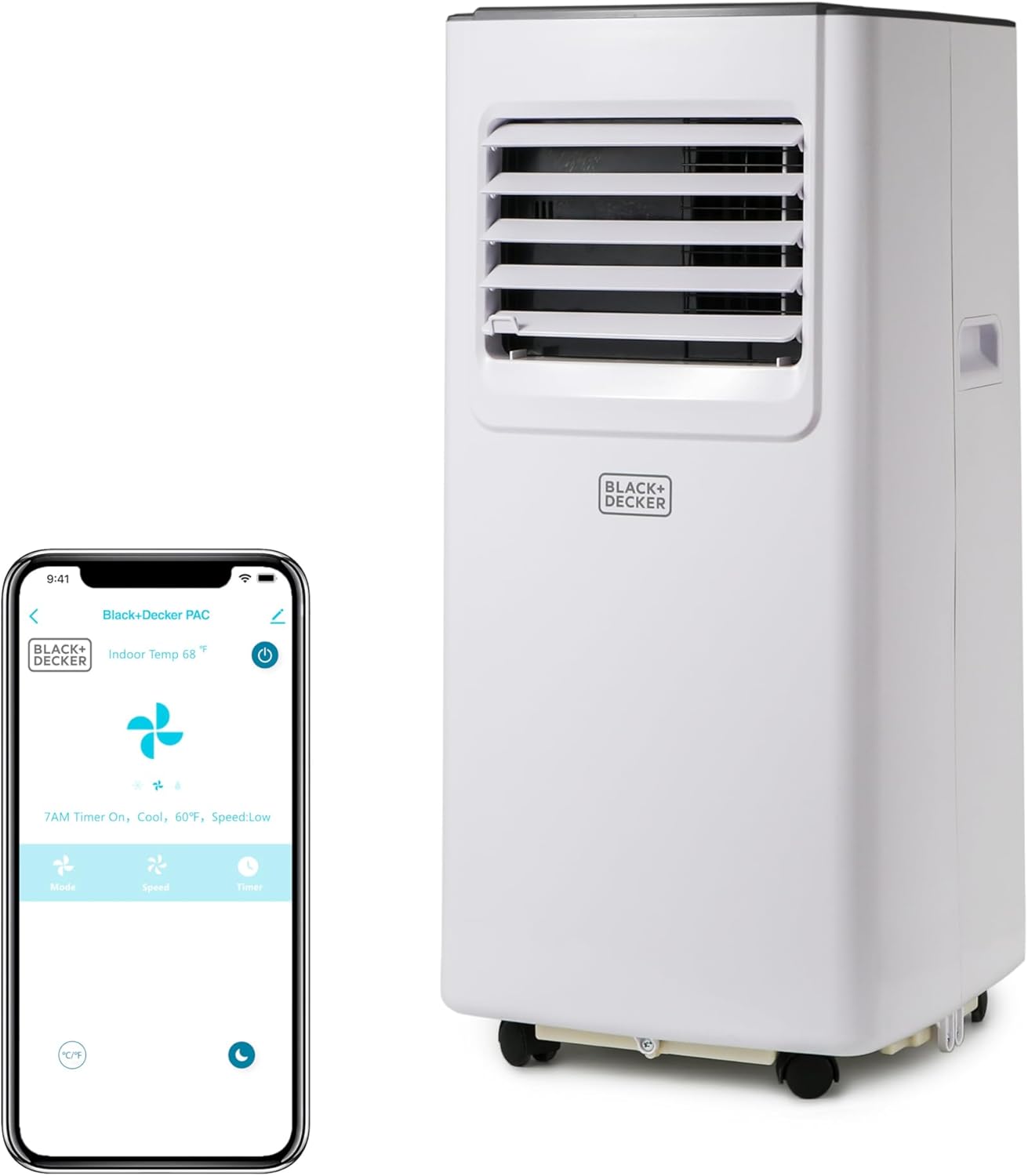
On the more budget friendly side, the Black Decker range, including the Decker BPACT series often written as Black Decker or decker bpact, offers accessible conditioners portable for smaller rooms. These Black Decker portable unit designs may have simpler smart interfaces, yet they still provide app based control of speed temperature and mode. For compact spaces or occasional use, a Serenelife SLPAC portable air conditioner can also be appealing, and multiple Serenelife SLPAC units with Wi Fi can cool several rooms while remaining easy to move and connect; understanding how the air con hose works in these designs is essential, and this overview of the role of the air con hose in portable air conditioners clarifies why hose routing strongly influences real world performance.
Installation, window kits and managing warm air effectively
Even the best portable air conditioners with Wi Fi will underperform if the installation is weak. A well fitted window kit is crucial, because any gaps allow warm air to leak back into the room and force the portable air conditioner to work harder. When a window kit seals properly, the air conditioner with a single or dual hose can maintain the desired temperature with fewer cycles and lower noise.
Most portable air conditioners ship with an adjustable window kit that suits common sliding or sash windows. However, not every installed window is standard, so users sometimes need to adapt panels or add insulation strips to keep air leaks under control. This is especially important for high BTU rating models, because their strong exhaust flow can pull outside air through even small openings, undermining the best portable performance.
Hose length and routing also shape how a portable unit behaves in daily use. A short, straight hose path helps move warm air outside efficiently, while long bends reduce airflow and can raise the speed temperature at the exhaust. For people who want a deeper technical explanation of drainage and hose behavior in conditioners portable systems, a detailed resource on the importance of a portable AC drain hose shows how condensate management, hose design, and window kit placement interact to keep a room cool and dry.
Smart features, noise levels and everyday usability
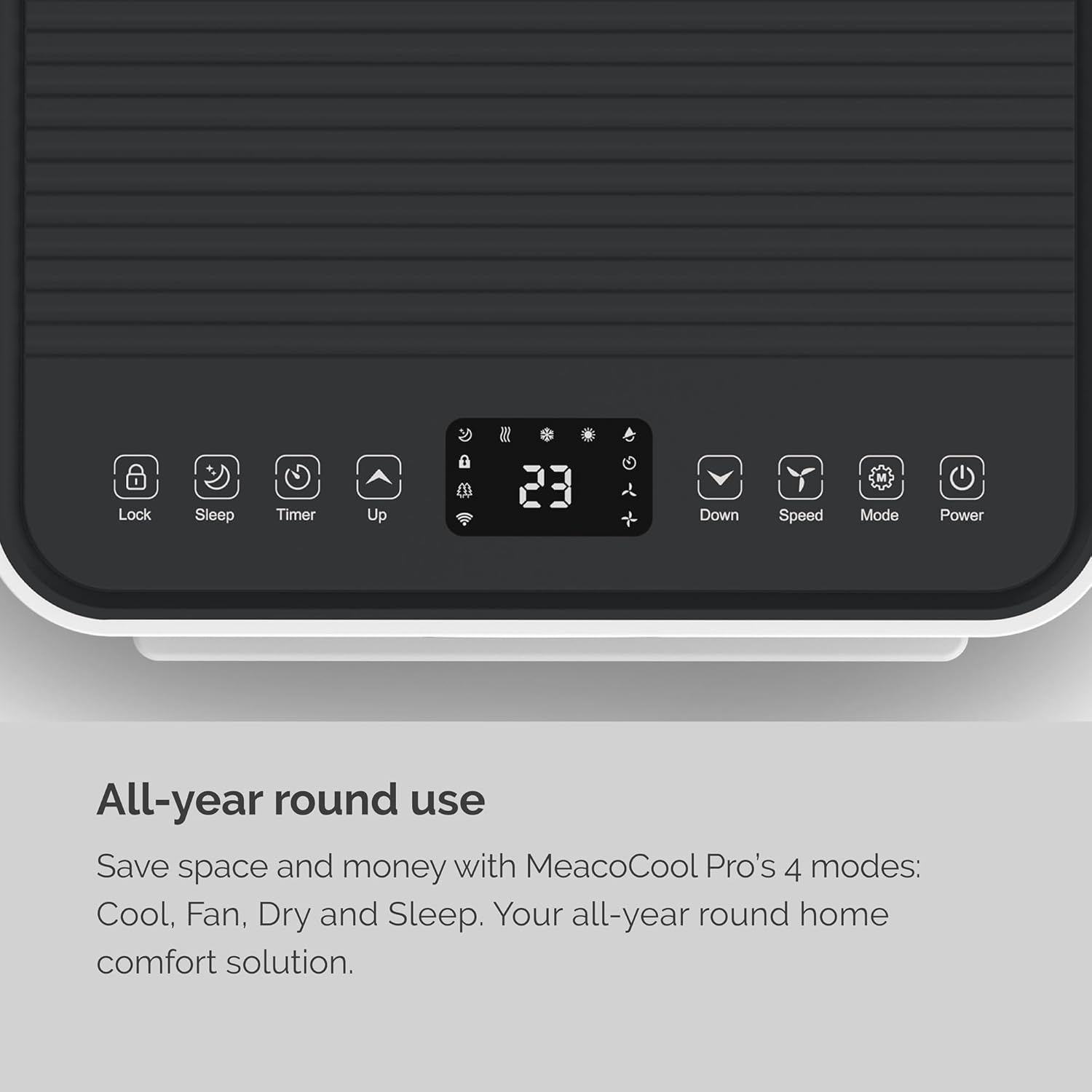
Smart features define the modern best portable air conditioners with Wi Fi, but everyday usability still depends on basics like noise and airflow. A portable air conditioner that roars at high fan settings may cool quickly yet feel intrusive in a bedroom or study. When comparing air conditioners, look for decibel ratings and user feedback that describe how the unit with high fan speed behaves in real rooms.
Wi Fi control can partly offset noise by allowing more precise scheduling and gradual cooling. For example, a Midea Duo or Whynter ARC portable unit can start cooling earlier at a lower speed temperature, so the room reaches comfort before you arrive and the conditioner will not need a loud high speed burst. In shared apartments, several air conditioners portable with smart scheduling can stagger their cycles, reducing the chance that all compressors start simultaneously and create a noticeable sound spike.
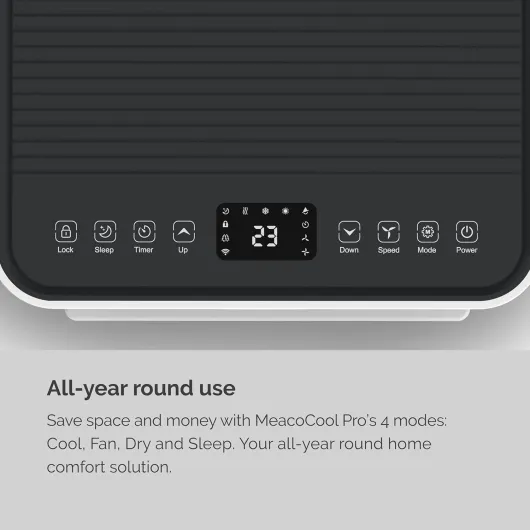
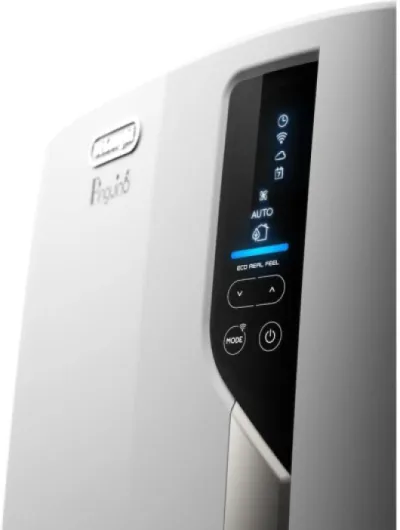
App design also influences whether a portable air conditioner feels genuinely smart. Clear icons, responsive sliders, and reliable connections make it easier to adjust temperature, mode, and fan speed without hunting for a remote in a dark room. Some Black Decker and Serenelife SLPAC models keep interfaces simple, while higher end Midea Duo or Whynter ARC units may offer more detailed energy readouts, map TBL style charts of usage, and alerts when filters need cleaning or when warm air patterns suggest the window kit requires attention.
Choosing the right portable unit for different rooms and needs
Selecting among the best portable air conditioners with Wi Fi means matching each portable unit to a specific room and lifestyle. A small bedroom with one installed window may only need a modest BTU rating conditioner with a compact window kit and quiet operation. In contrast, an open plan living area exposed to strong sun might justify a high capacity Whynter ARC or Midea Duo air conditioner that can move more air and handle persistent warm air.
People who rent or move frequently often favor truly portable air conditioners that roll easily and adapt to various windows. For them, a Black Decker BPACT or similar decker bpact model can be a best portable compromise between cost, cooling, and Wi Fi convenience. Those who work from home may prefer Serenelife SLPAC or comparable air conditioners portable that balance low noise, stable speed temperature control, and simple apps that keep distractions minimal.
It is also wise to think about how multiple air conditioners will interact across a home. Several portable air conditioners with Wi Fi can be grouped in a single app, allowing coordinated schedules that prevent one conditioner from fighting another by pushing warm air between rooms. When the right mix of BTU rating, hose layout, and smart control is chosen, the overall air quality improves, the room temperature stays steady, and each conditioner will operate closer to its designed efficiency, supporting both comfort and long term running cost control.
Key statistics about portable air conditioners with Wi Fi
- Average cooling capacity for popular portable air conditioners with Wi Fi typically ranges between 9 000 and 14 000 BTU, which suits many bedrooms and medium sized living rooms.
- Dual hose designs, such as those used in some Midea Duo and Whynter ARC models, can improve cooling efficiency by up to 20 percent compared with comparable single hose units in similar conditions.
- Field measurements in occupied homes show that a well sealed window kit can reduce unwanted warm air infiltration by more than 30 percent, significantly stabilizing room temperature.
- Noise tests on conditioners portable indicate that many modern portable air conditioners operate between 50 and 60 decibels on medium fan settings, which is comparable to a normal conversation.
- Usage data from smart air conditioner apps suggests that scheduled operation and remote control can cut unnecessary runtime by 10 to 25 percent, depending on climate and user habits.
Common questions about the best portable air conditioners with Wi Fi
Are portable air conditioners with Wi Fi as effective as window units ?
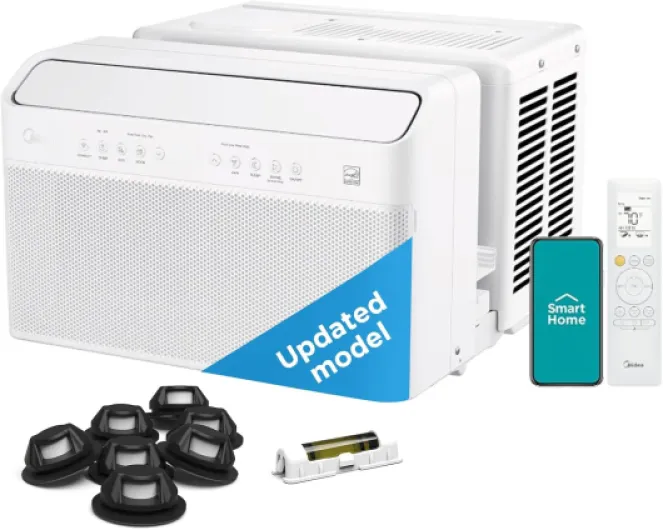
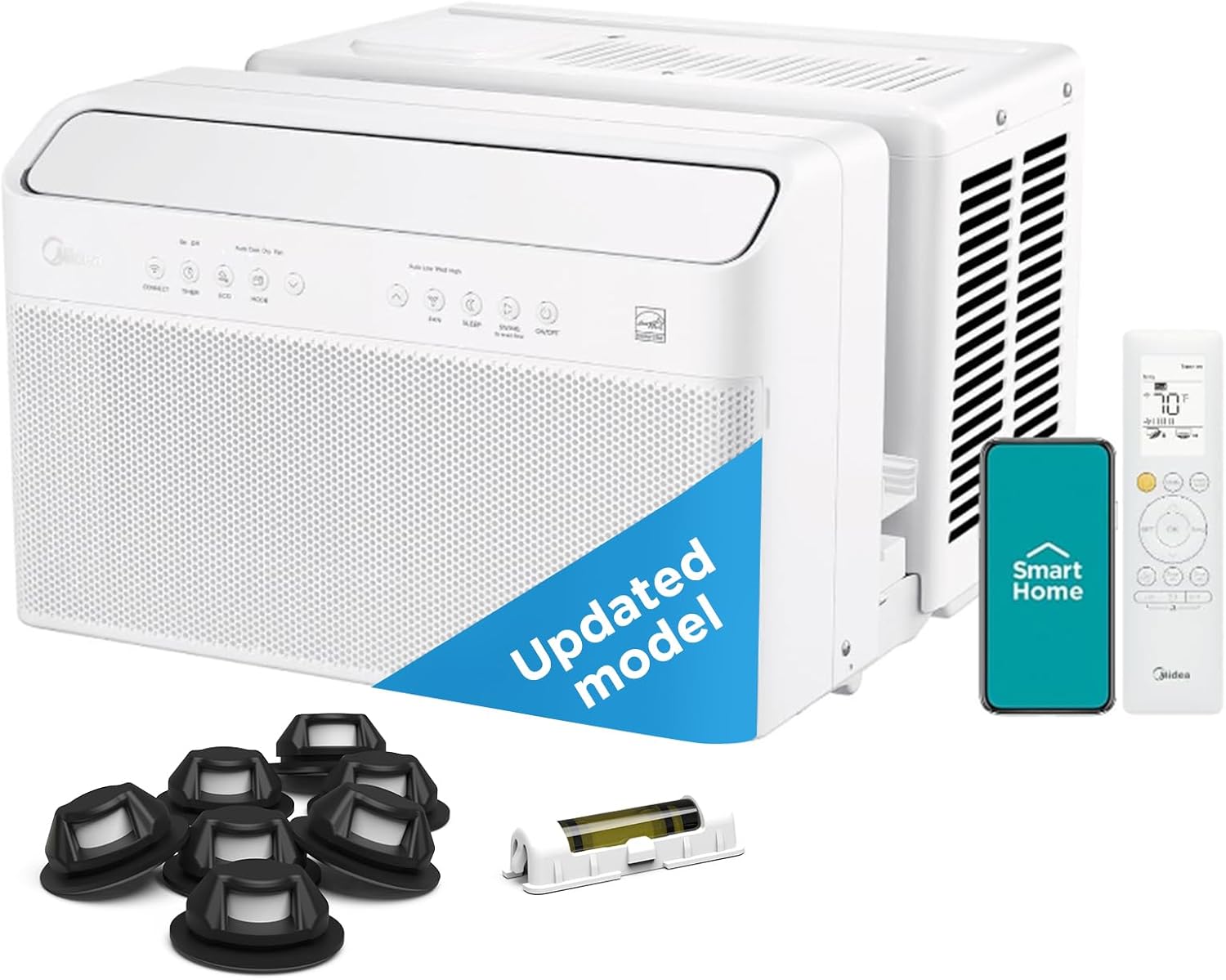
Portable air conditioners with Wi Fi can cool a room effectively when the BTU rating matches the space and the window kit is sealed carefully. Window units often have a slight efficiency edge because they sit fully in the opening, but a well installed portable unit with a good hose system can perform very close to that level. The key is to minimize warm air leaks and ensure the conditioner will exhaust air properly.
How important is BTU rating when choosing a portable air conditioner ?
BTU rating is central to matching a portable air conditioner to a specific room. If the BTU rating is too low, the air conditioner with Wi Fi will run constantly without reaching the target temperature, especially when sun and warm air loads are high. Oversized conditioners portable may short cycle, so using manufacturer room size charts as a starting point is usually wise.
Do dual hose portable units really cool better than single hose models ?
Dual hose portable air conditioners, such as some Midea Duo and Whynter ARC units, often cool more efficiently because they separate intake and exhaust air. This design reduces the negative pressure that can draw warm air from other parts of the home into the cooled room. While a well designed single hose portable unit can still perform well, dual hose systems usually maintain a more stable room temperature under heavy heat loads.
What maintenance do portable air conditioners with Wi Fi require ?
Maintenance for the best portable air conditioners with Wi Fi focuses on airflow and drainage. Filters should be cleaned or replaced regularly so the portable air can move freely through the unit with minimal resistance. Hoses, window kit seals, and any drain connections also need periodic checks to ensure the conditioner will keep exhausting warm air and moisture outside rather than back into the room.
Is Wi Fi control really useful on a portable air conditioner ?
Wi Fi control adds meaningful flexibility to portable air conditioners, especially for people with varied schedules. Being able to start cooling before arriving home, adjust speed temperature remotely, or coordinate several air conditioners portable across different rooms can reduce wasted energy and improve comfort. For many users, this convenience is what turns a basic portable unit into one of the best portable options for everyday living.

![10000 BTU Window Air Conditioners [2023] Remote Control WiFi App Ultra-Quiet Washable Filter Cools 450Sq.Ft for Medium & Large Room AC Unit air conditioner Easy Install White LW1017ERSM1 10000 BTU Wi-Fi Bright White](https://www.portable-air-conditioner-guru.com/storage/656419/conversions/616cF6zSYmL._AC_SL1500_-medium.webp)
![4-in-1 Portasplit Air Conditioner with Heat Pump, 12000 BTU 3.5kW, Only 39dB(A) in Silent Mode, Cooling A++/Heating A+, Smart WiFi Control, for Rooms up to 42m²/105m³ [Energy Class A++] White Midea Portasplit 12000 BTU](https://www.portable-air-conditioner-guru.com/storage/895575/conversions/71LclLP-L1L._AC_SL1500_-medium.webp)
![10000 BTU Window Air Conditioners [2023] Remote Control WiFi App Ultra-Quiet Washable Filter Cools 450Sq.Ft for Medium & Large Room AC Unit air conditioner Easy Install White LW1017ERSM1 10000 BTU Wi-Fi Bright White](https://www.portable-air-conditioner-guru.com/storage/656419/616cF6zSYmL._AC_SL1500_.jpg)