How to size cooling power and BTU for medium rooms
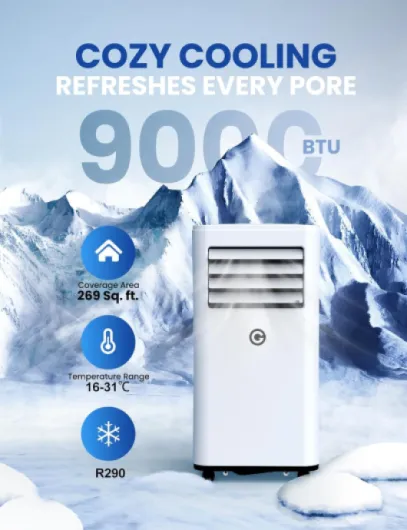
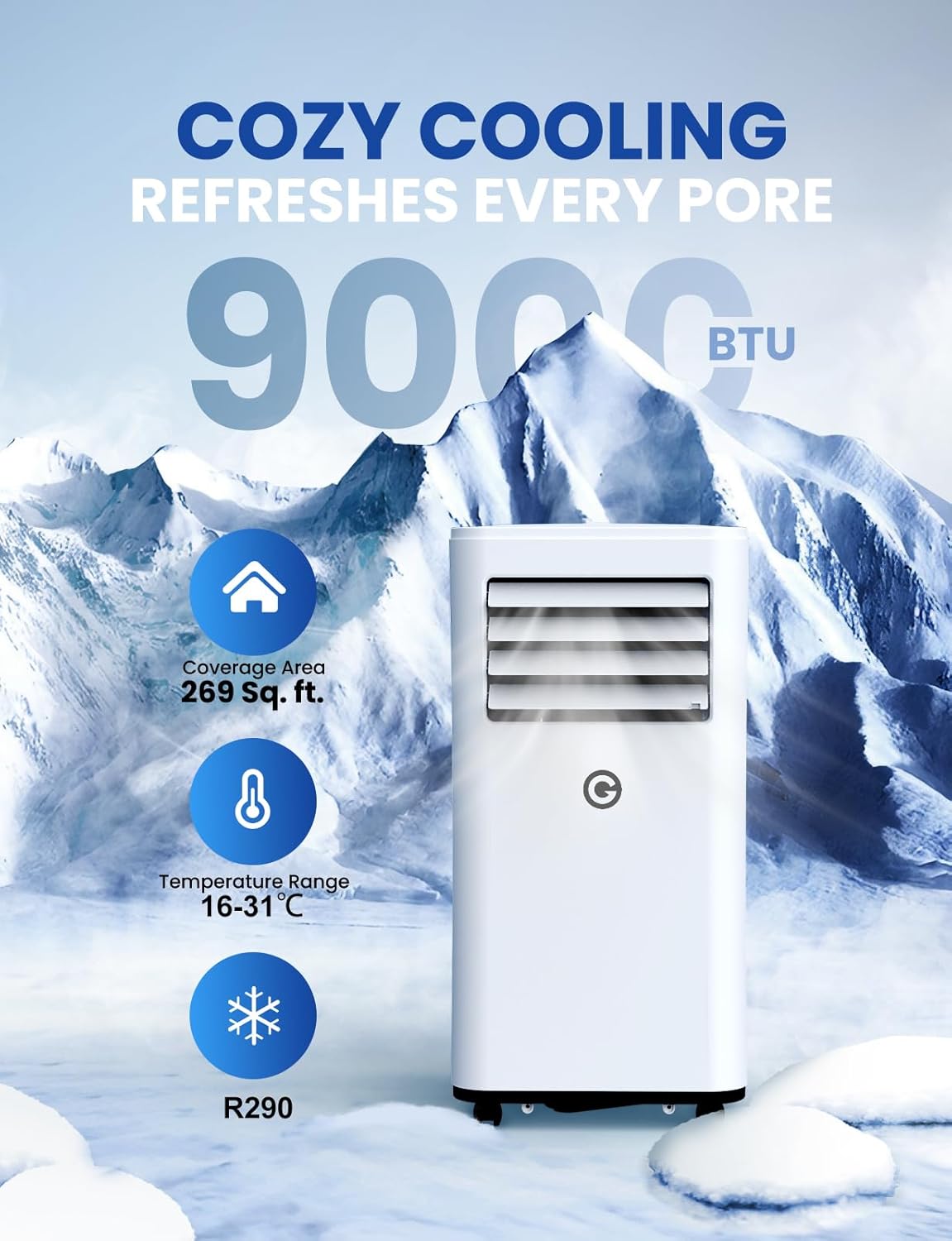
Choosing an appropriate portable AC for a medium room starts with a realistic BTU calculation rather than relying only on box claims. Manufacturers often suggest that one 9 000 BTU portable air conditioner can cool roughly 20 square metres, but this assumes average insulation, a standard 2.4 metre ceiling, and moderate sun exposure. In real apartments, high ceilings, large west‑facing windows, and heat from electronics can all increase the cooling load by 10 to 30 percent.
A simple sizing rule is to multiply the floor area by about 60 to 80 BTU per square metre (roughly 20 to 25 BTU per square foot), then adjust for conditions. For a 25 square metre room with a standard ceiling, many specialists recommend at least 10 000 BTU of cooling power, especially if the space includes a kitchen corner or several occupants. When the room is poorly insulated or faces west, moving to a 12 000 BTU portable unit can keep the air cool without forcing the compressor to run at maximum output all day. This approach reduces energy consumption and often extends the life of the air conditioner because the internal components cycle less aggressively and the average wattage draw stays lower.
Some premium portable air conditioner models, such as the Whynter ARC series, offer dual hose designs that maintain pressure balance and improve effective cooling performance. A dual hose portable AC system uses one hose to draw in outside air and another to expel hot air, which helps the unit avoid pulling warm corridor air into the room. Independent testing, including some Consumer Reports evaluations, suggests that dual hose designs tend to perform better in larger or more exposed rooms, although the advantage can be smaller in compact, well insulated spaces. In contrast, single hose portable ACs can create slight negative pressure, which may reduce real world cooling in larger floor areas and lower the effective Combined Energy Efficiency Ratio (CEER) compared with their rated figures.
Single hose versus dual hose and the role of dehumidifier functions
Among portable cooling options for medium rooms, the debate between single hose and dual hose designs matters more than many buyers expect. A single hose portable unit is usually cheaper and easier to move, but it exhausts hot air while drawing replacement air from gaps under doors or through walls. This replacement air often arrives warmer and more humid, which can make the air conditioner work harder to maintain a stable temperature and slightly increase hourly power consumption.
Dual hose systems, including some Whynter ARC portable air conditioner models, separate intake and exhaust flows to improve efficiency. One hose brings outside air across the condenser while the second hose removes hot air, so the room air stays more stable and the cooling power feels stronger for the same BTU rating. In practice, a 10 000 BTU dual hose air conditioner can perform similarly to a higher rated single hose unit in a 25 square metre room, especially when measured by delivered airflow and time to pull the room down by several degrees. However, the benefit is most noticeable in medium to large rooms with higher heat gain; in smaller, shaded rooms the difference may be modest.
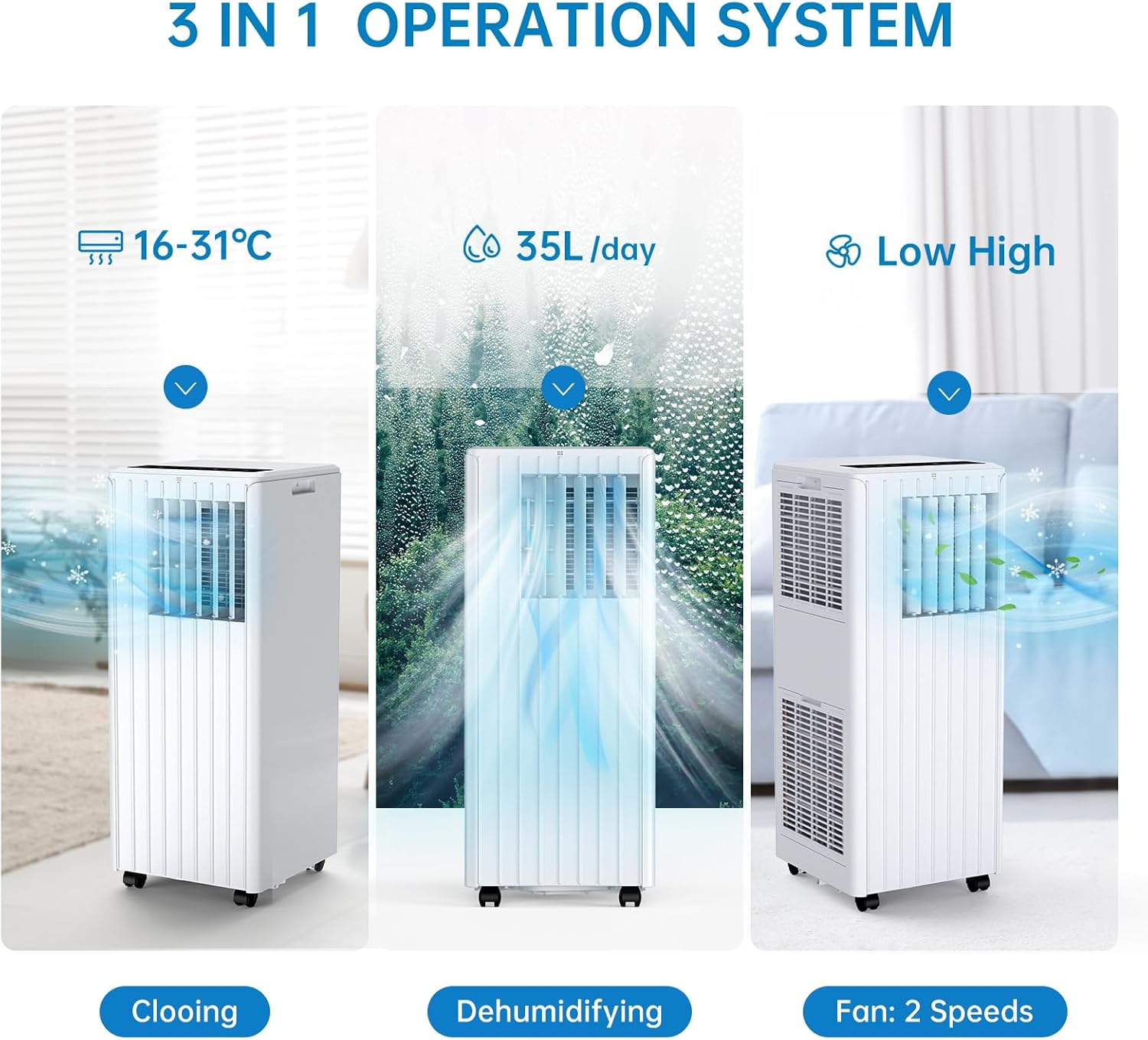
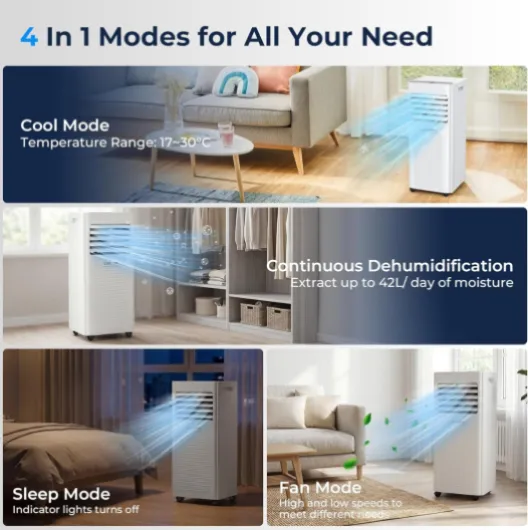
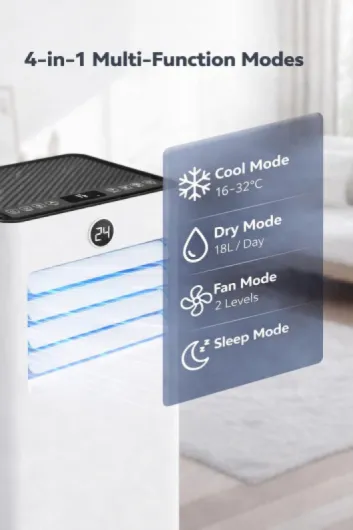
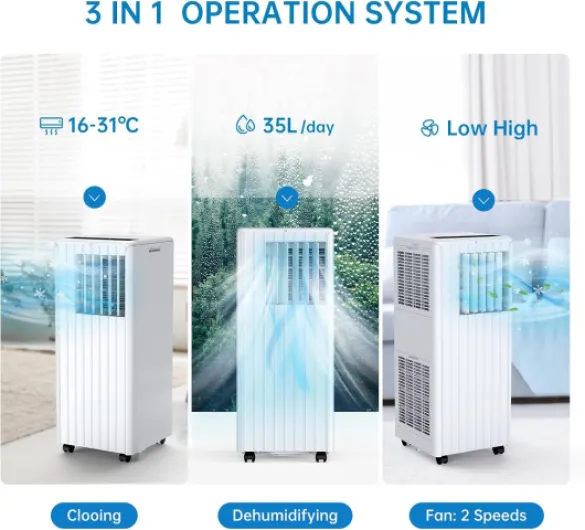
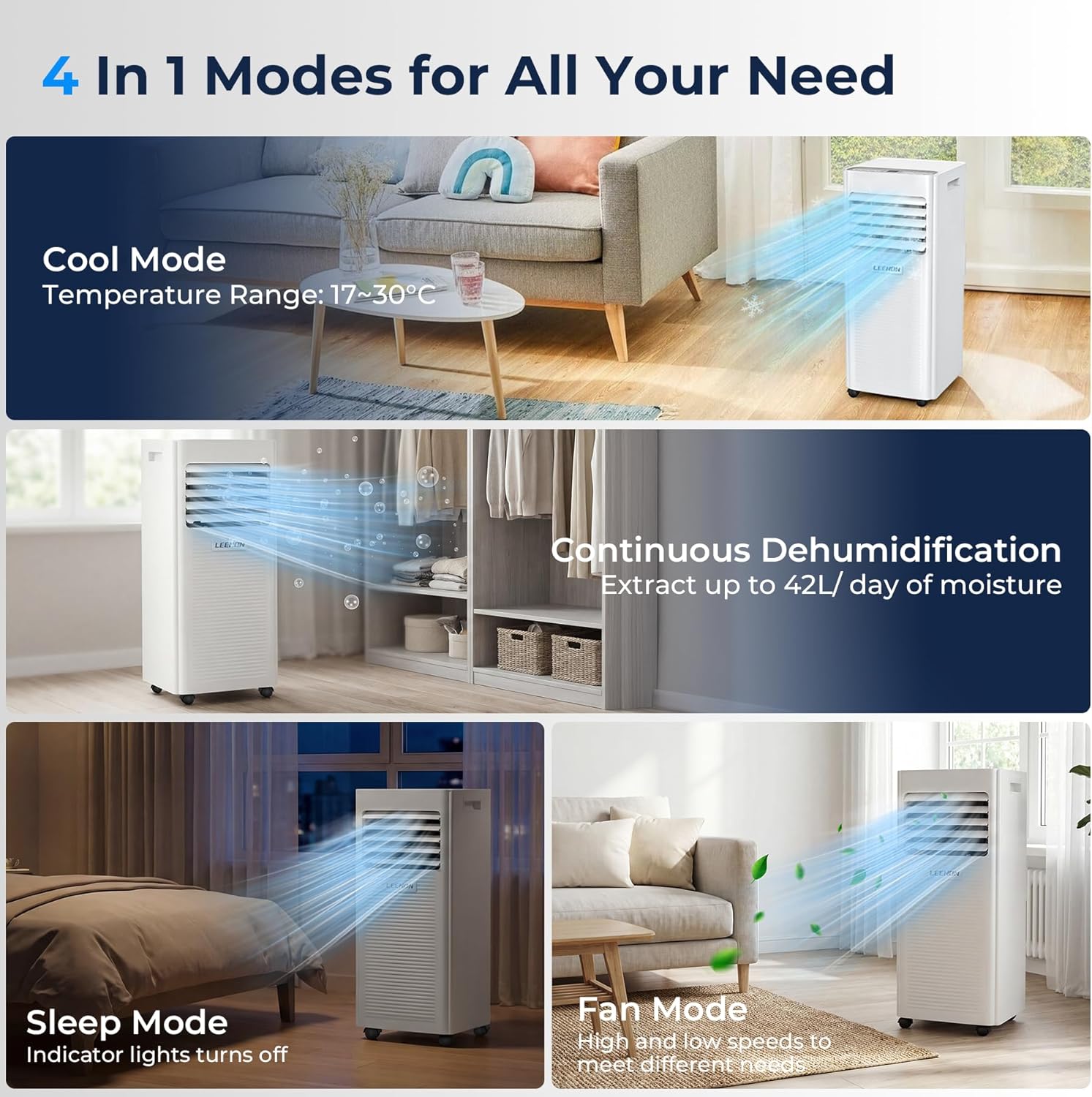
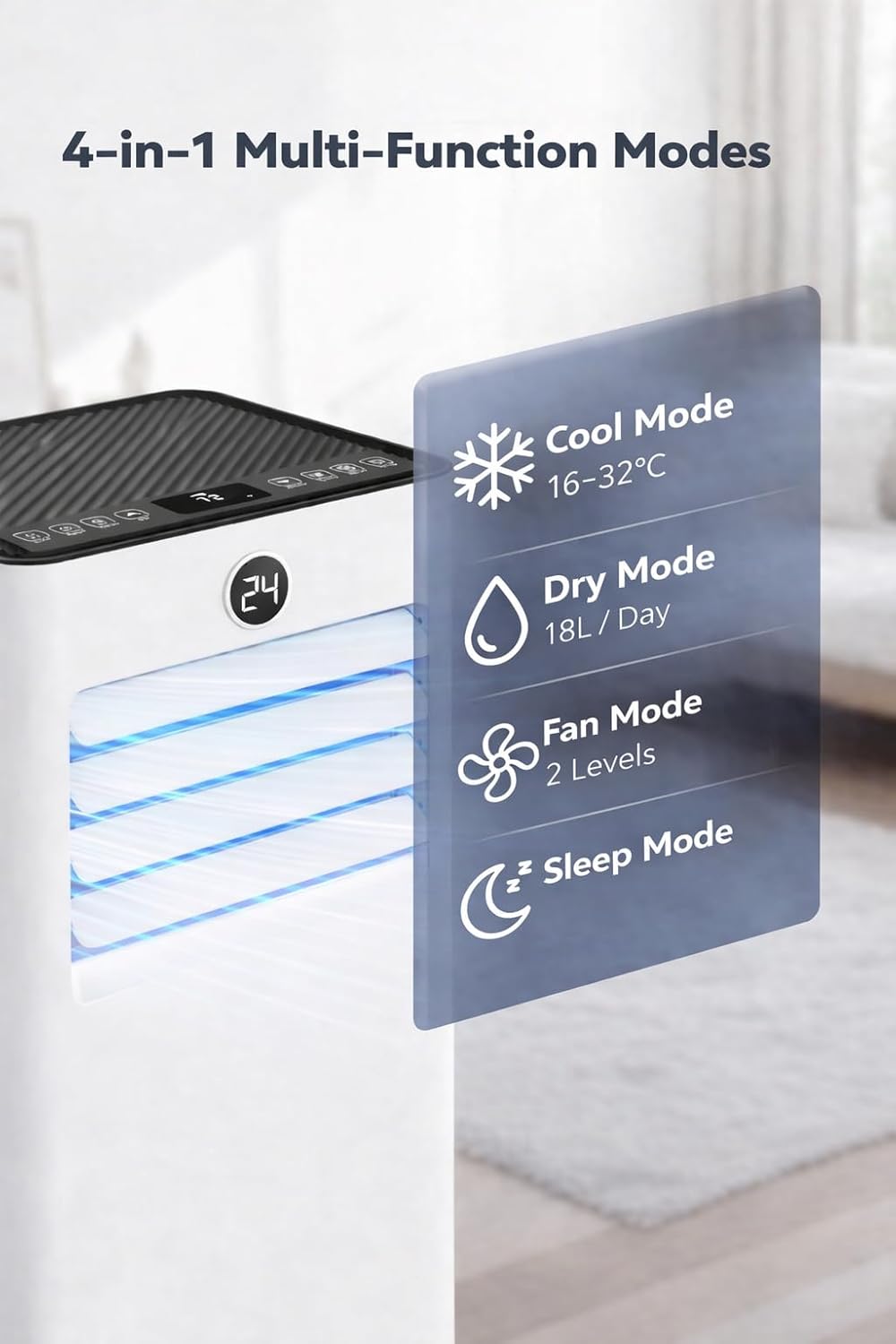
Many portable air conditioners now integrate a fan dehumidifier mode or a combined dehumidifier fan setting. In humid climates, running the portable air conditioner in dehumidifier fan mode before peak heat can dry the room and make later cooling feel more effective. A smart buyer checks whether the portable AC offers separate fan, cool, and dehumidifier functions, because this flexibility allows more precise control of comfort and energy consumption and can reduce the need for a standalone dehumidifier in a medium room.
Installation, window kits, and managing hot air exhaust
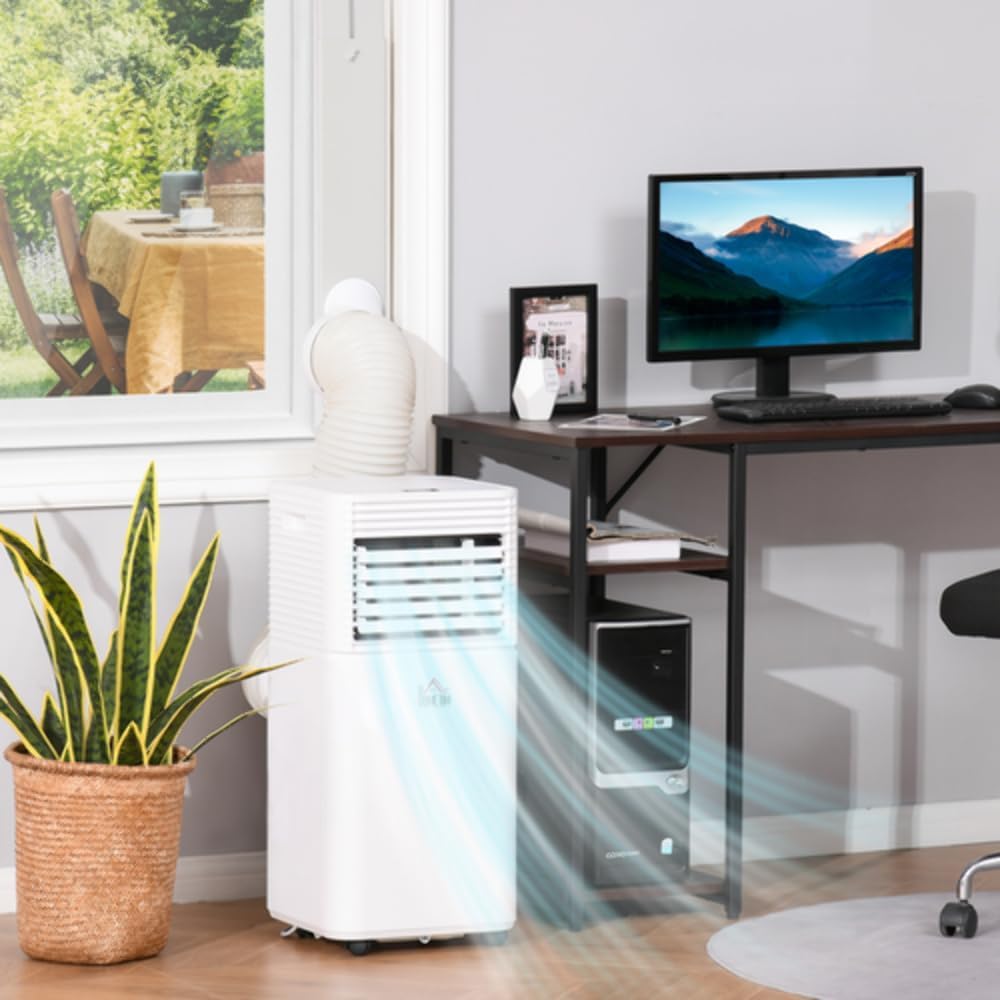
Even a highly rated portable air conditioner for medium rooms will underperform if the installation is careless. Every portable unit must send hot air outside through a hose, and any leak around the window kit will allow warm air to flow back into the room. This backflow forces the air conditioner to run longer, raising both noise and electricity bills and lowering the effective Energy Efficiency Ratio (EER) compared with laboratory test values.
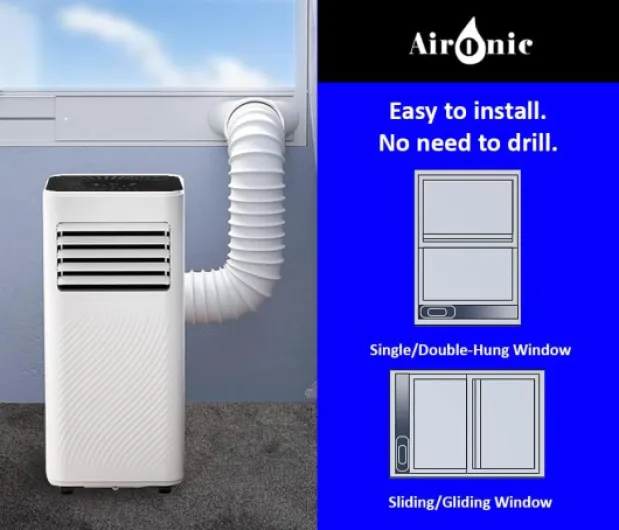
Most modern portable air conditioner models include an adjustable window air kit that fits sliding or sash windows. The kit usually consists of plastic panels that close the gap around the hose, plus foam strips to seal small openings and prevent insects or rain from entering. When the window frame is unusually wide, buyers sometimes need an extension kit or a custom board to maintain a tight seal and protect the conditioned air, particularly in rooms at the upper end of the medium size range.
Some premium portable air conditioners, such as dual hose “duo” smart systems, offer more advanced window solutions. These smart air conditioners may include quick connect panels that reduce installation time and help maintain the correct hose angle, which prevents kinks and improves airflow. Before you check price details or browse retailer listings, it is wise to measure the window opening carefully and confirm that the supplied kit will fit your specific room so that the rated BTU and airflow can be achieved in practice.
Smart features, noise levels, and running costs
For many buyers, the most appealing portable air conditioners for medium rooms are not only powerful but also quiet and connected. Smart air conditioners with Wi‑Fi or app control allow you to adjust temperature, fan speed, and mode from your phone. This smart control can reduce energy consumption by letting you cool the room only when needed instead of running the unit all day, and by using scheduling to take advantage of cooler night‑time temperatures.
Some duo smart models integrate voice control and scheduling, which helps align cooling with your daily routine. For example, you can program the portable air conditioner to start cooling thirty minutes before you return home, so the room feels fresh without wasting electricity during your absence. When comparing portable ACs, always look at the stated noise level in decibels and remember that a difference of about 3 dB is clearly noticeable in a quiet bedroom, while Consumer Reports testing often highlights models that stay closer to 50 dB on low fan speed.
Running costs depend on both the BTU rating and the efficiency of the portable air conditioner. A 10 000 BTU portable unit with a modern inverter compressor and a CEER around 7 to 8 can often use less electricity than an older 8 000 BTU model with a CEER near 5, because it modulates power instead of cycling on and off. When you check price information on Amazon or other retailers, compare not only the purchase price but also the estimated yearly energy consumption in kilowatt‑hours, especially if you plan to cool a medium room for several months each year.
How to compare prices, brands, and real world performance
Shoppers looking for the best value in portable air conditioners for medium rooms often start with online reviews and retailer rankings. Platforms such as Amazon provide thousands of user opinions on each air conditioner, but these ratings must be read carefully. Focus on comments from people cooling similar floor areas and using the unit in comparable climates, and note any measured noise readings or wattage figures they share.
When you check price details, pay attention to what is included in the box. Some portable air conditioner models ship with only a basic window kit and a short hose, while others include insulation foam, a remote control, and sometimes a drain hose for continuous dehumidifier fan operation. A slightly higher price Amazon listing may represent better value if it avoids buying extra accessories later and delivers a higher Energy Star certified efficiency level.
Brand reputation still matters in this crowded portable air market. The Whynter ARC line, for example, is often praised for strong cooling power and robust dual hose designs, while other brands emphasise ultra quiet fan modes or compact footprints for small room corners. In every case, the most suitable portable choice is the unit that matches your room size, window layout, noise tolerance, and budget rather than the highest BTU number on the box, and independent testing from organisations such as Consumer Reports can help verify those claims.
Key figures about portable air conditioners for medium rooms
- In many temperate regions, a 10 000 to 12 000 BTU portable air conditioner typically covers 20 to 30 square metres (about 215 to 320 square feet), which corresponds to most medium rooms in modern apartments when ceilings are around 2.4 metres high.
- Energy agencies often note that air conditioning can represent a noticeable share of household electricity use during hot seasons, so choosing efficient portable ACs with higher CEER ratings can significantly reduce annual bills.
- Independent lab tests and manufacturer data show that well designed dual hose portable air conditioners can deliver higher effective cooling efficiency than similar single hose units, especially in larger or more exposed rooms with high solar gain.
- Noise levels for portable air conditioners usually range between about 50 and 65 decibels at low to medium fan speed, which is comparable to a normal conversation at the lower end and a busy office at the higher end according to typical acoustic reference charts.
Trusted sources for further reading
- United States Department of Energy – guidance on room air conditioners, BTU sizing, and energy efficient cooling strategies.
- Energy Star programme – criteria, CEER thresholds, and product listings for efficient portable air conditioners.
- Consumer Reports – independent testing, measured noise in dB, and comparative reviews of portable air conditioners.
Example portable air conditioner comparison for medium rooms
| Model (example) |
Cooling capacity (BTU) |
Rated efficiency (EER/CEER) |
Noise level (dB, low–high) |
Typical price range |
Primary reference |
| Whynter ARC‑122DS dual hose |
12 000 BTU |
CEER around 7.2 (manufacturer and Energy Star data) |
Approximately 52–56 dB |
Mid to upper mid‑range |
Energy Star product listing and Consumer Reports tests |
| Typical 10 000 BTU single hose portable AC |
10 000 BTU |
CEER around 6–7 (varies by brand) |
Roughly 53–60 dB |
Lower to mid‑range |
Manufacturer specification sheets and DOE efficiency data |
| Energy Star certified 9 000 BTU smart portable AC |
9 000 BTU |
CEER typically 7.5 or higher |
About 50–55 dB |
Mid‑range |
Energy Star database and Consumer Reports reviews |
These example figures are based on typical values reported in United States Department of Energy resources, Energy Star product databases, and Consumer Reports summaries. Exact specifications vary by model and year, so always confirm BTU, CEER, and noise ratings on the current product label or retailer listing before buying a portable air conditioner for a medium room.

![10000 BTU Window Air Conditioners [2023] Remote Control WiFi App Ultra-Quiet Washable Filter Cools 450Sq.Ft for Medium & Large Room AC Unit air conditioner Easy Install White LW1017ERSM1 10000 BTU Wi-Fi Bright White](https://www.portable-air-conditioner-guru.com/storage/656419/conversions/616cF6zSYmL._AC_SL1500_-medium.webp)
![10000 BTU Window Air Conditioners [2023] Remote Control WiFi App Ultra-Quiet Washable Filter Cools 450Sq.Ft for Medium & Large Room AC Unit air conditioner Easy Install White LW1017ERSM1 10000 BTU Wi-Fi Bright White](https://www.portable-air-conditioner-guru.com/storage/656419/616cF6zSYmL._AC_SL1500_.jpg)