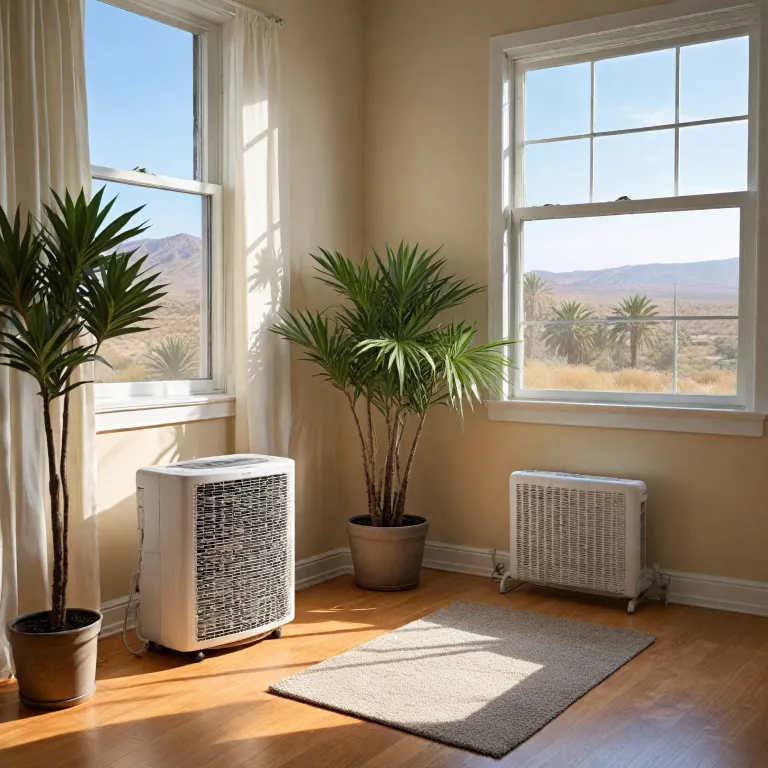
How evap coolers and air conditioners really work in hot weather
When people compare an evap cooler vs air conditioner, they are really comparing two very different cooling systems. An evaporative cooler relies on water and moving air to create evaporative cooling, while an air conditioner uses a closed refrigeration cycle and powerful conditioning systems. Both evaporative and air conditioning technologies can cool a room, yet they behave very differently in heat and humidity.
In an evaporative cooler, warm air passes through wet pads, and the water evaporates to produce cool air. This evaporative air process absorbs heat, which lowers the air temperature but also raises humidity in the environment. Because evaporative cooling depends on dry air to absorb more water, evaporative coolers are most efficient in hot, arid regions with low humidity and plenty of fresh air exchange.
By contrast, air conditioners pull indoor air across a cold coil, where a refrigerant absorbs heat and rejects it outdoors through conventional air condensers. These air conditioners remove both heat and moisture, which means the air conditioning effect reduces humidity and improves comfort in sticky climates. A portable air conditioner is a compact version of these cooling units, using ducts to exhaust hot air outside while recirculating conditioned air indoors.
When you weigh an evap cooler vs air conditioner, it helps to think about the physics behind each cooling system. Evaporative cooling systems work best with open windows and doors, while traditional air conditioning systems demand a more closed environment to keep cool air inside. Understanding these fundamentals will guide your choice between an evaporative cooler and an air conditioner for your specific space.
Comfort, humidity and air quality in real living spaces
Comfort in a hot room is not only about temperature; it is also about humidity, air quality and how the environment feels over several hours. An evaporative cooler blows a steady stream of fresh air across your skin, which can feel very cool when humidity is low and the air is moving quickly. However, as the water in the pads evaporates, the humidity in the room rises, and the cooling capacity of evaporative cooling systems gradually declines.
In a tightly sealed apartment, using an evaporative cooler or several evaporative coolers can make the air feel heavy and damp, especially during a heat wave. Because these cooling systems work best with open windows, they constantly pull in outdoor air, which may include pollen, dust or urban pollution that can affect indoor air quality. People with allergies or respiratory conditions often find that air conditioning and modern air conditioners with good filters provide cleaner cool air.
Portable air conditioners and other traditional air conditioning units remove moisture as they cool, which helps control mold growth and reduces that sticky feeling on hot days. These conditioning systems recirculate indoor air through filters, improving air quality while maintaining a stable temperature and humidity level. When comparing an evap cooler vs air conditioner, many users in humid climates report that air conditioning feels more comfortable even at slightly higher temperatures.
For renters and people in small homes, a portable air conditioner or compact air conditioners can be a practical compromise between comfort and flexibility. Detailed guides such as this overview of an AeonAir portable air conditioner explain how these cooling units manage heat and humidity in everyday environments. Thinking carefully about your local climate, your sensitivity to humidity and your air quality priorities will help you choose between evaporative air devices and traditional air conditioning.
Energy use, efficiency and carbon footprint of cooling options
Energy consumption is often the deciding factor when people evaluate an evap cooler vs air conditioner for long hot seasons. An evaporative cooler uses a simple fan and a small water pump, so its energy demand is usually far lower than that of most air conditioners. In dry climates, industrial evaporative systems and residential evaporative coolers can deliver impressive cooling capacity with a fraction of the electricity used by conventional air conditioning systems.
Because evaporative cooling relies on water rather than refrigerants, it can also reduce the carbon footprint associated with some traditional air conditioning technologies. However, these cooling systems do consume water continuously, which may be a concern in regions facing drought or water restrictions. When you run several evaporative coolers or a large industrial evaporative installation, the total water use can become significant over a long heat wave.
Air conditioners, especially older traditional air conditioners, can draw substantial power during peak heat, putting pressure on local grids. Newer air conditioning units, including inverter based air conditioners and smart cooling units, are more efficient and can cut energy use while still delivering strong cooling capacity. Detailed product tests, such as this review of a 10 000 BTU smart inverter window air conditioner, show how advanced conditioning systems can balance comfort and energy savings.
When you compare evaporative cooling and air conditioning from an environmental perspective, you must weigh electricity use, water consumption and refrigerant impacts together. In some industrial environments, industrial evaporative systems provide efficient cooling for large open spaces with relatively low energy use. In compact, well insulated homes, efficient air conditioners and portable air conditioner models may offer better control of heat and humidity with a manageable carbon footprint.
Installation, portability and how spaces shape your choice
The way a cooling system is installed has a major impact on performance, especially when you compare an evap cooler vs air conditioner in small or rented spaces. A portable evaporative cooler is usually light, easy to move and requires only a power outlet and a supply of clean water. Because evaporative coolers work best with open windows and doors, they suit patios, workshops and semi open rooms where constant fresh air is welcome.
By contrast, a portable air conditioner must be installed with an exhaust hose that vents hot air outside through a window kit or wall opening. These air conditioners perform best in a relatively closed environment, where cool air stays inside and hot air is expelled efficiently. If the exhaust is poorly installed or the room is too open, the air conditioning effect weakens and the cooling capacity drops noticeably.
For people who move frequently or live in small apartments, the portability of cooling units matters as much as raw power. A compact air conditioner on wheels can serve several rooms over a day, while a small evaporative cooler can follow you from balcony to bedroom as long as you can refill the water tank. Guides to quiet portable air conditioners, such as this list of top quiet portable air conditioners, help users balance noise, mobility and conditioning systems performance.
In larger homes, permanently installed air conditioning systems or ducted air conditioners may be more practical than multiple portable units. Industrial evaporative systems are often installed on roofs or walls to push cool air into big open halls, where traditional air conditioning would be costly and less efficient. Thinking about how open or closed your environment is, and how often you need to move your cooler or air conditioner, will clarify which technology fits your lifestyle.
Industrial, commercial and outdoor uses of evaporative and traditional air
Beyond homes and small offices, the comparison between an evap cooler vs air conditioner becomes even more complex in industrial and commercial settings. Industrial evaporative systems can move huge volumes of fresh air through factories, warehouses and sports facilities, delivering cool air across open floor plans. Because these evaporative cooling systems operate with doors and windows open, they are ideal where constant ventilation and high air quality are priorities.
In many industrial environments, traditional air conditioning would require massive cooling units and sealed buildings, which can be impractical or extremely expensive. Instead, industrial evaporative coolers are installed to wash hot air with water and reduce heat stress for workers and equipment. These conditioning systems may not lower temperatures as much as powerful air conditioners, but they can still provide a safer environment with lower energy use.
Outdoor restaurants, event venues and semi open markets often rely on portable evaporative coolers to make hot evenings more comfortable. Because evaporative air devices add humidity, they are less suitable for already damp coastal climates, where air conditioning and dehumidifying air conditioners perform better. In such locations, conventional air conditioning systems can maintain stable cooling capacity and protect food, electronics and furnishings from excess moisture.
For commercial operators, the choice between evaporative cooling and air conditioning is rarely absolute. Many facilities use a hybrid approach, combining evaporative cooler installations in open loading bays with air conditioners in offices and control rooms. Evaluating heat loads, humidity patterns and the carbon footprint of each cooling system helps businesses design efficient, resilient conditioning systems for varied spaces.
Practical checklist for choosing between evap coolers and air conditioners
When you stand in a store comparing an evap cooler vs air conditioner, a clear checklist can prevent costly mistakes. First, assess your climate honestly, because evaporative cooling thrives in hot, dry regions while air conditioning excels in hot, humid zones. If your summer evenings stay warm and sticky, an air conditioner or several air conditioners will usually provide more reliable comfort than one evaporative cooler.
Next, think about how open your environment is during the hottest hours of the day. If you can keep windows and doors open without security or noise issues, evaporative coolers and other evaporative air devices can deliver fresh air and cool air effectively. If you need a quiet, closed room for sleep or work, a portable air conditioner or other traditional air conditioning systems will maintain temperature and humidity more precisely.
Budget and running costs also matter, especially when energy prices and water availability are changing. Evaporative coolers are often cheaper to buy and run, but they require regular water refills and pad maintenance to keep their cooling capacity stable. Air conditioners cost more upfront and use more energy, yet efficient models and smart cooling units can reduce long term bills and carbon footprint.
Finally, consider health, noise and maintenance factors together rather than in isolation. People with asthma may prefer filtered air conditioning, while others enjoy the breeze and fresh air from evaporative cooling systems. By weighing climate, building design, energy, water, air quality and personal comfort, you can make a confident, informed choice between evaporative coolers and air conditioners for every space you use.
Key statistics on cooling, energy and indoor comfort
- Share of residential energy use attributed to air conditioning in many warm regions often ranges between 10 % and 20 %, depending on climate and building efficiency.
- Modern high efficiency air conditioners can consume up to 30 % less energy than older conventional air conditioning units of similar cooling capacity.
- In dry climates, well designed industrial evaporative systems may use up to 75 % less electricity than comparable traditional air conditioning systems serving similar floor areas.
- Indoor relative humidity between 40 % and 60 % is generally associated with better perceived comfort and lower risk of mold growth in conditioned spaces.
- Portable air conditioners typically offer cooling capacities from about 2,5 kW to 3,5 kW, which suits rooms of roughly 20 m² to 35 m² depending on insulation and solar gains.
Common questions about evap coolers and air conditioners
Is an evaporative cooler or an air conditioner better for very humid climates ?
In very humid climates, an air conditioner is usually the better choice because it removes moisture while it cools. Evaporative cooling adds water to the air, which can push humidity to uncomfortable levels and reduce the cooling effect. For coastal or tropical regions, air conditioners and other traditional air conditioning systems generally provide more stable comfort.
Can I use an evaporative cooler and an air conditioner in the same room ?
Using an evaporative cooler and an air conditioner in the same closed room is not recommended. The evaporative cooler adds humidity, while the air conditioner tries to remove it, so the systems work against each other and waste energy. If you want to combine them, use the evaporative cooler in an open or semi open area and keep the air conditioner for sealed indoor spaces.
How much water does an evaporative cooler use compared with an air conditioner ?
An evaporative cooler consumes water continuously because it relies on evaporation to create cool air. The exact amount depends on the model, pad size and local heat, but several litres per hour is common in hot conditions. Air conditioners do not use water in normal operation, although they do produce condensate that must be drained or collected.
Are portable air conditioners as efficient as installed split systems ?
Portable air conditioners are generally less efficient than well installed split systems because they often use a single exhaust hose and draw some warm air back into the room. However, they offer flexibility for renters and people who cannot install permanent conditioning systems. Choosing a model with good energy ratings and proper window sealing can narrow the efficiency gap.
What maintenance do evaporative coolers and air conditioners require ?
Evaporative coolers need regular cleaning of water tanks, replacement of pads and checks for mineral buildup to maintain efficient evaporative cooling. Air conditioners require filter cleaning, periodic coil inspection and professional servicing of refrigerant circuits to preserve cooling capacity and air quality. In both cases, consistent maintenance extends equipment life and keeps energy use under control.
