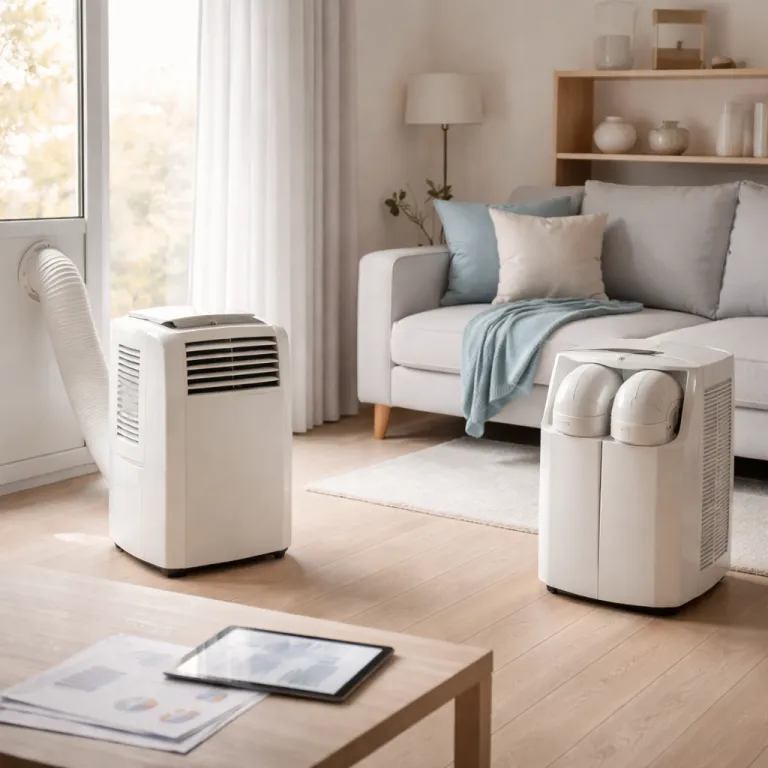
Why dual hose portable AC has overtaken single hose designs
For an urban renter, the dual hose portable AC is no longer a niche experiment. It is the logical response to tighter apartments, rising electricity prices, and the frustration of watching hot air leak back into a supposedly cool room. When you compare these units directly with any single hose portable air conditioner, the gap in real cooling power becomes impossible to ignore.
The core problem is physics, not marketing language about cooling or fan technology. A single hose portable unit pulls indoor air across its condenser, then dumps that hot air outside through the window kit, which forces negative pressure and drags replacement air in through every crack. That infiltration air often arrives as hot air from the hallway, bathroom vent, or neighbouring rooms, so the air conditioner keeps fighting the very heat it creates.
By contrast, a dual hose portable AC uses one hose to pull outside air across the condenser and a second hose to exhaust it, so the room air stays inside and actually gets cooler. This dual hose design sharply reduces negative pressure, which means the portable air conditioner can focus its cooling power on lowering the temperature instead of endlessly reheating replacement air. In practice, that makes a 10 000 BTU portable unit with a dual hose layout feel closer to a 12 000 BTU single hose model, especially in a sealed 20 square metre bedroom.
Manufacturers used to argue that single hose portable ACs were “good enough” for small rooms, but that was when dual hose units cost hundreds more. Price parity has arrived in the mid range, and models like the Midea Duo MAP12S1TBL show that an inverter portable air conditioner with a sophisticated hose design can sit under the psychological 500 euro line. When you read spec sheets carefully, you see that these dual hose units often carry better Combined Energy Efficiency Ratio (CEER) ratings and more realistic BTU claims than older conditioners.
Noise is another area where the dual hose portable AC has quietly pulled ahead. Because the compressor in many modern dual hose units is inverter driven, the fan and motor can ramp down once the room reaches the set temperature, which keeps the unit quiet enough for light sleepers. In a 15 square metre bedroom, that can mean the difference between a constant 60 decibel roar from older air conditioners and a more tolerable 50 decibel hum from newer hose units.
Urban renters also care about flexibility, and here the dual hose portable AC 2026 generation has matured. You can roll a single portable unit from living room to bedroom, plug it into a standard 230 volt outlet, and use the same window kit in two different rooms without drilling permanent holes. With a decent remote control and clear modes for cool, dry, and fan only, these air conditioners finally behave like serious climate tools rather than emergency gadgets.
Installation and venting: getting dual hose performance in a real apartment
Most complaints about portable air conditioners come from bad venting, not bad compressors. If you treat the hose as an afterthought, you guarantee that hot air will leak back into the room and erase much of the cooling power you paid for. The dual hose portable AC 2026 class rewards anyone who treats installation like a small building science project rather than a quick plug and play chore.
Start with the window kit, because that is where many portable ACs lose their edge. For a typical sliding or sash window, you want the panel cut to the exact width, with foam or weatherstripping sealing every gap around the hose openings and the frame. When the window kit is loose, the air conditioner effectively becomes a single hose unit, pulling outside air through those cracks instead of through the dedicated intake hose.
Hose length and routing matter just as much as the window seal. Keep each hose as short and straight as the manufacturer allows, because every bend adds resistance and reduces airflow, which in turn reduces the effective BTU portable capacity of the unit. If you must extend the hose, avoid cheap aftermarket hose portable extensions that narrow the diameter, since they can overheat the compressor and void warranties on some conditioners.
Some renters worry that dual hose units are harder to install than single hose models, and they are right by about five minutes. You have one extra hose to connect, one extra gasket to check, and a slightly busier window panel to align, but the process is still manageable for a single person with basic tools. Once installed, the daily experience is identical, except that the room actually cools faster and stays cool when the sun hits the glass at mid afternoon.
There is a persistent myth that single hose portable air conditioners are fine for bedrooms, yet that only holds in unusually sealed rooms. In most city apartments, the bedroom door has a gap at the bottom, the walls share vents with the bathroom, and the corridor is a reservoir of hot air that gets sucked in whenever the unit runs. That is why serious reviewers now argue that single hose portable ACs should be obsolete, and detailed analyses on sites that explain why single hose portable ACs should be obsolete in modern apartments make the case with measured data rather than opinion.
Remote control placement is a small but underrated part of installation. Many dual hose portable AC units use the remote as a thermostat, so leaving it on a bedside table instead of on top of the conditioner helps the system read the actual sleeping temperature. If you place the remote in the direct path of the cool fan airflow, the air conditioner will cycle off too early and leave the rest of the room warmer than you expect.
Choosing the right dual hose portable AC for your room and lifestyle
Picking the right dual hose portable AC is less about chasing the biggest BTU number and more about matching real cooling needs. For a typical 20 to 25 square metre living room with average insulation, a 10 000 to 12 000 BTU portable unit is usually enough, provided the hose design is efficient and the window exposure is not full west facing glass. If you live in a top floor flat with poor shading and constant sun, stepping up one size in cooling power can prevent the unit from running at full power all day.
Energy efficiency should be your second filter after room size. Look for models with an Energy Star style efficiency label or at least a clearly stated CEER above 8, because that indicates the air conditioner will waste less electricity while delivering the same cool air. Inverter portable compressors help here, since they can modulate power instead of cycling on and off, which keeps the unit quiet and reduces wear on internal components.
Noise and comfort features come next, especially for bedroom use. A dual hose portable AC with a low fan speed around 50 decibels at three metres will feel much more livable than a cheaper conditioner that never drops below 60 decibels, even if both share the same BTU rating. Sleep mode, dimmable displays, and gentle modes that cool without blasting air directly at the bed all contribute to a better night in a small room.
Brand and support matter more than flashy marketing claims about fast cooling or exotic modes cool. When you buy from a major manufacturer with local service, you are more likely to get spare filters, replacement hose units, and firmware updates for smart remotes years down the line. That long term support is worth more than a slightly lower price from an unknown conditioner Amazon seller with no service network.
Some readers will still be tempted by highly rated single hose portable acs on marketplace sites, especially when the price difference looks large. Before you click buy on any portable air conditioner Amazon listing, read the fine print about BTU testing standards, hose length, and whether the unit uses the newer DOE BTU rating or the older inflated numbers. In many cases, a well reviewed dual hose portable AC 2026 model with a realistic BTU figure will outperform a supposedly stronger single hose rival once both are installed in the same apartment.
If you want to understand how dual hose technology plays out in specific products, look at detailed guides that explain the benefits of a Whynter dual hose air conditioner and similar designs. These analyses break down how separate intake and exhaust paths reduce condensation issues, protect the compressor, and keep the cool fan airflow more stable over long runs. For an urban renter who moves every few years, that combination of durability and consistent cooling is often more valuable than any smart home feature or voice controlled remote.
Practical tips for living with and maintaining a dual hose portable AC
Once your dual hose portable AC is in place, small habits will determine whether it feels like a permanent climate solution or a noisy compromise. Start with airflow management inside the room, because even the best air conditioners cannot fix blocked vents or heavy curtains trapping heat around the window. Position the portable unit so that the cool air can sweep across the main seating or sleeping area without hitting obstacles in the first metre.
Filter maintenance is the simplest way to keep portable air conditioners efficient and quiet. Rinse or vacuum the intake filters every two to four weeks during peak season, especially in city flats with dust, pet hair, or nearby traffic pollution. A clogged filter forces the fan to work harder, which raises noise, reduces cooling power, and can eventually trigger error codes that shut the conditioner down on the hottest days.
Condensate management is the next piece of the puzzle, particularly in humid climates. Many dual hose portable AC units can evaporate most of the collected water through the exhaust hose, but they still rely on gravity and airflow to do the job. If you notice gurgling sounds, reduced airflow, or water alarms, check that the unit is level, the hose is not kinked, and the drain plug is accessible for manual emptying.
Energy habits matter as much as the Energy Star label on the box. Pre cooling a room by running the air conditioner on a moderate setting before the hottest part of the day uses less energy than blasting maximum power once the walls and furniture are already hot. Closing blinds, sealing obvious drafts, and using a separate quiet fan to circulate air can all let you run the portable AC at a lower setting without sacrificing comfort.
For renters who move often, portability and reusability of parts are key advantages of these units. Keep the original window kit, foam strips, and hose clamps in a labelled box so you can adapt the same portable unit to a new window style in your next apartment. If your new place finally allows traditional window air conditioners, you can still repurpose the portable air conditioner as a backup for heatwaves or for rooms that the central system does not reach well.
Anyone still curious about whether a compact single hose model might be enough can consult specialised guides to top compact single hose portable air conditioners, which explain where these simpler units still make sense. Those resources are useful for understanding trade offs, but they do not change the basic physics that favour dual hose designs in most modern apartments. In the end, what matters is not the hose count on the box, but the temperature drop at 3pm in August.
Key figures on portable and dual hose air conditioners
- In laboratory tests cited by independent reviewers, dual hose portable air conditioners have shown roughly 20 to 40 percent better real world cooling efficiency than comparable single hose units of the same nominal BTU rating, largely because they reduce infiltration air and negative pressure effects.
- Typical noise levels for modern inverter based dual hose portable AC units fall in the 50 to 55 decibel range on low fan speed at a distance of around three metres, while many older non inverter single hose conditioners measure closer to 60 decibels or more under similar conditions.
- For a well insulated 20 square metre room, a 10 000 to 12 000 BTU portable air conditioner is usually sufficient, whereas poorly insulated top floor flats with strong sun exposure may require stepping up to 14 000 BTU models to maintain similar indoor temperatures during peak heat.
- Energy efficiency ratings such as the Combined Energy Efficiency Ratio (CEER) for portable air conditioners commonly range from about 6 to 9, and choosing a dual hose unit with a CEER near the upper end of that range can reduce electricity consumption by roughly 20 to 30 percent compared with a less efficient model over a typical cooling season.
- Standard exhaust hose diameters for many portable AC units are around 12 to 15 centimetres, and keeping hose length within the manufacturer’s recommended maximum, often about 1,5 to 2 metres, helps preserve airflow and prevents significant drops in effective cooling capacity.
