Key buying criteria for quiet portable cooling at night
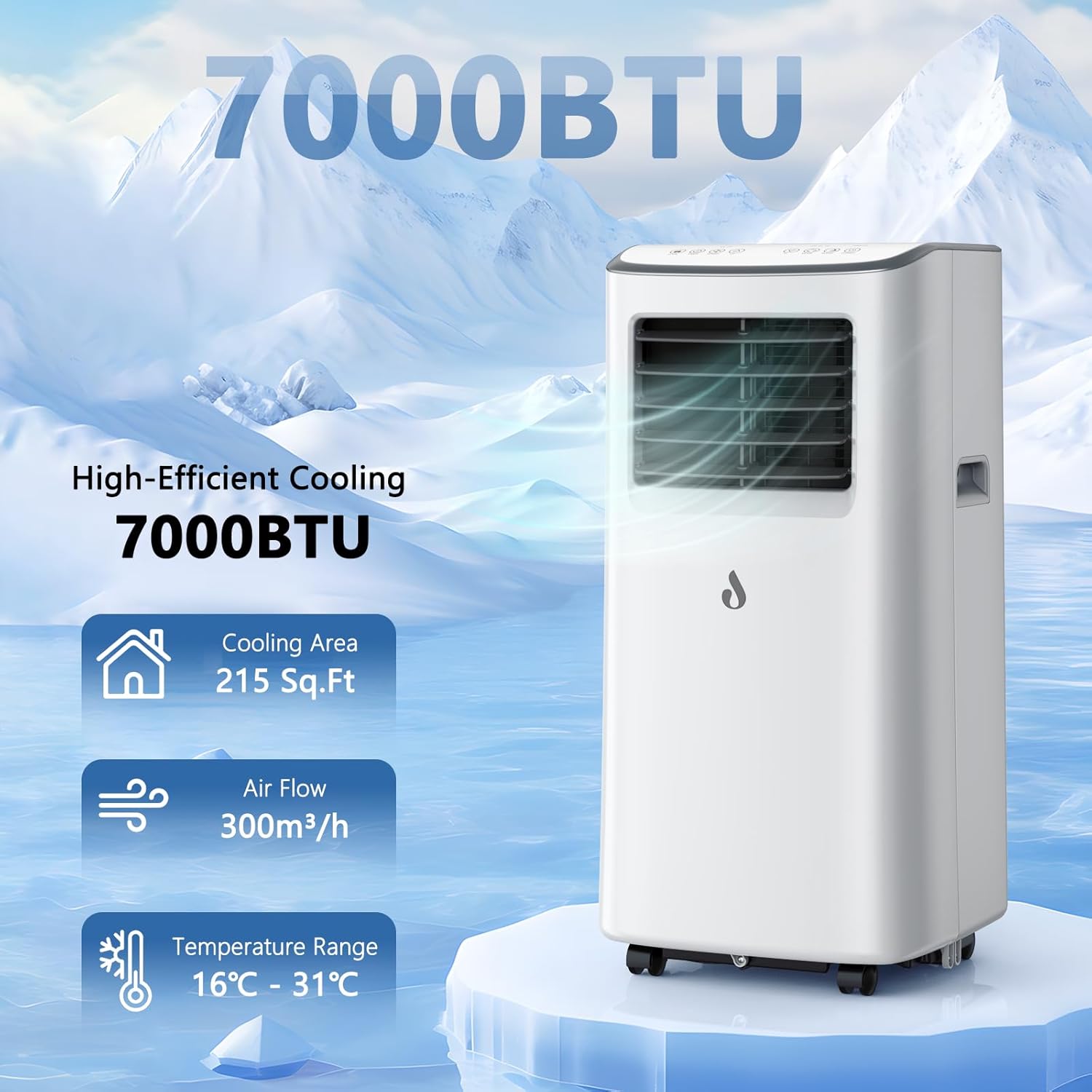
When evaluating the best portable air conditioners with sleep mode, start with cooling capacity and room size. Instead of focusing on watts alone, look at BTU ratings: around 5,000 to 8,000 BTU (roughly 1,500 to 2,300 watts of cooling) usually suits a small bedroom, while larger living spaces may need 10,000 to 12,000 BTU or more. If the conditioner is undersized it will run constantly and never reach the target air temperature, which makes sleep mode far less effective.
Noise level is the next critical factor, especially if you are sensitive to sound while sleeping. Look for air conditioners with published noise ratings below about 50 decibels in sleep mode, because this level is comparable to a quiet conversation and is usually acceptable in most residential settings. For example, several recent portable models tested by independent labs and listed in manufacturer spec sheets fall in the 47 to 51 decibel range at low fan settings, which many reviewers describe as a gentle background sound that fades into the room.
Energy consumption also matters when you plan to run a portable air conditioner for many hours every night. Inverter based air conditioners and dual hose designs typically cool more efficiently than basic single hose units, which can reduce long term electricity costs. Before placing any product orders, check the energy efficiency ratio or seasonal efficiency rating in the official documentation, and compare those figures with user reviews on major retailers, independent testing organizations, and trusted affiliate guides rather than relying only on marketing claims.
Comparing leading brands: Midea, Hisense, Black Decker, and Whynter
Several brands consistently appear in discussions about the best portable air conditioners with sleep mode, and each one targets slightly different needs. Midea offers the well known Midea Duo series, which uses a dual hose design to improve efficiency and reduce hot air infiltration from the window. Many air conditioner buyers appreciate that the Midea Duo portable models combine strong cooling performance with relatively low noise in sleep mode, and some reviewers in warmer states of the United States mention running them every night through long heat waves.
Hisense portable air conditioners often focus on value, offering solid performance at a moderate price point. A Hisense air conditioner may not always include the most advanced inverter compressor or app features, yet many users report that the sleep mode is quiet enough for typical bedrooms. When you compare Hisense conditioners with Midea Duo models, you will usually trade some efficiency and refinement for a lower upfront product cost, which can be acceptable if you only need seasonal use or a backup unit for guest rooms.
Black Decker and Whynter also play important roles in this market, especially for buyers who prioritize durability and specific features. Black Decker portable air conditioners are widely available, and their sleep modes are often praised in Google reviews for straightforward operation, although some models can be louder than premium competitors. Whynter specializes in higher end designs such as the Whynter ARC and related Whynter ARC dual hose conditioners, which are frequently recommended for demanding environments where continuous night time cooling and efficient air exchange through the window are essential.
Design details that shape night time comfort
Beyond brand names, the internal design of a portable air conditioner strongly influences how well sleep mode performs. Dual hose systems, such as those used in some Whynter ARC and Midea Duo air conditioners, draw and exhaust air separately, which helps maintain room pressure and reduces warm drafts from under doors. This design can make the perceived temperature more stable during the night, especially in tightly sealed rooms where a single hose conditioner might struggle.
The presence of an inverter compressor is another important design choice that affects both noise and efficiency. Inverter based portable air conditioners adjust their cooling output continuously, so the compressor does not repeatedly start and stop with a loud click, which many light sleepers find disruptive. When combined with a well tuned sleep mode, an inverter air conditioner can maintain a narrow temperature band while keeping fan speeds low, which is ideal for bedrooms and home offices used for late night work.
Airflow direction and window kit quality also deserve attention, because they influence how evenly the cooled air spreads through the room. A poorly sealed window kit can allow hot outdoor air to leak back inside, forcing the conditioner to work harder and making sleep mode less effective. When reading product reviews or affiliate buying guides, look for comments about hose flexibility, window compatibility in different housing styles, and the ease of installing or removing the kit without damaging frames or compromising privacy.
Practical setup tips for quieter and safer operation
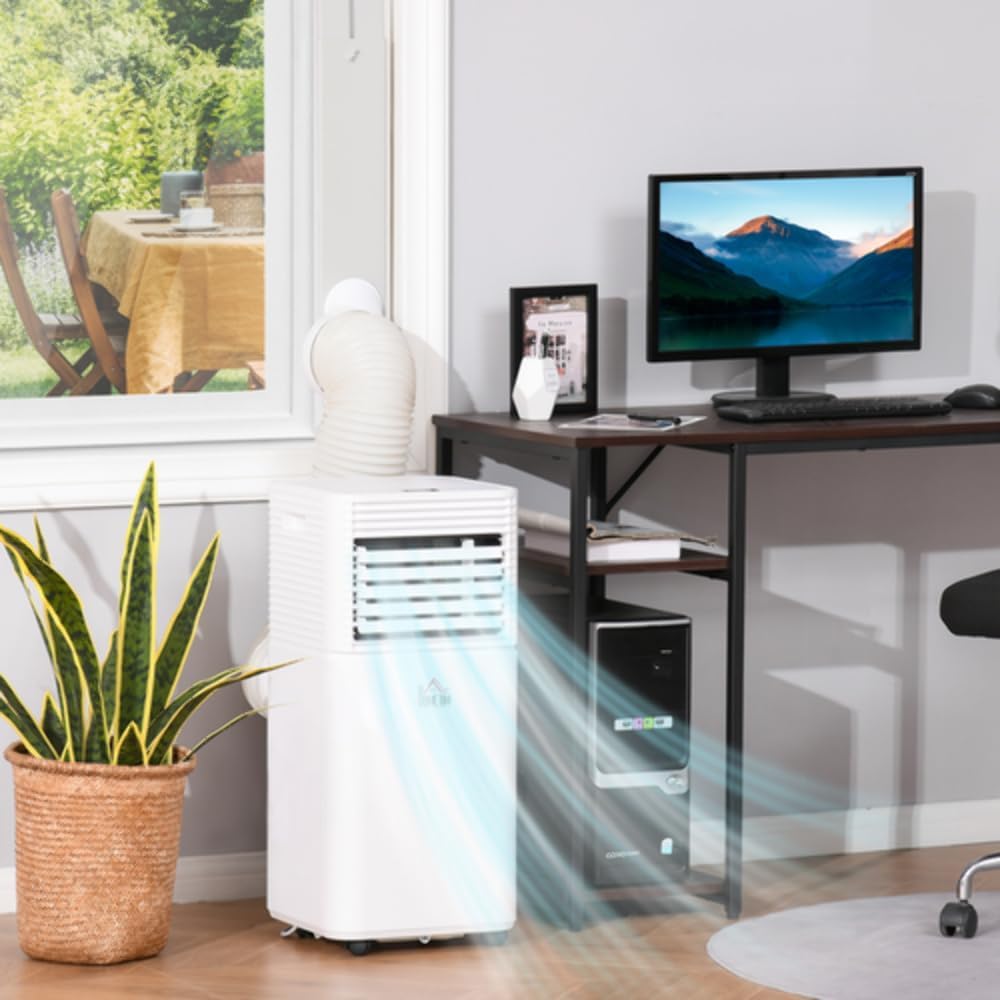
Even the best portable air conditioners with sleep mode will disappoint if they are installed carelessly. Position the portable air conditioner on a stable, level surface, ideally near a window that allows a short, straight hose run to minimize airflow resistance. If the hose must bend sharply or stretch too far, the conditioner will work harder, generate more noise, and may struggle to maintain the desired air temperature during the night.
Sealing the window kit properly is essential for both efficiency and privacy, especially in ground floor rooms facing busy streets. Use the supplied foam strips or compatible sealing materials to close gaps around the panel, because any leaks will let warm air and outdoor noise enter while cooled air escapes. In many climates, this careful sealing can significantly reduce the workload on the air conditioner, which in turn allows sleep mode to operate at lower fan speeds and quieter compressor levels.
Maintenance routines also influence long term performance and safety, particularly when you run the conditioner for many hours in sleep mode. Clean or replace air filters regularly, check the condensate drain or tank, and inspect the power cord for wear, especially in older buildings. Before placing new product orders or relying on affiliate recommendations, confirm that spare filters and accessories for your chosen air conditioners are readily available, because this will make it easier to keep the unit operating efficiently for several summers.
How to read reviews and avoid common buying mistakes
People searching for the best portable air conditioners with sleep mode often face an overwhelming number of options and marketing claims. To cut through the noise, focus on detailed Google reviews and independent lab tests that mention real bedroom use, night time noise, and long term reliability. Pay special attention to comments from reviewers who describe room size, climate, and whether they use the conditioner in a house or apartment, because these details help you match their experience to your own situation.
Be cautious with affiliate roundups that list many air conditioners without explaining trade offs between single hose and dual hose designs, or between basic and inverter based compressors. A carefully written product guide should clarify when a compact Black Decker portable air conditioner is sufficient, and when a more advanced Whynter ARC or Midea Duo model is worth the higher price. If a guide glosses over installation challenges, window compatibility, or the impact of different regional climates, treat its recommendations with skepticism.
Finally, remember that no portable air conditioner is perfect for every user, so define your priorities clearly before ordering. If you value the quietest possible sleep mode, you may accept a slightly higher price or a larger unit footprint, while someone else might prioritize portability between rooms or minimal impact on window views and privacy. By combining careful reading of reviews, an understanding of technical terms like inverter and dual hose, and awareness of your own room conditions, you can choose an air conditioner that genuinely improves your nights rather than adding new frustrations.
Key statistics about portable air conditioners and sleep comfort
- In many independent tests and manufacturer efficiency reports, portable air conditioners with inverter compressors use roughly 15 to 25 percent less electricity than comparable non inverter models when operated for extended night time periods, according to typical lab summaries and internal test data.
- Noise measurements for modern portable air conditioners in sleep mode often fall between 45 and 52 decibels at a distance of one metre, based on common spec sheets and third party sound tests, which is similar to a quiet residential street and significantly lower than older units that exceeded 60 decibels.
- Dual hose portable air conditioners, such as some Whynter ARC and Midea Duo models, can improve effective cooling efficiency by around 10 to 20 percent in tightly sealed rooms compared with single hose designs, because they reduce negative pressure and warm air infiltration.
- Consumer surveys frequently show that more than half of portable air conditioner owners use their units primarily in bedrooms, which explains the growing emphasis on refined sleep modes and quieter fan designs in recent product generations.

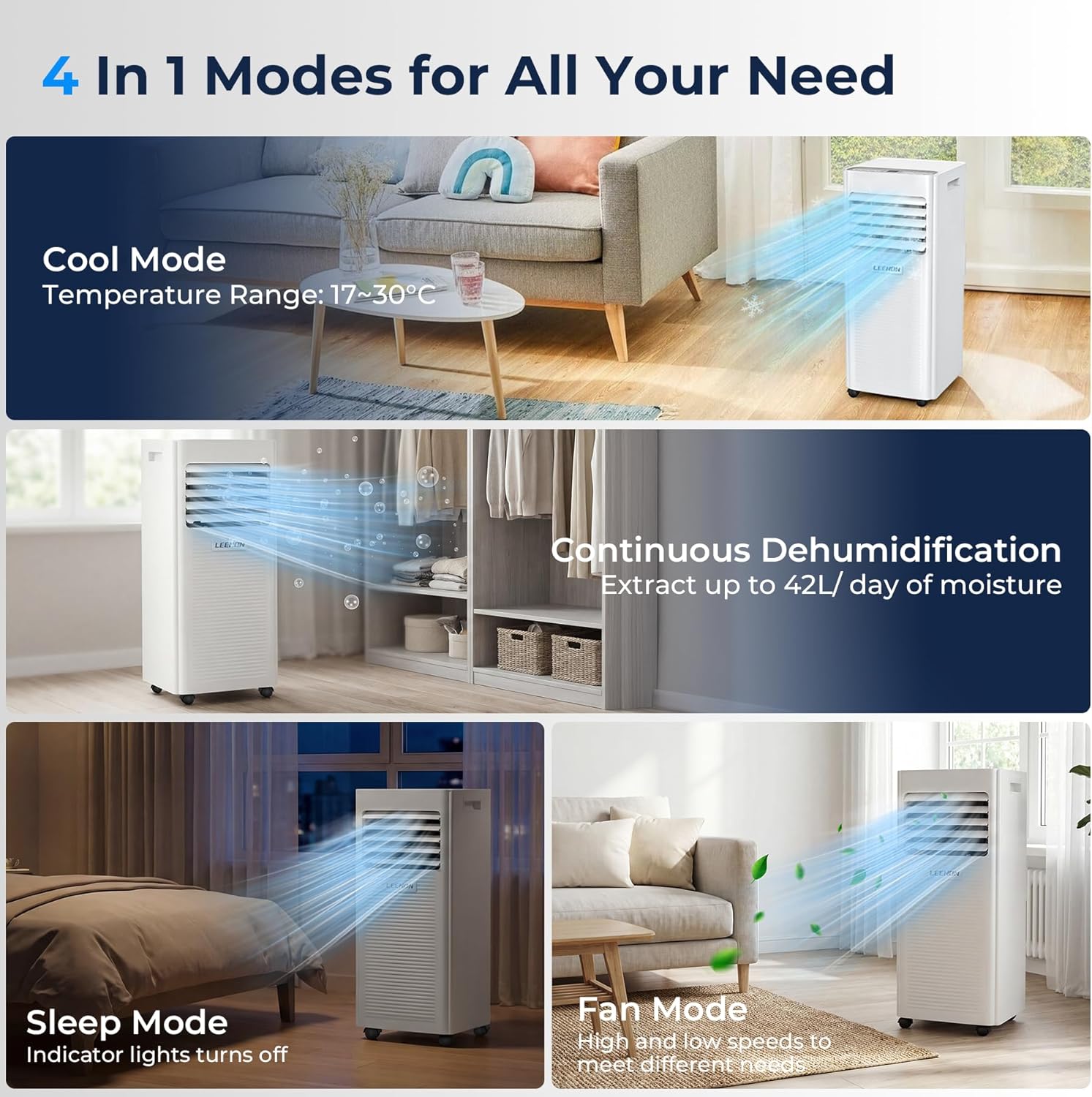
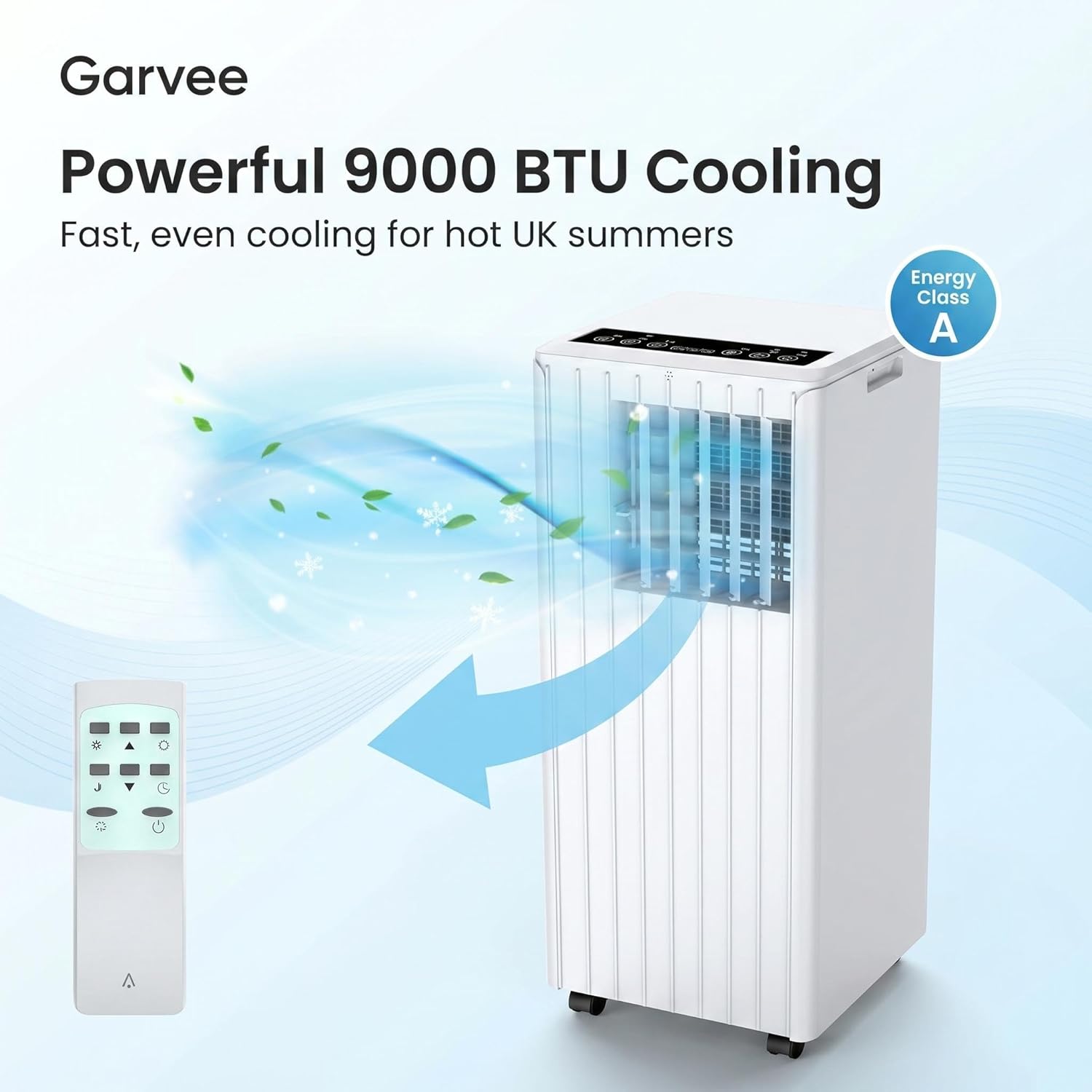
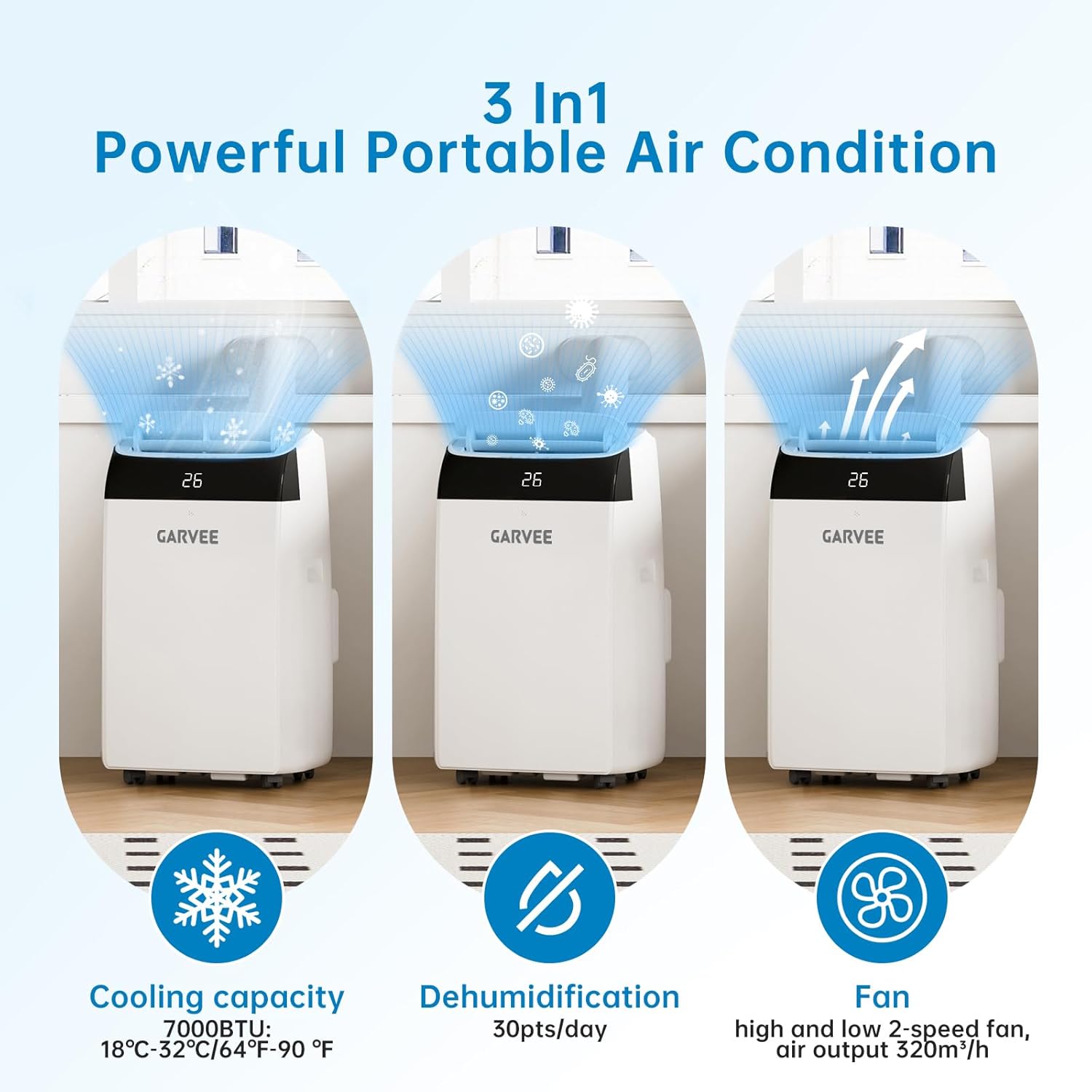
![9000 BTU Portable Air Conditioner, 3-in-1 AC Unit with Cooling, Dehumidifier, Fan, 2 Speeds, 24H Timer, Sleep Mode, Remote, Window Kit for Home & Office Up to 300sq.ft [Energy Class a] 9000BTU](https://www.portable-air-conditioner-guru.com/storage/926254/conversions/718vA9k-8fL._AC_SL1500_-medium.webp)