How freon for AC works inside portable air conditioners
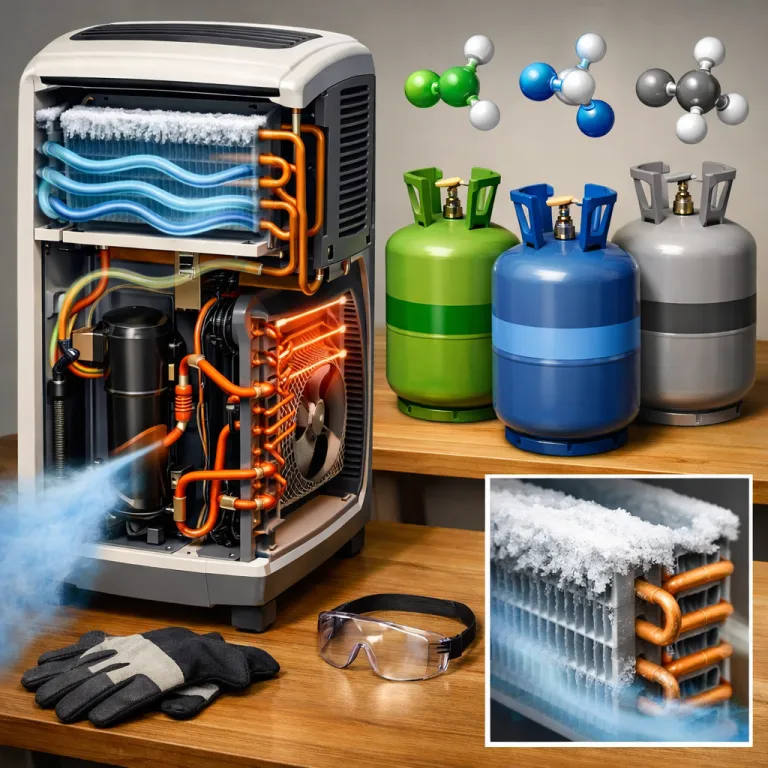
Freon for AC is often used as a catch all term for refrigerant. In a portable air conditioner, this refrigerant circulates in a closed refrigerant system that repeatedly absorbs indoor heat and rejects it outdoors. The air passing over the cold coil is cooled and dehumidified, then blown back into the room as conditioned air.
Inside the unit, the compressor raises the refrigerant from low pressure gas to high pressure gas, which is essential for efficient air conditioning. This compressed gas then moves through coils where a fan pushes warm air across them, allowing the system to release heat to the outside through an exhaust hose. After that, the refrigerant cools, condenses to liquid, and flows through an expansion valve that drops its pressure again.
That pressure drop turns the liquid into a very cold mixture that can absorb heat from the room air, which is why the air conditioner feels so effective on hot days. In both portable air conditioners and mini split systems, this refrigeration cycle is similar to what happens in a refrigerator freon circuit or a heat pump. Although people still say freon refrigerant, most modern conditioning units and HVAC equipment now use a different type refrigerant that has a lower environmental impact.
Because the refrigerant is sealed, a healthy freon system does not consume gas during normal operation. If a portable freon unit seems weak, a technician will first check airflow, filters, and control settings before suspecting a refrigerant leak. Only when those checks fail does a professional consider a recharge or deeper repair of the conditioning systems.
Choosing the right refrigerant type and understanding safety
When people ask about freon for AC, they usually mean any refrigerant used in air conditioners. However, each type refrigerant has specific pressure, temperature, and safety characteristics that determine whether it suits a particular air conditioning design. Portable air conditioner manufacturers specify the exact refrigerant type on the nameplate, and that label must guide every repair or recharge decision.
Older freon refrigerant blends were effective but contributed heavily to ozone depletion and global warming, which is why regulations now restrict their production and use. Newer refrigerant products used in portable conditioning units and car air systems are less harmful, yet they still require careful handling and proper refrigerant recovery. A trained HVAC technician will use certified equipment to capture recycled gas instead of venting it, protecting both indoor air and the wider environment.
Because refrigerant operates under high and low pressure conditions, an accidental gas leak can be dangerous for untrained users. Direct contact with liquid refrigerant can cause frostbite, and a large refrigerant leak in a small room can displace oxygen in the air. For that reason, any suspected freon leak in portable air conditioners, mini split units, or car air systems should lead to immediate ventilation and professional services.
Safety also depends on correct installation and maintenance of the refrigerant system, including secure flare joints, brazed connections, and properly tightened service valve caps. Modern portable units integrate sensors and an AC control panel that will sometimes shut the system down if abnormal pressures are detected. To understand these protections, owners can review detailed guidance on the AC control panel in portable air conditioners, which explains how alerts relate to refrigerant and system health.
Freon leaks, performance loss, and when recharge is justified
In a correctly sealed portable air conditioner, freon for AC should never need a routine recharge. When cooling performance drops, many owners assume the unit simply needs more refrigerant, yet a true refrigerant leak means the system has already failed somewhere. Adding gas without finding the leak only masks the problem and can damage the compressor by allowing low pressure operation.
Technicians start by checking symptoms such as icing on coils, hissing sounds, or oily residue that often accompanies a freon leak in conditioning systems. They may connect gauges to the service valve, measure both high and low pressure, and compare readings with the manufacturer’s specifications for that type refrigerant. If pressures are off and subcooling or superheat values are abnormal, the refrigerant system likely has a leak that requires careful location and repair.
Once the leak is found, the professional will repair the joint, replace damaged tubing, or change a faulty valve set, then perform a full refrigerant recovery. After evacuating moisture and air, they recharge the freon system with the precise mass of refrigerant listed on the air conditioner label. This process is similar for car air conditioning, mini split heat pump units, and larger HVAC conditioning units in homes.
For portable units, repair economics matter because labour and parts can approach the cost of a new product, especially if the freon unit is older. Before approving services, owners should ask for a written estimate that explains whether the refrigerant will be new or recycled and how long the repair warranty lasts. If the unit also has drainage or condensation issues, it may be wise to review guidance on the importance of a portable AC drain hose while considering the overall condition of the system.
Portable AC installation, valves, and the role of professional services
Even though many portable air conditioners are sold as plug and play products, their internal freon for AC circuit is as complex as any fixed system. The factory completes the refrigerant installation, charges the unit, and seals the refrigerant system so that owners never need to access internal valves. What the user installs is mainly the exhaust hose, window kit, and sometimes a condensate drain, which all influence how effectively the air conditioning performs.
Poor installation can cause the unit to recirculate hot exhaust air, forcing the compressor to run longer and raising energy use. When hot outdoor air leaks back into the room, the air conditioner struggles to reach set temperatures, which some people misinterpret as a sign of low refrigerant. In reality, the freon system may be perfectly intact while the problem lies in airflow, duct routing, or blocked filters.
Professional HVAC services become important when symptoms suggest a deeper fault, such as repeated tripping of overloads, unusual noises, or suspected refrigerant leak. A qualified technician will inspect electrical components, measure current draw, and verify that the compressor and fans operate within design limits. If they suspect a gas leak, they will use electronic detectors or dye to locate the freon leak before deciding whether repair is economically sensible.
Because portable units are relatively compact, some components are difficult to access without partial disassembly, which is another reason to avoid do it yourself refrigerant work. When repair is justified, the technician may replace a faulty valve, recharge the system, and test both heating air and cooling modes if the unit includes a heat pump function. For users who rely heavily on remote operation, it is also worth understanding how a remote control for a portable air conditioner interacts with thermostat settings and overall system efficiency.
Environmental impact, recycled refrigerant, and end of life decisions
Every discussion of freon for AC in portable units must address environmental responsibility. Even modern refrigerant types used in air conditioners, car air systems, and mini split heat pumps have a non trivial global warming potential. When a freon unit reaches the end of its life, proper refrigerant recovery and disposal are therefore essential steps.
Certified HVAC services use specialised machines to draw refrigerant out of the refrigerant system, separate oil, and store the gas for either destruction or use as recycled product. This process prevents an uncontrolled gas leak into the atmosphere and complies with regulations that govern handling of freon refrigerant and similar substances. Owners should never attempt to vent refrigerant themselves, because releasing even a small charge from portable conditioning units or car air conditioning systems can be illegal and harmful.
When choosing a replacement air conditioner, buyers can compare the type refrigerant used, its global warming potential, and the overall efficiency rating of the unit. Higher efficiency conditioning systems reduce electricity demand, which indirectly cuts emissions from power generation while still providing comfortable air in living spaces. In some markets, incentives encourage the purchase of efficient heat pump units that can provide both heating air and cooling from a single refrigerant circuit.
End of life decisions also include evaluating whether repair or replacement will deliver better long term value and lower environmental impact. If a portable air conditioner has a major refrigerant leak, a damaged compressor, and outdated refrigerant, replacing the product with a modern unit may be the more responsible choice. In all cases, working with reputable services that handle freon for AC according to best practice helps protect both indoor air quality and the wider climate.
Freon for AC in cars, mini splits, and other conditioning units
Although this article focuses on portable air conditioners, the phrase freon for AC also appears in discussions about car air systems, mini split units, and central HVAC. In each case, the refrigerant system follows the same basic cycle of compression, condensation, expansion, and evaporation to move heat from one place to another. The main differences lie in refrigerant type, component sizing, and how the air is distributed through ducts, vents, or direct discharge.
Car air conditioning operates in a harsh environment with vibration, temperature swings, and road debris, which can increase the risk of a refrigerant leak over time. When a driver notices weak cooling, a professional will inspect hoses, fittings, and the service valve set before performing any recharge. Quick fix cans sold as consumer product solutions may temporarily raise low pressure, but they can also introduce contaminants and mask an underlying freon leak.
Mini split heat pump systems share many design principles with portable air conditioners, yet they place the compressor and most refrigerant components outdoors. This arrangement reduces indoor noise and often improves efficiency, while still relying on a sealed freon system that should not lose charge during normal use. If a gas leak occurs, technicians again use refrigerant recovery equipment, repair the fault, and recharge with the exact mass of refrigerant specified for that unit.
Across all these applications, the core message remains that freon for AC is not a consumable like fuel but a working fluid that should stay inside the sealed circuit. When performance drops, owners should think in terms of system diagnosis rather than automatic recharge, whether the equipment is a portable air conditioner, a car air conditioner, or a larger HVAC installation. Responsible handling of freon refrigerant and its modern alternatives will continue to shape how we cool and heat buildings and vehicles in the years ahead.
Practical tips for owners of portable air conditioners using freon for AC
For people using portable air conditioners at home or in small offices, a few habits will help protect both comfort and the freon for AC inside the unit. First, keep filters clean so that air can flow freely across the evaporator coil, because restricted airflow can cause icing and misleading symptoms that resemble a refrigerant problem. Second, ensure the exhaust hose is short, straight, and well sealed at the window kit so that hot air does not recirculate into the room.
Owners should also pay attention to unusual sounds, odours, or visible mist near the unit, which could indicate a refrigerant leak or other fault. While a small amount of condensation water is normal, any oily residue on the casing or near vents deserves investigation by professional services. If the unit repeatedly shuts down on safety alarms, the control system may be responding to abnormal pressures or temperatures inside the refrigerant system.
When contacting an HVAC technician, provide details such as the model number, approximate age, and any previous repair or recharge history. This information helps the professional decide whether a targeted repair, such as replacing a valve or fixing a freon leak, will be cost effective compared with buying a new product. In many cases, a straightforward cleaning, airflow correction, and electrical check will restore performance without touching the freon system at all.
Finally, store and move the portable air conditioner carefully, keeping it upright to avoid oil migration inside the compressor, which can affect both heating air and cooling modes. If the unit has been tilted, allow it to stand for several hours before switching it on so that oil and refrigerant can settle correctly. Thoughtful operation, timely maintenance, and respect for the sealed nature of freon for AC will extend the life of portable conditioning units while maintaining safe, efficient comfort.
Key statistics about refrigerants and air conditioning
- Global air conditioning and refrigeration systems account for a significant share of electricity consumption worldwide, with cooling demand rising steadily as average temperatures increase.
- Modern refrigerants used to replace older freon blends can reduce ozone depletion potential to near zero, while still requiring careful management due to their global warming potential.
- Proper maintenance of air conditioners, including cleaning filters and ensuring correct installation, can improve energy efficiency by more than ten percent in many households.
- Professional refrigerant recovery and recycling programmes prevent large quantities of gas from being vented, significantly lowering the climate impact of end of life HVAC equipment.
Common questions about freon for AC in portable air conditioners
Does a portable air conditioner need freon recharge regularly ?
A portable air conditioner with an intact refrigerant system does not consume freon during normal operation. If cooling performance drops, the cause is usually airflow, installation, or control settings rather than low refrigerant. Only when a verified leak is repaired should a technician perform a precise recharge.
How can I tell if my portable AC has a freon leak ?
Warning signs of a possible refrigerant leak include weak cooling, ice on coils, hissing sounds, or oily residue near joints and panels. However, these symptoms can also result from dirty filters or poor exhaust installation. A professional HVAC technician should confirm any suspected freon leak with proper instruments.
Is it safe to use recycled refrigerant in my portable air conditioner ?
Recycled refrigerant that has been processed and certified to meet purity standards can be safely used by qualified technicians. The key is ensuring the recycled product matches the exact type refrigerant specified for the unit. Homeowners should never attempt to source or handle recycled gas themselves.
Can I replace my portable AC refrigerant with a different type ?
Changing to a different refrigerant type usually requires redesigning components such as the expansion valve, compressor, and heat exchangers. Because portable units are factory sealed products, such conversions are rarely practical or safe. In most cases, replacing the entire freon unit with a modern model is the better option.
What should I ask a technician before approving AC repair ?
Before authorising repair, ask the technician to explain the diagnosis, show where any refrigerant leak was found, and provide a written estimate. Clarify whether the refrigerant will be new or recycled and what warranty applies to both parts and labour. This approach helps ensure transparent, trustworthy services for your air conditioner.
