Single hose versus dual hose portable acs for quiet, efficient cooling
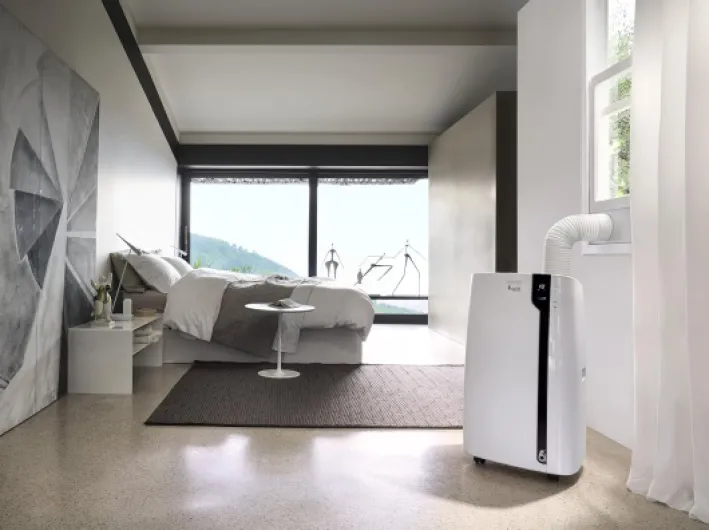
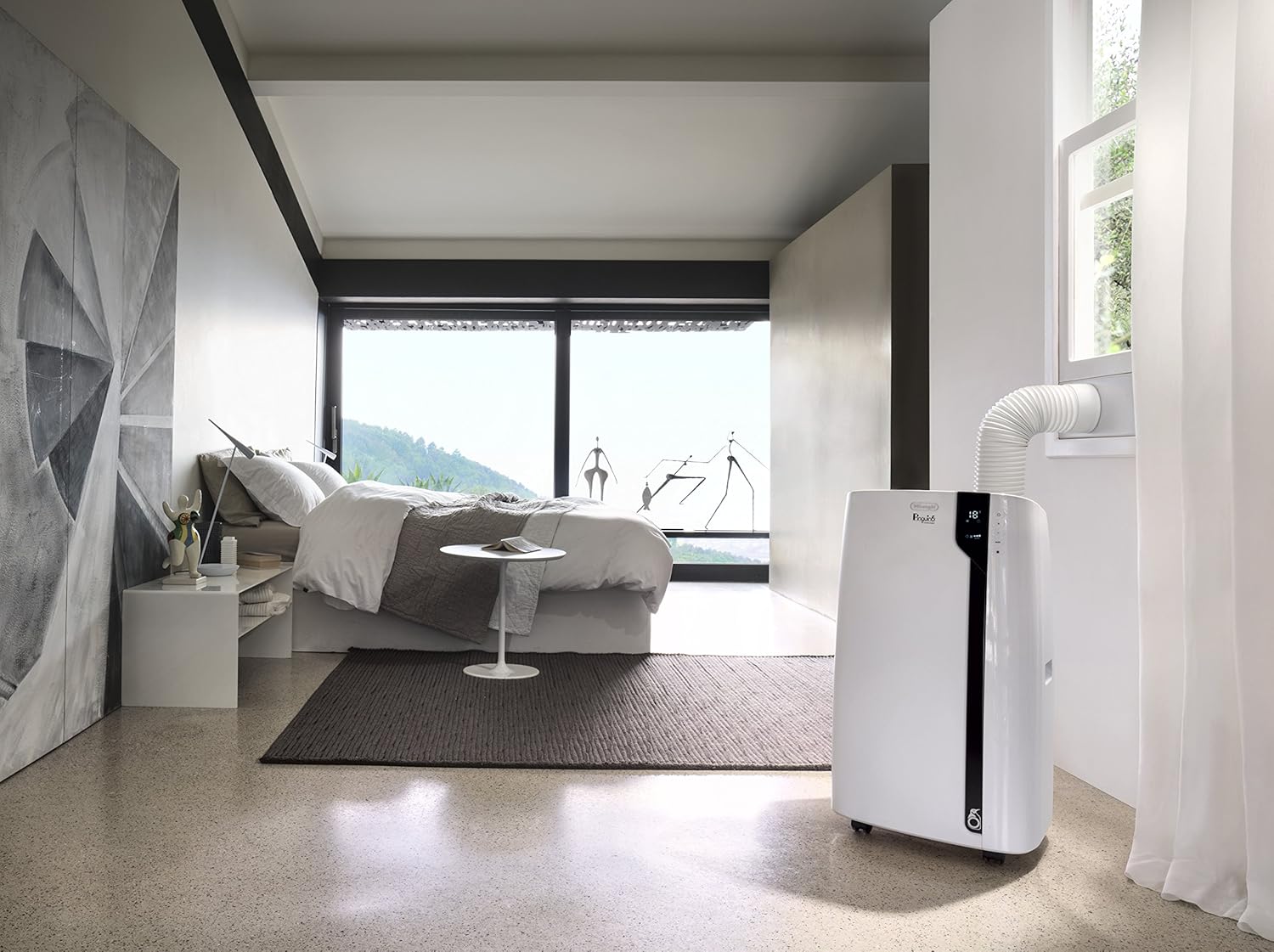
One of the most important design choices in the best energy efficient portable air conditioners is whether they use a single hose or a dual hose configuration. A single hose portable air conditioner pulls air from the room, passes it over the condenser, then pushes hot exhaust air outdoors through one hose portable connection in the window kit. Dual hose portable acs use one hose to draw outdoor air for the condenser and a second hose to expel hot air, which reduces negative pressure in the room and can improve both cooling efficiency and noise level, especially in tightly sealed modern flats.
In practice, a single hose portable unit is usually cheaper and easier to move, but it can draw warm outdoor air into the room through gaps under doors or around windows. That extra infiltration raises energy consumption because the conditioner must cool replacement air continuously, especially during heat waves. Independent laboratory tests referenced by Consumer Reports and similar organisations have found that dual hose air conditioners often achieve better energy efficiency and more stable room air temperatures, making them strong candidates when you want efficient portable cooling for larger spaces or open plan living areas.
Noise level also differs between single hose and dual hose designs, and this matters greatly if you plan to sleep near the portable air conditioner. Many dual hose models, such as some Whynter ARC series units, place more insulation around the compressor and fan, which helps keep the sound level lower at night. When you compare portable acs on Amazon or in physical shops, check both the decibel rating and user comments about fan noise at each cooling level, and note whether the figures are measured at a standard distance of about one metre in a controlled test room, because a quiet portable air conditioner encourages you to keep using its efficient settings instead of switching it off in frustration.
Key brands and models: from Whynter ARC to Midea Duo
Among the best energy efficient portable air conditioners, a few brands consistently stand out for serious buyers. The Whynter ARC line of portable air conditioners is well known for dual hose designs that balance strong BTU SACC ratings with relatively low energy consumption in real homes. Many Whynter conditioners include a high quality window kit, a programmable thermostat, and a multi speed fan that lets you fine tune both cooling and noise level for each room.
The Midea Duo series takes a different approach by using an integrated hose system that sits more neatly in the window opening while still acting like a dual hose design. A Midea Duo portable air conditioner typically offers impressive energy efficiency because it can modulate compressor speed, which reduces power spikes and keeps the air temperature more stable. When you pair that variable speed compressor with an Energy Star rating and a precise remote control, you get a portable unit that can cool a bedroom or office quietly without wasting energy during mild evenings.
To make these differences easier to use in real life, consider a simple comparison of typical specifications for popular efficient portable models tested by Consumer Reports and similar reviewers. The figures below are illustrative ranges based on manufacturer data sheets and published test summaries, not exact measurements for a single unit, and the efficiency values are expressed as approximate COP rather than EER to avoid confusion between units:
| Model example |
Type |
BTU (SACC) |
Approx. COP |
Noise (low / high) |
Weight |
| Whynter ARC dual hose |
Dual hose |
10 000–12 000 |
2.8–3.1 |
around 52 / 58 dB |
30–35 kg |
| Midea Duo inverter |
Integrated dual hose |
10 000–12 000 |
3.0–3.4 |
about 42 / 53 dB |
30–33 kg |
| Typical single hose portable |
Single hose |
8 000–10 000 |
2.5–2.8 |
roughly 55 / 62 dB |
25–30 kg |
Online retailers such as Amazon make it easier to compare these portable air conditioners by showing star ratings, verified reviews, and detailed BTU portable specifications. Pay close attention to how users describe the real world cooling performance in rooms similar to yours, not just the headline BTU SACC number on the box. Look for repeated comments about efficient portable operation, easy installation of the hose portable system, and whether the air conditioner maintains a comfortable room air temperature during long heat waves without driving up the electricity bill.
Practical sizing, installation, and window kit choices for every room
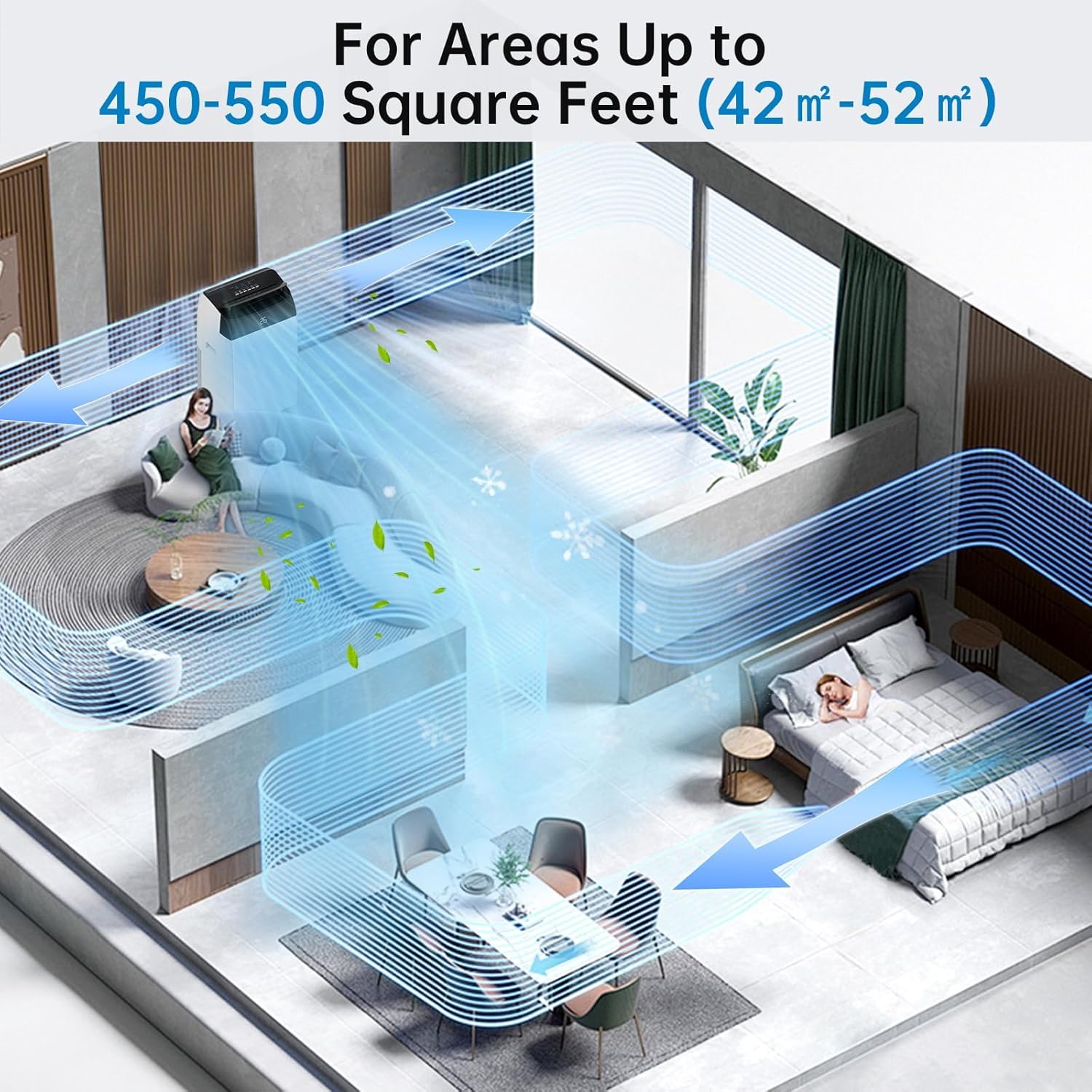
Getting the best energy efficient portable air conditioners for your home is not only about brand names, because correct sizing and installation matter just as much. If the BTU rating is too low for the room air volume, the portable air conditioner will run constantly at maximum level, which increases energy consumption and shortens the life of the unit. Oversized air conditioners cool the air quickly but remove less humidity, leaving the room cool yet clammy and wasting energy every hour they cycle on and off.
Measure the floor area of each room you want to cool, then consider ceiling height, insulation quality, and sun exposure. A shaded 15 square metre bedroom with good insulation may be comfortable with a 7 000 BTU portable unit, while a sun facing 20 square metre living room under a flat roof might need 12 000 BTU SACC to maintain a stable cool air temperature. If you plan to move one portable unit between rooms, choose a slightly higher BTU rating and multiple fan speeds so you can reduce the cooling level in smaller spaces without sacrificing energy efficiency.
Installation quality is equally important, especially around the window kit and hose connections that carry hot exhaust air outside. Make sure the window kit fits tightly, seal any gaps with foam strips, and keep the hose as short and straight as possible to reduce back pressure on the conditioner. Field measurements reported in efficiency studies on room air conditioners show that a well sealed portable air conditioner with a properly supported hose portable system will deliver better cooling, lower noise level, and higher energy efficiency than the same unit installed with loose panels and sharp hose bends.
Noise level, comfort features, and smart controls that really matter
For many people comparing the best energy efficient portable air conditioners, quiet operation is just as important as raw cooling power. Noise level is usually measured in decibels, and a difference of only a few decibels can make a portable air conditioner feel either pleasantly quiet or constantly intrusive in a small room. Bedroom users should look for conditioners with a dedicated sleep mode, lower fan speeds, and sound levels around 50 decibels or less at the lowest cooling level, ideally measured in a standard test chamber so you can compare models fairly.
Comfort features also influence how efficiently you use your portable air conditioner over the whole season. A clear digital thermostat, a responsive remote control, and a timer function encourage you to set realistic temperatures instead of running the unit at maximum cool air output all day. In Consumer Reports style tests, users who relied on timers and moderate set points often recorded noticeably lower energy consumption than those who simply selected the coldest setting and left the unit running continuously.
Look for models that combine these comfort features with an Energy Star rating, because that label confirms the conditioner meets strict energy efficiency criteria defined by the EPA and the U.S. Department of Energy (DOE). When you see high user star ratings on Amazon mentioning quiet operation, easy installation, and accurate remote control response, you are more likely to end up with an efficient portable unit that you actually enjoy using. Over time, that combination of low noise level and smart controls helps you maintain a comfortable room while keeping both energy use and running costs under control.
Cost, energy consumption, and how to judge real value
Price tags for the best energy efficient portable air conditioners can vary widely, so it helps to think in terms of total cost of ownership. A cheaper portable air conditioner with a poor energy efficiency rating may cost significantly more to run over several summers than a slightly pricier Energy Star model. When you evaluate conditioners, compare the estimated annual energy consumption on the label with your local electricity price to understand the long term financial impact of each unit.
Retailers sometimes offer store credit or financing for higher end portable acs, but you should still prioritise models with strong efficiency metrics and reliable components. A durable portable unit from a reputable brand such as Whynter or Midea Duo can provide consistent cooling for many seasons, while a low quality conditioner might fail after only a few years of heavy use. In one Consumer Reports reliability survey, portable air conditioners from better rated brands showed fewer early failures and fewer complaints about rising energy consumption over time, reinforcing the idea that build quality and efficiency often go together.
User reviews and professional tests can help you interpret the star rating and performance claims for different air conditioners. Look for repeated comments about how cool the room feels at each fan level, how often the unit cycles on and off, and whether the hose and window kit remain secure over time. When several reviewers mention that a particular portable air conditioner keeps a given room cool while using noticeably less energy than older portable acs, that is a strong sign you are looking at a genuinely efficient portable model rather than just clever marketing.
Key statistics on portable air conditioners and energy efficiency
- According to major appliance efficiency programmes such as Energy Star, certified portable air conditioners can use around 10 to 15 percent less electricity than comparable non certified units, which can translate into meaningful savings over a long, hot summer when tested under standard DOE procedures.
- Independent laboratory tests cited by Consumer Reports have shown that dual hose portable acs can maintain room temperatures several degrees Celsius lower than similar single hose models in the same conditions, while often drawing slightly less power due to reduced negative pressure.
- Field measurements in typical flats reported by engineering studies on room air conditioning indicate that shortening the exhaust hose by 50 centimetres and reducing sharp bends can improve effective cooling capacity by several hundred BTU, which directly improves comfort in marginally sized rooms.
- Consumer surveys from large retailers and testing organisations report that portable air conditioners with average user ratings above 4.3 stars tend to have significantly fewer early failures, suggesting that build quality and perceived efficiency often go hand in hand.
Trusted references
- United States Environmental Protection Agency – Energy Star programme for room air conditioners and portable cooling equipment, including data on typical electricity savings for certified models and explanations of efficiency metrics such as EER and CEER.
- U.S. Department of Energy – consumer guidance on room air conditioning efficiency, BTU sizing, standardised test procedures, and practical tips for reducing cooling energy use in homes and flats.
- Consumer Reports – comparative testing, noise measurements under controlled conditions, and long term reliability data for portable air conditioners from brands such as Whynter and Midea Duo, with model specific performance tables.