How to size cooling power and BTU SACC for a large space
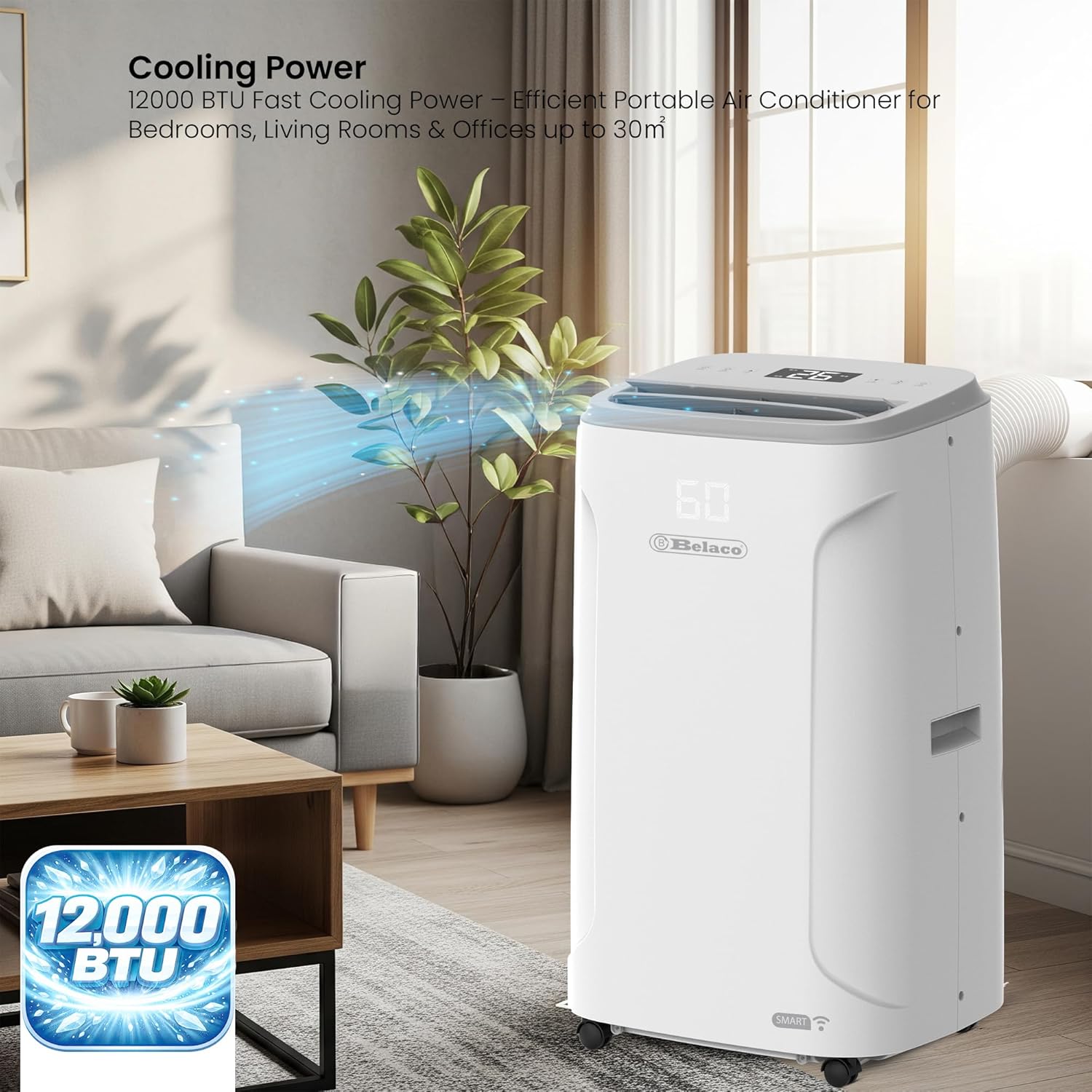
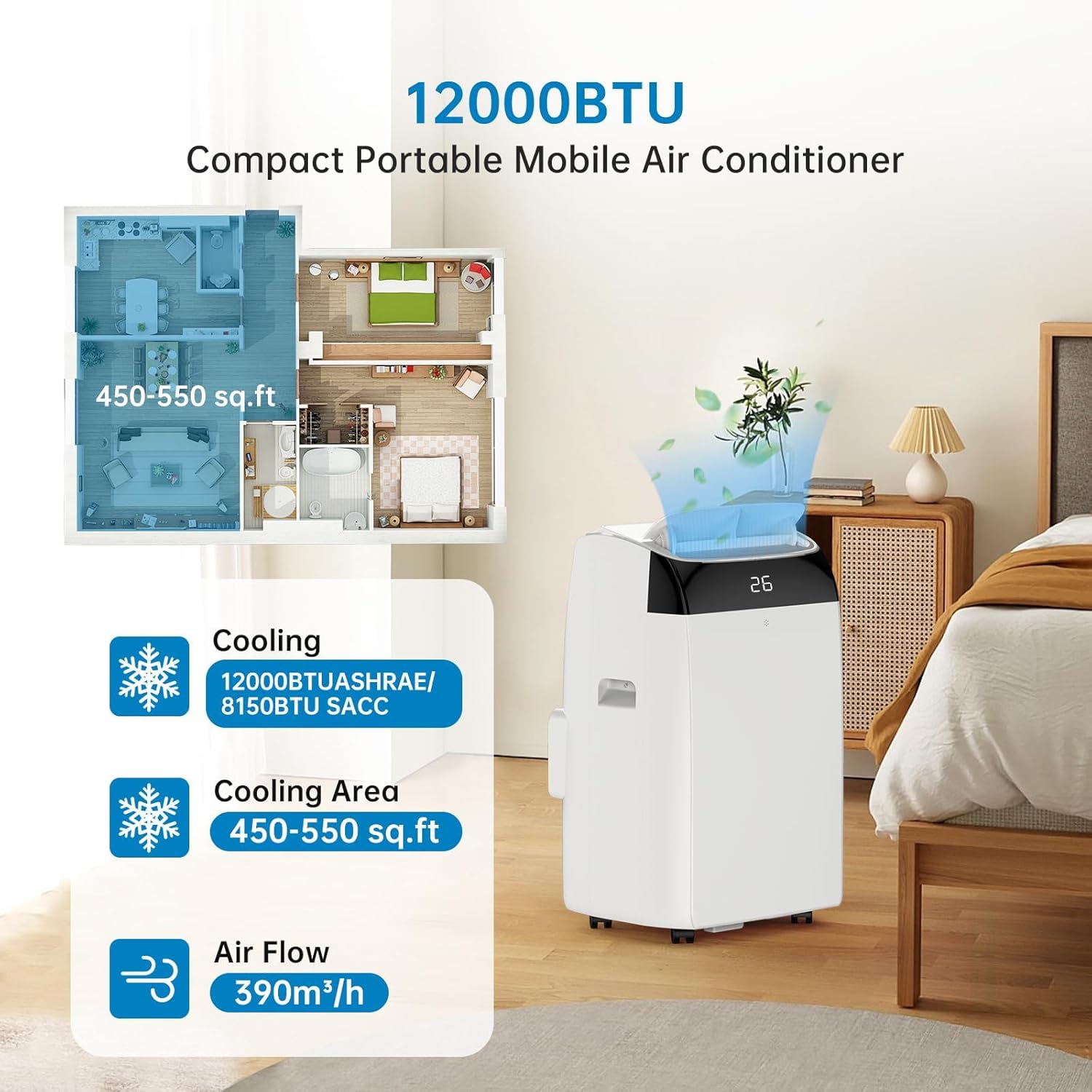
Choosing the best dual hose portable air conditioners for large rooms starts with correct sizing. Manufacturers still advertise traditional BTU figures, but the more realistic BTU SACC rating shows how much cooling power the unit can deliver under standardized conditions. For a room of 30 to 40 square metres with average ceiling height, guidance from the U.S. Department of Energy and common HVAC sizing charts suggests at least 10 000 to 14 000 BTU SACC to maintain comfortable air temperatures during heat waves.
Room characteristics change the real cooling load more than most buyers expect. A west facing living room with big windows and poor insulation may need a dual hose portable air conditioner with higher BTU SACC than a shaded bedroom of the same size. If you live in a humid climate, the portable air unit also works harder to remove moisture from the air, which slightly reduces the effective cooling you feel.
Pay attention to the difference between advertised BTU and BTU SACC when you read any product sheet. Some portable ACs list impressive power numbers, but their SACC rating reveals modest real world cooling, especially in large rooms with high solar gain. When you check price details or compare models on a retailer such as Amazon, always place BTU SACC, room size, and energy consumption side by side before deciding which air conditioners deserve your shortlist.
Simple sizing guide for dual hose portable ACs
As a rough rule of thumb for well insulated spaces with standard ceilings:
- Up to 20 m²: around 7 000–9 000 BTU SACC
- 20–30 m²: around 9 000–11 000 BTU SACC
- 30–40 m²: around 10 000–14 000 BTU SACC
Rooms with poor insulation, large west facing windows, or high ceilings may need roughly 20 to 30 percent more BTU SACC than these baseline figures, and very hot or humid climates can push requirements even higher.
Notable dual hose models: Whynter ARC and Midea Duo compared
Among dual hose portable air conditioners, the Whynter ARC series has become a reference point for serious cooling. A typical Whynter ARC dual hose unit such as the ARC‑14S lists a BTU SACC rating of 9 500 BTU in the manufacturer’s specification sheet, paired with a compact footprint, making it suitable for a 30 square metre room where floor space is limited. According to Whynter’s published documentation, this portable air conditioner includes a full window kit, an easy to use remote, and a hose system that seals tightly to reduce hot air leaks.
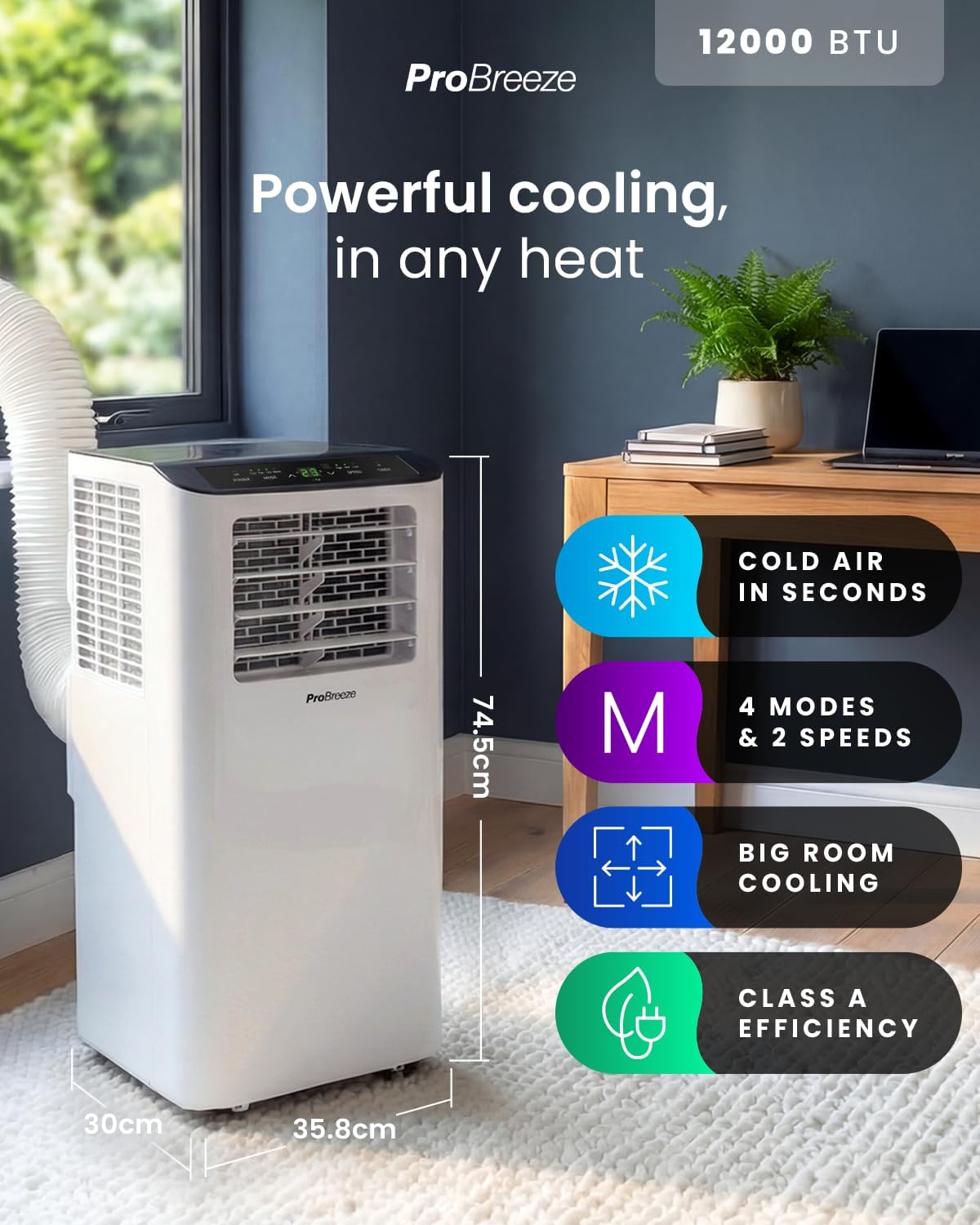
The Midea Duo line takes a different approach by integrating the dual hose portable design inside a single telescopic duct. A representative model, the Midea Duo MAP14HS1TBL, carries a BTU SACC rating of 12 000 BTU in Midea’s official specifications. This architecture allows the portable air unit to draw and exhaust air through a combined hose portable assembly, which simplifies installation while preserving the benefits of a true dual hose system. In practice, independent lab style tests and user reports indicate that a Midea Duo air conditioner often delivers impressive cooling power with lower noise level than some traditional portable ACs, which matters in bedrooms or shared living spaces.
Side by side example specifications
- Whynter ARC‑14S: 9 500 BTU SACC (per Whynter spec sheet), manufacturer rated noise level around 52–56 dB on typical fan settings, power draw roughly 1 250 W in cooling mode according to official data.
- Midea Duo MAP14HS1TBL: 12 000 BTU SACC (per Midea documentation), published noise level as low as about 42–50 dB in quiet modes, power consumption roughly 1 300–1 400 W in cooling mode based on manufacturer data.
These figures come from manufacturer specifications and are measured under controlled test conditions; real world performance can vary with room layout, insulation, and climate. When you compare Whynter ARC models and Midea Duo units, focus on how you plan to use the product. Whynter air conditioners tend to emphasise raw cooling and dehumidification, which suits very hot climates or sun exposed rooms that need aggressive cool air. Midea Duo portable ACs often prioritise energy efficiency and refined airflow control, which can reduce energy consumption and operating noise while still ranking among the best portable options for large rooms.
Noise level, energy efficiency, and everyday comfort
Comfort in a large room depends on more than raw cooling numbers. A powerful dual hose portable air conditioner that roars at high noise level may cool the air quickly but make conversation or sleep difficult. When you read product descriptions, look for decibel ratings at both low fan speed and maximum power, because portable air conditioners can sound very different in real use.
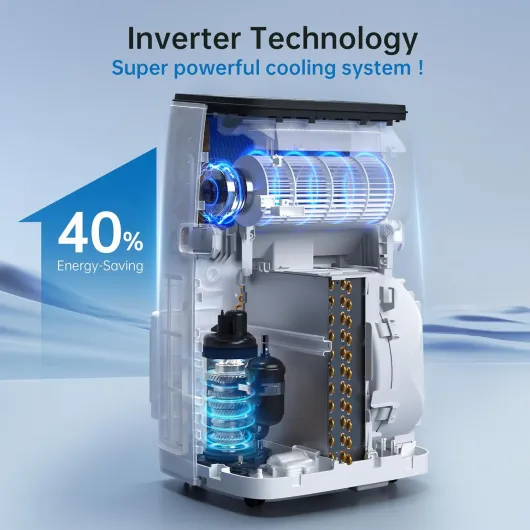
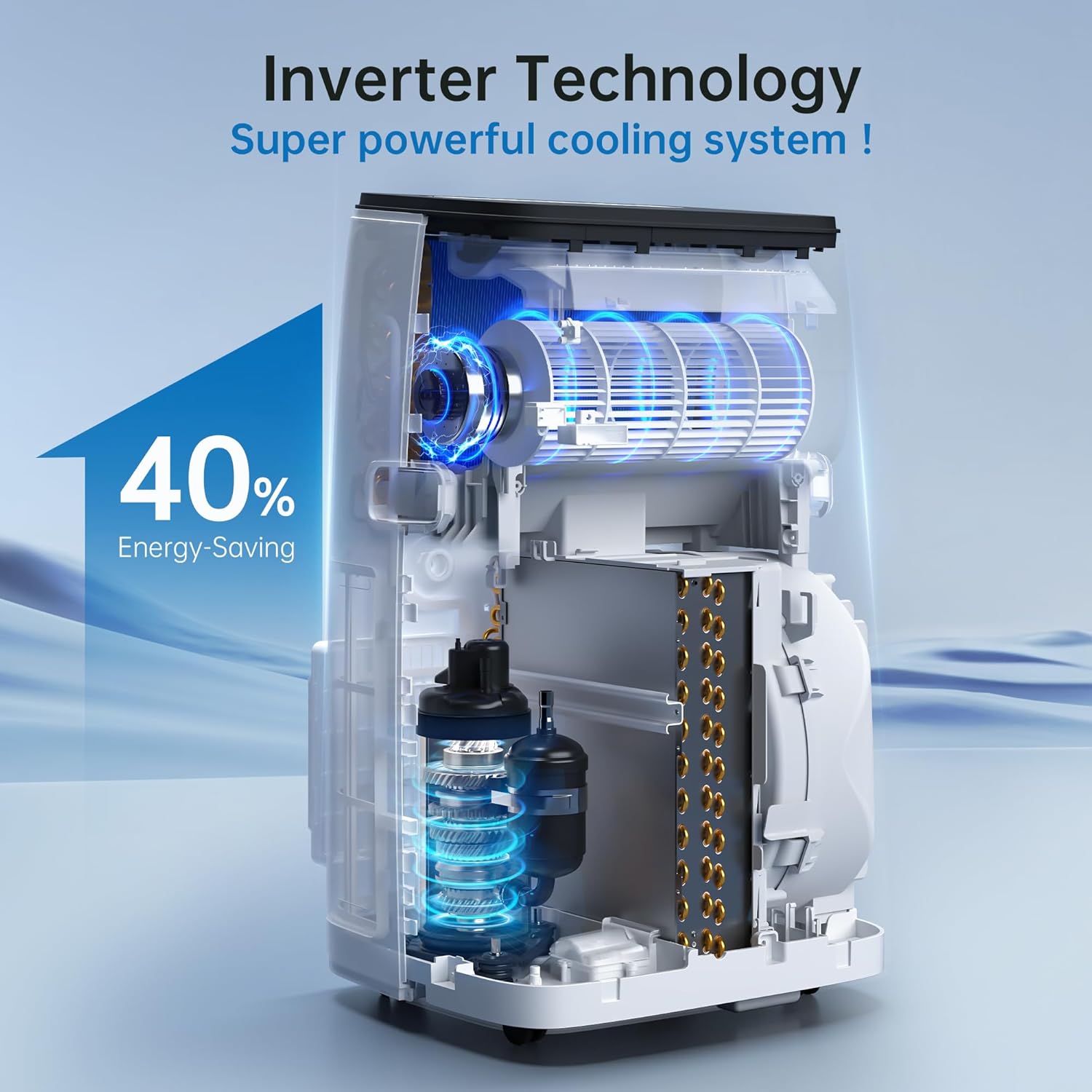
Energy efficiency also shapes how satisfied you feel after the first electricity bill arrives. Dual hose units generally waste less conditioned air than single hose designs, so they can achieve the same cooling power with lower energy consumption over a long summer. Features such as inverter compressors, variable fan speeds, and programmable timers allow the air conditioner to match output to the room load instead of running at full power all day.
Independent test data from manufacturers and third party labs commonly report that quality dual hose portable air conditioners reach noise levels around 50 to 55 decibels on low fan speed at one metre, which is similar to a quiet conversation. These published measurements, while taken under controlled conditions, give a useful reference when you compare models for bedrooms, nurseries, or shared living spaces.
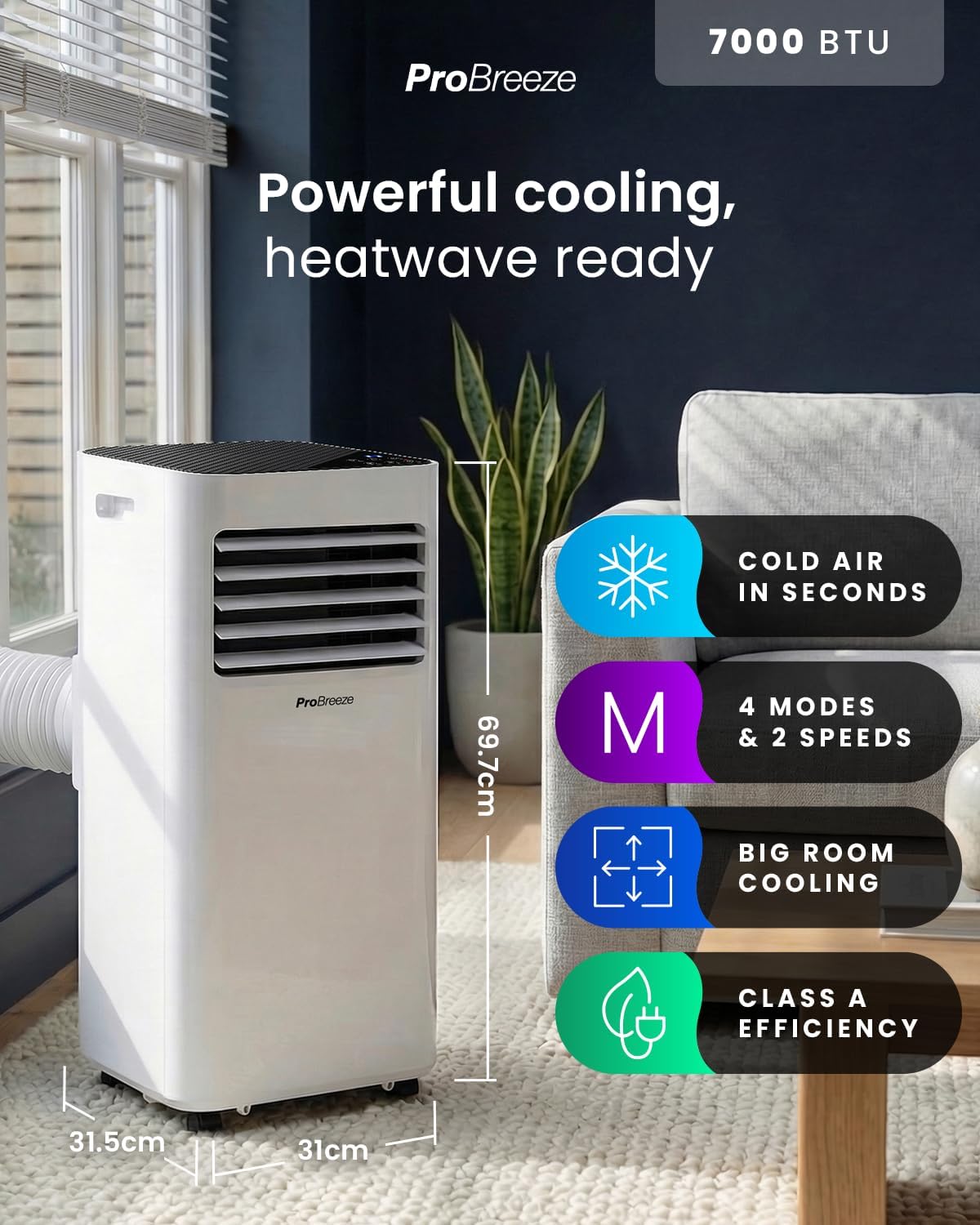
Everyday usability details deserve as much attention as technical specifications. An easy to read display, a responsive remote control, and smooth rolling casters make it simple to move the portable air unit between rooms as your routine changes. If you plan to cool a home office during the day and a bedroom at night, a quiet dual hose portable model with strong energy efficiency will feel like the best portable companion rather than a noisy compromise.
Installation, window kits, and hose management in large rooms
Setting up dual hose portable air conditioners for large rooms is usually straightforward when you follow the manual carefully. The supplied window kit adapts to most sliding or sash windows, allowing you to route each hose outside while keeping hot air and insects from entering the room. For wide windows or unusual openings, you may need to extend the panel or use foam to seal gaps around the hose system.
Hose management affects both performance and aesthetics in a living space. Try to keep each hose as straight and short as possible, because sharp bends restrict airflow and reduce cooling power from the air conditioner. If the portable air unit must sit far from the window, consider rearranging furniture so the hose portable assembly can run along a wall instead of across the room where it collects dust and becomes a tripping hazard.
Large rooms sometimes have multiple windows, which can be an advantage. You can place the dual hose portable AC near the least sunny window to reduce heat gain around the window kit and keep the intake air slightly cooler. When you check price and compare models on Amazon or other retailers, look for clear photos of the hose system and accessories, because a well designed product will save you time and frustration during installation.
Price, value, and how to choose the best portable AC
Price differences between dual hose portable air conditioners can be significant, especially at higher BTU SACC levels. A premium Whynter ARC unit or a feature rich Midea Duo model may cost more upfront than a basic single hose portable AC, but the improved energy efficiency and stronger cooling can justify the investment over several summers. When you read user reviews and technical sheets, balance price Amazon figures with long term energy consumption and expected durability.
Value also depends on how closely a product matches your specific room and lifestyle. If you only need to cool a guest room occasionally, a mid range dual hose portable air conditioner with modest BTU SACC might be the best portable choice. For a large open plan living room that hosts family gatherings, a higher power unit with low noise level, robust hose system, and a reliable remote will feel worth the extra cost every hot afternoon.
Before you finally check price and click buy, create a short checklist. Confirm that the air conditioner BTU SACC rating suits your room size, that the window kit fits your windows, and that the noise and energy ratings align with your expectations. By treating each portable air model as a complete system rather than a single number on a box, you will naturally gravitate toward the best dual hose portable air conditioners for large rooms that truly match your needs.
Key figures about dual hose portable air conditioners
- In many temperate climates, a dual hose portable air conditioner with around 10 000 to 12 000 BTU SACC can comfortably cool a well insulated room of roughly 30 square metres, while poorly insulated spaces may require 20 to 30 percent more capacity according to typical HVAC sizing rules.
- Manufacturer data and independent laboratory style tests often show that dual hose portable ACs can reduce energy consumption by approximately 10 to 20 percent compared with similar single hose units, because they avoid drawing hot outdoor air into the room through cracks and gaps.
- Noise measurements for quality dual hose portable air conditioners frequently fall between 50 and 55 decibels on low fan speed at a distance of one metre, which is comparable to a quiet conversation and significantly lower than older portable AC designs.
- Modern inverter based portable air conditioners can modulate compressor power, and this variable operation may cut peak electricity demand by up to 30 percent compared with fixed speed units of the same nominal BTU rating, based on published efficiency data.
Are dual hose portable air conditioners really better than single hose models ?
Dual hose portable air conditioners are generally better for large rooms because they separate intake and exhaust airflows. This design prevents the unit from creating negative pressure, which in single hose models pulls hot outdoor air into the room and reduces effective cooling. As a result, dual hose units usually offer stronger real world cooling power, improved energy efficiency, and more stable comfort during long heat waves.
How many BTU do I need for a large living room ?
For a typical living room of 30 to 40 square metres with standard ceiling height, many specialists recommend at least 10 000 to 14 000 BTU SACC for a dual hose portable air conditioner. Very sunny rooms, high ceilings, or poor insulation may require stepping up to a higher BTU SACC rating to maintain comfortable temperatures. When in doubt between two sizes, choosing the slightly more powerful unit usually provides better cooling without a dramatic increase in energy consumption.
Can I use one portable AC to cool multiple rooms ?
A single dual hose portable air conditioner can cool multiple rooms only if the spaces are open to each other and the total area matches the unit capacity. Closed doors and long corridors block airflow, so the cool air may never reach distant rooms effectively. Many users roll the portable air unit between rooms during the day, but for simultaneous cooling of several enclosed rooms, separate air conditioners or a central system work better.
How loud are dual hose portable air conditioners in real use ?
Most modern dual hose portable ACs produce around 50 to 60 decibels at low to medium fan speeds, which feels like background conversation or a desktop fan. At maximum power, noise can rise several decibels, so bedrooms and studios benefit from models with quiet night modes and inverter compressors. Checking the specified noise level range and reading user impressions helps you choose a unit whose sound profile matches your tolerance.
Do I need to vent a portable air conditioner through a window ?
Yes, every portable air conditioner must vent hot air outside, and dual hose models require two separate air paths for intake and exhaust. The standard solution is a window kit that seals around the hoses, but some users adapt kits for sliding doors, wall vents, or even ceiling panels. What matters is that the hot exhaust air leaves the room completely, otherwise the unit will waste energy and fail to cool effectively.