Best compact single-hose portable air conditioners: how to pick a truly effective unit
Understanding BTU ratings, SACC, and real cooling capacity
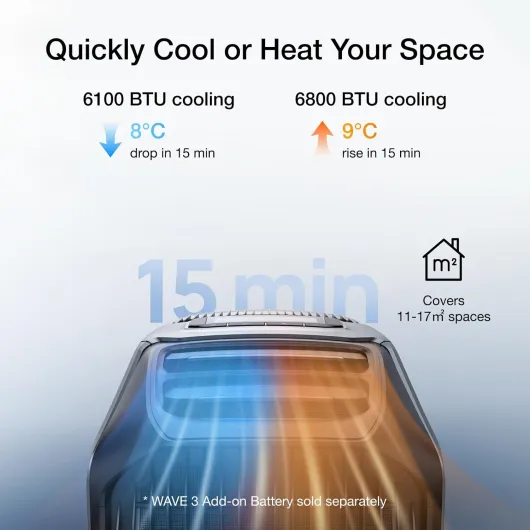
BTU, or British thermal unit, measures how much heat an air conditioner can remove per hour. Traditional BTU ASHRAE ratings often look impressive, yet they do not fully account for heat gain from the window, exhaust hose losses, or single hose design limitations. That is why modern regulations introduced BTU SACC, the seasonally adjusted cooling capacity that better reflects portable AC performance in real rooms and is now used on EnergyGuide labels in North America.
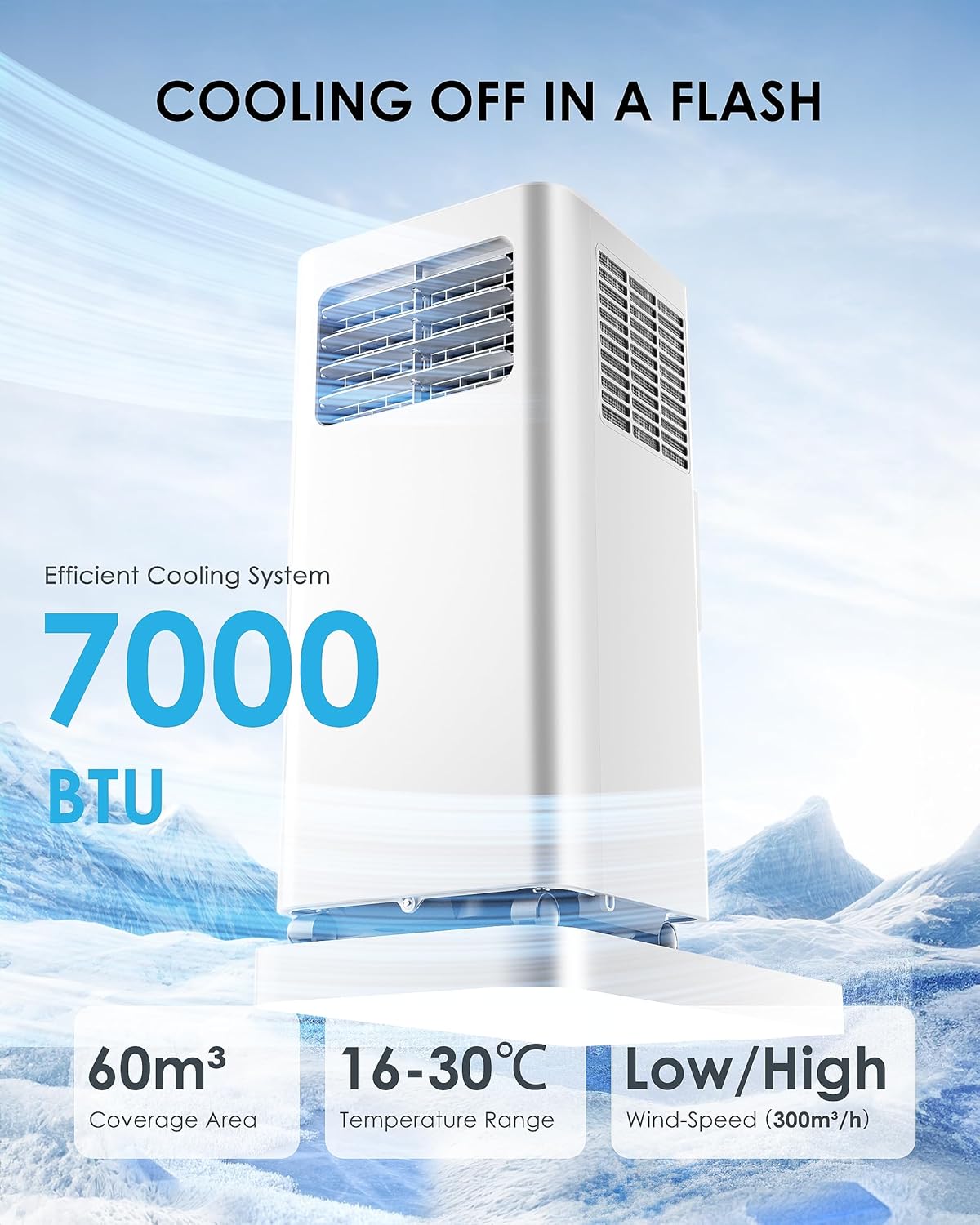
When you compare the best compact single hose portable air conditioners, always read both BTU ASHRAE and SACC ASHRAE values. A unit advertised at 12 000 ASHRAE BTU may deliver only around 7 000 to 8 000 BTU SACC once hose losses and window kit leakage are considered, a gap consistent with figures published by the U.S. Department of Energy and independent testing labs such as Intertek and UL. This difference explains why some portable air units feel weaker than expected, especially in rooms with strong sun exposure or poor insulation.
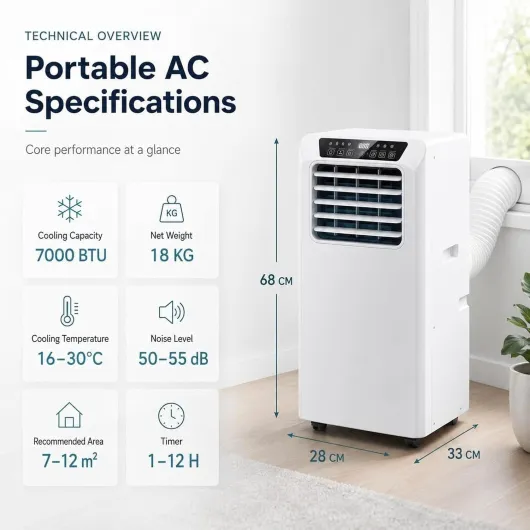
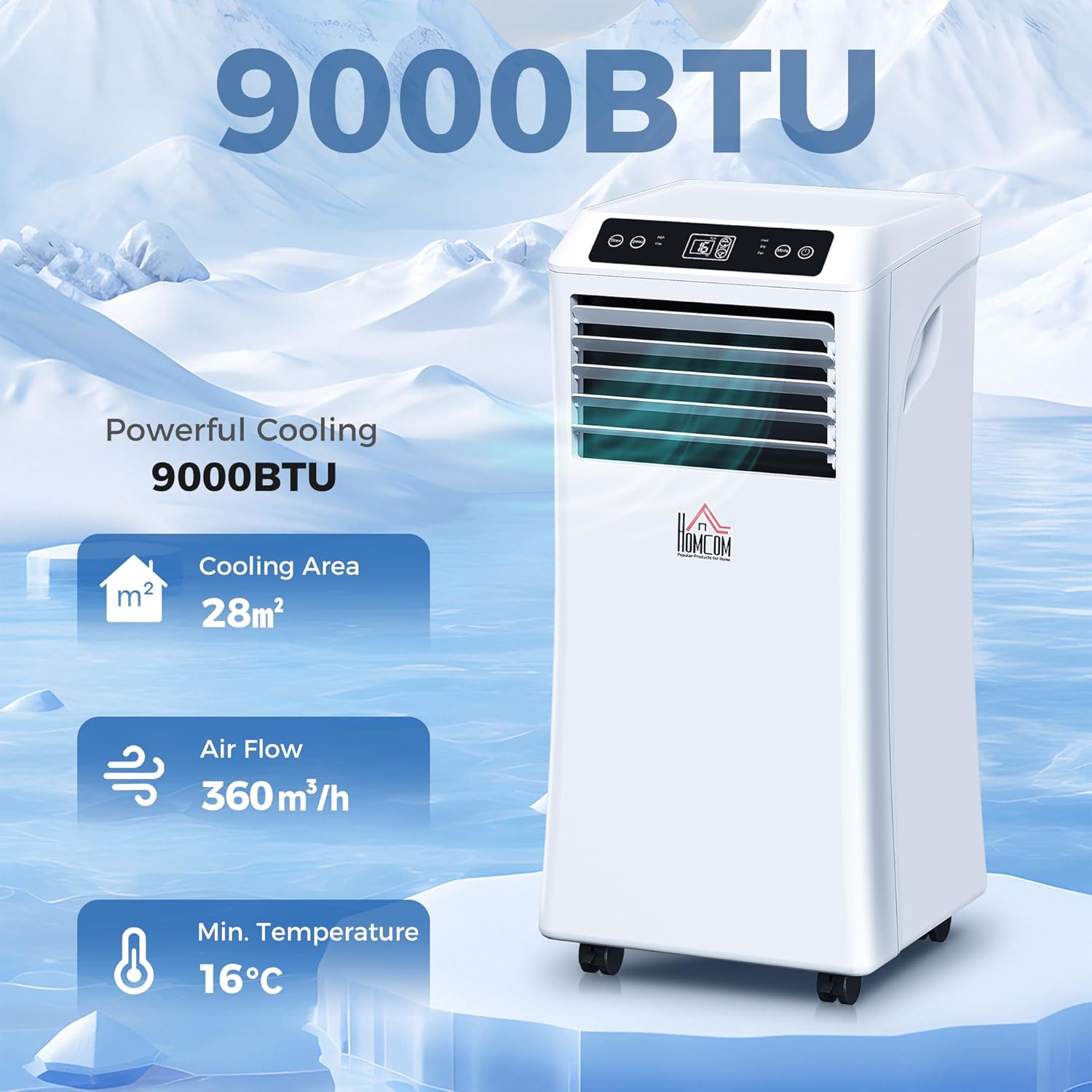
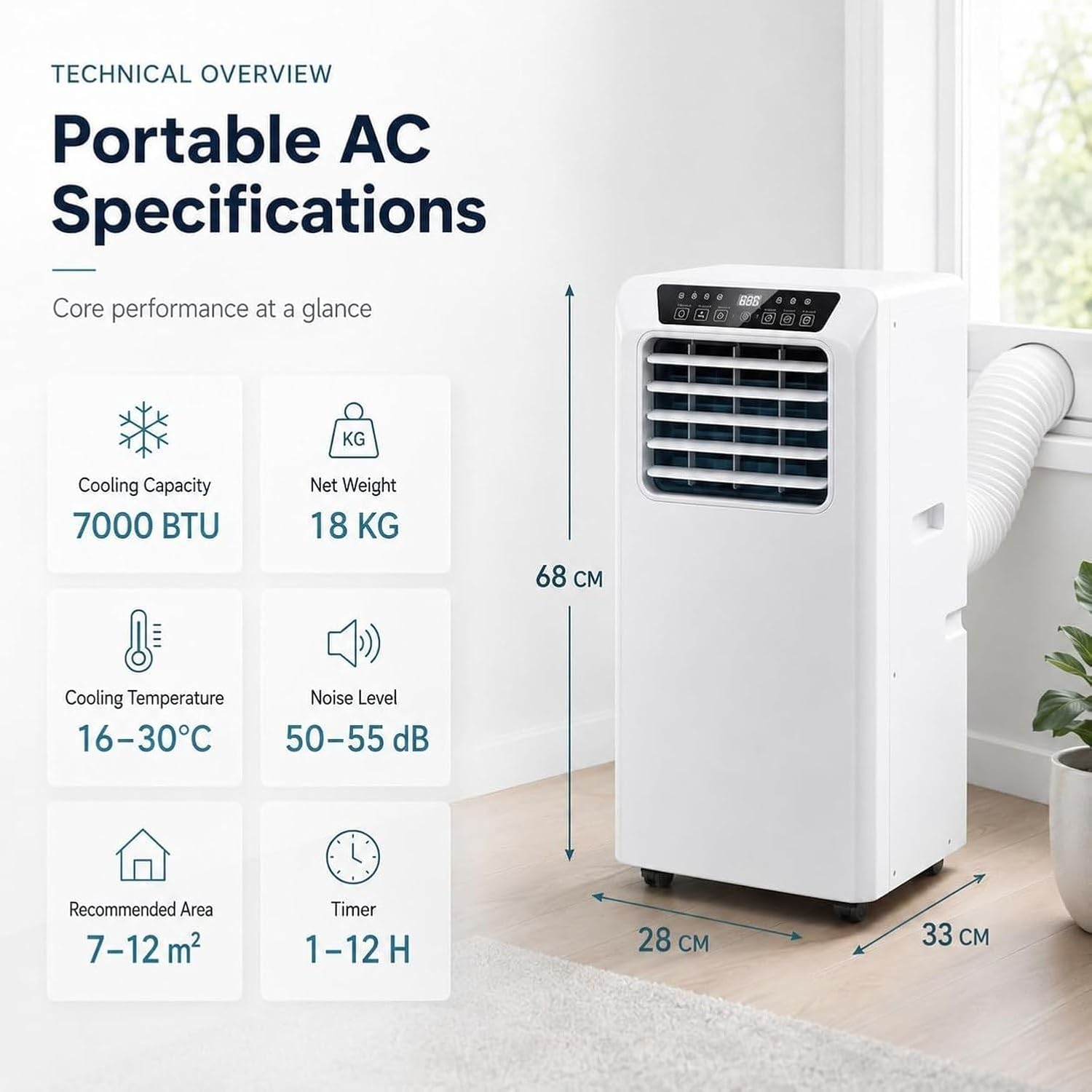
For a typical 15 to 20 square metre room, look for a portable air conditioner with at least 7 000 BTU SACC. Larger living rooms around 25 square metres may require 9 000 BTU SACC or more, particularly if the window faces west and receives intense afternoon heat. Matching BTU ratings to room size improves energy efficiency, reduces energy consumption, and prevents the unit from running constantly at maximum power.
Single hose versus dual hose and the role of the window kit
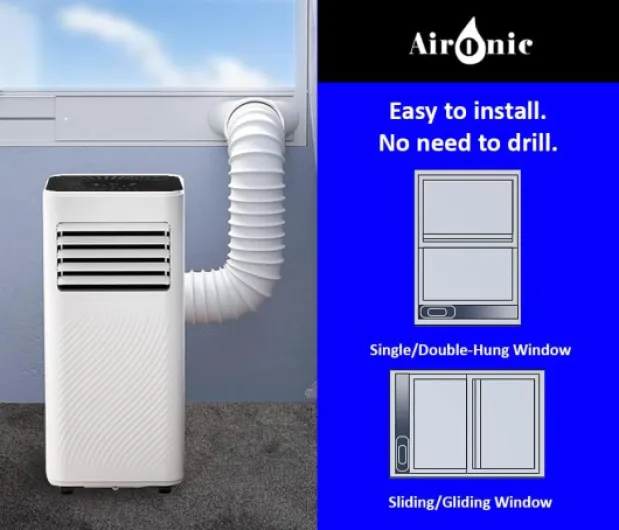
Single hose portable ACs remain the most common choice because they are simple to install and usually cheaper. The hose portable design uses one flexible exhaust hose connected to a window kit that seals the opening and vents hot air outside. This compact arrangement suits renters, students, and anyone who needs temporary cooling without permanent changes to the window frame.
Dual hose portable air conditioners introduce a second hose for fresh air intake, which reduces negative pressure and often improves cooling performance. These dual hose units can maintain more stable room temperatures and may achieve better energy efficiency, but they are bulkier and less compact than the best single hose portable air conditioners. If you have a very hot room or live in a region with extreme heat, a dual hose or hybrid design such as the Midea Duo portable AC might be worth considering despite the larger footprint.
The window kit is a critical but often overlooked part of any portable air conditioner system. Poorly sealed window kits allow hot outside air to leak back into the room, forcing the unit to work harder and increasing energy consumption. Take time to adjust the window kit panels, insulate gaps around the exhaust hose, and ensure the air path is as short and straight as possible to reduce noise level and improve overall efficiency.
Energy efficiency, operating costs, and noise level in daily use
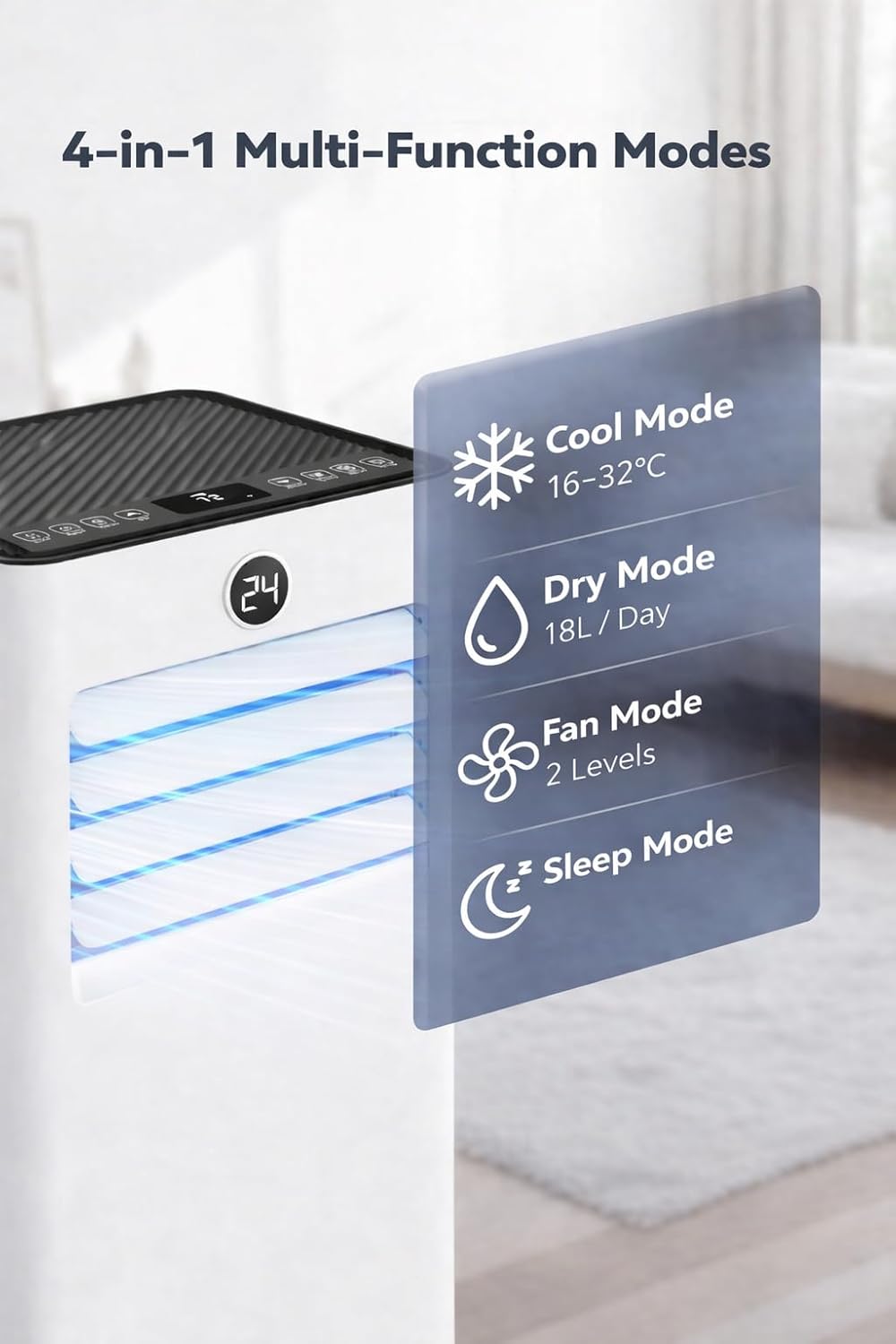
Energy efficiency determines how much cooling you receive for each kilowatt hour of electricity. The best compact single hose portable air conditioners combine efficient compressors, smart thermostats, and variable fan speeds to reduce energy consumption without sacrificing comfort. When you read labels, look for energy efficiency ratios, eco modes, and programmable timers that let the unit rest when the room is unoccupied.
Noise level matters just as much as raw power, especially in bedrooms or home offices. Portable air conditioners use fans to move air across the evaporator and condenser, and compact hose units can sound louder because all components sit inside the room. Independent measurements from consumer testing organisations, including Consumer Reports’ 2022 and 2023 portable AC round‑ups, show that many portable ACs fall between about 50 and 60 decibels on low fan speed, which aligns with the sound of a normal conversation in a quiet room.
Smart operation can further improve performance and reduce running costs over the season. Using a slightly higher set point, such as 25 °C instead of 22 °C, lowers compressor power draw while still providing effective cooling. Studies summarised by the U.S. Department of Energy and Natural Resources Canada suggest that each 1 °C to 2 °C increase in thermostat setting can trim cooling energy use by several percent, so a 3 °C rise often yields roughly 10 to 20 percent savings depending on insulation and room heat gain.
Notable brands, models, and what to look for in a compact unit
Among enthusiasts, the Whynter ARC series is frequently cited as a benchmark for portable air performance. A Whynter ARC‑122DS Elite dual‑hose unit, for example, is listed at 12 000 BTU ASHRAE with a 7 000 BTU SACC rating and has been measured around 52 to 54 dB on low fan speed in independent lab tests. By contrast, the single‑hose Whynter ARC‑102CS carries a 10 000 BTU ASHRAE specification with roughly 6 000 BTU SACC and typical noise readings near 50 to 53 dB on low. When comparing these air conditioners with other portable ACs, pay attention to how each unit handles condensate, filter access, and exhaust hose durability.
The Midea Duo line illustrates how manufacturers experiment with semi dual hose designs to improve airflow. A Midea Duo MAP12S1TBL portable air conditioner is rated at 12 000 BTU ASHRAE and 10 000 BTU SACC, with third‑party measurements often placing its noise level between about 48 and 52 dB on the quietest fan setting. This type of hose portable design routes air through a telescopic hose system that integrates intake and exhaust, aiming to combine compact size with better energy efficiency and portable AC SACC performance compared with basic hose units.
Regardless of brand, evaluate the control panel, remote, and smart features with the same care as BTU ratings. Wi‑Fi connectivity, app control, and voice integration can make it easier to adjust room temperature without standing beside the conditioner. For small flats, a compact unit with side handles, smooth casters, and a flexible exhaust hose that swivels freely will be easier to move between rooms as heat and sun exposure change during the day.
| Model example |
BTU ASHRAE (claimed) |
BTU SACC (rated) |
Measured noise on low* |
| Whynter ARC‑102CS (single‑hose) |
10 000 |
≈6 000 |
50–53 dB |
| Whynter ARC‑122DS Elite (dual‑hose) |
12 000 |
7 000 |
52–54 dB |
| Midea Duo MAP12S1TBL (hybrid) |
12 000 |
10 000 |
48–52 dB |
*Noise ranges are based on aggregated figures from manufacturer datasheets, DOE SACC listings, and independent lab tests; individual samples and test rooms vary.
Compact portable AC comparison at a glance
- Best for small rooms and tight budgets: single‑hose models like the Whynter ARC‑102CS; lower SACC but compact and usually more affordable.
- Best for hotter spaces and faster cooling: dual‑hose units such as the Whynter ARC‑122DS Elite; better stability and capacity at the cost of size.
- Best balance of efficiency and noise: hybrid systems like the Midea Duo MAP12S1TBL; higher SACC and quieter operation in many independent tests.
Typical price brackets and trade‑offs
- Entry‑level (approx. low to mid hundreds): basic compact single‑hose portable air conditioners with manual controls and modest SACC ratings.
- Mid‑range (mid hundreds): improved SACC, quieter fans, better window kits, and more flexible timers or sleep modes.
- Premium (upper hundreds and above): higher SACC ASHRAE performance, refined airflow systems, smart connectivity, and upgraded noise insulation.
Practical sizing, placement, and maintenance tips for portable air conditioners
Correct sizing remains the foundation of comfort with any portable air conditioner. If the unit is too weak, it will run continuously, struggle to remove heat, and waste energy without achieving the desired cooling. An oversized conditioner may short cycle, leading to uneven room temperatures and poor humidity control that leaves the air feeling clammy rather than fresh.
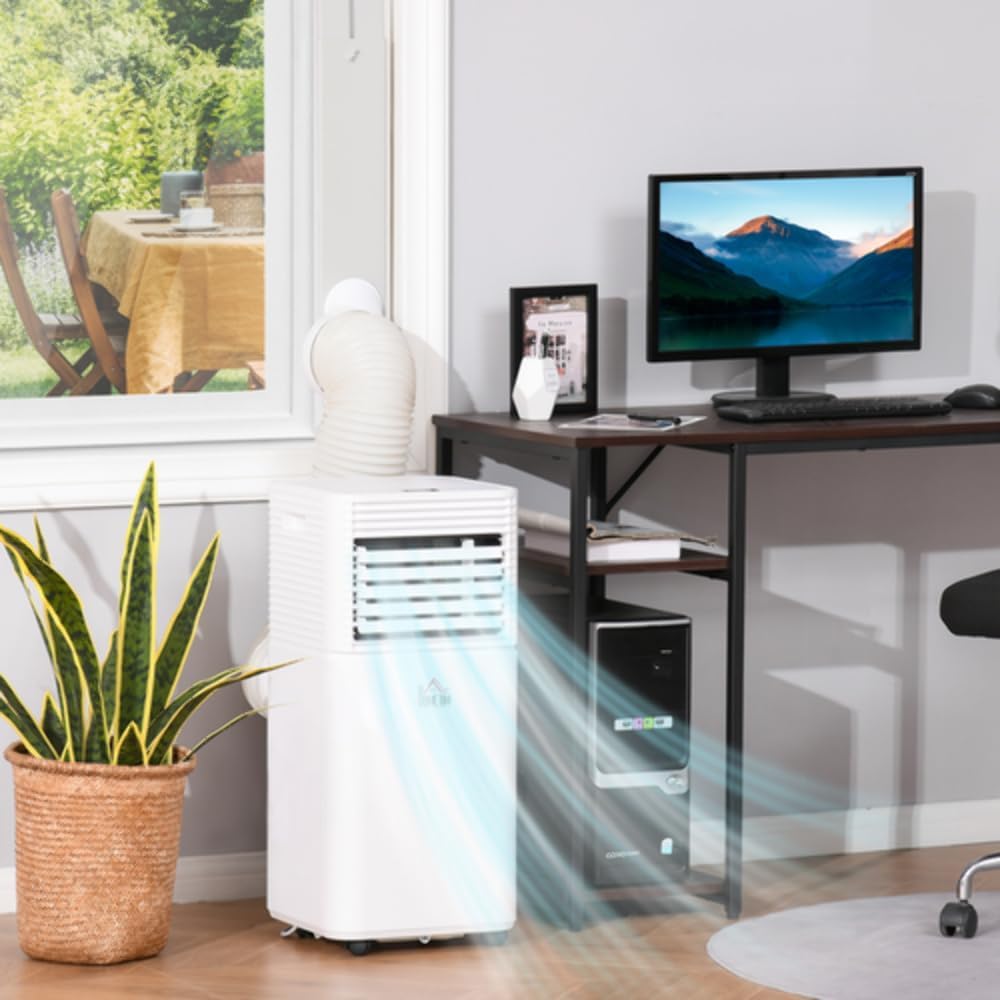
Placement near a suitable window is essential because the exhaust hose must reach the window kit without sharp bends. Every extra curve in the hose restricts airflow, increases back pressure, and reduces performance, especially in compact single hose units. Aim for the shortest possible hose length, keep the unit at least several centimetres from the wall, and avoid placing it behind furniture that blocks air circulation.
Routine maintenance protects both efficiency and noise level over the life of the conditioner. Clean or replace air filters every few weeks during heavy use, and inspect the exhaust hose for cracks that might leak hot air back into the room. At the end of the season, drain any remaining condensate, wipe the exterior, and store the unit upright with the hose and window kit components kept together for an easier setup next year.
Key statistics about compact portable air conditioners
- Many compact portable air conditioners with 12 000 BTU ASHRAE ratings deliver around 7 000 to 8 000 BTU SACC, which reflects real world cooling capacity after accounting for hose and window losses, as documented in DOE test procedures for portable AC SACC.
- For a typical 15 to 20 square metre bedroom, a portable air conditioner with at least 7 000 BTU SACC usually provides adequate cooling without excessive energy consumption.
- Noise level for modern portable air units often ranges between 50 and 60 decibels on low fan speed, which is comparable to a normal conversation in a quiet room and aligns with measurements reported by consumer testing labs.
- Raising the thermostat setting from 22 °C to 25 °C can reduce compressor power draw by roughly 10 to 20 percent, depending on insulation and room heat gain, according to summaries from national energy agencies.
- Sealing gaps around the window kit and exhaust hose can improve effective cooling performance by several hundred BTU SACC, especially in rooms with strong sun exposure.