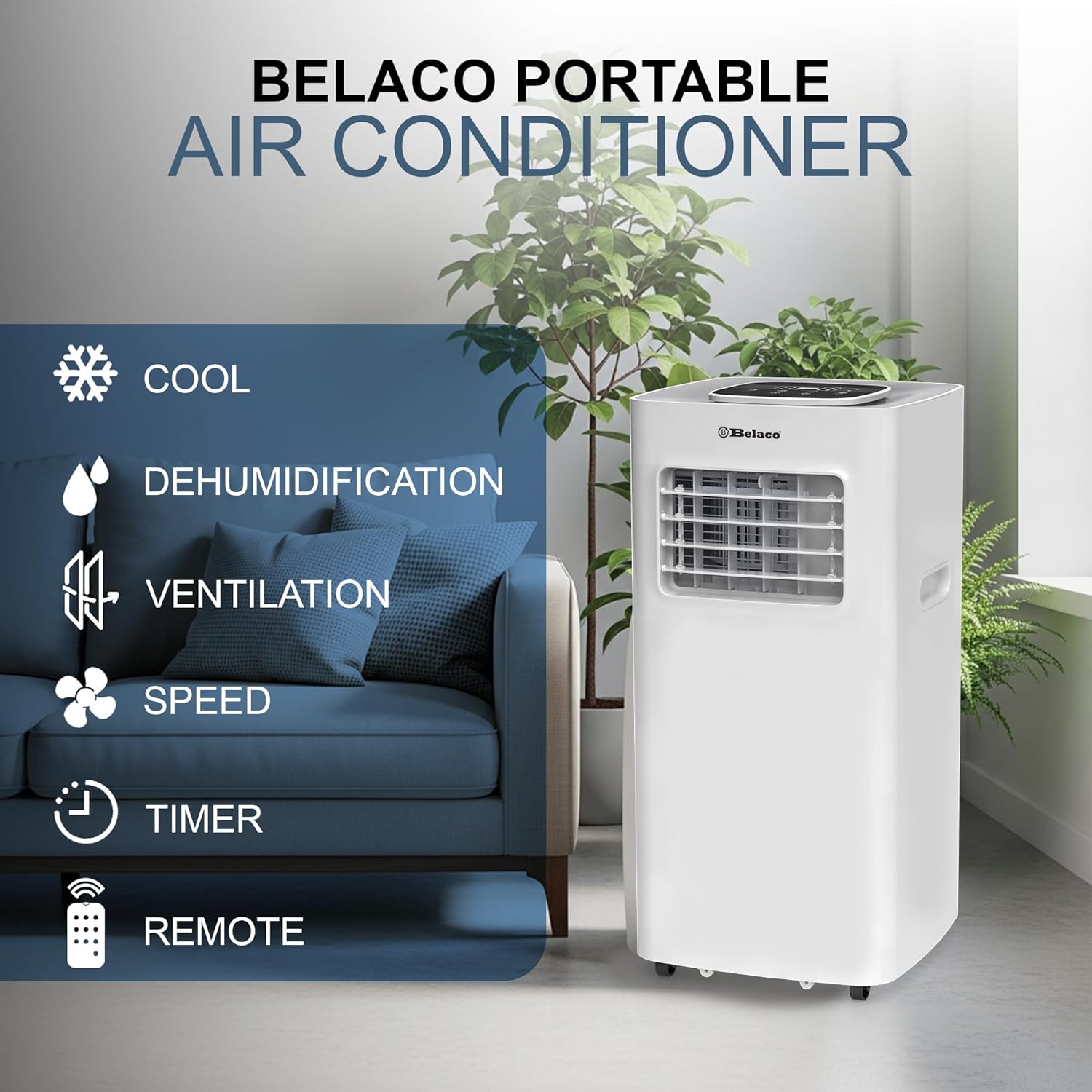
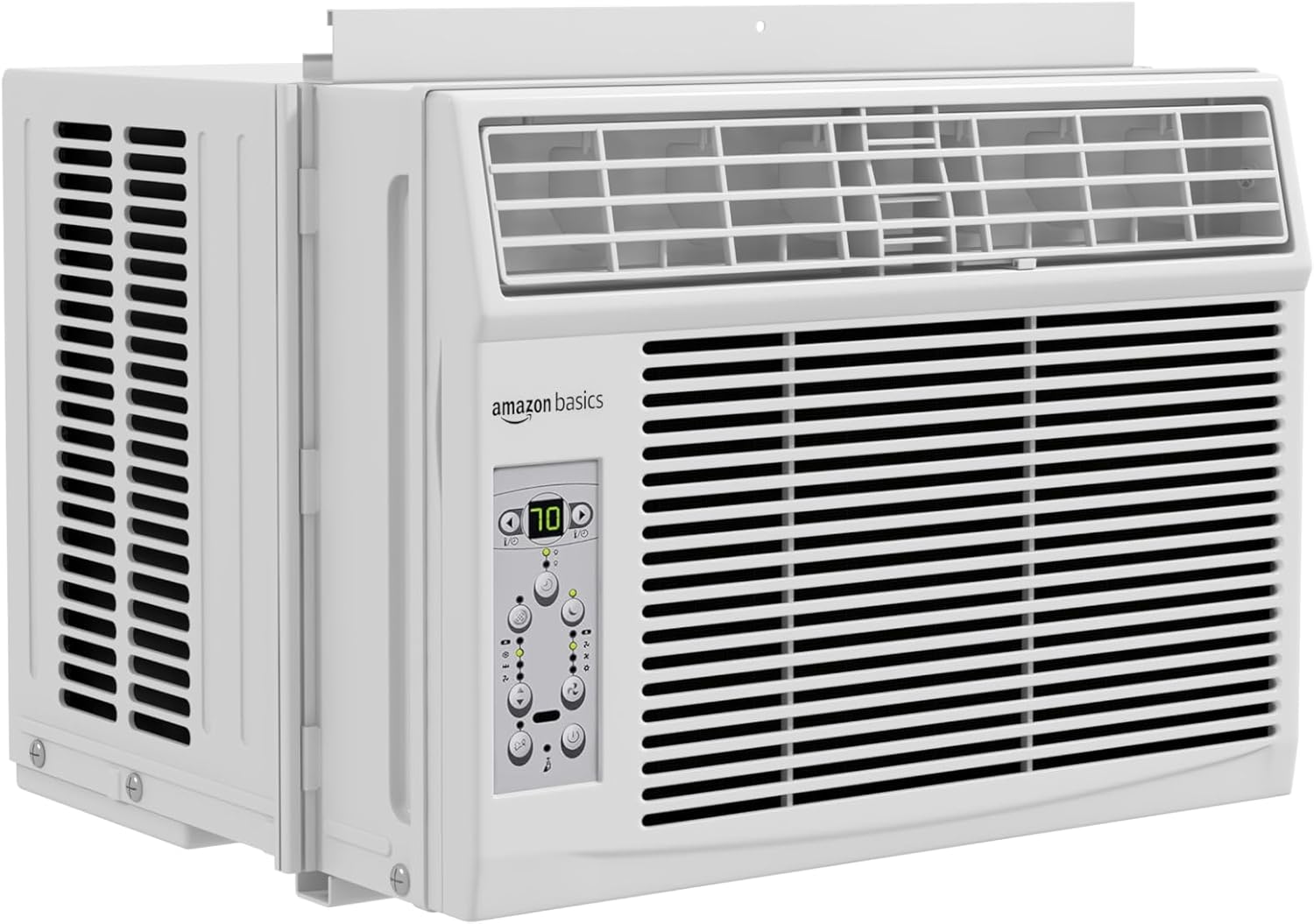
Understanding BTU, room size, and realistic cooling expectations
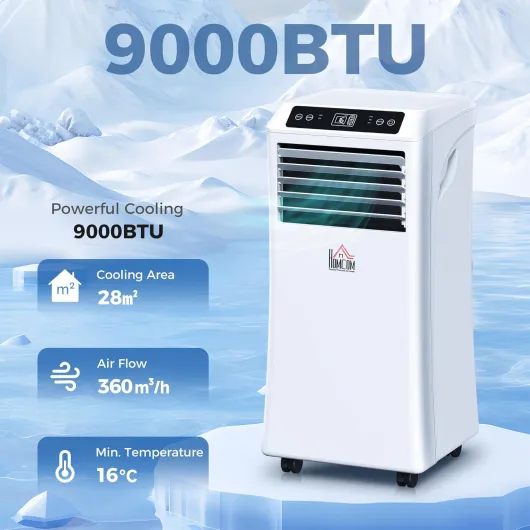
Choosing the best portable air conditioners with window kits starts with understanding BTU ratings and room size. BTU, or British Thermal Unit, measures how much cooling capacity a portable air conditioner can deliver in one hour. A higher BTU rating means the air conditioner can cool a larger room, but oversizing or undersizing the unit with respect to the space leads to poor comfort and wasted energy.
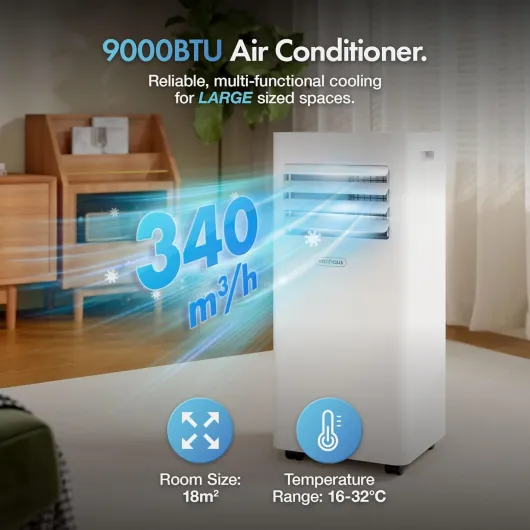
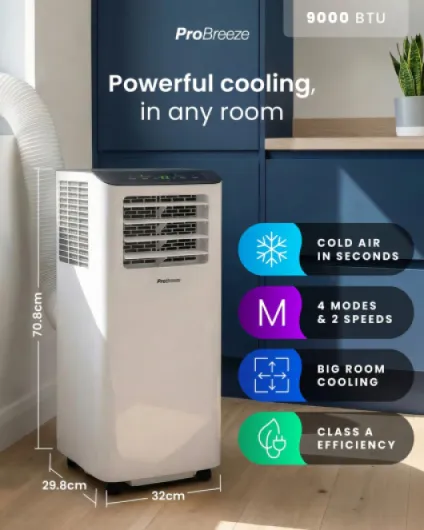
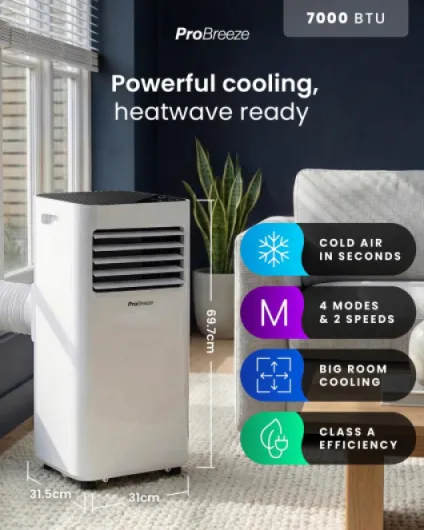
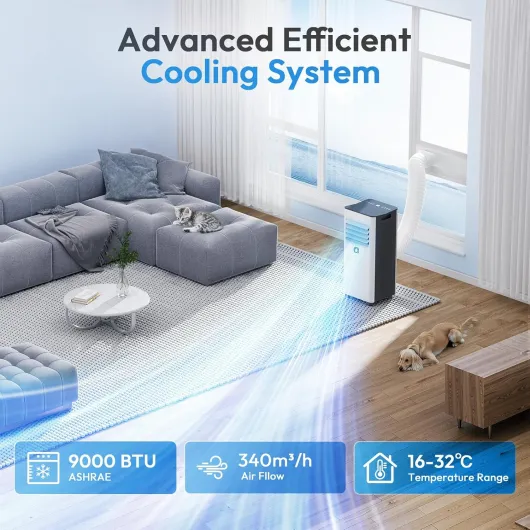
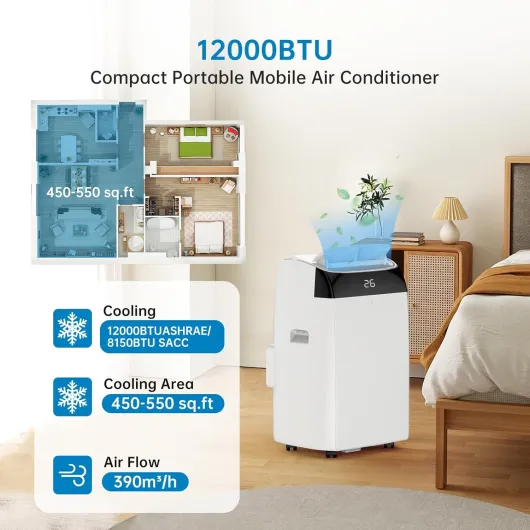
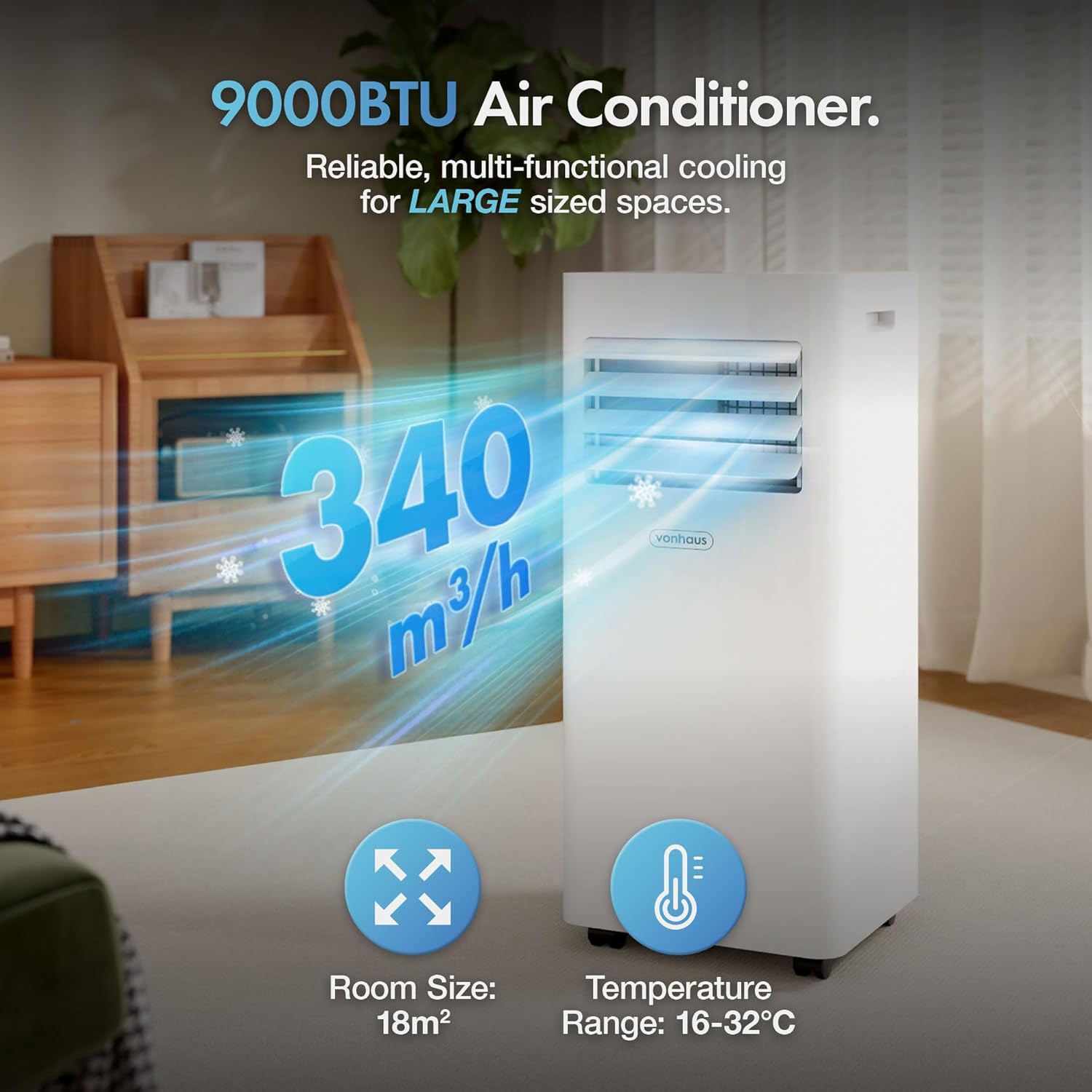
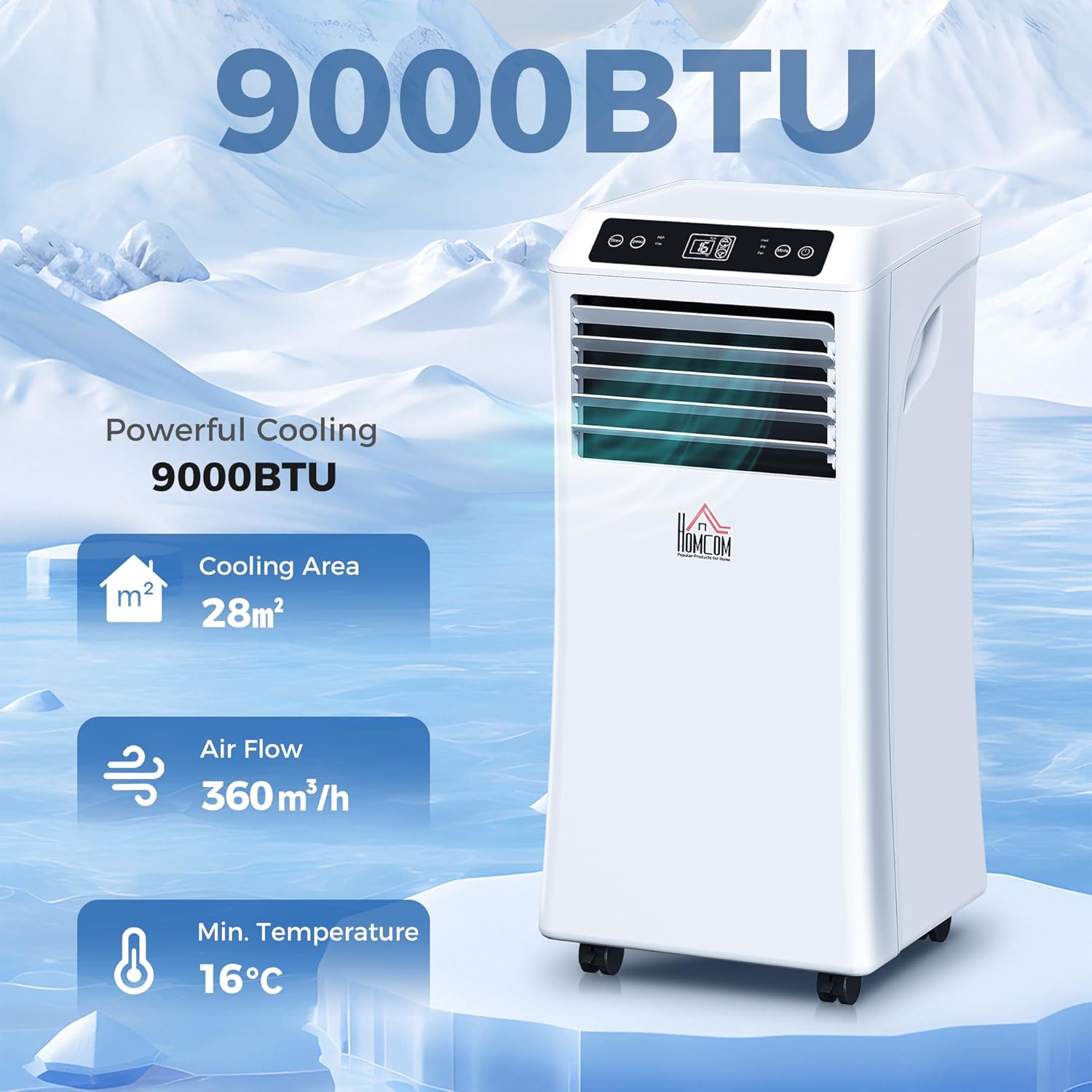
For a typical bedroom of about 15 square metres, a portable air conditioner with roughly 7 000 to 9 000 BTU often provides adequate cooling when the window kit is sealed properly. Larger living rooms around 25 to 30 square metres may require portable air conditioners in the 10 000 to 14 000 BTU range, especially in warmer climates or rooms with strong sun exposure. Independent sizing charts from energy agencies and manufacturers generally support these ranges, so when comparing conditioners on Amazon or in local shops, always match the BTU rating to your actual room size, ceiling height, and insulation quality rather than chasing the biggest number.
Remember that dual hose portable acs, such as some Whynter ARC models or the Midea Duo series, often deliver more effective cooling per BTU than single hose designs because they manage hot air and intake air more efficiently. A single hose portable air conditioner pulls some already cooled room air out through the hose, which slightly reduces efficiency in tightly sealed rooms. If you need strong cooling in a large room, a dual hose unit with a well designed window kit can maintain a stable temperature more quickly and with less strain on the compressor, especially during extended heat waves.
Single hose versus dual hose and why it matters for comfort
Portable air conditioners with window kits come in two main airflow designs, single hose and dual hose. A single hose portable air conditioner uses one hose to exhaust hot air outside while drawing replacement air from the room itself, which can create slight negative pressure. That negative pressure sometimes pulls warm air from adjacent rooms or hallways, so the air conditioner works harder to keep the room cool.
Dual hose portable acs, including several Whynter ARC air conditioners and the Midea Duo portable air series, use one hose for intake air and another hose for exhaust, which stabilises room pressure. This dual hose configuration allows the portable unit to cool more consistently, especially in larger rooms or spaces with many occupants generating extra hot air. Laboratory style tests and manufacturer performance data often show that dual hose designs maintain target temperatures more evenly, so when you evaluate the best portable air conditioners with window kits, check whether the conditioner with dual hose technology offers better energy performance and faster cooling for your specific room size.
Single hose models still suit many users who prioritise lower cost, lighter weight, and simpler installation with a compact window kit. These portable air conditioners often work well in small bedrooms or home offices where the cooling demand remains moderate and the noise level needs to stay low. If you live in a very hot climate or plan to cool an open plan living room, a dual hose portable air conditioner with a robust window kit usually provides more stable comfort and less temperature fluctuation throughout the day.
Key features that separate average units from the best models
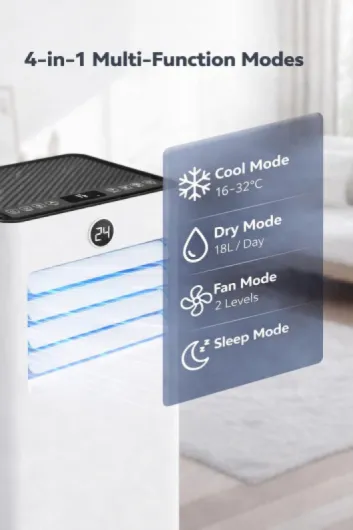
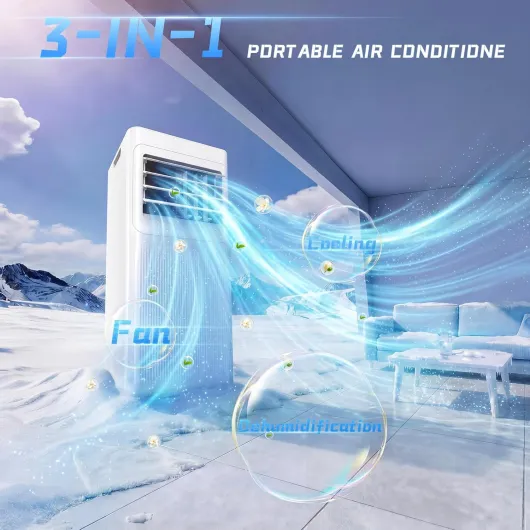
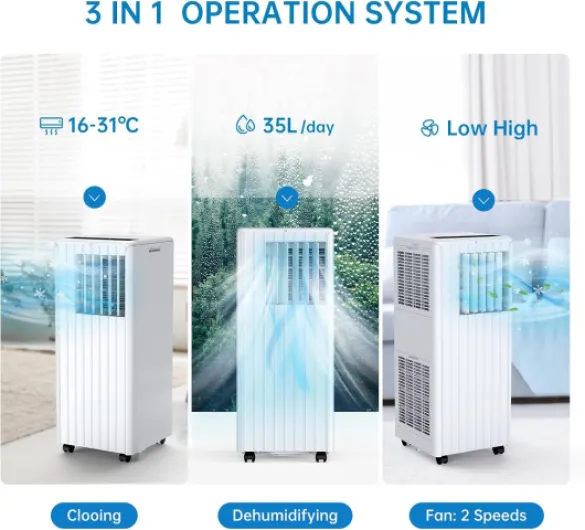
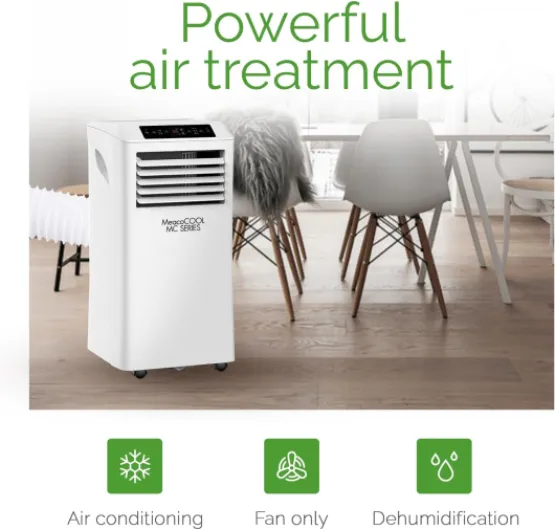
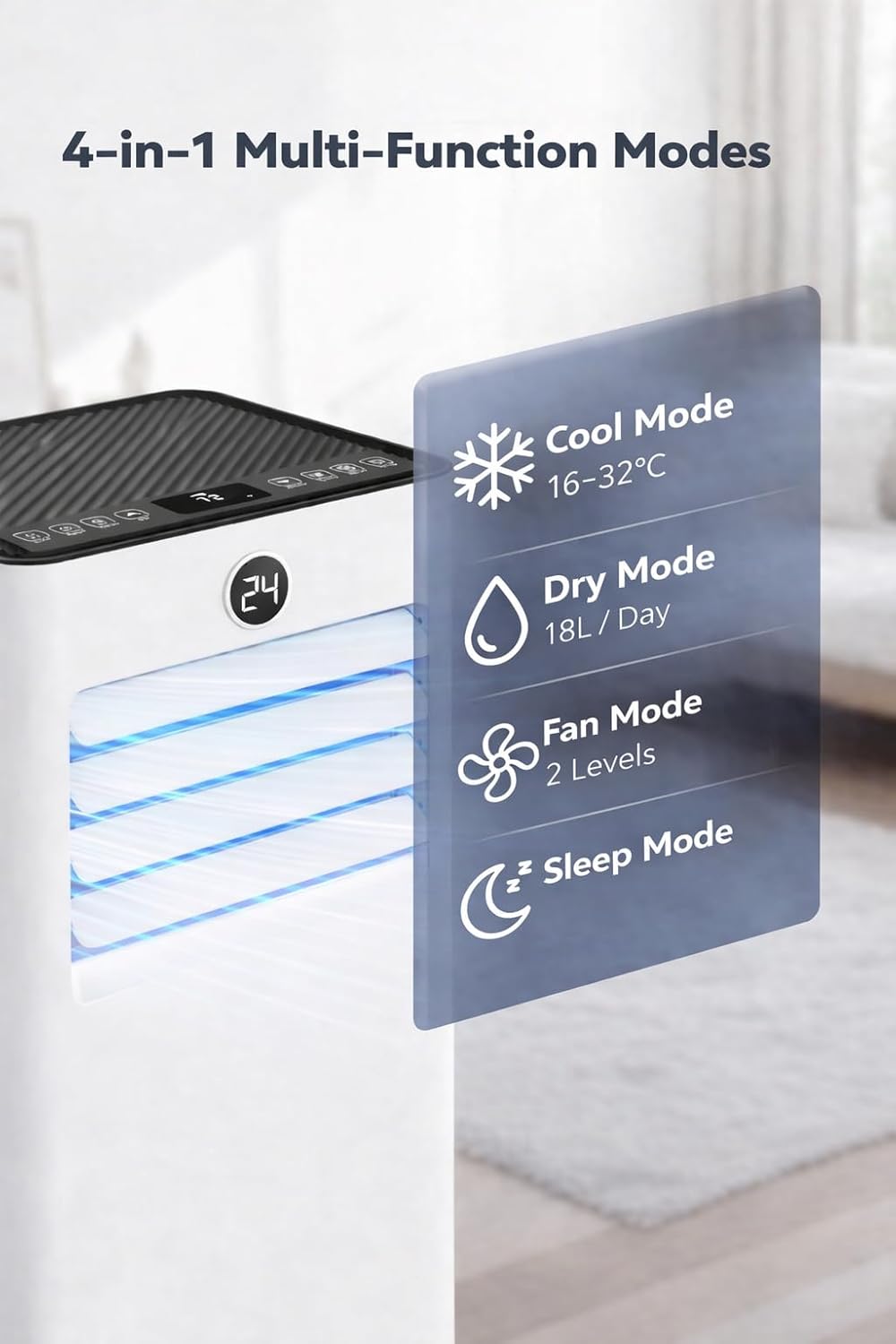
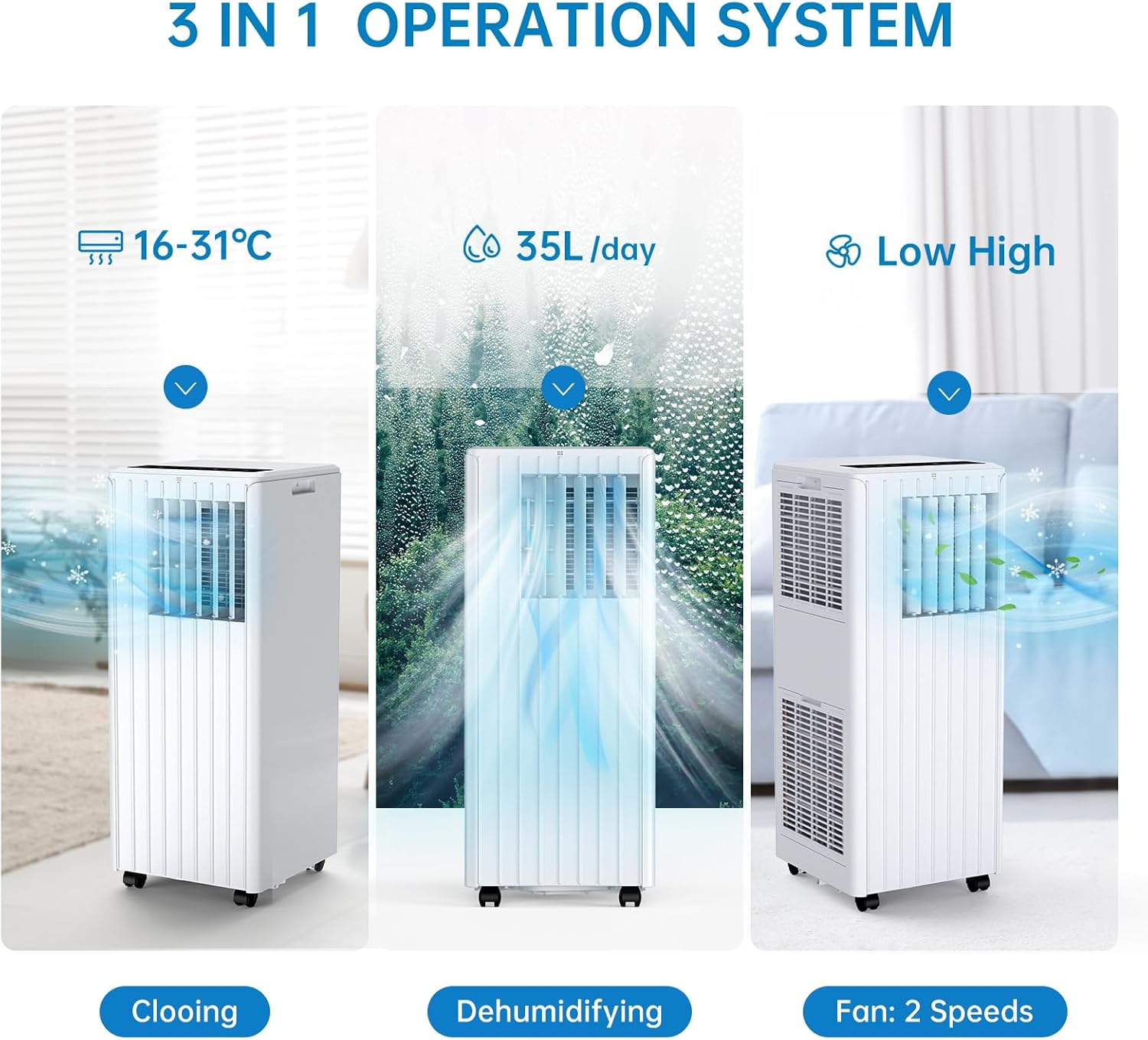
Not all portable air conditioners with window kits deliver the same comfort, so features matter. Look for an air conditioner with multiple modes, including standard cooling, a dedicated dehumidifier mode, and a fan only mode for mild days. A portable air conditioner that combines a dehumidifier fan function can reduce humidity while circulating air gently, which feels cooler even at slightly higher temperatures.
Many of the best portable air conditioners with window kits now include a fan dehumidifier combination mode that automatically balances cooling and moisture removal. This type of dehumidifier fan mode helps prevent dampness in basements or coastal homes, where high humidity can make a moderate room temperature feel oppressive. When comparing portable conditioners from brands such as Whynter, Midea Duo, and other premium portable acs, pay attention to whether the unit with advanced modes can adapt to changing weather without constant manual adjustment.
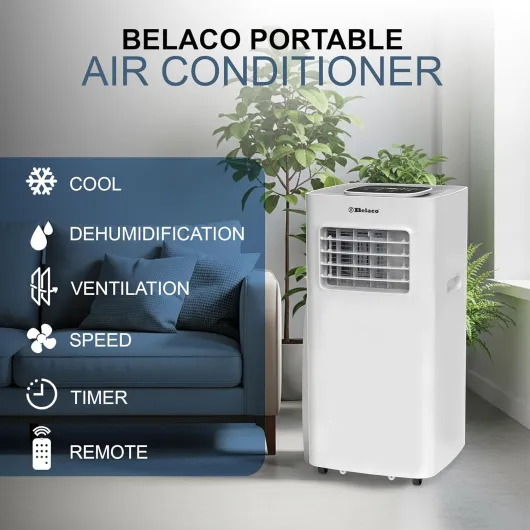
Convenience features also influence daily satisfaction, including a clear digital display, a reliable remote control, and programmable timers that match your schedule. A portable unit with a quiet night mode can reduce noise level while you sleep, which matters in small apartments where the air conditioner sits close to the bed. If you buy through Amazon or another retailer, read detailed reviews that mention real world noise level, ease of use of the remote control, and how well the window kit seals around the hose to prevent hot air leaks, then shortlist two or three models before making a final decision.
Installation, window kits, and managing noise in real homes
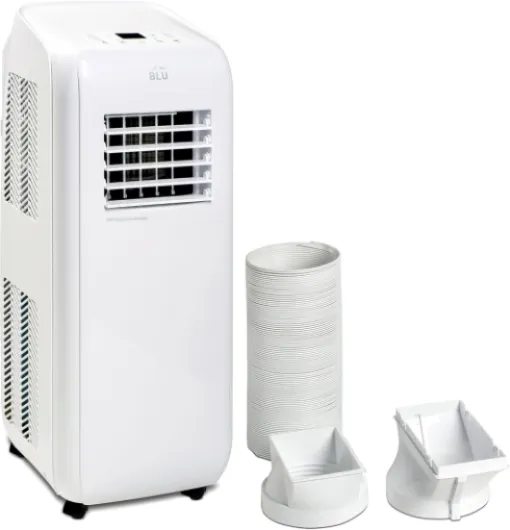
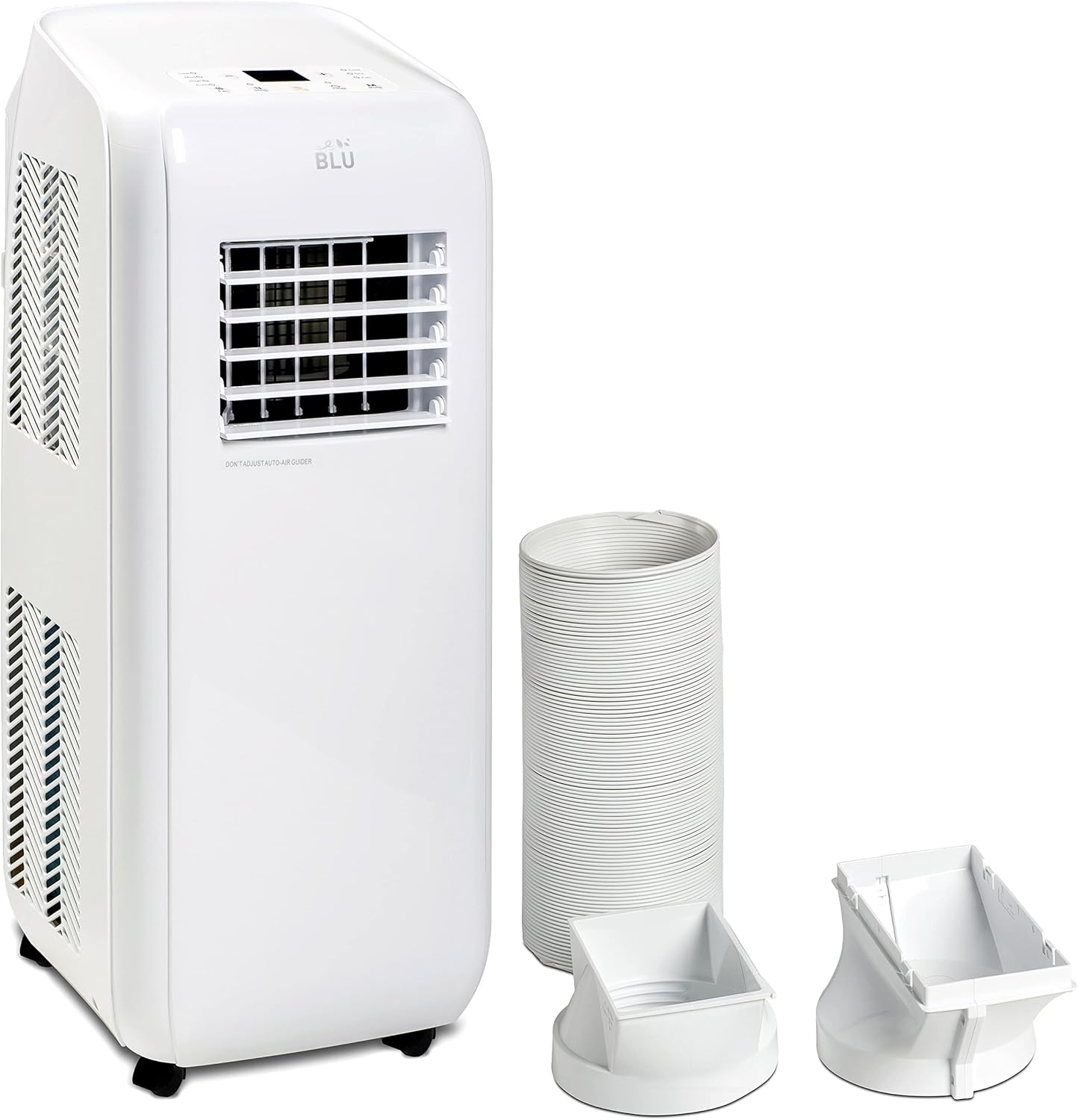
Proper installation of portable air conditioners with window kits determines how efficiently they cool and how quietly they run. A well designed window kit should fit snugly into your window frame, whether you have a sliding window, a sash window, or a tilt and turn style common in many European homes. When the window kit seals tightly around the hose, less hot air seeps back inside, so the air conditioner does not need to run at maximum fan speed constantly.
Most modern portable air conditioners include adjustable window kit panels that extend to different widths, but you may need foam strips or weather sealing tape for an exact fit. Take time during installation to secure the hose firmly and avoid sharp bends, because a kinked hose restricts airflow and increases noise level as the fan works harder. If you plan to move the portable unit between rooms, consider a lighter air conditioner with quick release hose connections so you can detach the window air panel without tools.
Noise management matters especially in bedrooms, nurseries, and home offices where concentration or sleep is critical. Look for portable air conditioners that publish clear noise level data in decibels and offer low fan modes for night use. Many quality models list sound levels around 50 to 60 decibels on low to medium settings in independent tests, and some premium units, including certain Whynter ARC air conditioners and the Midea Duo portable air series, use inverter style compressors and insulated housings that keep the unit with window kit noticeably quieter than older portable acs.
Real world buying advice for different types of users
People shopping for the best portable air conditioners with window kits often fall into a few clear groups. Renters usually want a compact portable air conditioner that installs without drilling, uses a simple window kit, and rolls easily between rooms. Homeowners may prioritise higher BTU models with dual hose designs, integrated dehumidifier fan modes, and more robust construction that can handle continuous summer use.
If you mainly cool a bedroom, choose a portable air conditioner with around 7 000 to 10 000 BTU, a low noise level rating, and a remote control so you can adjust modes from bed. For open plan living rooms or combined kitchen and dining spaces, look at stronger portable acs such as certain Whynter ARC conditioners or Midea Duo units with dual hose technology and efficient hot air exhaust. When browsing on Amazon or in specialist appliance stores, filter for portable air conditioners that include a complete window kit, clear installation instructions, and a warranty that covers both the compressor and the fan dehumidifier components.
Budget conscious buyers can still find a reliable portable unit with a single hose and basic cooling modes, as long as they accept slightly higher noise and slower cooling. Those with allergies or humidity problems should prioritise an air conditioner with a strong dehumidifier mode and washable filters that keep indoor air cleaner. Whatever your profile, always measure your room, check your window type, and confirm that the window air kit supplied with the conditioner will fit securely before you commit to a purchase, then compare at least a few shortlisted models side by side.
Maintenance, energy use, and long term performance
Keeping portable air conditioners with window kits in good condition requires simple but regular maintenance. Clean or replace the air filters every few weeks during heavy use, because clogged filters reduce airflow and force the fan to run louder at higher speeds. A well maintained portable air conditioner not only cools more effectively but also keeps indoor air fresher by trapping dust and pet hair.
Empty the condensate tank or check the drain hose on models with continuous drainage, especially when using the dehumidifier fan mode in humid climates. Some of the best portable air conditioners with window kits, including higher end Whynter ARC units and Midea Duo portable air conditioners, use self evaporating systems that reduce how often you need to manage water. Even with these designs, inspecting the hose connections, the window kit seals, and the exhaust path for hot air once a month helps maintain stable cooling and prevents small leaks from undermining performance.
Energy efficiency depends on more than just the BTU rating, so look for air conditioners with energy saving modes, programmable timers, and variable fan speeds. Using a timer to pre cool a room before peak heat allows the portable unit to run at moderate power instead of maximum output all afternoon. Over several summers, these habits, combined with a well sealed window kit and regular cleaning, keep your portable acs running quietly, extend the life of the compressor, and reduce the total cost of staying comfortably cool.
Key figures about portable air conditioners and window kits
- Typical portable air conditioners for home use range from about 7 000 to 14 000 BTU, which suits rooms from roughly 15 to 30 square metres depending on insulation and sun exposure.
- Independent testing and manufacturer data often show that dual hose portable acs can cool a room noticeably faster than comparable single hose units, because they manage intake and exhaust air more efficiently.
- Noise level for quality portable air conditioners usually falls between about 50 and 60 decibels on low to medium fan modes, similar to a normal conversation, while cheaper models can exceed roughly 65 decibels at full power.
- Self evaporating portable air conditioners can significantly reduce manual condensate draining compared with older designs, especially in moderate humidity conditions.
- Energy efficient portable air conditioners with programmable timers and eco modes can cut electricity use when users schedule cooling only for occupied hours and avoid running the unit unnecessarily.
| Representative model type |
Approx. BTU range |
Hose design |
Typical noise level (dB) |
| Compact bedroom portable ac |
7 000–9 000 BTU |
Single hose |
About 50–55 dB on low |
| Mid size living room unit |
10 000–12 000 BTU |
Single or dual hose |
Roughly 52–58 dB |
| High capacity dual hose model |
12 000–14 000 BTU |
Dual hose |
About 55–60 dB on medium |