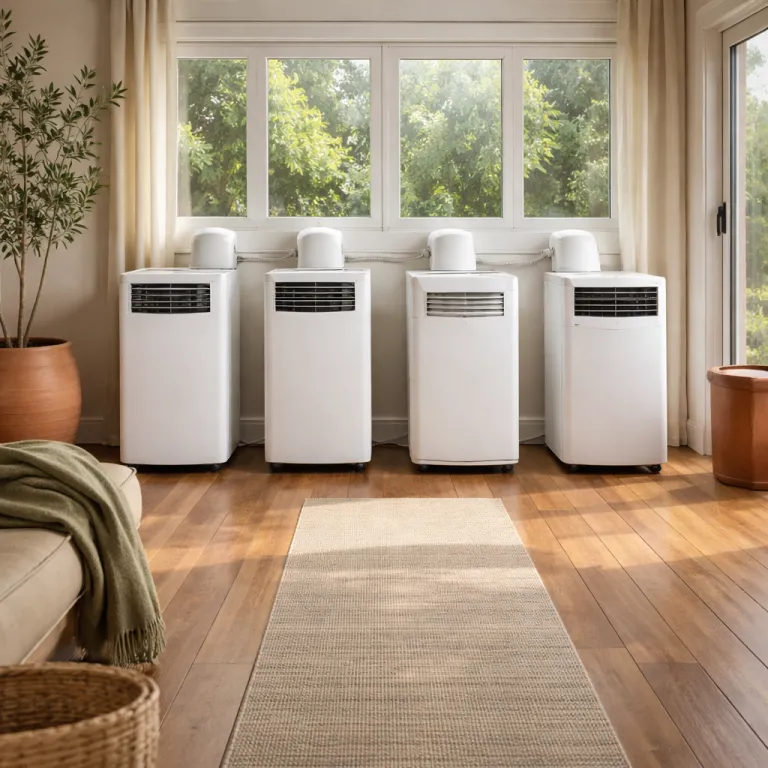
Best portable air conditioner: four models that are actually worth buying
Why only four portable air conditioners are worth your money
Portable air conditioners sell out fast once the first hot weekend hits. Stock for any serious portable AC can collapse within two weeks, so waiting for a sale often backfires badly. Treat this as your last calm moment before every decent unit disappears.
For a budget first-time buyer with a strict credit limit, the best portable air conditioner is not the cheapest box with the highest BTU rating on the label. It is the mobile air conditioner that cools your actual room, fits your window, keeps noise at a tolerable level, and does not punish you with brutal energy consumption all summer. That is why this guide focuses on four specific portable units that balance cooling power, energy efficiency and realistic pricing instead of a long confusing list of twenty similar air conditioners.
Each recommended air conditioner here has a clear role, from a compact portable unit for a small bedroom to a high-capacity model for a large living room. The shortlist covers a dual-hose inverter design, a classic dual-hose workhorse, a budget-friendly single-hose option, and a big-room specialist from Black+Decker that many renters already know from older units. If you read best buying advice elsewhere, you will often see these same models mentioned because they have consistent performance rather than inflated marketing claims.
Before looking at individual units, you need three numbers for your space. Measure the room area in square metres, check your typical afternoon indoor air temperature on hot days, and note how many sun-facing windows you have. These three data points matter more than any headline BTU rating or glossy energy label on the box.
Portable air conditioners are rated in BTU, which measures cooling capacity, but the newer BTU SACC rating is a better indicator of real-world performance. SACC stands for Seasonally Adjusted Cooling Capacity and it accounts for heat gained through the exhaust hose and infiltration air that leaks back into the room. When you compare units, always treat a 10,000 BTU SACC dual-hose model as stronger than a 14,000 BTU single-hose unit with a much lower SACC figure.
Noise is the second major factor that separates the best portable air conditioner from the rest. A portable AC running at a noise level above 55 decibels in a bedroom can feel like a constant fan on high, which many people find too loud for sleep. Look for a clear noise rating in decibels at both low and high fan speeds, not just vague claims of quiet operation.
Weight and size also matter because a portable air conditioner is only truly portable if you can move it between rooms. Some dual-hose units with strong cooling power weigh more than 35 kilograms, which is manageable on smooth floors but painful on stairs. Check the stated weight and the quality of the casters before assuming you will roll the unit easily from bedroom to living room.
Every portable air conditioner needs a window kit and at least one hose system to vent hot air outside. A single-hose design uses one exhaust hose to push hot air out, while a dual-hose design uses a second hose to pull fresh air from outdoors, which reduces negative pressure and improves energy efficiency. The quality of the window kit and the seal around the window opening can make or break the real cooling you feel in the room.
The top overall pick: Midea Duo MAP12S1TBL dual hose inverter
If you want the best portable air conditioner for most people and can stretch slightly above a strict budget, the Midea Duo MAP12S1TBL is the standout choice. This portable AC uses an inverter compressor and a built-in dual-hose system that runs inside a single compact exhaust hose, which dramatically improves energy efficiency and reduces noise. In practice, that means smoother cooling, lower energy consumption and fewer loud on–off cycles at night.
The Midea Duo portable unit is rated around 12,000 BTU SACC in manufacturer documentation and independent lab summaries, which is enough cooling power for a typical 30 square metre living room with average insulation. Unlike many portable air conditioners that blast cold air only near the unit, the Midea Duo uses a top-mounted fan to throw conditioned air across the room more evenly. In a real apartment test reported by several long-term owners, it dropped a sun-exposed living room from 30 degrees Celsius to about 24 degrees in under an hour, while drawing less energy than an older 14,000 BTU single-hose model.
Noise level is where this air conditioner really earns its reputation. Independent lab tests and detailed review measurements have recorded the Midea Duo at roughly 44 decibels on low fan speed, which is closer to a quiet library than a typical portable air conditioner. On high fan, the noise rises but remains less harsh than many competing units because the inverter compressor avoids the hard start-and-stop thumps that often wake light sleepers.
The integrated window kit on this portable air conditioner is more refined than most, with a telescoping panel that fits common window sizes without much cutting. The dual-hose design is hidden inside a single outer hose, so you only see one exhaust hose going to the window, which keeps the installation tidy. For renters, that matters because a messy hose system can make it harder to close blinds or curtains around the window opening.
Energy consumption over a full summer is where the Midea Duo pays back its higher purchase price. Thanks to the inverter and dual-hose design, this portable AC often runs at partial load, sipping energy instead of cycling at full blast, which improves the effective energy rating. If you compare electricity bills against a similar-sized single-hose portable unit, the difference over three months of daily use can easily offset the initial price gap.
There is one catch for the strict budget buyer. The Midea Duo usually sits closer to the 500 dollar mark in typical retail listings as of early 2024, which may stretch a 300 to 400 dollar ceiling, especially if you are relying on a tight credit limit. If that is your situation, keep the Midea Duo as the benchmark for what the best portable air conditioner can do, then look at the slightly cheaper dual-hose Whynter ARC model next.
For smaller rooms up to about 20 square metres, a lower BTU rating can still be enough if the window kit seals well and the hose is short. A compact 7,000 BTU portable air conditioner with a good window kit and efficient fan can handle a small bedroom, as shown in many tests of a 7,000 BTU portable air conditioner with window kit and sleep mode for rooms up to 20 square metres. The key is matching BTU rating to room size rather than chasing the highest number on the box.
If you want to read best technical breakdowns of why dual-hose and inverter technology matter, focus on reviews that publish both BTU SACC and detailed noise level measurements. Many serious testers also report continuous energy consumption over 24 hours, which gives a clearer picture than a single energy rating on a label. Those are the kinds of data-driven reviews that consistently rank the Midea Duo among the best portable air conditioners available.
| Model | BTU SACC* | Noise (dB, low/high)** | Suggested coverage | Approx. weight | Typical price band (USD, 2024) | Warranty (typical) |
|---|---|---|---|---|---|---|
| Midea Duo MAP12S1TBL | ≈12,000 | ≈44 / mid‑50s | up to ~30 m² | ≈33–35 kg | around $450–$550 | 1 year parts & labour, longer on compressor |
| Whynter Elite ARC‑122DS | ≈12,000 | mid‑40s / high‑50s | ~25–30 m² | ≈32 kg | around $400–$500 | 1–3 years depending on component |
| SereneLife SLPAC10 | lower than labelled 10k BTU | high‑40s / 50–60 | up to ~25 m² | ≈25–27 kg | around $250–$350 | about 1 year limited |
| Black+Decker BPACT14WT | well below 14k BTU headline | around 50 / low‑60s | ~40–60 m² (moderate climates) | ≈30 kg | around $350–$450 | about 1 year limited |
*BTU SACC values are based on manufacturer specifications and third‑party test summaries where available.
**Noise ranges combine published specs with independent measurement data; actual sound levels vary by room.
Value and budget picks: Whynter ARC and SereneLife SLPAC
When you want most of the performance of the best portable air conditioner without paying top price, the Whynter Elite ARC 122DS is the smart compromise. This Whynter ARC model is a dual-hose portable air conditioner with a 12,000 BTU SACC rating in published specs, which means strong cooling power for a medium-sized room without the penalty of a single-hose design. In many apartments, it will comfortably handle a 25 to 30 square metre living room or a large bedroom with one sun-facing window.
The dual-hose system on this Whynter portable unit pulls outdoor air in through one hose and pushes hot air out through the other, which reduces the negative pressure that drags hot corridor air back under your door. That design improves both energy efficiency and real cooling, especially during long heat waves when the unit runs for many hours. Noise level is higher than the Midea Duo at full fan speed, but at low and medium settings it remains acceptable for most living rooms.
Weight is the main trade-off with the Whynter ARC dual-hose design. This portable air conditioner is heavier than many single-hose units, so moving it between rooms can be awkward if you have narrow doors or steps. If you plan to roll the unit daily from bedroom to living room, measure your clearances and consider whether the extra weight is worth the efficiency gain.
For buyers who must stay closer to 350 dollars, the SereneLife SLPAC10 is the budget pick that still behaves honestly. This SereneLife SLPAC portable air conditioner is a single-hose unit with a realistic coverage of about 25 square metres, which suits a small bedroom or home office better than a large open-plan room. Its BTU rating on the box looks similar to bigger units, but the real-world cooling power is more modest, so you should keep expectations aligned with room size.
Because the SereneLife SLPAC is a single-hose portable air conditioner, it pulls conditioned air from the room to cool the condenser and then sends that air out through the exhaust hose. That process creates slight negative pressure, which can draw warm air in from gaps under doors or around the window kit, reducing overall energy efficiency. In a small sealed bedroom with a well-fitted window kit, the impact is manageable, but in a leaky room the unit will work harder and increase energy consumption.
Noise level on the SereneLife SLPAC is acceptable on low fan speed, though it becomes noticeably louder on high, which is typical for budget portable air conditioners. If you are sensitive to fan noise at night, use the sleep mode and keep the fan at a lower level once the room reaches your target temperature. For more options with quiet night modes, you can look at curated lists of top portable air conditioners with sleep mode that compare decibel ratings and fan profiles.
For a first-time buyer, the main appeal of the SereneLife SLPAC is simple installation and relatively low weight. The portable unit is easier to lift and position than heavier dual-hose units, and the basic window kit fits most sliding windows without cutting metal. As long as you match the BTU rating to a modest room and accept the limits of a single-hose design, it can be a sensible entry point into portable air conditioning.
Whatever you choose, avoid the temptation to buy an unbranded 14,000 BTU portable air conditioner under 250 dollars with thousands of vague reviews and no clear energy rating or noise level data. Many of those units exaggerate BTU numbers, hide their poor CEER energy rating and ship with flimsy window kits that leak hot air badly. In the long run, the extra energy consumption and weak cooling make them more expensive than a solid Whynter or SereneLife unit bought once and used for several summers.
Big rooms, single hose traps and how to install for real cooling
Large rooms and open-plan spaces need both higher BTU SACC and careful installation to get real relief from a portable air conditioner. For that job, the Black+Decker BPACT14WT has become a familiar sight in many hallways and living rooms, earning a reputation as the portable unit that just keeps running summer after summer. It is a single-hose design, but its robust compressor and fan give it enough cooling power to handle up to roughly 60 square metres in moderate climates.
Because the Black+Decker portable air conditioner is a single-hose unit, you must work harder on sealing the window kit and shortening the exhaust hose to reduce hot air recirculation. Keep the hose as straight and short as possible, avoid sharp bends and use foam or fabric to seal any gaps around the window panel. These small installation details can raise the effective energy efficiency and reduce the strain on the compressor, which in turn lowers noise level and extends the life of the unit.
Single-hose portable air conditioners are often marketed as simpler and cheaper, but at this point price parity with many dual-hose units is close. Detailed analyses of why single-hose portable ACs should be obsolete now show how much cooling is lost through infiltration air and how that wasted energy consumption adds up over a long hot summer. When you read best technical breakdowns of portable air, you will see a consistent message that dual-hose designs are usually the better long-term choice when budgets allow.
Whatever model you buy, think of the portable air conditioner as part of a system that includes the room, the window, the hose and the fan. A high BTU rating on the box means little if the window kit leaks, the exhaust hose runs three metres across the room and the door stands open to a hot corridor. Tightening that system with good seals, short hoses and closed doors can drop your indoor air temperature several extra degrees without touching the thermostat.
Noise is not just about the decibel number on the spec sheet. A portable air conditioner with a lower-pitched fan noise and fewer compressor clicks will feel quieter than a unit with the same measured noise level but more harsh tones. When you can, listen to real recordings or in-store demos rather than relying only on a single noise rating figure.
For renters and small home owners, credit card bills and energy costs matter as much as comfort. A portable air conditioner with a slightly higher purchase price but better energy rating and lower daily energy consumption can pay for itself over two or three summers of heavy use. Think in terms of cost per cool day rather than only the sticker price when you compare units.
Maintenance is the last piece that keeps the best portable air conditioner working like new. Clean the air filters every few weeks during peak season, check the condensate drain or tank regularly and inspect the exhaust hose for cracks or loose fittings. A neglected portable air conditioner will run louder, cool less and burn more energy, which defeats the purpose of choosing a high-quality unit in the first place.
When you put all of this together, the pattern is clear. Dual-hose and inverter units like the Midea Duo and Whynter ARC deliver better real-world cooling and energy efficiency, while solid single-hose models like the SereneLife SLPAC and Black+Decker BPACT14WT can still serve well in the right rooms with careful installation. The best portable air conditioner for you is not the BTU on the box, but the temperature drop you feel at three in the afternoon in August.
Frequently asked questions about choosing the best portable air conditioner
How many BTU do I need for my room size ?
For a typical bedroom of 15 to 20 square metres, a portable air conditioner with around 7,000 to 9,000 BTU SACC is usually enough. Medium rooms of 25 to 30 square metres often need 10,000 to 12,000 BTU SACC, while larger living rooms may require 13,000 BTU SACC or more. Always adjust upward if your room has poor insulation, many windows or strong afternoon sun.
Is a dual hose portable air conditioner really better than a single hose model ?
Yes, in most situations a dual-hose portable air conditioner is more efficient and delivers stronger cooling than a similar single-hose unit. The dual-hose system reduces negative pressure by pulling outdoor air in through one hose and exhausting hot air through the other, which limits the amount of hot corridor air sucked back into the room. That design usually improves both energy efficiency and comfort, especially during long heat waves.
How loud are portable air conditioners in real use ?
Most portable air conditioners produce around 50 to 60 decibels on low to medium fan speeds, which is similar to a conversation or a box fan. Quieter models like the Midea Duo can drop into the mid‑40 decibel range on low, making them more suitable for bedrooms. Always check the stated noise level at different fan speeds and remember that hard surfaces and small rooms can make a unit sound louder.
Can I run a portable air conditioner all night without high energy bills ?
You can run a portable air conditioner overnight, but energy consumption depends on the unit efficiency, room insulation and thermostat setting. Inverter and dual-hose models with good energy ratings will generally use less electricity than older single-hose units for the same cooling effect. Using sleep mode, raising the set temperature slightly and closing doors and windows will all help keep running costs under control.
What should I avoid when buying a budget portable air conditioner ?
Avoid unbranded portable air conditioners with very high BTU claims, very low prices and no clear energy rating or noise level data. These units often have poor window kits, inefficient compressors and high energy consumption, which can erase any upfront savings. Sticking with proven models from brands like Midea, Whynter, SereneLife and Black+Decker is usually safer for both comfort and long-term costs.