
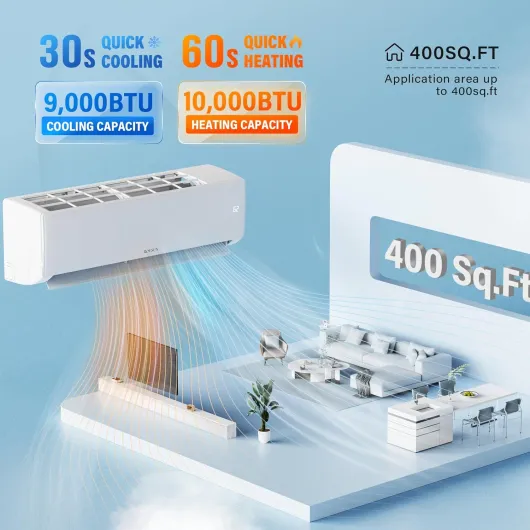

Understanding the 9000 btu mini split air conditioner
What Makes a 9000 BTU Mini Split Air Conditioner Unique?
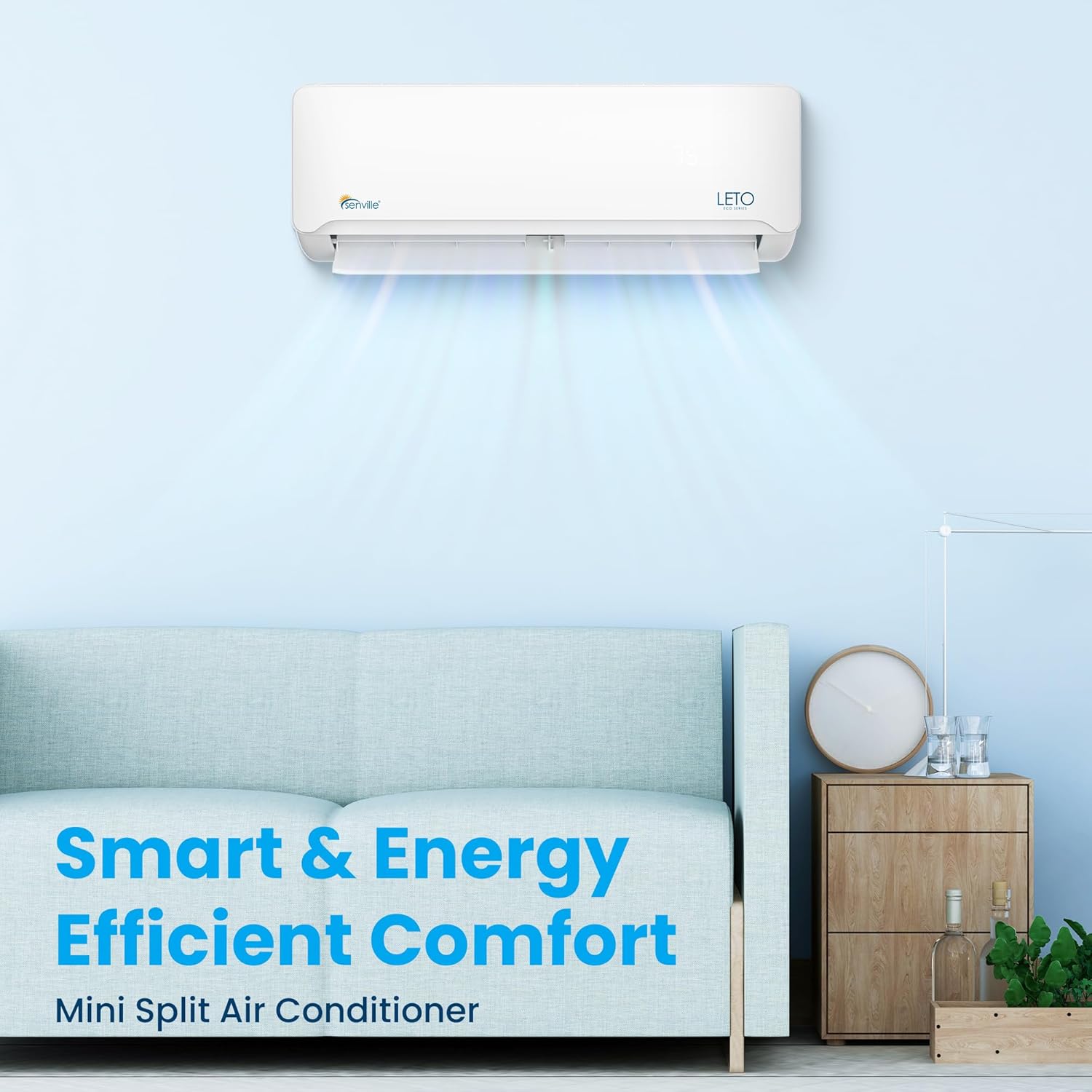
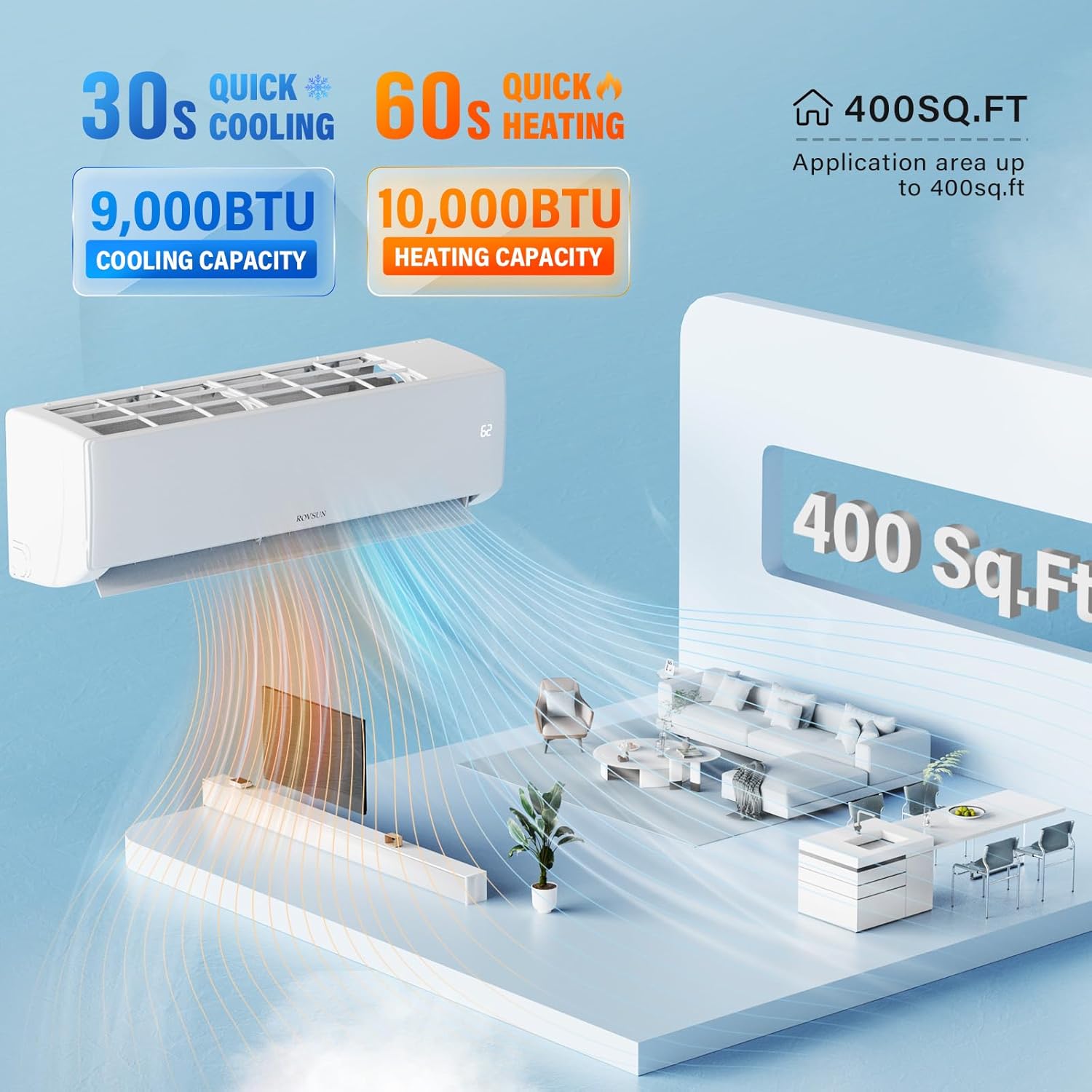
A 9000 BTU mini split air conditioner is designed for targeted cooling and heating in small to medium-sized spaces. The BTU rating indicates the unit’s cooling capacity, making it suitable for bedrooms, offices, or studio apartments. Unlike traditional window units, a ductless mini split system offers flexibility in installation and often delivers higher energy efficiency. These systems are available in various series, including high efficiency and ENERGY STAR certified models, which can help reduce your energy bills over time.
How Mini Split Systems Work
Mini split air conditioners operate without ductwork. The system consists of two main parts: an indoor wall mounted unit and an outdoor compressor. The indoor unit is typically mounted high on a wall or as a ceiling cassette, allowing for efficient zone cooling and heating. Many models function as a heat pump, providing both cooling and heating for year-round comfort. The split wall design minimizes noise level inside your space, making it a quiet choice compared to some portable air conditioners.
Why Choose a 9000 BTU Ductless Mini Split?
- Zone control: Cool or heat only the rooms you use, improving comfort and saving energy.
- High SEER ratings: Many 9000 BTU mini split systems offer high SEER (Seasonal Energy Efficiency Ratio) values, meaning better efficiency and lower operating costs.
- Flexible installation: Wall mount, ceiling cassette, or even floor mount options are available, adapting to your room layout.
- Quiet operation: Indoor units are designed for low noise level, ideal for bedrooms or offices.
- Heating and cooling: Most models act as a heat pump, providing both cooling and heating functions.
Considerations Before Buying
When looking at mini split air conditioners for sale, compare features like SEER rating, noise level, and whether the unit is ENERGY STAR certified. Check the sale price and look for free shipping offers to get the best deal. If you’re interested in a wall mounted air conditioner without an outdoor unit, this guide on choosing a wall mounted air conditioner without outdoor unit can help you understand your options.
As you continue, you’ll find more details on how these mini split systems compare to portable air conditioners, what features to prioritize, and tips for installation and maintenance. Understanding these basics will help you make a confident decision for your cooling and heating needs.

Comparing mini split and portable air conditioners
How Mini Split and Portable Air Conditioners Differ
When deciding between a 9000 BTU mini split air conditioner and a portable air conditioner, it’s important to understand how each system operates and what they offer. Both options provide cooling, but their design, installation, and efficiency can vary significantly. Here’s a closer look at the main differences to help you make an informed choice.
- Installation: Mini split systems require mounting an indoor unit on the wall and connecting it to an outdoor compressor. This process is more involved than simply plugging in a portable air conditioner, but it results in a more permanent and efficient solution. Portable air conditioners are easier to set up, often needing just a window kit for venting.
- Energy Efficiency: Mini split air conditioners, especially those with high SEER ratings and ENERGY STAR certification, are known for their energy efficiency. They use inverter technology and heat pump capabilities for both cooling and heating, making them suitable for year-round comfort. Portable units tend to consume more energy for the same BTU output and may not offer the same level of efficiency.
- Noise Level: Mini split systems are generally quieter, as the noisy compressor is located outside. Portable air conditioners house all components in one unit, which can lead to higher noise levels indoors.
- Cooling and Heating Zones: Ductless mini split systems can be configured for multiple zones, allowing you to control the temperature in different rooms independently. Portable air conditioners are typically single-zone solutions, cooling only the room where they are placed.
- Flexibility and Portability: Portable air conditioners can be moved from room to room, which is convenient for renters or those who need temporary cooling. Mini split units are fixed installations, ideal for long-term use and consistent performance.
- Price and Long-Term Value: The sale price of a mini split system is usually higher than that of a portable air conditioner. However, the high efficiency, lower energy costs, and dual cooling-heating functionality of a mini split can make it a better investment over time.
For those interested in a system that can provide both cooling and heating throughout the year, you might want to explore how a window air conditioner with heat can be a smart choice for year-round comfort. This can help you compare all available options for your specific needs.
| Feature | Mini Split Air Conditioner | Portable Air Conditioner |
|---|---|---|
| Installation | Wall mounted, professional installation | Plug-and-play, window venting |
| Energy Efficiency | High SEER, ENERGY STAR, heat pump | Lower efficiency, higher running cost |
| Noise Level | Low (outdoor compressor) | Moderate to high (indoor unit) |
| Zone Control | Multi-zone options | Single zone |
| Portability | Fixed installation | Movable |
| Price | Higher upfront, long-term savings | Lower upfront, higher energy cost |
Choosing between a mini split and a portable air conditioner comes down to your priorities: efficiency, installation, flexibility, and long-term value. Consider your space, budget, and whether you need both cooling and heating before making a decision.
Key features to look for in a 9000 btu mini split system
Essential aspects to evaluate in a 9000 BTU mini split system
When selecting a 9000 BTU mini split air conditioner, it’s important to focus on the features that will have the biggest impact on your comfort, energy savings, and long-term satisfaction. Here’s what to look for when comparing models and brands:
- SEER rating and energy efficiency: The Seasonal Energy Efficiency Ratio (SEER) measures how efficiently a mini split unit cools or heats your space. Higher SEER ratings mean better energy savings and lower utility bills. Look for ENERGY STAR certified models for proven high efficiency.
- Heating and cooling capability: Many 9000 BTU mini split systems function as both air conditioners and heat pumps, offering year-round comfort. Check if the unit provides both cooling and heating, and consider models with inverter technology for more consistent temperature control.
- Zone control: Ductless mini split systems are ideal for targeted cooling or heating in specific zones. If you need to control the temperature in more than one room, look for multi-zone mini split series. Single-zone units are perfect for individual rooms or small spaces.
- Noise level: Wall mounted mini split air conditioners are known for quiet operation, but noise levels can vary between models. Check the decibel (dB) rating, especially if the unit will be installed in a bedroom or office.
- Installation flexibility: Wall mount and ceiling cassette options allow you to choose the best fit for your space. Some units offer easier installation with pre-charged linesets, while others may require professional installation. Consider the installation requirements and whether free shipping is available when comparing sale prices.
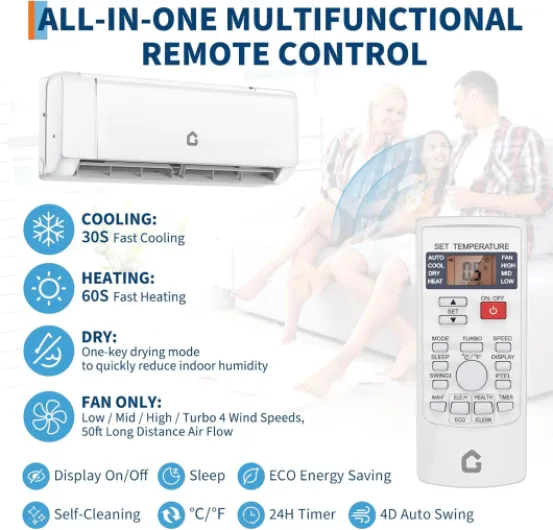
- Smart features and controls: Modern mini split air conditioners often include remote controls, Wi-Fi connectivity, and programmable timers. These features can enhance convenience and help you manage energy use more effectively.
- Warranty and after-sale support: A robust warranty and reliable customer support can make a big difference in your overall experience. Check the warranty terms for the compressor and parts, and look for brands with a reputation for responsive service.
For those interested in maintaining optimal performance and air quality, choosing the right pads for your system’s evaporative cooler can also play a role. For more details, check out this guide on evaporative cooler pad selection.
| Feature | Why It Matters | What to Look For |
|---|---|---|
| BTU & SEER | Determines cooling/heating power and efficiency | 9000 BTU, high SEER, ENERGY STAR |
| Zone Capability | Controls temperature in one or more rooms | Single or multi-zone mini split |
| Noise Level | Impacts comfort, especially in quiet spaces | Low dB rating |
| Installation | Affects cost and flexibility | Wall mount, ceiling cassette, pre-charged linesets |
| Smart Features | Enhances convenience and energy management | Remote, Wi-Fi, programmable timer |
| Warranty | Protects your investment | Comprehensive coverage, good support |
By carefully evaluating these aspects, you’ll be better equipped to choose a high efficiency 9000 BTU ductless mini split air conditioner that fits your needs, budget, and installation preferences.
Installation tips for mini split air conditioners
Preparing for a Successful Mini Split Installation
Installing a 9000 BTU mini split air conditioner is a practical way to achieve efficient cooling and heating in a single zone. Before you begin, it’s important to understand the steps involved and what to expect in terms of time, tools, and expertise. While some homeowners choose professional installation, others with DIY experience may handle certain aspects themselves. However, always check local regulations and warranty requirements before starting.
- Choose the Right Location: Select a spot on your wall that allows for optimal airflow and easy access for maintenance. The wall mount should be high enough to distribute air evenly but clear of obstructions like shelves or curtains. For ceiling cassette units, ensure there’s enough ceiling space and structural support.
- Outdoor Unit Placement: The outdoor condenser should be placed on a stable, level surface with adequate clearance for ventilation. Avoid locations near bedrooms or patios to minimize noise level concerns.
- Drilling and Mounting: You’ll need to drill a hole through the wall for the refrigerant lines, drain hose, and electrical wiring. Use a wall sleeve to protect your home’s structure and prevent air leaks. Secure the indoor unit’s mounting plate firmly to the wall studs.
- Connecting Refrigerant Lines: Carefully connect the pre-charged refrigerant lines between the indoor and outdoor units. Proper insulation is crucial to maintain high efficiency and avoid energy loss. If you’re not experienced with refrigerant handling, it’s best to hire a certified technician.
- Electrical Wiring: Mini split air conditioners require a dedicated electrical circuit. Follow the manufacturer’s instructions and local codes. An electrician may be needed to ensure safe and code-compliant installation.
- Testing and Final Checks: Once everything is connected, test the system for leaks and proper operation. Check the cooling and heating functions, noise level, and remote control response. Confirm that the unit achieves the expected SEER rating and energy star performance.
Tips for a Smooth Installation Experience
- Purchase a complete installation kit if available. Many series BTU mini split systems include mounting hardware, line sets, and wall sleeves.
- Look for models with free shipping and sale price offers to save on upfront costs.
- Consult the product manual for your specific unit, as installation steps may vary between ductless mini split air conditioners and ceiling cassette designs.
- Keep the area around the indoor and outdoor units clear for easy maintenance and optimal air flow.
Proper installation is key to maximizing the high efficiency and long-term reliability of your 9000 BTU ductless mini split heat pump. Investing time in careful setup will help you enjoy consistent cooling and heating, lower energy bills, and quieter operation for years to come.
Energy efficiency and cost considerations
Understanding SEER Ratings and Energy Star Certification
When evaluating a 9000 BTU mini split air conditioner, energy efficiency is a top concern. The Seasonal Energy Efficiency Ratio (SEER) measures how efficiently a cooling system operates over a season. A higher SEER rating means the unit uses less energy to provide the same amount of cooling or heating. Many modern mini split systems, including ductless mini and wall mount models, come with Energy Star certification, indicating they meet strict energy efficiency guidelines. This can translate to lower utility bills and a reduced environmental impact.Comparing Energy Costs and Long-Term Savings
The initial sale price of a high efficiency mini split air conditioner may be higher than some alternatives, but the long-term savings on energy bills often outweigh the upfront cost. Heat pump technology in these units allows for both cooling and heating, making them versatile for year-round use. When comparing units, consider the BTU rating, SEER value, and whether the system is a single zone mini split or a multi-zone series. Multi-zone systems can cool or heat several rooms independently, potentially reducing wasted energy.- BTU and SEER: Match the BTU mini split to your room size and look for a SEER rating above 16 for high efficiency.
- Energy Star: Prioritize air conditioners with this label for proven energy savings.
- Heat Pump: Dual cooling heating capability can reduce the need for separate systems.
- Noise Level: Quieter units often use less energy and improve comfort.
Installation and Its Impact on Efficiency
Proper installation is crucial for maximizing energy efficiency. A poorly installed wall mounted or ceiling cassette mini split can lead to air leaks and higher energy consumption. Professional installation is recommended, especially for ductless mini split systems. Make sure the unit is sized correctly for your space and that the installation location allows for optimal airflow. Free shipping offers from reputable retailers can help offset installation costs, but always factor in professional labor for best results.Maintenance for Sustained Performance
Regular maintenance keeps your split air conditioner running efficiently. Clean or replace filters, check for refrigerant leaks, and ensure the outdoor and indoor units are free from obstructions. Scheduled servicing can prevent costly repairs and maintain the high SEER performance promised by the manufacturer. For multi-zone or series BTU systems, inspect each zone to ensure balanced cooling and heating.| Feature | Impact on Energy Efficiency |
|---|---|
| SEER Rating | Higher SEER reduces energy use and costs |
| Heat Pump | Enables efficient cooling and heating |
| Installation Quality | Proper installation prevents energy loss |
| Maintenance | Regular upkeep sustains efficiency |
| Energy Star | Certified for high efficiency |
Maintenance and troubleshooting for mini split systems
Routine Care for Long-Lasting Performance
Regular maintenance is essential to keep your 9000 BTU mini split air conditioner running efficiently. Dust and debris can accumulate on the filters and coils, reducing airflow and cooling or heating performance. Clean or replace filters every month during heavy use. For wall mounted or ceiling cassette units, gently vacuum the filters or rinse them with water, then let them dry completely before reinstalling. Also, check the outdoor condenser for leaves or dirt that could block airflow.Addressing Common Issues
Even high efficiency ductless mini split systems can experience issues over time. If you notice a drop in cooling or heating output, strange noises, or error codes, start by checking the filters and ensuring the unit is not obstructed. For noise level concerns, make sure the wall mount bracket is secure and the unit is level. If the problem persists, consult your installation manual or contact a professional technician, especially if you suspect refrigerant leaks or electrical faults.Seasonal Checks and Energy Savings
Before each cooling or heating season, inspect your mini split air conditioner for signs of wear. Look for ice buildup on the coils, which can indicate airflow problems or low refrigerant. Test the remote and thermostat to ensure accurate temperature control. Regularly cleaning and inspecting your system helps maintain a high SEER rating, which translates to lower energy bills and a better sale price if you ever decide to upgrade.When to Call a Professional
Some tasks, like checking refrigerant levels or servicing the heat pump, should be handled by certified technicians. Improper handling can void warranties or damage the unit. If your split air conditioner is not providing adequate cooling heating for your zone, or if you notice water leaks from the wall mounted indoor unit, professional service is recommended. This is especially important for multi zone mini split series BTU systems, where complex wiring and refrigerant lines are involved.- Clean filters monthly for optimal airflow
- Inspect outdoor condenser for debris
- Check for ice buildup and unusual noises
- Schedule professional maintenance annually