
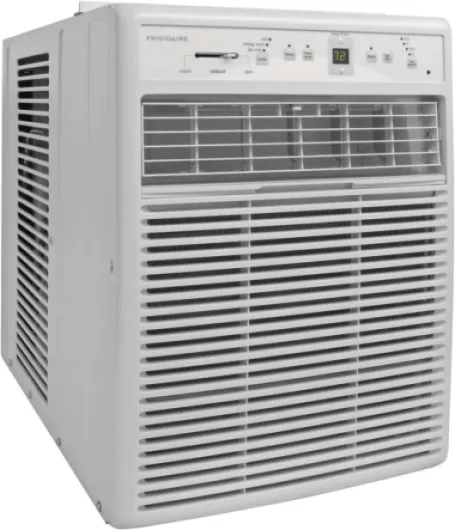

Understanding vertical air conditioners for sliding windows
What Makes Vertical Air Conditioners Ideal for Sliding Windows?
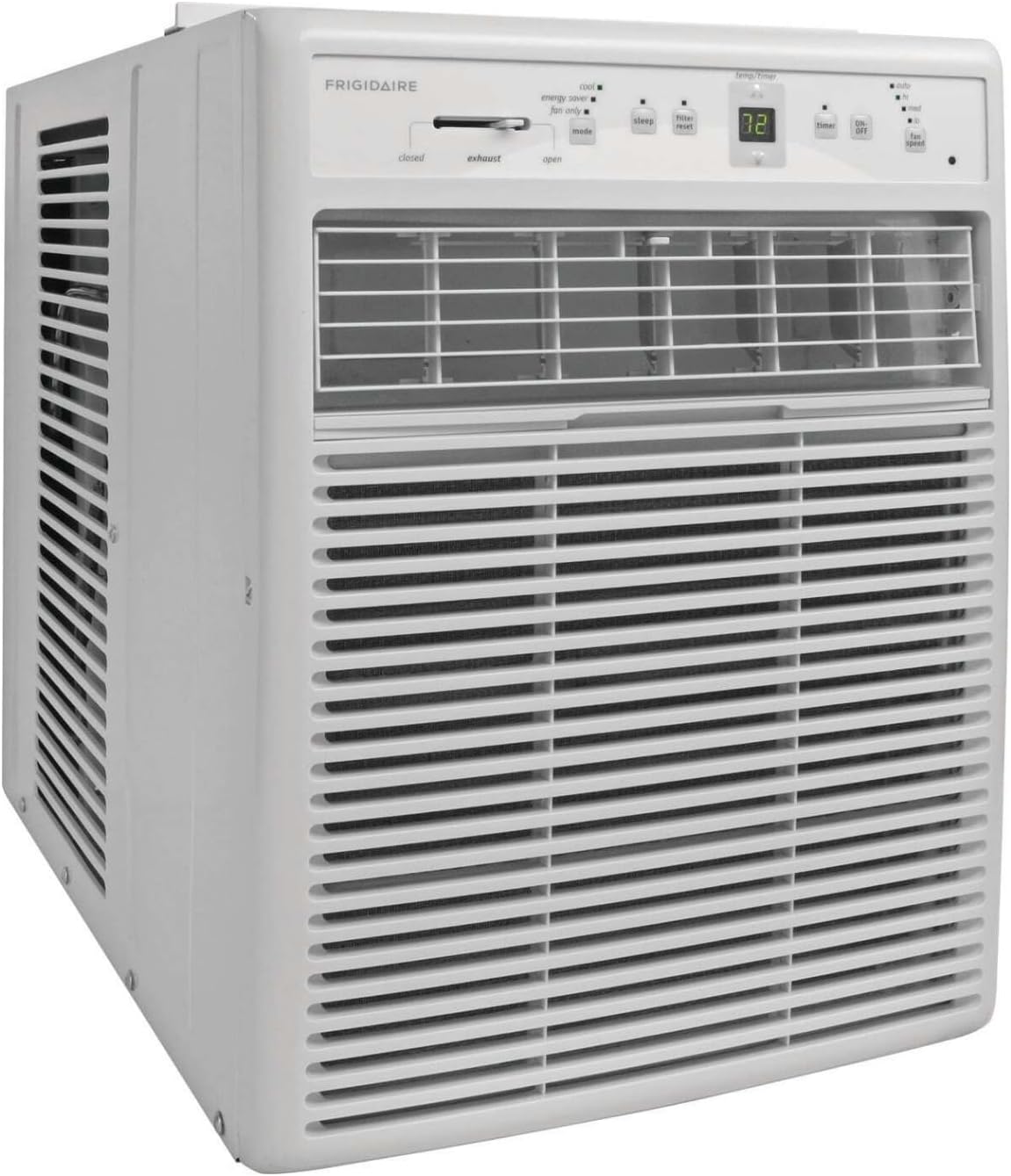
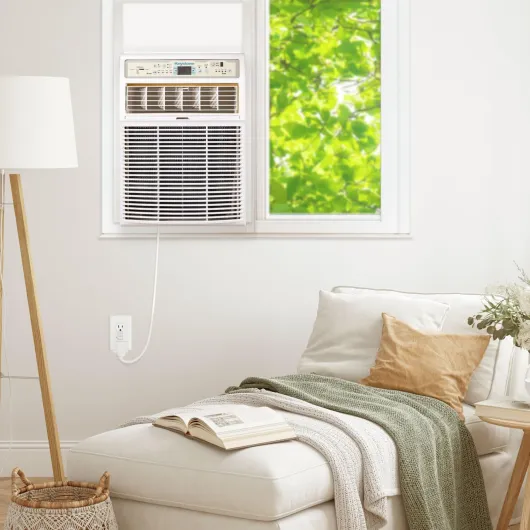
Vertical air conditioners are designed specifically for spaces with sliding or casement windows, where traditional window units often don’t fit. Unlike standard window air conditioners, these units are tall and narrow, allowing them to be installed vertically. This makes them a practical solution for apartments, condos, or rooms where window options are limited.
How Vertical Units Differ from Traditional Window Air Conditioners
Most window air conditioners are built for horizontal installation, but vertical models are engineered to fit the unique dimensions of sliding windows. They often come with a window kit that helps seal the opening and secure the unit in place. Some vertical air conditioners are also portable, making them easy to move from room to room, while others are designed as more permanent window units.
- Portability: Many vertical air conditioners are portable, allowing for flexible cooling in different rooms.
- Window Compatibility: Their shape fits sliding and casement windows, which are common in modern homes.
- Installation: Most units include a window kit for easy setup and removal.
Key Features to Look For
When exploring vertical air conditioners, you’ll notice a range of features designed to enhance comfort and convenience. Many models offer remote control or even smart app control, letting you adjust settings from across the room or via your phone. Adjustable fan speeds, programmable timers, and energy efficient modes are common. Some products, like saddle air conditioners or the Soleus Air models, are designed to minimize noise level and maximize cooling capacity.
Who Benefits Most from Vertical Air Conditioners?
If you have a sliding window or a casement window and want to avoid the hassle of permanent installation, a vertical air conditioner could be the perfect solution. These units are especially popular in small rooms, rental properties, or spaces where traditional window units simply won’t fit. For those interested in learning more about how spot coolers and portable air conditioners can address unique cooling needs, check out this guide to spot cooler air conditioners for additional insights.

Key factors to consider before buying
Assessing Room Size and Cooling Capacity
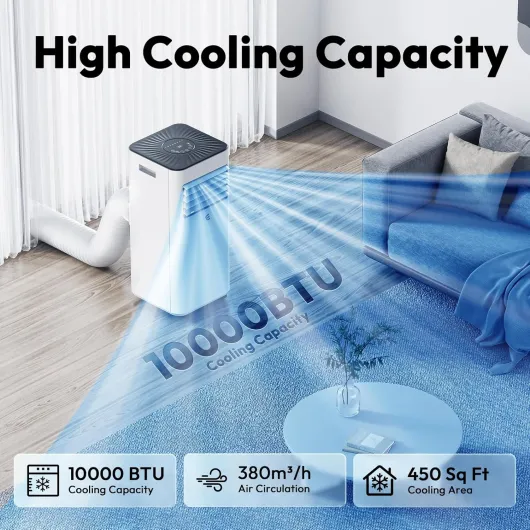
Before selecting a vertical air conditioner for your sliding window, it’s essential to match the cooling capacity to your room size. Cooling capacity is measured in BTUs (British Thermal Units). A small room may only need a unit with 8,000 BTU, while larger spaces require more powerful models. Check the product specifications and use manufacturer guidelines to avoid under- or over-cooling. Remember, a unit that’s too powerful can cycle on and off, wasting energy and not dehumidifying properly.
Compatibility with Sliding and Casement Windows
Not all air conditioners fit every window type. For sliding or vertical windows, look for models specifically designed for vertical installation. Some units come with a window kit that ensures a snug fit and easy setup. Confirm that the window kit is compatible with your window’s height and width. Products like the saddle air or Soleus Air models are designed for these unique window types, offering a secure and efficient solution.
Energy Efficiency and Cost Considerations
Energy efficiency is a key factor, especially if you plan to use the air conditioner frequently. Look for energy efficient ratings such as ENERGY STAR certification. These units consume less power, helping you save on electricity bills. Features like programmable timers, smart app control, and multiple fan speeds can further optimize energy use. Investing in an efficient unit may cost more upfront but leads to long-term savings.
Noise Level and Comfort
Noise level can impact your comfort, especially in bedrooms or offices. Check the decibel (dB) rating in the product description. Many top portable air conditioners and window units are designed to operate quietly, but some models are quieter than others. If noise is a concern, look for user reviews on Amazon or other platforms to gauge real-world performance.
Control Options and Smart Features
Modern air conditioners offer a range of control options. Remote control is standard, but some units also support voice control or app control for added convenience. Smart air conditioners can be integrated with home assistants, allowing you to adjust settings from your phone or with voice commands. Consider which features are most important for your lifestyle and room setup.
Installation and Portability
Ease of installation is crucial, especially for renters or those who may need to move the unit. Portable air conditioners with a window kit are generally easy to install and remove. Make sure the unit is not too heavy if you plan to move it between rooms. Some products come with wheels or handles for added portability.
For a deeper dive into selecting the best terminal air conditioning unit for your space, check out this comprehensive guide on choosing the right terminal air conditioning unit.
Installation tips for sliding windows
Preparing Your Sliding Window for Installation
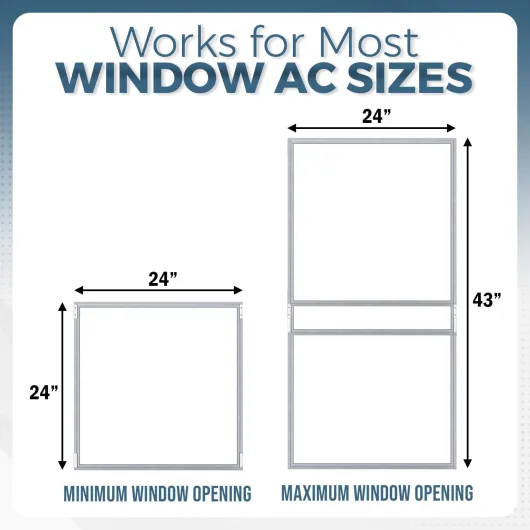
Before setting up your vertical air conditioner, make sure your sliding window is clean and free of obstacles. Measure the window opening to confirm the unit and window kit will fit. Most portable air conditioners designed for vertical windows come with an adjustable window kit, but double-check the dimensions to avoid surprises.
Step-by-Step Setup for a Secure Fit
- Assemble the window kit: Most products include panels that can be adjusted to fit the height of your sliding window. Attach the panels according to the manufacturer’s instructions.
- Install the kit: Place the assembled kit into the open window track. Ensure a snug fit to prevent air leaks and improve energy efficiency. Some kits use foam strips or weather sealing for a tighter seal.
- Secure the window: Slide the window against the kit to hold it in place. Lock the window if possible, or use a security bar for added safety.
- Connect the exhaust hose: Attach the hose from the portable air conditioner to the window kit. Make sure the connection is tight to avoid warm air re-entering the room.
- Plug in and test: Once everything is set, plug in the unit and use the remote control or app control (if available) to start cooling. Adjust fan speeds and cooling capacity as needed for your room size.
Tips for a Smooth Installation
- Choose a window unit with a quiet noise level if you plan to use it in a bedroom or office.
- Look for energy efficient models to save on electricity bills.
- Some smart air conditioners offer voice control or app control for easy operation.
- For casement or vertical windows, make sure the window kit is compatible with your specific window type.
- Check if the product comes with a remote for convenient control from anywhere in the room.
For those looking for an alternative to traditional air conditioning, consider exploring evaporative coolers for portable cooling needs. These can be a good fit for certain climates and window types.
| Feature | Benefit |
|---|---|
| Adjustable window kit | Fits most sliding and vertical windows |
| Remote control / app control | Easy operation from anywhere in the room |
| Energy efficient design | Lower energy costs |
| Multiple fan speeds | Customizable cooling for comfort |
| Quiet operation | Ideal for bedrooms and offices |
Energy efficiency and cost savings
How to Maximize Energy Savings with Vertical Air Conditioners
When choosing a vertical air conditioner for sliding windows, energy efficiency is a top concern. Not only does an energy efficient unit help reduce your electricity bills, but it also minimizes your environmental impact. Here are some practical points to consider:- BTU and Room Size: Selecting the right BTU rating for your room size is crucial. Too many BTUs can waste energy, while too few may not cool the space effectively. For example, a small room may only need a 6,000 BTU unit, while larger rooms require more cooling capacity.
- Energy Star Certification: Look for vertical window air conditioners with Energy Star labels. These products meet strict energy efficiency guidelines and are tested for performance.
- Smart and App Control: Many modern portable air conditioners offer smart features, such as app control or voice control. These allow you to adjust settings remotely, ensuring the unit only runs when needed, which saves energy.
- Programmable Timers and Remote Control: Using a remote control or setting a timer can help you manage cooling cycles, preventing unnecessary operation when the room is unoccupied.
- Fan Speeds and Modes: Adjustable fan speeds and eco modes let you tailor the cooling output, further reducing energy use. Some units even have sleep modes that gradually adjust temperature overnight.
- Window Kit Installation: A well-installed window kit ensures minimal air leakage around the vertical window or sliding window, improving overall efficiency. Make sure the kit fits snugly and seals gaps to keep cool air inside.
- Noise Level: Quieter units often use less energy, as they tend to be designed with more efficient compressors and fans. Check product reviews for noise level ratings before buying.
| Model | BTU | Energy Star | Smart/App Control | Noise Level |
|---|---|---|---|---|
| Perfect Aire 3PASC10000 | 10,000 | Yes | No | Low |
| Soleus Air Saddle Air | 8,000 | Yes | Yes | Very Low |
| Amazon Basics Vertical Window AC | 6,000 | No | No | Moderate |
Maintenance and troubleshooting
Keeping Your Vertical Air Conditioner Running Smoothly
Regular maintenance is essential for any portable air conditioner, especially when installed in a vertical or sliding window. A well-maintained unit not only cools your room efficiently but also extends the lifespan of the product and helps you save on energy costs.- Filter Cleaning: Dust and debris can quickly clog the air filter, reducing airflow and cooling capacity. Most vertical window air conditioners have easy-access filters that should be cleaned every two weeks during heavy use. Simply remove the filter, rinse it under running water, and let it dry before reinstalling.
- Window Kit Inspection: Check the window kit and seals regularly to ensure there are no gaps where warm air can enter. A tight fit is crucial for energy efficiency and maintaining the desired room temperature. If you notice any wear or damage, replacement kits are available on Amazon and from most manufacturers.
- Drainage Management: Portable air conditioners often collect condensation. Some units have self-evaporating technology, but others may require manual draining. Always follow the manufacturer's instructions to avoid water leaks, especially in small rooms or apartments.
- Remote and App Control: Test your remote control or app control features periodically. If the remote stops responding, try replacing the batteries. For smart air conditioners, ensure your Wi-Fi connection is stable and the app is updated for seamless operation.
- Noise Level Monitoring: Over time, increased noise can indicate a problem with the fan or internal components. If your unit becomes noticeably louder, inspect for loose parts or contact the manufacturer's support for troubleshooting.
Common Troubleshooting Steps
Even top-rated portable air conditioners like the Soleus Air saddle air or Perfect Aire window unit may occasionally face issues. Here are some quick checks:- Unit Not Cooling: Ensure the BTU rating matches your room size. A unit with insufficient cooling capacity will struggle, especially in larger spaces or rooms with direct sunlight.
- Control Panel Issues: If the control panel or voice control features are unresponsive, try resetting the unit by unplugging it for a few minutes. For smart models, check for firmware updates.
- Water Leaks: Confirm the drainage system is clear and the unit is level in the window. Blocked drains or improper installation can cause leaks.
- Airflow Problems: Make sure nothing is blocking the air intake or exhaust. Clean the filter and check that the window kit is properly installed for optimal airflow.
Comparing popular models and features
How Leading Vertical Air Conditioners Stack Up
When comparing vertical air conditioners for sliding windows, it’s important to look at real-world performance, features, and user experience. Here’s a breakdown of some top models and what sets them apart in the market for portable and window units.| Product | Cooling Capacity (BTU) | Window Compatibility | Energy Efficiency | Noise Level | Control Options | Special Features |
|---|---|---|---|---|---|---|
| Soleus Air Saddle Air Conditioner | 8,000–12,000 | Vertical & Sliding Windows | ENERGY STAR® Certified | Low (as low as 38 dB) | Remote, App, Voice | Unique saddle design, easy install, smart control |
| Perfect Aire Vertical Window AC | 10,000 | Vertical & Casement Windows | Energy Efficient | Moderate | Remote Control | Adjustable fan speeds, compact unit |
| Amazon Basics Portable Air Conditioner | 10,000 | Sliding Windows (with kit) | Standard | Moderate | Remote Control | Easy window kit, small room cooling |
| Frigidaire Vertical Window AC | 8,000–12,000 | Vertical & Sliding Windows | ENERGY STAR® Certified | Low | Remote, App | Smart features, multiple fan speeds |
What to Look For in a Vertical Window Air Conditioner
- Cooling Capacity (BTU): Match the BTU rating to your room size. A small room may need only 8,000 BTU, while larger spaces require more.
- Window Kit & Installation: Ensure the unit comes with a window kit designed for sliding or vertical windows. Some products, like the saddle air conditioner, offer easier installation and a better seal.
- Energy Efficiency: ENERGY STAR® certified models can help reduce energy costs. Look for energy-saving modes and programmable timers.
- Noise Level: If you’re sensitive to noise, check the decibel rating. Some units operate as quietly as 38 dB, which is suitable for bedrooms or offices.
- Control Options: Many modern air conditioners offer remote control, app control, or even voice control for convenience.
- Smart Features: Features like app integration, multiple fan speeds, and programmable settings can enhance comfort and usability.