

Understanding the capacity of a 24000 btu air conditioning unit
How Much Cooling Power Do You Really Need?
When considering a 24000 BTU air conditioner, understanding what this capacity means for your space is crucial. BTU, or British Thermal Unit, measures the amount of heat an air conditioning unit can remove from a room per hour. A 24000 BTU unit is designed for large rooms or open-plan areas, typically ranging from 1,000 to 1,500 square feet, depending on factors like ceiling height, insulation, and sun exposure.
- Room Size: The size of your room is the first thing to consider. Too much cooling capacity can lead to short cycling, while too little will leave your space uncomfortably warm.
- Type of Unit: Portable air conditioners, ductless mini split systems, and wall mounted units all offer different installation and performance benefits. Each type affects how efficiently the cooling is distributed.
- Voltage and SEER: Most 24000 BTU units require a higher voltage (often 220-240V) and come with a SEER (Seasonal Energy Efficiency Ratio) rating. A higher SEER means better energy efficiency, which can lower your running costs over time.
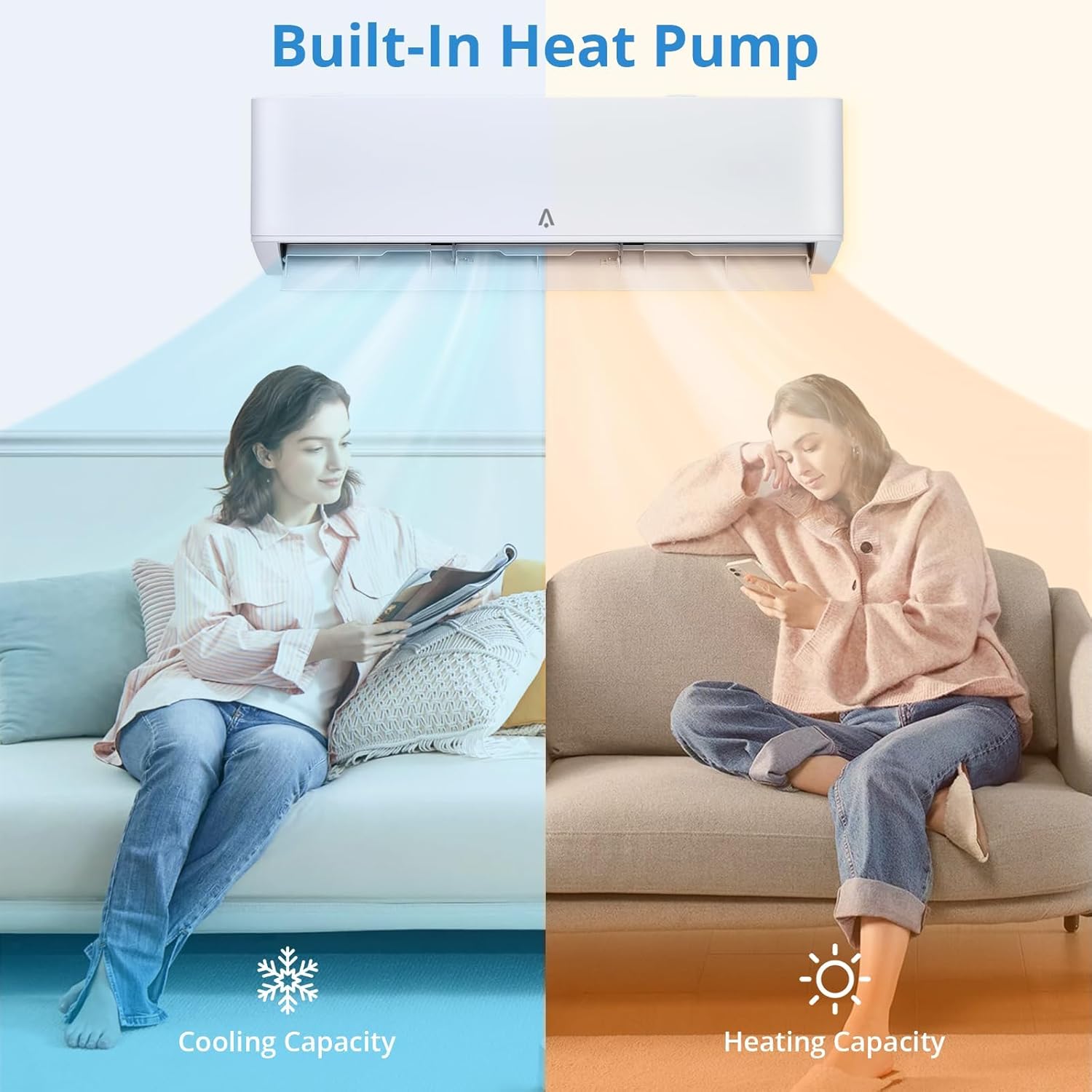
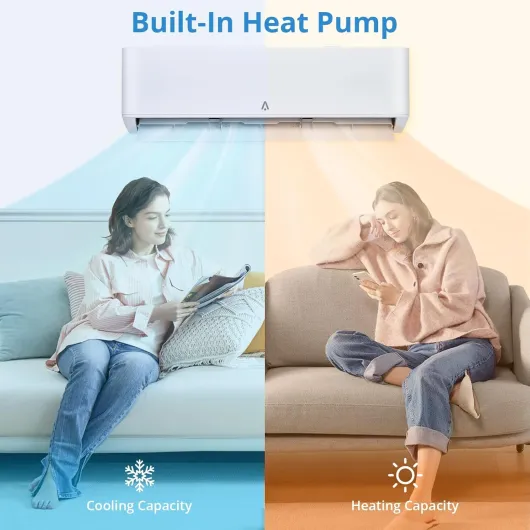
- Heat Pump Function: Some models offer both cooling and heating, acting as a split heat pump. This can be a smart choice if you want year-round comfort.
It’s also worth considering the difference between a ductless mini split system and a traditional portable air conditioner. Ductless mini split units include an indoor unit and an outdoor unit, connected by refrigerant lines, and are known for being energy efficient and quiet. Portable air conditioners are easier to move and install, but may not offer the same level of air quality or efficiency.
For those with smaller spaces or different needs, you might want to compare with other sizes. For example, if you’re unsure whether 24000 BTU is right for you, check out this guide on choosing the right 7000 BTU portable air conditioner for your space.
Remember, the right cooling capacity ensures comfort, energy efficiency, and long-term savings. In the next sections, we’ll look at features, installation, and maintenance tips to help you make the best choice for your home or office in the United States.

Key features to look for in a portable air conditioner
What Makes a Portable 24000 BTU Air Conditioner Stand Out?
When selecting a portable air conditioner with a 24000 BTU cooling capacity, it’s important to focus on features that impact both comfort and efficiency. Not all units are created equal, and the right combination of features can make a big difference in performance, energy use, and ease of installation.
- Cooling and Heating Options: Some portable units offer both cooling and heat pump functions. This dual capability is useful for year-round comfort, especially in climates with varying temperatures. Look for models labeled as split heat or heat pump for added versatility.
- Energy Efficiency Ratings: Pay attention to the SEER (Seasonal Energy Efficiency Ratio) and voltage requirements. Higher SEER ratings mean better energy efficiency, which can lower running costs. Voltage SEER information is usually available in the product specs and is crucial for ensuring compatibility with your home’s electrical system.
- Type and Size: Portable air conditioners come in different types, including ductless mini split, wall mounted, and traditional portable units. Ductless mini split systems often provide quieter operation and more precise temperature control. Consider the size of the indoor unit and whether you need a wall mount or floor-standing model.
- Installation Flexibility: Some units are designed for easy installation, with options for wall mount or window venting. Ductless mini split systems require both an indoor and outdoor unit, but many models offer free shipping within the United States, which can help offset installation costs.
- Air Quality Features: Look for air conditioners with built-in air filters or air purification systems. These features help improve indoor air quality by trapping dust, allergens, and other particles.
- Noise Levels: Check the decibel ratings for both the indoor and outdoor unit. Quieter operation is especially important for bedrooms or offices.
- Smart Controls: Many modern air conditioners offer Wi-Fi connectivity, remote controls, or programmable timers. These features add convenience and can help you manage energy use more effectively.
- Warranty and Support: Consider the regular price versus sale price, but also look at warranty terms and customer support. Reliable after-sales service can make a big difference in long-term satisfaction.
For a deeper look at how these features compare in smaller units, you might find this guide on choosing the right 12000 BTU portable AC unit helpful. Many of the same principles apply, just scaled up for larger spaces.
Installation tips for portable 24000 btu air conditioners
Preparing Your Space for a 24000 BTU Portable Air Conditioner
Before starting the installation, it’s important to assess the size and layout of your room. A 24000 BTU air conditioner offers substantial cooling capacity, making it suitable for larger areas or open-plan spaces. Make sure the area is free from obstructions and that there’s enough clearance for proper air circulation around the unit.
Key Steps for a Smooth Installation
- Voltage and Power: Check that your electrical system matches the voltage requirements of the air conditioner. Many 24000 BTU models require a dedicated 220-240V outlet. Using the correct voltage seer setup helps maintain energy efficiency and protects your investment.
- Placement: Position the indoor unit near a window or wall opening for easy venting. If you’re considering a wall mount or wall mounted setup, ensure the wall can support the weight of the air conditioner. For ductless mini split or mini split systems, both the indoor and outdoor unit locations matter for optimal air quality and cooling.
- Venting: Proper venting is crucial. Most portable air conditioners come with a window kit for exhaust. Secure the vent hose tightly to prevent leaks and maintain energy efficient operation. For ductless or split heat pump systems, follow the manufacturer’s guidance for connecting the pump and refrigerant lines.
- Shipping and Handling: Due to their size and weight, 24000 BTU units often require careful handling. Many suppliers in the United States offer free shipping, but always inspect the unit upon arrival for any damage before installation.
Installation Tips for Different Types
- Portable Units: These are easier to set up, requiring only a suitable power outlet and a window for venting. Make sure the mount is secure and the hose is not kinked.
- Mini Split and Ductless Mini Split: These wall mounted systems need professional installation for both the indoor and outdoor unit. Proper placement ensures efficient cooling and heat distribution.
For more on optimizing your system’s performance, including selecting the right pads for your evaporative cooler, check out this guide on choosing the right pads for your evaporative cooler.
| Type | Installation Complexity | Key Considerations |
|---|---|---|
| Portable Air Conditioner | Low | Requires window venting, suitable power outlet |
| Mini Split / Ductless Mini Split | High | Professional installation, wall mounting, refrigerant lines |
| Wall Mounted Unit | Medium | Wall support, secure mounting, proper venting |
Energy efficiency and running costs
Understanding Energy Ratings and What They Mean
When choosing a 24000 BTU portable air conditioner, energy efficiency is a top concern. The Seasonal Energy Efficiency Ratio (SEER) is a key metric to consider. A higher SEER rating means the unit uses less energy to provide the same amount of cooling, which can lead to lower electricity bills. Many modern ductless mini split systems and wall mounted air conditioners offer impressive SEER ratings, making them more energy efficient than older models.
Factors That Influence Running Costs
- Voltage and Power Consumption: Most 24000 BTU units require a higher voltage, often 220-240V, to operate efficiently. Check your home’s electrical setup before installation.
- Type of Air Conditioner: Ductless mini split and split heat pump systems are generally more energy efficient than traditional window or portable units. Wall mount and wall mounted options also tend to offer better energy savings.
- Cooling Capacity vs. Room Size: Using a unit with the right BTU for your space prevents energy waste. Oversized or undersized units can lead to higher costs and less effective cooling.
- Usage Patterns: Running your air conditioner only when needed, and using programmable timers, can help reduce energy consumption.
Tips for Maximizing Energy Efficiency
- Ensure proper installation of both the indoor unit and outdoor unit to prevent air leaks and maintain optimal cooling capacity.
- Regularly clean or replace air filters to maintain good air quality and efficient airflow.
- Use curtains or blinds to block direct sunlight, reducing the heat load on your air conditioner.
- Consider models with inverter technology, which adjust compressor speed for more consistent cooling and lower energy use.
Comparing Costs: Regular Price vs. Sale Price
While energy efficient models may have a higher regular price, they often pay off in the long run through reduced running costs. Look for units with free shipping offers in the United States to save on upfront expenses. During promotions, sale price reductions can make high-SEER, wall mounted, or ductless mini split heat pump units more accessible.
Environmental Impact and Air Quality
Energy efficient air conditioners not only lower your electricity bills but also reduce your carbon footprint. Many modern units use eco-friendly refrigerants and offer features that improve indoor air quality, such as advanced filtration systems. Choosing the right size and type of unit for your space ensures effective cooling while minimizing environmental impact.
Maintenance and care for long-lasting performance
Keeping Your Portable Air Conditioner in Top Shape
Regular maintenance is essential for any 24000 BTU portable air conditioner to deliver optimal cooling capacity and energy efficiency. Whether you have a ductless mini split, a wall mounted unit, or a portable air conditioner, consistent care helps extend the lifespan and maintain indoor air quality.- Filter Cleaning: Dust and debris can clog the air filter, reducing airflow and straining the unit. Most manufacturers recommend cleaning or replacing filters every two to four weeks, especially during heavy use. This simple step supports better air quality and efficient cooling.
- Coil Maintenance: Both the indoor unit and outdoor unit (if applicable) have coils that should be kept clean. Dirty coils force the air conditioner to work harder, raising energy costs and lowering SEER (Seasonal Energy Efficiency Ratio) performance. Gently vacuum or wipe coils as needed.
- Drainage Checks: Portable air conditioners collect moisture during operation. Regularly empty the water tank or ensure the drainage hose is clear to prevent leaks and maintain cooling efficiency.
- Inspect for Obstructions: Make sure the air intake and exhaust are free from obstructions. For wall mount and wall mounted units, check that nothing blocks the vents or restricts airflow.
- Voltage and Electrical Safety: Confirm the voltage matches your unit’s requirements. Overloading circuits can damage the air conditioner or pose safety risks. If you notice irregular performance, consult a professional for inspection.
Maximizing Longevity and Performance
The type and size of your air conditioner, whether a split heat pump, ductless mini split, or traditional portable unit, influence maintenance needs. Here are a few more tips:- Schedule professional servicing annually, especially for larger BTU mini split systems.
- Monitor for unusual noises or reduced cooling—these can signal issues with the pump or refrigerant.
- Keep the area around the unit clean to minimize dust entering the system.
- Follow the manufacturer’s installation and care guidelines to avoid voiding warranties or reducing energy efficiency.
Common challenges and troubleshooting tips
Frequent Issues and How to Address Them
Portable 24000 BTU air conditioners are powerful units, but even the best models can face challenges. Here are some common problems users encounter, along with practical troubleshooting tips:- Insufficient Cooling: If your air conditioner isn’t reaching the desired cooling capacity, check the room size against the unit’s BTU rating. Make sure doors and windows are closed, and inspect the air filter for dust buildup. A clogged filter can reduce airflow and efficiency.
- Water Leaks: Portable air conditioners often collect condensation. If you notice water pooling, ensure the drain pan is not full and the drain hose is properly connected. For ductless mini split systems, confirm the indoor unit is mounted level on the wall to prevent leaks.
- Unusual Noises: Rattling or buzzing sounds may indicate loose parts or debris inside the unit. Check the installation, especially if you have a wall mounted or ductless mini split air conditioner. Tighten any visible screws and clear obstructions from the fan or pump.
- Unit Won’t Start: Double-check the voltage requirements and make sure the unit is plugged into a compatible outlet. Some high-capacity models require a dedicated circuit. Inspect the remote batteries and reset the unit if needed.
- Reduced Air Quality: Regular maintenance is key. Clean or replace filters as recommended to maintain healthy indoor air. For mini split and split heat pump systems, schedule professional servicing to keep both the indoor and outdoor units running efficiently.
When to Seek Professional Help
If basic troubleshooting doesn’t resolve the issue, or if you notice electrical problems, persistent leaks, or error codes, it’s best to contact a certified technician. This is especially important for ductless mini split and wall mount systems, where improper handling can affect energy efficiency and safety.Tips for Preventing Future Problems
- Follow the manufacturer’s maintenance schedule for your specific air conditioner type and size.
- Keep the area around the indoor and outdoor units clear for optimal airflow and cooling performance.
- Monitor energy usage and SEER ratings to ensure your unit remains energy efficient over time.
- Take advantage of free shipping offers and warranty services from reputable retailers in the United States to minimize repair costs.