Key technologies that make a portable air conditioner quiet and efficient
Several engineering choices separate the best low noise portable air conditioners from standard portable products that simply push cold air loudly. The most important is the use of a smart inverter compressor, which adjusts its speed continuously to match the required cooling instead of switching abruptly between full power and off. This smart inverter approach keeps the noise level more stable, reduces energy consumption, and often allows a quieter sleep mode for night use.
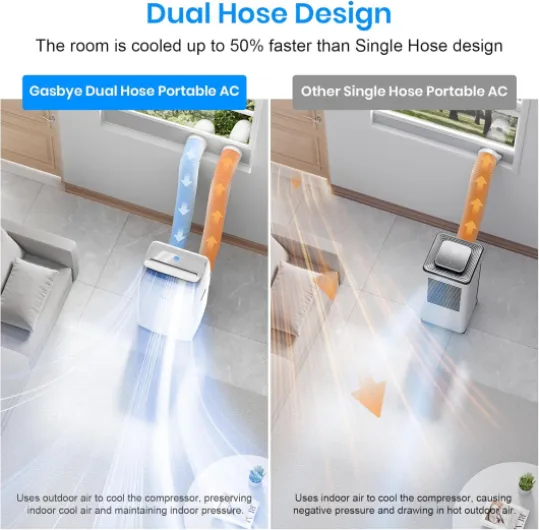
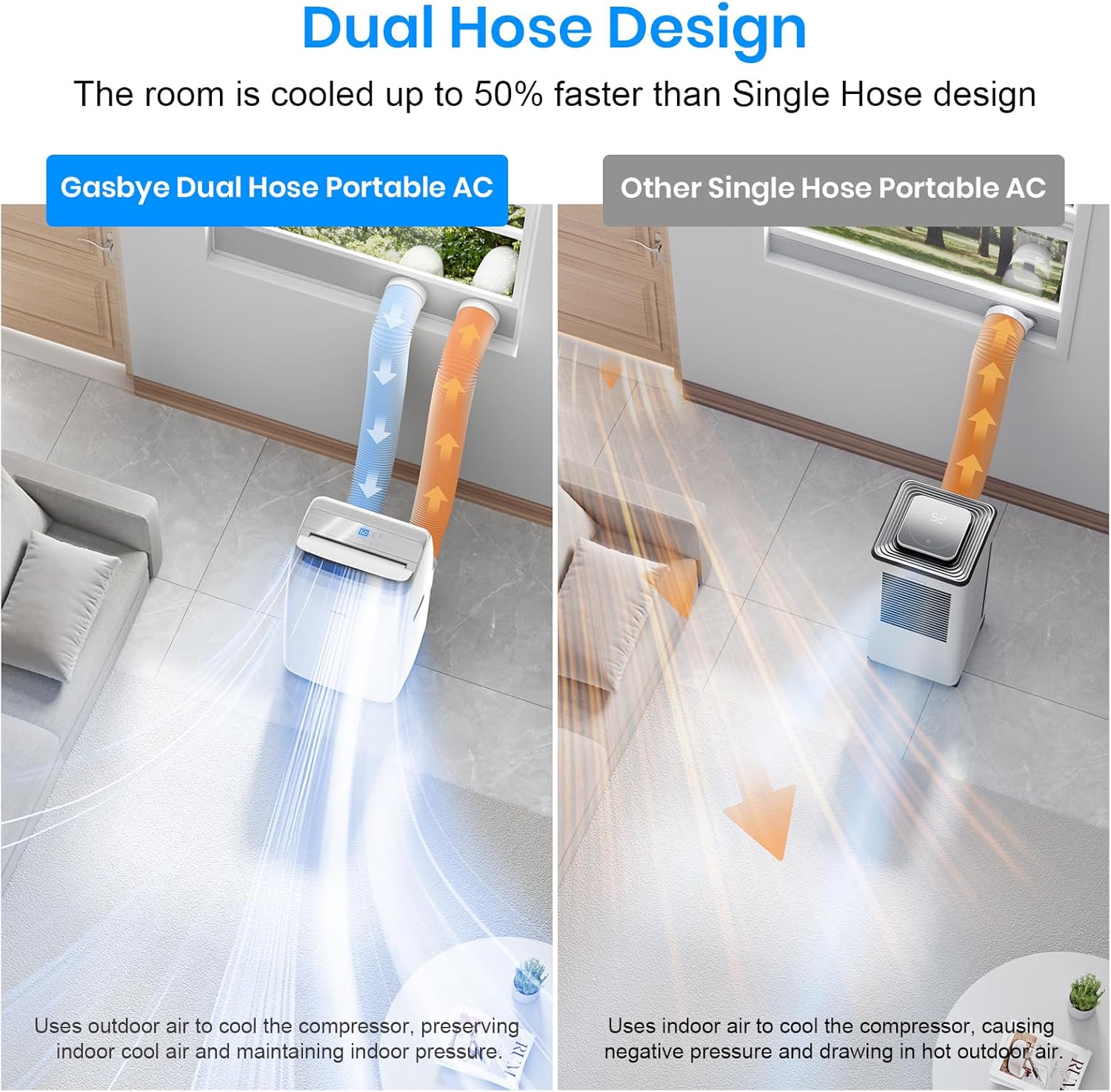
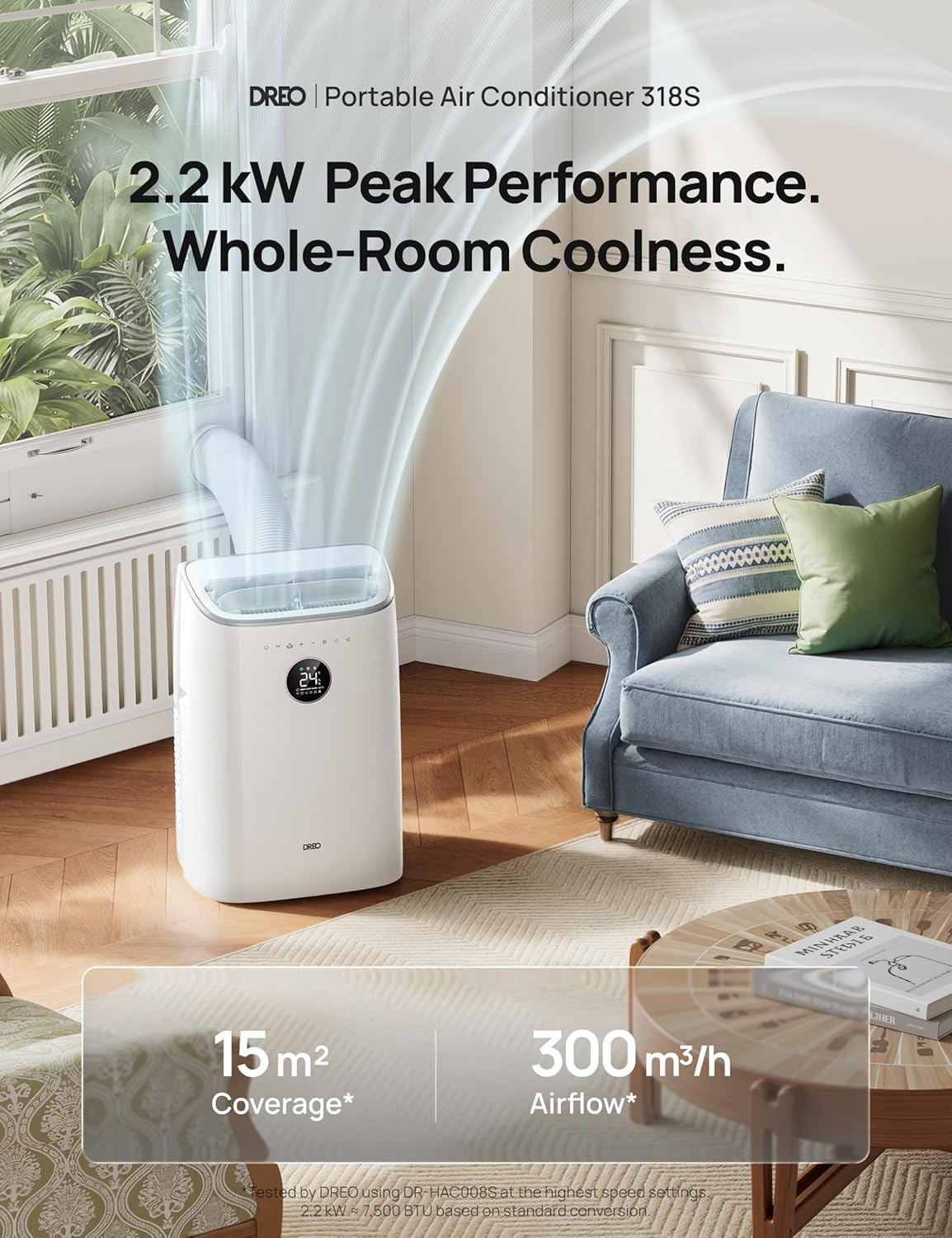
Hose design also plays a decisive role in how quiet portable air conditioners feel in real homes. A single hose portable unit draws some replacement air from the room, which can create slight drafts and make the fan work harder, while a dual hose design separates intake and exhaust air to stabilize pressure and reduce unnecessary airflow noise. Dual hose portable acs usually cost more, yet they often deliver better cooling power and lower perceived noise when used in large rooms with a proper window installation and a well sealed window kit.
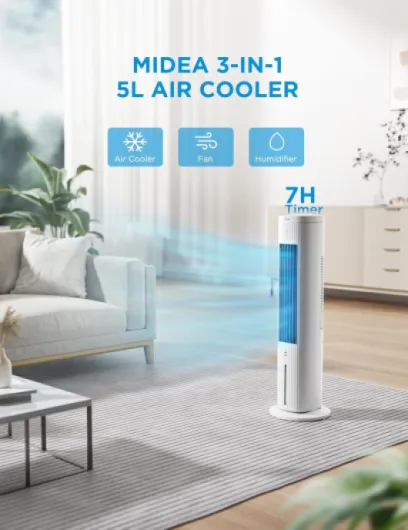
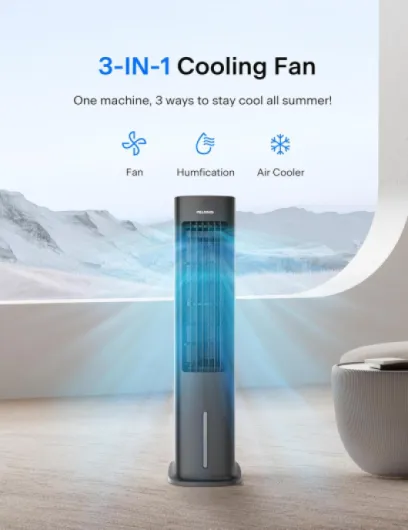
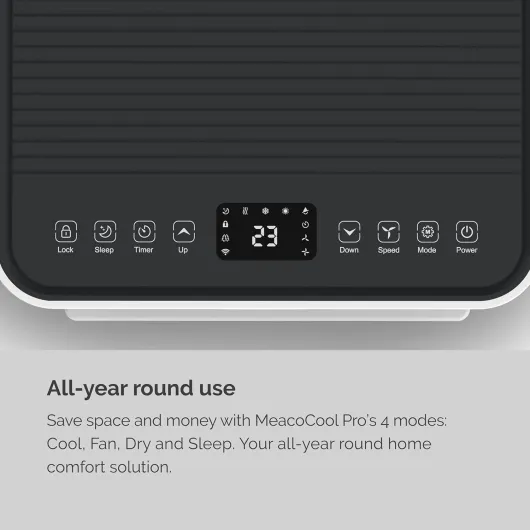
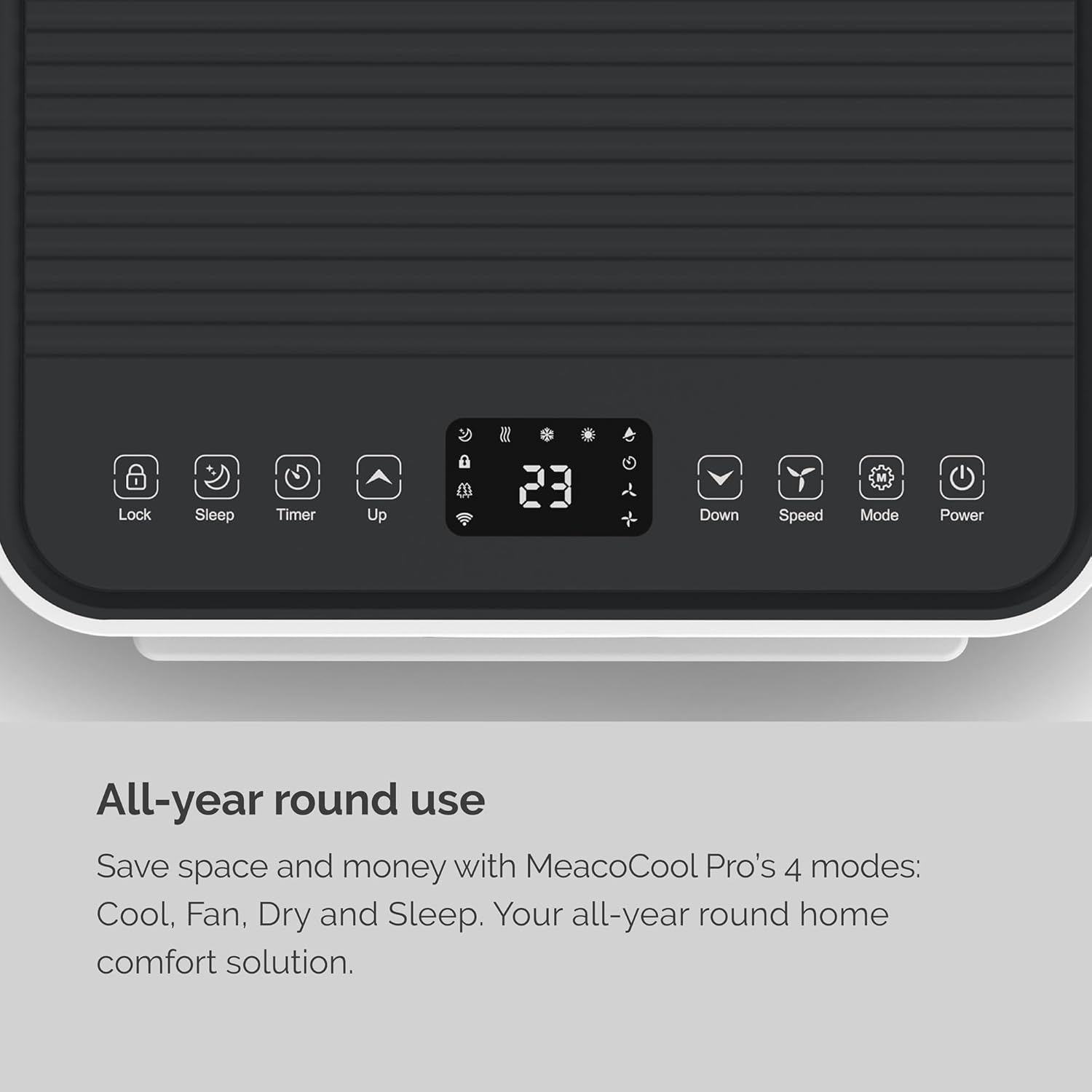
Some of the top quiet portable models now integrate advanced airflow controls and multiple fan modes. For example, a premium 3 in 1 air conditioner with dehumidifier and fan mode can run the fan alone on very low speed to circulate air gently when full cooling is not needed. When you read reviews on retailers such as Amazon, focus on comments about fan noise, compressor hum, and how well the remote control lets users adjust mode, fan speed, and temperature without getting up during the night, then compare those experiences across several similar products.
For readers who want a detailed hands on evaluation of a modern quiet 3 in 1 portable air conditioner, this independent test of a 3 in 1 portable AC with silent mode offers a useful benchmark for both noise and cooling performance. Such a product review helps you understand how a unit behaves in auto mode, how effective the sleep mode really is, and whether the claimed quiet operation holds up in a typical bedroom or living room. When you compare several air conditioners, use this type of detailed test as a reference point for what a genuinely quiet portable air conditioner can achieve in everyday use.
Room size, BTU SACC, and realistic expectations for quiet cooling
Matching the cooling capacity of a portable air conditioner to your room size is essential if you want low noise and stable comfort. When a unit is undersized in BTU SACC terms, it will run at maximum cooling power almost constantly, which keeps the fan and compressor at their loudest operating point. Oversized air conditioners can also be problematic, because they may short cycle and create frequent bursts of noise instead of a steady, gentle hum.
As a practical guide, a room of around 20 to 25 square metres usually needs a portable air conditioner with roughly 7 000 to 9 000 BTU SACC, while large rooms closer to 35 to 40 square metres may require 10 000 to 12 000 BTU SACC for reliable cooling. These figures assume a typical European climate, a standard ceiling height, and a reasonably shaded window, so you should increase capacity slightly for top floor flats with strong sun exposure or for rooms with large west facing glass surfaces. Always check whether the manufacturer lists both the traditional BTU rating and the BTU SACC value, because only the latter reflects performance after accounting for heat drawn in through the hose and window kit.
Bedroom comfort demands special attention, since sleep quality is directly affected by noise level and airflow. A quiet portable air conditioner for night use should offer a dedicated sleep mode that reduces fan speed, dims display lights, and allows a small temperature drift to keep the compressor running more gently. For a deeper dive into bedroom specific performance, you can consult this guide to portable AC models that support healthy sleep with low dB thresholds, which explains how placement, hose routing, and fan settings interact with real world bedroom acoustics.
Installation, window kits, and how placement affects noise level
Even the best low noise portable air conditioners can sound louder than expected if the installation is careless. A poorly fitted window kit allows outside air and street noise to leak in, which mixes with the sound of the fan and makes the whole system feel harsher. Always follow the window installation instructions carefully, seal gaps with foam or weatherstripping, and ensure the exhaust hose has a smooth, short path to the window without tight bends.
Placement of the portable air conditioner within the room also changes how you perceive noise. Position the portable unit on a stable, level surface, ideally on a firm floor rather than a resonant wooden platform, and keep it a little away from walls to prevent reflected sound from amplifying the fan noise. If possible, avoid placing the air conditioner directly beside the bed or sofa, because the direct airflow and mechanical hum will feel more intrusive than when the unit sits a few metres away with the remote control used to adjust settings.
Some users underestimate how much vibration can travel through lightweight floors and furniture. If your portable air conditioner seems to rattle, try placing a dense rubber mat or thick carpet tile under the unit to absorb vibration and reduce structure borne noise. For a concrete example of how careful placement and installation can transform the experience, this detailed review of an ultra quiet portable AC for bedrooms with guidance on placement shows how moving the unit and adjusting the fan mode lowered perceived noise more than any technical specification change.
Comparing standout quiet portable models and real world use cases
Several current models illustrate how manufacturers are redefining the best low noise portable air conditioners for different types of homes. The Midea Duo series, for example, combines a dual hose design with a smart inverter compressor, which allows the Midea Duo portable air conditioner to maintain stable cooling power while keeping the fan and compressor at a relatively low noise level. Many users highlight that the Midea Duo units feel quieter in practice than some competitors with similar BTU SACC ratings, especially when used in eco mode or sleep mode during the night.
When you compare such premium products with more standard portable acs sold widely on Amazon, pay attention to how each product handles airflow, hose design, and control options. A model with a well tuned auto mode and a responsive remote control can adapt fan speed smoothly as the room cools, avoiding sudden jumps in noise that disturb conversation or work. In contrast, a basic portable air conditioner with only two fan speeds and a simple thermostat may cycle between loud and silent repeatedly, which some people find more irritating than a constant gentle fan sound.
Real world tests of 3 in 1 portable air conditioners with dehumidifier and fan functions show that versatility can support quieter operation. On days with moderate heat but high humidity, you can run the unit in dehumidifier mode or low fan mode instead of full cooling, which reduces compressor workload and overall noise. A detailed hands on review of a 9000 BTU 3 in 1 portable air conditioning unit with ultra quiet operation illustrates how such a product can maintain comfort in bedrooms and small living rooms while keeping measured sound around 50 decibels in its quietest mode.
Smart controls, daily use, and long term satisfaction
Living with a quiet portable air conditioner day after day involves more than just the initial noise measurement. Smart controls, timers, and app connectivity can help you run the unit when it is least intrusive, pre cooling rooms before you arrive and then shifting to a lower fan mode while you work or sleep. A well designed remote control or smartphone interface also reduces the need to approach the unit, which means you spend less time close to the fan and compressor where the noise feels strongest.
Many of the best low noise portable air conditioners now integrate programmable schedules and adaptive algorithms that learn how your home responds to heat. A model with a sophisticated duo map or MAP TBL style control logic can adjust cooling power gradually as the indoor and outdoor climate change, rather than reacting abruptly when the thermostat crosses a fixed threshold. This smoother behaviour not only saves energy but also keeps the fan and compressor operating in a narrower, quieter band for most of the day.
Maintenance also influences long term acoustic comfort. Clean the air filters regularly so the fan does not have to work harder to push air through dust, and check that the exhaust hose and window kit remain well sealed as materials age. When you treat your portable air conditioner as a long term product rather than a disposable unit, you preserve both its cooling efficiency and its low noise character, which ultimately delivers better value and a more pleasant indoor environment.
Key figures on quiet portable air conditioners
- Typical quiet portable air conditioners operate between 50 and 55 decibels on their lowest fan mode, according to manufacturer data compiled by several European consumer testing organisations, which is roughly the sound level of a quiet office.
- Independent laboratory tests by organisations such as Stiftung Warentest and Which? have found that dual hose portable acs can improve effective cooling efficiency by around 10 to 15 percent compared with similar single hose models, especially in large rooms with significant solar gain.
- Energy labelling data from the European Commission show that portable air conditioners with inverter technology can reduce electricity consumption by approximately 20 to 30 percent compared with non inverter units of similar BTU SACC rating, which also tends to reduce average compressor noise over a full day of operation.
- Field measurements reported by several national consumer agencies indicate that a poorly sealed window installation can increase perceived indoor noise by up to 5 decibels, because outside traffic and wind noise leak through gaps around the window kit and mix with the sound of the fan.