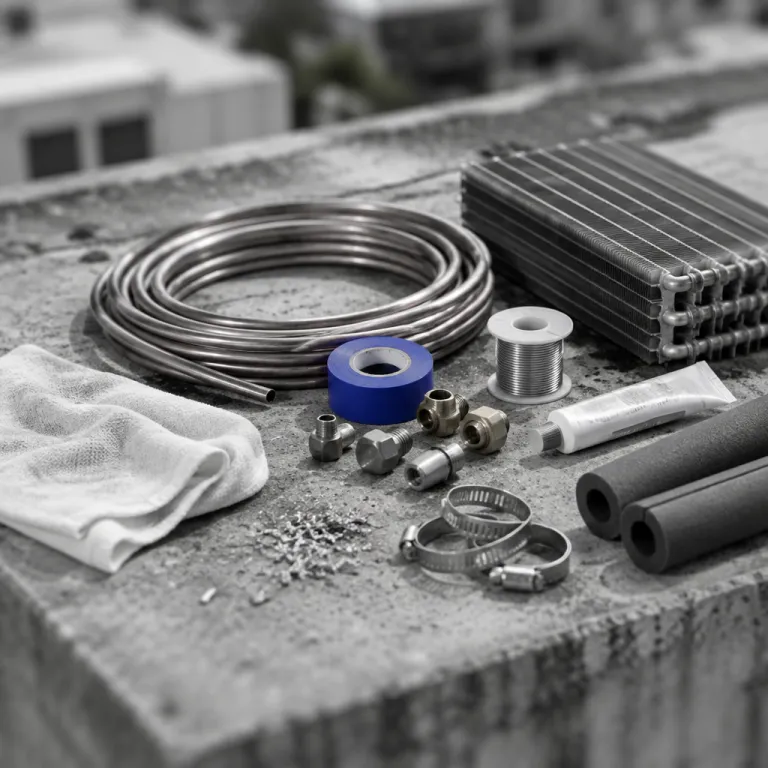
How a heat pump works with portable cooling systems
A portable air conditioner that can fix a heat pump style problem relies on the same basic thermodynamic principles as a split system, but the internal layout is often simpler. Many compact portable units use a reversible refrigerant circuit or a built in air direction change rather than a full size outdoor unit, so understanding that invisible transfer still helps you interpret strange noises, weak cooling, or unexpected heating issues. When you know how the heat pump function and the portable air path interact, you can separate harmless quirks from serious pump problems that threaten comfort.
Inside the cabinet, the compressor pump pushes refrigerant through coils that either absorb or reject heat depending on the mode. In heating cooling configurations, some models use a true reversing valve that changes the refrigerant direction, while others rely on separate coils or internal dampers to redirect air, yet the goal is the same: one compact system that can shed heat in summer and pull heat indoors during colder months, which is why many people rely on heat pumps for year round comfort. When that reversing valve sticks, the internal diverter fails, or the pump running pattern becomes erratic, the portable system may blow lukewarm air instead of cool air or fail to heat cool properly when you switch modes.
Portable units still need the same careful maintenance as larger heat pumps, even if they sit under a window instead of outside. The air filters clog quickly with dust, and dirty filters reduce airflow across the evaporator coil, which can trigger ice buildup and short cycling that feels like random shutdowns. As a rule of thumb, the air coming out of the supply grille should be roughly 15 to 20 degrees Fahrenheit cooler than the room air in cooling mode, so a regular check of filters, vents, and the exhaust hose keeps the internal heat pump components within safe temperature limits and reduces the risk of low refrigerant symptoms or hidden refrigerant leaks.
Step by step checks before calling a professional heat technician
When you try to fix a heat pump style fault in a portable air conditioner, start with the simplest checks first and follow a short, safe troubleshooting checklist. Many apparent pump problems are actually control issues, so confirm that the thermostat setting, mode selection, and target temperature all match your real comfort needs. A careful check of these basics often restores normal heating cooling performance without any pump repair or expensive service visit.
First, look at the thermostat display and verify that the system is not set to fan only or an energy saver mode that cycles the pump running more aggressively. If the temperature is only one or two degrees below the room temperature, the unit may not start cooling immediately, which can be mistaken for low refrigerant or a refrigerant leak when the real cause is just a conservative control algorithm. For portable units that include a heat pump mode, confirm that the heat cool symbol on the panel matches the season, because the wrong mode can send warm air into an already hot room or cool air into a space that actually needs heating.
Next, inspect the power supply, plug, and any extension cord, since voltage drops can mimic pump problems by forcing the compressor to stall. Most portable systems are designed for a standard 120 volt household circuit, and a reading that sags much below about 110 volts under load can cause hard starting or tripped breakers, so only use a properly grounded outlet and avoid light duty cords. Feel the exhaust hose and the outdoor style discharge point to ensure hot air is leaving the room, because a blocked outlet can trap heat and cause the system to shut down on high temperature safety. If these checks do not resolve the issues, that is the moment to consider a professional heat and cooling specialist, such as the regional technicians often highlighted in guides about how Clackamas HVAC experts help portable air conditioner owners fix cooling problems fast.
Airflow, filters, and dirty components that sabotage cooling
Airflow is the easiest part of a portable system to maintain, yet it causes many of the most frustrating issues. When air filters become dirty, the pump must work harder to move heat, which raises internal temperature and can trigger short cycling that feels like random on off behavior. Cleaning or replacing those filters regularly is one of the most effective ways to fix a heat pump style performance drop before it becomes a serious repair.
Remove the filters and hold them up to the light, because you should see clear openings between the fibers if airflow is healthy. If the material looks clogged, wash or replace it according to the manufacturer instructions, then check the indoor vents and the outdoor exhaust grille for lint, pet hair, or debris that could restrict cool air leaving the unit. Poor airflow across the indoor coil encourages ice buildup, and that ice insulates the coil from the room air, which makes the system feel weak even though the pump running inside is working at full effort.
Dirty coils also reduce heat transfer efficiency, so a gentle cleaning with a soft brush or approved coil cleaner can restore lost capacity. One technician described a common real world case where a three year old portable unit that barely cooled at all recovered to normal operation after a simple filter and coil cleaning plus a straightened exhaust hose. When you evaluate whether to invest in deeper maintenance or a full replacement, it helps to compare the age of the portable heat pump components with the cost of parts, a process explained in many end of season guides such as the repair or replace verdict before you waste closet space on a dying unit. If repeated cleaning does not resolve the cooling issues, you may be facing underlying pump problems or refrigerant leaks that require professional service.
Refrigerant levels, leaks, and when to stop DIY repairs
Many owners assume that low refrigerant is the first reason to fix a heat pump, but in reality it is usually the last thing a professional checks after ruling out airflow and control faults. Refrigerant levels in a sealed portable system should remain stable for years, so any need to top up the charge points toward refrigerant leaks that must be located and repaired, not just refilled. Continuing to run a pump with low refrigerant can overheat the compressor, damage valves, and turn a simple leak into a full system replacement.
Warning signs of a refrigerant leak include hissing sounds near the coil, ice buildup on the refrigerant lines, and a steady decline in cooling capacity even though the thermostat is set correctly. You may also notice that the outdoor style exhaust feels less hot than usual, because the pump cannot move as much heat out of the room when the charge is low. In some cases, the unit will start short cycling as internal safety controls respond to abnormal temperature and pressure readings, which is a clear signal to stop DIY attempts and schedule a professional heat and cooling service visit.
Only licensed technicians are allowed to handle refrigerant, so your role as an informed owner is to document symptoms, timing, and any unusual noises or smells. Share these observations with the service company, because precise information helps them check the reversing valve, compressor, and other pump repair targets more efficiently. If the technician confirms extensive leaks or severe pump problems, they may recommend replacement instead of repair, especially when the cost approaches a significant fraction of a new portable heat pump unit.
Defrost cycles, ice buildup, and year round operation
Portable units that include a heat pump mode often promise year round comfort, but that promise depends on proper defrost management. When the system operates in heating mode, the outdoor facing coil can accumulate frost, and the built in defrost cycle periodically reverses the refrigerant flow to melt that ice. If the defrost cycle fails or the reversing valve sticks, ice buildup can spread, block airflow, and eventually shut down the pump running inside the cabinet.
To fix a heat pump that ices up frequently, start by checking airflow around the outdoor exhaust and any intake grilles, because restricted air can exaggerate frost formation. Make sure the unit has enough clearance from walls, furniture, or curtains, and verify that the exhaust hose is not kinked, crushed, or disconnected, since those issues trap moist air and encourage freezing on the coil. If you still see repeated ice buildup even with clean air filters and good airflow, the problem may involve low refrigerant or faulty sensors that control the defrost cycle, both of which require professional diagnosis.
During cold seasons, monitor how often the unit switches between heat and cool modes as part of its automatic control strategy. Excessive switching can feel like short cycling and may indicate that the thermostat placement or temperature calibration is poor, which confuses the system about real room conditions. A qualified technician can check sensor placement, verify refrigerant levels, and adjust control parameters so the portable heat pumps in your home deliver stable heating cooling performance without constant defrost interruptions.
Comfort, indoor air quality, and when to seek expert service
Comfort is more than just air temperature, and a well tuned portable heat pump system should manage humidity, airflow, and noise as well. If you need to fix a heat pump style complaint such as stuffy rooms or uneven cooling, start by evaluating how the unit interacts with doors, windows, and other heat sources in the space. Sometimes a simple change in placement or duct routing can resolve issues that look like pump problems but are really room layout conflicts.
Indoor air quality also matters, especially when the portable unit recirculates air through filters that capture dust but not all allergens. If you or your family experience seasonal allergy symptoms, it is worth reading detailed analyses about how built in filters catch dust but not the pollen that triggers your symptoms, such as the guidance available in specialized resources on portable AC and seasonal allergies. Combining regular filter maintenance with separate air purification can improve comfort without overworking the heat pump or forcing the system into constant heat cool adjustments.
When repeated maintenance, careful checks, and minor repairs fail to restore reliable performance, the most responsible step is to call a professional heat and cooling service. A trained technician can test electrical components, measure refrigerant levels accurately, and inspect the outdoor unit style exhaust path for hidden obstructions that a casual owner might miss. By partnering with qualified experts at the right time, you protect your investment, avoid unsafe DIY refrigerant handling, and keep your portable heat pumps ready for efficient year round operation.
Key statistics about heat pumps and portable cooling performance
- According to the International Energy Agency Future of Heat Pumps report (2022), heat pumps accounted for roughly 10 percent of global space heating demand in recent years, and adoption is rising as households seek efficient heating cooling solutions that can operate year round.
- Field studies from the U.S. Department of Energy, including residential heat pump performance research summarized in 2014 technical reports, indicate that poor maintenance, such as dirty filters and neglected coils, can reduce heat pump efficiency by roughly 10 to 25 percent, which mirrors the performance losses seen in portable air conditioners with clogged air filters.
- Research by the Lawrence Berkeley National Laboratory on residential HVAC performance, published in multiple studies around 2013 and 2014, suggests that low refrigerant charge can cut heat pump capacity by up to about 20 percent, highlighting why refrigerant leaks and incorrect refrigerant levels are among the most damaging pump problems for both fixed and portable systems.
- Consumer surveys from organizations such as the American Council for an Energy Efficient Economy, summarized in program evaluations during the late 2010s, report that professional tune ups can improve comfort and reduce complaints about short cycling or uneven temperature in more than half of homes using heat pumps.
FAQ: fixing a heat pump in portable air conditioners
How can I tell if my portable unit has a heat pump function ?
Check the control panel or manual for both heating and cooling modes, often labeled as heat cool or similar wording. If the unit can provide heating without electric resistance coils, it likely uses a compact heat pump system. These models usually mention year round operation or reversible heating cooling in their specifications.
What are the first steps to fix a heat pump that is not cooling ?
Start by verifying the thermostat settings, target temperature, and operating mode, then clean the air filters and check the exhaust hose for kinks or blockages. Make sure doors and windows are closed so the system is not fighting constant heat gain from outside. If the pump running sound is unusual or cooling remains weak, schedule a professional service visit.
Is ice buildup on my portable heat pump normal during operation ?
A thin layer of frost can appear briefly, but heavy ice buildup that covers the coil or stops airflow is a sign of trouble. Common causes include dirty filters, restricted airflow, or low refrigerant that prevents proper heat transfer. If cleaning and airflow checks do not resolve the issue, a technician should inspect the defrost cycle and refrigerant levels.
When should I replace instead of repair a portable heat pump unit ?
Replacement becomes sensible when major pump repair costs approach a large fraction of a new unit price, especially if the system is already several seasons old. Repeated refrigerant leaks, compressor failures, or chronic short cycling after maintenance are strong indicators that the unit is near the end of its useful life. At that point, a newer model can restore comfort and reduce energy use.
Can regular maintenance really prevent most heat pump problems ?
Consistent maintenance, including filter cleaning, coil inspection, and airflow checks, prevents many common issues that reduce efficiency or cause shutdowns. These tasks keep the pump, refrigerant circuit, and controls within safe operating limits. While not every failure is avoidable, well maintained portable heat pumps typically deliver more reliable heating cooling performance over their lifespan.