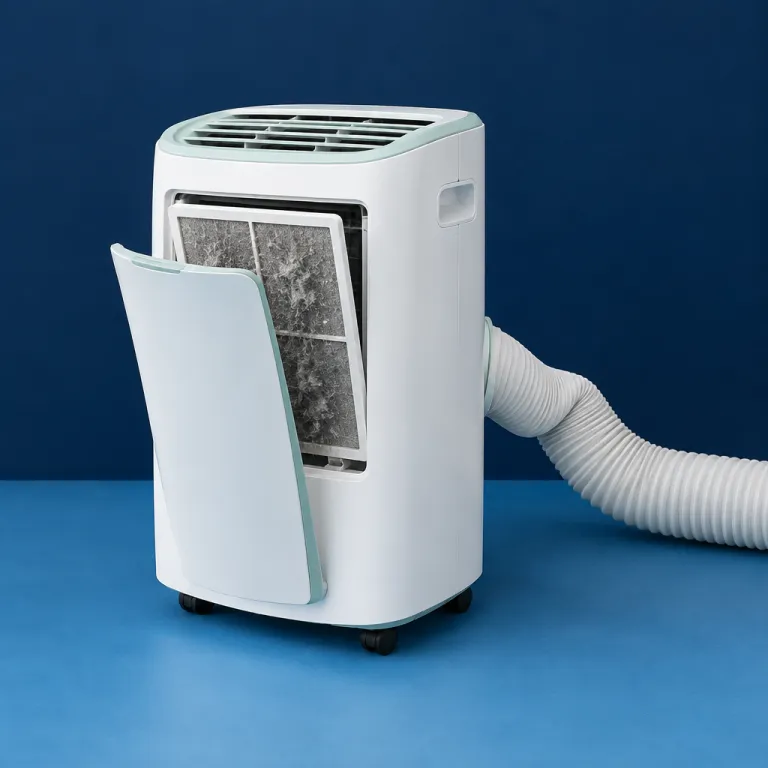
When a portable air conditioner turns off too soon
A portable air conditioner that repeatedly shuts down mid cycle quickly frustrates any user. When a cooling unit stops after only a few minutes, the system never reaches a stable room temperature and comfort suffers. This kind of behaviour, often called short cycling, also strains the compressor and fan and can shorten the service life of the appliance.
In many homes the reasons portable air conditioners behave this way start with how air can move around the unit. If the appliance is pushed against a wall, soft furnishings, or curtains, the system recirculates its own hot exhaust air and the internal thermostat senses false heat spikes. The result is that the air conditioner turns off and then tries to turn back on again, creating constant short cycling that wastes energy and raises electricity bills without delivering consistent cooling.
Portable air conditioning units also depend on correct thermostat settings to avoid this stop start pattern. When the temperature is set unrealistically low compared with the actual room conditions, the cooling cycle becomes aggressive and the compressor may shut down on safety limits. If the thermostat in the conditioner short cycles the compressor like this, the unit can shut down repeatedly, and the user may suspect electrical issues when the real problem is simply unsuitable thermostat settings and expectations.
How airflow, filters, and dirty air trigger short cycling
Restricted airflow is one of the most common reasons portable air conditioners in apartments and small offices keep shutting down. Every unit relies on a clean air filter to protect its evaporator coils from dust and dirty air that would otherwise clog the fins. When air filters are neglected, the air conditioner turns off because the compressor overheats and the safety controls shut the system down.
Owners often forget to check the air filter on a portable unit because it hides behind a small plastic grille. Over time, dirty air from carpets, pets, and open windows loads the filter with fine particles, and the conditioner short cycles as the fan struggles to pull enough air across the evaporator coils. If you never replace air filters or at least clean the air filter every few weeks during heavy air conditioning use, the cooling cycle becomes shorter, the unit grows louder, and the risk of permanent damage to the system increases.
Clogged filters also interact with thermostat settings in subtle ways that many users overlook. When the filter is dirty, the air coming out of the unit may feel cooler than the average room air, so the thermostat inside the conditioner senses that the target temperature has been reached and the air conditioner turns off prematurely. This kind of airflow related short cycling can mimic more serious electrical issues, which is why a careful visual check of the air filters should always be the first troubleshooting step before calling a professional HVAC technician or booking a repair after reading detailed portable AC repair reviews or manufacturer maintenance guidance.
Refrigerant levels, coils, and low cooling performance
When a portable air conditioner turns off frequently and the room never cools properly, refrigerant problems may be involved. The sealed refrigerant system inside the unit moves heat from the indoor air across the evaporator coils and then rejects it outdoors through the condenser coils. If refrigerant levels drop because of a leak, the cooling cycle becomes unstable and the compressor may shut down repeatedly to protect itself.
Low refrigerant in portable air conditioners is less common than in fixed split systems, but it still occurs, especially in older units that have been moved often. When refrigerant levels fall, the evaporator coils can become too cold, frost forms, and the air conditioner turns off as sensors detect abnormal conditions and shut the system down. In this situation, only a professional HVAC specialist with the correct gauges and certification can safely check for low refrigerant, repair leaks, and recharge the conditioner without risking further damage or violating environmental regulations.
Dirty coils can create similar symptoms even when the refrigerant charge is technically correct. Dust and greasy film on condenser coils reduce heat rejection, while blocked evaporator coils restrict airflow and cause the unit to short cycle under stress. If you notice that the conditioner short cycles and the metal coils look dull or clogged, schedule a visit with a professional HVAC contractor, ideally one familiar with portable units and affordable maintenance services described in recognised HVAC trade publications, and ask them to clean the coils and verify the refrigerant levels.
Electrical issues, safety shut offs, and when the unit will not turn back on
Sometimes a portable air conditioner turns off and refuses to start again, which points toward electrical issues rather than airflow or refrigerant faults. Modern air conditioning units include multiple safety devices that shut the system down when they detect overheating, voltage drops, or abnormal current draw. These protections help prevent fire risks, but they also mean that a single loose plug or overloaded extension cord can make the conditioner short cycle or stop completely.
Users often plug portable air conditioners into multi way adapters or long extension leads, which can cause voltage drops under heavy compressor load. When the voltage falls, the motor struggles, internal temperatures rise, and the unit may shut off abruptly, leading owners to suspect the thermostat or refrigerant when the real problem lies in the electrical supply. A direct wall outlet with the correct rating is always best, and if the air conditioner turns off and trips a breaker more than once, a professional HVAC electrician or qualified technician should inspect the circuit for deeper electrical issues.
Internal electrical issues can also develop inside the unit itself as components age. Faulty capacitors, worn fan motors, or damaged control boards can all cause short cycling, random shut downs, or a failure to turn on after the cooling cycle stops. When you have already checked the air filter, cleaned away dirty air deposits, and confirmed that thermostat settings are reasonable, persistent electrical issues are a clear signal to call a professional HVAC service rather than continuing to reset the system and risk more serious damage.
Thermostat settings, room conditions, and user habits
Not every case where an air conditioner turns off quickly is a mechanical failure, because user habits and room conditions often play a major role. Portable air conditioning units rely on accurate thermostat settings and stable indoor conditions to maintain a smooth cooling cycle without constant interruptions. When the thermostat sits in direct sunlight or near a heat source, the system can misread the room temperature and the conditioner short cycles as it chases a moving target.
Room size and insulation also influence how often air conditioners cycle on and off during hot weather. A small portable unit placed in a large open plan living area may run continuously at full power, then shut down abruptly when internal safety limits are reached, which feels to the user like unexplained short cycling. In contrast, an oversized unit in a compact bedroom can cool the air near the thermostat very quickly, causing the air conditioner turns off before the rest of the room has cooled, so occupants still feel warm even though the system believes its job is complete.
Simple behavioural changes can often stabilise performance before you need professional help. Closing doors and windows, shading sun exposed glass, and avoiding heat generating appliances during peak cooling periods all reduce the load on the system and help the cooling cycle run longer and more efficiently. If you adjust thermostat settings gradually instead of demanding very low temperatures, the unit experiences less stress, energy bills fall, and the risk that the air conditioner turns off on safety limits or begins short cycling declines significantly.
Maintenance routines that keep a portable air conditioner running
Regular maintenance is the most effective way to prevent a portable air conditioner from turning off unexpectedly. A simple monthly check of the air filter, the exhaust hose, and the intake grilles can catch dirty air build up before it chokes the system. When you replace air filters on schedule and wipe dust from the evaporator coils and condenser coils, the cooling cycle remains stable and the conditioner short cycles far less often.
Water management is another overlooked factor that can make an air conditioner turns off without warning. Many portable air conditioners include a safety float that shuts the unit down when the internal condensate tank is full, and if owners forget to drain this tank, the system will shut off even though the thermostat still calls for cooling. Reading the manual carefully, checking the drain indicator lights, and emptying the tank or connecting a continuous drain hose are simple steps that prevent this kind of nuisance shut down and keep the air conditioning system operating smoothly.
Indoor air quality also interacts with maintenance in subtle ways that affect performance. Homes with pets, smokers, or high pollen counts load air filters faster, and in these environments the air conditioner turns off more often unless filters are cleaned or replaced more frequently than the basic schedule suggests. For readers concerned about allergies and dirty air, a detailed guide on how the built in filter catches dust but not all pollen, such as the one available in a typical portable AC and allergies resource, can help you balance cooling needs with respiratory comfort while still protecting the system from short cycling.
When to call a professional HVAC technician for a portable unit
There comes a point where repeated shut downs, unexplained noises, or persistent short cycling indicate that a portable air conditioner needs expert attention. If the air conditioner turns off even after you have cleaned the air filter, checked for dirty air obstructions, verified thermostat settings, and ensured proper drainage, deeper faults in the refrigerant system or electrical components are likely. At that stage, continuing to reset the unit or run it on an overloaded circuit risks more serious damage and higher long term energy bills.
A professional HVAC technician can perform tests that are impossible for most homeowners, including measuring refrigerant levels, checking compressor amperage, and inspecting evaporator coils and condenser coils for hidden damage. These diagnostics reveal whether low refrigerant, blocked coils, or internal electrical issues are causing the conditioner short cycling pattern that you observe. Because portable air conditioners are compact and tightly packaged, a trained professional is also better equipped to dismantle the unit safely, replace air handling components, and reassemble the system without creating new leaks or airflow restrictions.
Choosing a professional HVAC service with specific experience in portable air conditioning is essential for reliable results. Ask whether the technician has worked on your brand and model, how they handle refrigerant recovery, and what kind of warranty they offer on repairs that address short cycling or repeated shut offs. With the right expertise, many units that frequently turn off can be restored to stable operation, extending their useful life and ensuring that the air conditioner turns off only when the room is genuinely cool and the cooling cycle has completed as designed.
Key figures on portable air conditioners and premature shut offs
- Field surveys by regional HVAC service companies, summarised in trade magazines such as ACHR News, report that clogged air filters contribute to a large share of portable air conditioner service calls related to short cycling and unexpected shut downs, highlighting the importance of basic user maintenance.
- Energy efficiency studies from national laboratories, including work by the U.S. Department of Energy’s Lawrence Berkeley National Laboratory on residential cooling performance, show that poorly maintained air conditioning systems can use substantially more electricity than clean, well tuned units, which means that a portable air conditioner that turns off frequently may still drive higher energy bills despite reduced comfort.
- Industry data from major manufacturers, published in annual reliability reports and warranty summaries, indicate that a significant share of warranty claims for portable air conditioners involve electrical issues such as failed capacitors or control boards, especially in units operated on undersized or overloaded circuits.
- Consumer testing organisations such as Consumer Reports have found that correct thermostat settings and proper room sizing can noticeably reduce compressor cycling frequency, which directly lowers wear on the system and extends the expected lifespan of the unit.
FAQ about portable air conditioners that keep turning off
Why does my portable air conditioner turn off after a few minutes ?
When a portable air conditioner turns off after only a few minutes, the most common causes are restricted airflow from a dirty air filter, incorrect thermostat settings, or an overheating compressor. Safety controls inside the system shut the unit down to prevent damage, which appears to the user as short cycling. Cleaning the filter, checking for blocked vents, and ensuring the unit is on a dedicated wall outlet are the first steps before calling a professional HVAC technician.
Can low refrigerant make a portable air conditioner shut off ?
Low refrigerant can cause a portable air conditioner to short cycle or shut down, especially if the evaporator coils begin to freeze. As ice forms, airflow drops, sensors detect abnormal temperatures, and the system turns off to protect the compressor. Only a licensed professional HVAC specialist should check refrigerant levels, repair leaks, and recharge the unit, because handling refrigerant without proper tools and certification is unsafe and often illegal.
How often should I clean or replace the air filter on a portable unit ?
Most manufacturers recommend cleaning or replacing the air filter on a portable air conditioner every two to four weeks during heavy use. Homes with pets, smokers, or high dust levels may need more frequent attention to prevent dirty air from clogging the filter and causing the air conditioner turns off unexpectedly. If you notice reduced airflow, unusual noises, or visible dust on the grille, clean the filter immediately rather than waiting for the next scheduled interval.
Is it normal for a portable air conditioner to cycle on and off frequently ?
Some cycling is normal as the thermostat maintains the set temperature, but very short cycles of only a few minutes usually indicate a problem. Oversized units in small rooms, blocked airflow, or incorrect thermostat placement can all make the conditioner short cycle more than intended. If the unit turns off and on so often that comfort suffers or the compressor seems to struggle, a professional HVAC technician should evaluate the system.
When should I replace a portable air conditioner that keeps shutting down ?
If a portable air conditioner continues to shut down despite clean filters, correct thermostat settings, and verified electrical supply, and if repair quotes approach half the cost of a new unit, replacement is often the better choice. Older systems with repeated electrical issues or suspected refrigerant leaks can be expensive to fix and may still deliver poor efficiency. In such cases, investing in a modern, properly sized portable air conditioner can reduce energy bills and provide more reliable cooling with fewer unexpected shut offs.
